
Peças estampadas em aço carbono versus aço inoxidável: 9 principais diferenças
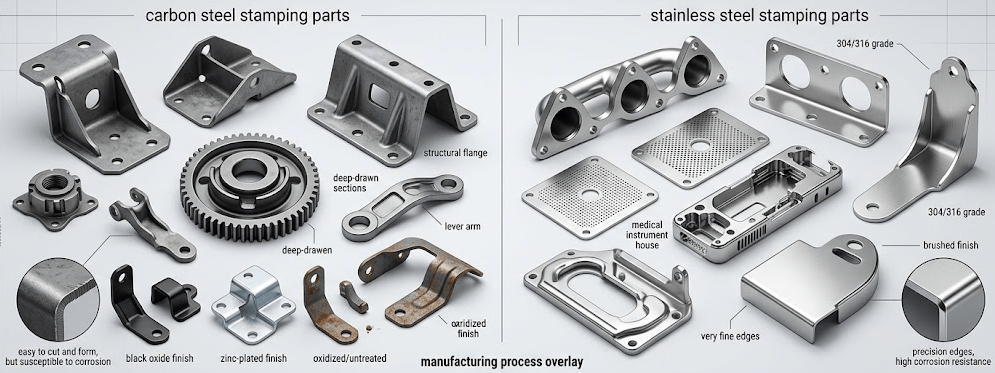
A estampagem de metais é um processo de fabricação amplamente utilizado para a produção de componentes precisos e em grande volume em diversos setores, como automotivo, eletrônico, eletrodomésticos, aeroespacial, etc. Na maioria das vezes, aço carbono e aço inoxidável são utilizados para a estampagem de peças . Ambos os materiais oferecem benefícios distintos, porém as diferenças em resistência, resistência à corrosão, custos e necessidades de processamento fazem com que sejam mais adequados para diferentes aplicações.
A escolha entre peças estampadas em aço carbono e aço inoxidável exige uma compreensão clara de suas propriedades e de seu desempenho em condições reais. Este artigo compara ambas as opções para que os fabricantes possam escolher o material mais adequado às suas necessidades específicas.
Conteúdo
Visão geral das peças estampadas em aço carbono
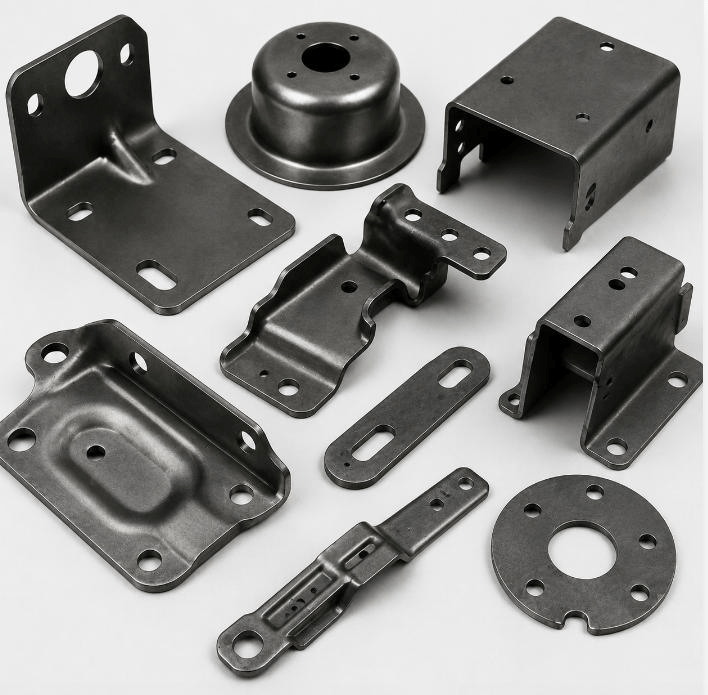
As peças estampadas em aço carbono são peças fabricadas a partir de chapas ou bobinas de aço carbono por meio de processos como puncionamento, dobramento, embutimento profundo e estampagem progressiva. O aço carbono é basicamente ferro com carbono, além de alguns outros elementos que moldam seu comportamento mecânico na prática.
O aço carbono é geralmente dividido em três tipos principais.
- Aço de baixo carbonoPossui pouco carbono e oferece ótima conformabilidade e soldabilidade.
- Aço carbono médio: proporciona maior resistência e dureza, para usos mais exigentes ou com cargas pesadas.
- Aço de alto carbonoProporciona alta dureza e melhor resistência ao desgaste, mas é mais difícil de moldar e dar forma.
Por ser acessível e confiável, a estampagem em aço carbono é muito utilizada em componentes estruturais, suportes, fixadores, peças automotivas e componentes de máquinas industriais.
Visão geral das peças estampadas em aço inoxidável
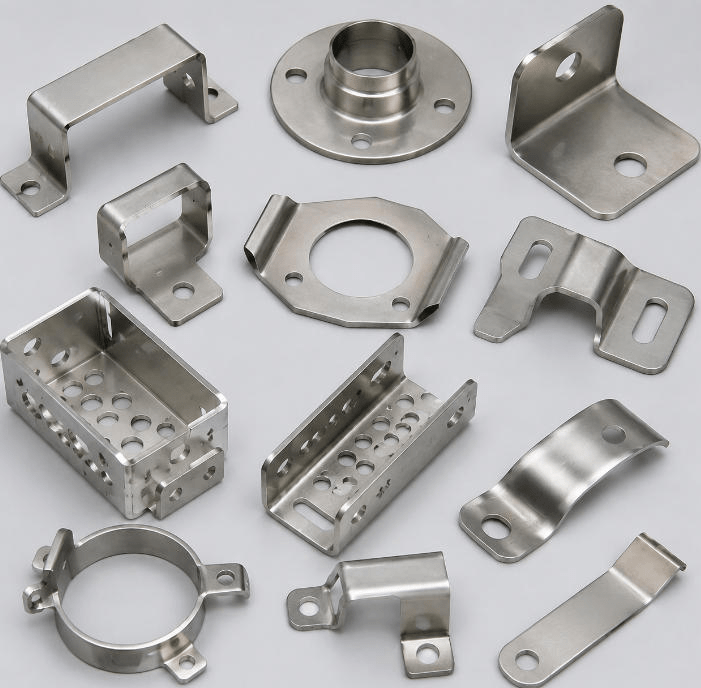
As peças estampadas em aço inoxidável são peças de precisão fabricadas a partir de chapas de aço inoxidável, utilizando processos de prensagem e conformação. O aço inoxidável contém cromo, que forma uma fina camada protetora de óxido na superfície, conferindo-lhe uma elevada resistência à corrosão.
Os tipos de aço inoxidável mais comuns usados para estampagem incluem:
- aço inoxidável 304É conhecido por sua excelente resistência à corrosão e uso geral.
- aço inoxidável 316Oferece resistência extra à corrosão, especialmente em ambientes marinhos ou químicos.
- Aço inoxidável 430: Oferece boa resistência à corrosão a um custo menor e também apresenta um comportamento magnético razoável.
As peças estampadas em aço inoxidável são frequentemente utilizadas em equipamentos médicos, máquinas para processamento de alimentos, eletrônicos, montagens automotivas e em aplicações externas.
Principais diferenças entre peças estampadas de aço carbono e aço inoxidável
1. Composição e Estrutura de Materiais
A principal diferença entre componentes estampados de aço carbono e aço inoxidável reside principalmente na composição química, e pouco mais.
O aço carbono é composto principalmente de ferro e carbono, sendo o teor de carbono determinante de sua dureza, resistência e flexibilidade. Quando o teor de carbono é menor, o aço geralmente se torna mais fácil de prensar, dobrar e moldar, sendo, portanto, mais maleável durante a estampagem. Com maior teor de carbono, a dureza e a resistência ao desgaste aumentam, mas a conformabilidade geralmente diminui. Como o aço carbono contém apenas pequenas quantidades de aditivos anticorrosivos, ele tende a oxidar e enferrujar mais rapidamente.
O aço inoxidável contém ferro, carbono, cromo e, frequentemente, outros elementos de liga, como níquel, além de molibdênio em algumas classes. O cromo ajuda a formar uma fina película protetora de óxido na superfície. Essa barreira impede a corrosão, de modo que a peça estampada normalmente mantém sua durabilidade mesmo em condições exigentes. Em outras palavras, esse tipo de proteção superficial permite que as peças estampadas de aço inoxidável tenham um desempenho mais confiável ao longo do tempo.
2. Resistência à corrosão
Na prática, a resistência à corrosão é uma das diferenças mais importantes entre peças estampadas de aço carbono e de aço inoxidável, pelo menos na maioria das vezes.
O aço carbono possui uma resistência intrínseca relativamente fraca à umidade, a produtos químicos reativos e à exposição a ambientes salinos. Quando em contato com oxigênio e umidade, o aço carbono pode desenvolver ferrugem, o que pode alterar tanto a aparência quanto a resistência estrutural. Portanto, para aumentar a resistência à corrosão, as peças estampadas em aço carbono frequentemente necessitam de medidas adicionais, como galvanização, pintura superficial, revestimento em pó ou galvanoplastia.
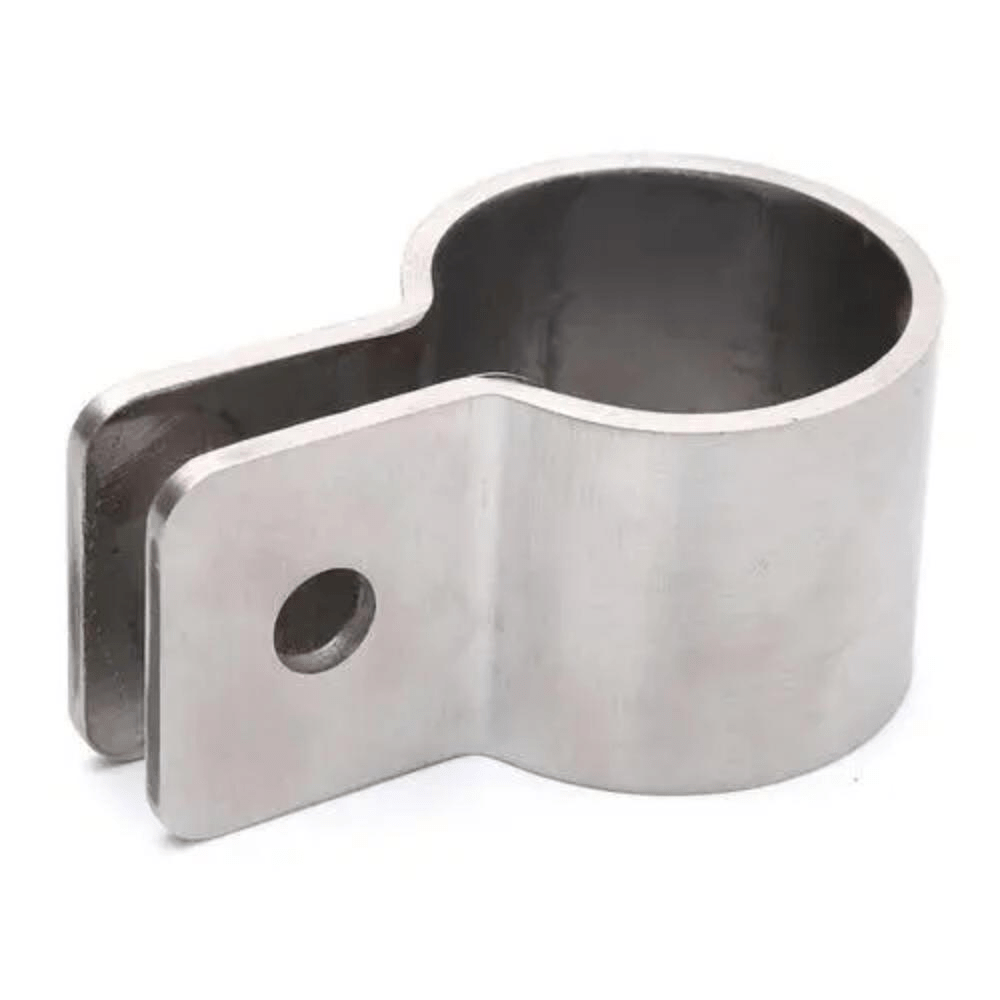
As peças estampadas em aço inoxidável oferecem alta resistência à corrosão devido à formação de uma camada passiva rica em cromo em sua superfície. Elas toleram a exposição à água, produtos químicos e ambientes agressivos com manutenção mínima. Como resultado, o aço inoxidável é especialmente adequado para equipamentos marítimos, máquinas para processamento de alimentos, instrumentos médicos e uso externo.
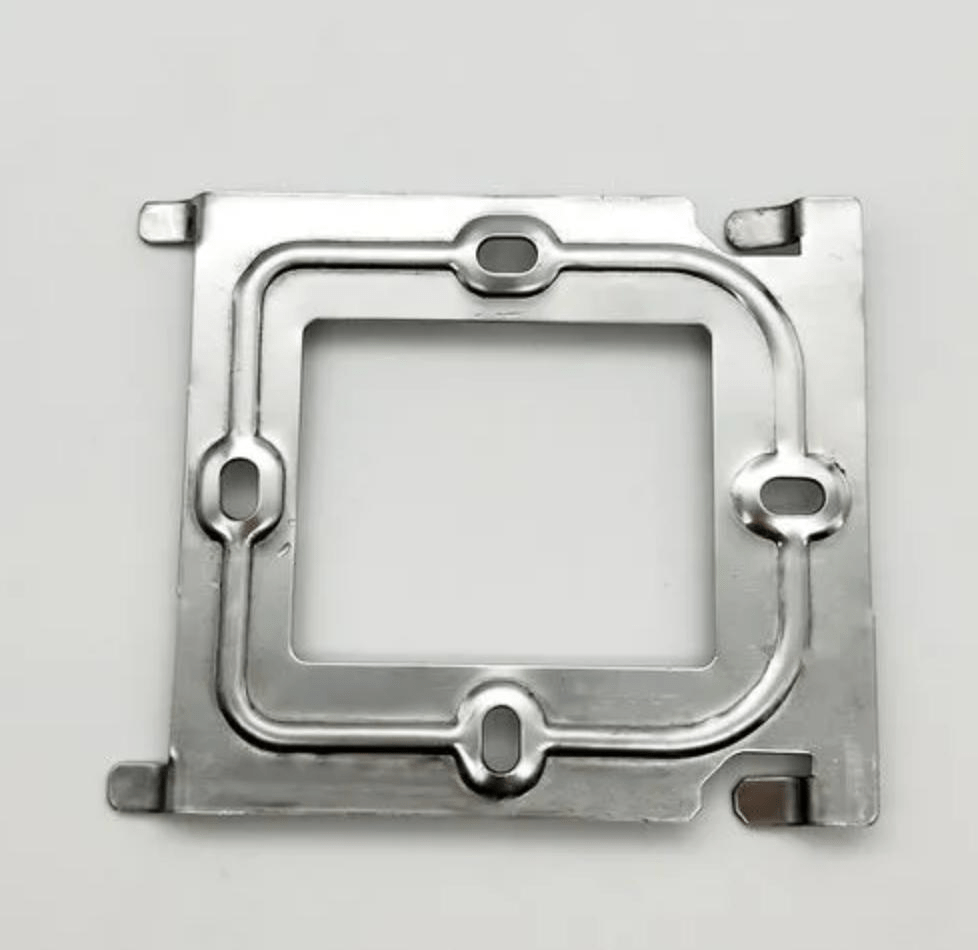
3. Força e desempenho mecânico
Tanto o aço carbono quanto o aço inoxidável oferecem um desempenho mecânico robusto, embora seu comportamento varie bastante dependendo da classe específica e da aplicação pretendida.
O aço carbono é frequentemente apreciado por sua alta resistência e capacidade confiável de suportar cargas, sendo ideal para aplicações que exigem esforço rotineiro. Os aços com médio e alto teor de carbono, em particular, oferecem maior dureza, além de maior resistência ao desgaste, sendo adequados para componentes de alta resistência e aplicações estruturais.
O aço inoxidável também apresenta boa resistência mecânica, oferecendo ao mesmo tempo uma proteção notavelmente superior contra os efeitos ambientais. Certos tipos de aço inoxidável proporcionam excelente resistência à tração, boa resistência ao impacto e alto desempenho tanto em altas quanto em baixas temperaturas. Essa combinação de resistência e durabilidade torna o aço inoxidável uma escolha prática em indústrias que exigem longos intervalos de manutenção e menos substituições.
Para aplicações que priorizam resistência mecânica e controle de custos, o aço carbono é frequentemente escolhido. Já para trabalhos em que a resistência precisa ser aliada à resistência à corrosão e longa vida útil, o aço inoxidável costuma ser a melhor opção.
4. Conformabilidade e Processo de Estampagem
O processo de estampagem do aço carbono também não é o mesmo que o do aço inoxidável.
O aço carbono, especialmente o aço de baixo carbono, tende a apresentar alta conformabilidade. É bastante fácil de dobrar, trefilar, puncionar e moldar em geometrias complexas. Graças à sua boa ductilidade, os fabricantes podem manter alta eficiência de produção e, ao mesmo tempo, reduzir o risco de fissuras durante as etapas de conformação.
O aço inoxidável tende a ser mais difícil de estampar. Ele tende a ter maior resistência e a sofrer endurecimento por deformação com mais facilidade. Por isso, as equipes geralmente precisam de matrizes especiais, forças de estampagem maiores, sistemas de lubrificação mais eficientes e um controle de processo muito preciso para obter resultados consistentes e de alta qualidade.
A estampagem de aço inoxidável pode parecer exigir técnicas de fabricação mais avançadas, mas ainda produz peças com grande durabilidade geral e forte resistência à corrosão – que é o que mais importa na prática.
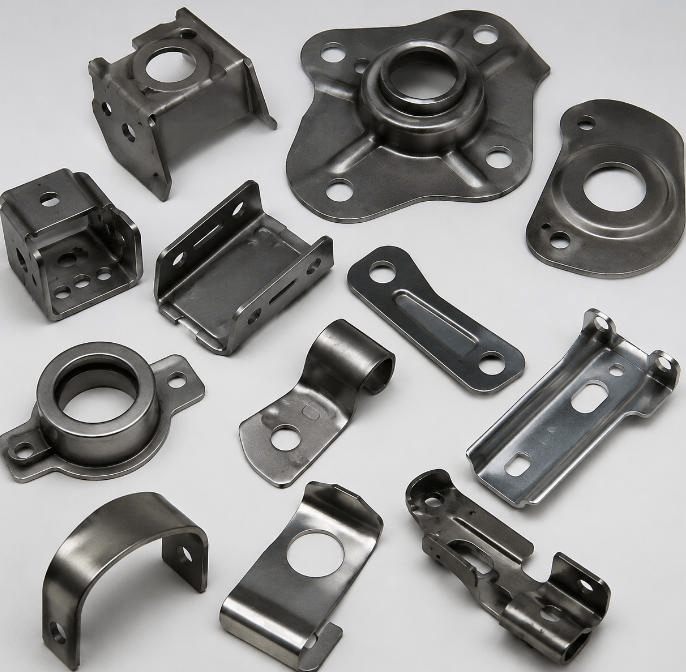
5. Acabamento e aparência da superfície
O acabamento superficial e a aparência visível das peças estampadas também são fatores muito importantes na escolha do material adequado.
O aço carbono geralmente apresenta uma aparência metálica simples, mas muitas vezes necessita de acabamentos adicionais para melhorar a estética e proteger a superfície. Em muitos casos, recorre-se a tratamentos como pintura, galvanização, polimento ou aplicação de revestimento protetor. Essas etapas podem melhorar a aparência da peça e também prolongar sua vida útil.
Em contraste, o aço inoxidável mantém um acabamento de superfície naturalmente limpo e atraente. Ele pode ser moldado em diversos estilos, como escovado, acetinado e espelhado. Como o aço inoxidável possui um visual sofisticado e atende aos requisitos de higiene, ele é frequentemente escolhido para bens de consumo, equipamentos médicos, eletrodomésticos e aplicações arquitetônicas.
6. Comparação de custos
O custo é um fator importante na seleção de materiais para componentes estampados.
| Fator de Custo | Peças estampadas em aço carbono | Peças de estampagem de aço inoxidável |
| Custo material | Abaixe | Mais elevado |
| Custo de processamento | Abaixe | Mais elevado |
| Custo de Ferramentas | Abaixe | Mais elevado |
| Custo de produção | Mais econômico | Mais caro |
| Tratamento da superfície | Frequentemente necessário | Geralmente não é necessário |
| Custo de manutenção | Mais elevado | Abaixe |
| vida de serviço | Mais curto em ambientes hostis | Mais longo |
| Investimento inicial | Abaixe | Mais elevado |
| Valor de longo prazo | Bom para projetos de baixo custo. | Melhor opção para projetos focados em durabilidade. |
| Melhor escolha | Aplicações sensíveis ao custo | Aplicativos de alto desempenho |
Ao avaliar os custos dos materiais, os fabricantes devem considerar tanto o investimento inicial quanto o custo total ao longo do ciclo de vida do produto.
7. Áreas de aplicação
As peças estampadas em aço carbono são muito utilizadas em indústrias onde resistência, custo acessível e eficiência de fabricação são geralmente as principais prioridades, e onde a adoção dessas peças tende a ser mais rápida. Elas podem ser encontradas em suportes automotivos, componentes de máquinas, peças para construção civil, painéis elétricos, fixadores e suportes industriais.
As peças estampadas em aço inoxidável são escolhidas quando a resistência à corrosão, a higiene e a durabilidade a longo prazo são essenciais. Elas são utilizadas em equipamentos médicos, sistemas de processamento de alimentos, componentes marítimos, máquinas químicas, peças aeroespaciais e produtos para uso externo.
A escolha entre aço carbono e aço inoxidável geralmente depende do ambiente de trabalho e da expectativa de desempenho para peças estampadas em metal personalizadas.

8. Manutenção e Vida Útil
As necessidades de manutenção representam outra diferença importante entre esses dois materiais.
As peças estampadas em aço carbono também podem necessitar de inspeção de rotina e manutenção preventiva, especialmente quando instaladas em ambientes úmidos ou corrosivos. Se o revestimento for danificado, pode abrir fissuras na superfície do aço e acelerar o processo de ferrugem.
As peças estampadas em aço inoxidável geralmente exigem menos manutenção contínua, devido à sua propriedade anticorrosiva natural. Quando mantêm sua integridade estrutural e acabamento visual por longos períodos, tornam-se mais adequadas para aplicações onde a confiabilidade é fundamental e o tempo de inatividade precisa ser reduzido.
9. Considerações Ambientais
Tanto o aço carbono quanto o aço inoxidável podem ser reciclados, sendo, portanto, opções viáveis para uma produção mais sustentável.
O aço carbono possui um processo de reciclagem consolidado e é frequentemente reutilizado em contextos industriais. Além disso, tende a ter um custo de produção mais baixo, o que o torna atraente para a fabricação em larga escala e em grande volume.
O aço inoxidável possui excelente reciclabilidade e mantém suas características mesmo após repetidas reciclagens. Sua longa vida útil e baixa necessidade de manutenção podem contribuir para a redução do consumo de recursos a longo prazo.
Tabela comparativa resumida
| Fator de Comparação | Peças estampadas em aço carbono | Peças de estampagem de aço inoxidável |
| Composição material | Composto principalmente de ferro e carbono, sendo o teor de carbono determinante da resistência e dureza. | Contém ferro, cromo, carbono e outros elementos de liga, como níquel e molibdênio. |
| Resistência à Corrosão | Menor resistência à corrosão; pode enferrujar quando exposto à umidade, oxigênio ou produtos químicos. | Excelente resistência à corrosão devido à camada protetora de óxido de cromo na superfície. |
| Desempenho de força | Proporciona alta resistência e capacidade de carga, especialmente em aços com médio e alto teor de carbono. | Oferece alto desempenho mecânico com maior durabilidade em ambientes agressivos. |
| Formabilidade | Geralmente mais fáceis de moldar, dobrar, perfurar e estampar, especialmente o aço de baixo carbono. | Mais difícil de moldar devido à maior resistência e características de endurecimento por deformação. |
| Requisitos do processo de estampagem | Requer equipamentos de estampagem padrão e métodos de processamento relativamente simples. | Pode exigir matrizes mais robustas, forças de estampagem mais elevadas, lubrificantes especiais e controle preciso do processo. |
| Desgaste de ferramentas | Provoca menor desgaste das ferramentas devido à menor dureza em muitas classes. | Pode aumentar o desgaste das ferramentas devido à maior dureza e ao endurecimento por trabalho. |
| Revestimento de superfície | Geralmente requer tratamentos adicionais, como pintura, galvanização ou revestimento em pó. | Proporciona naturalmente uma aparência metálica limpa e pode alcançar acabamentos polidos, escovados ou acetinados. |
| Requisitos de Manutenção | Requer mais manutenção, especialmente em ambientes úmidos ou corrosivos. | Requer menos manutenção devido à excelente resistência à corrosão. |
| Custo | Menor custo de material e mais econômico para produção em larga escala. | Custo de material mais elevado devido a elementos de liga como o cromo e o níquel. |
| vida de serviço | Boa vida útil quando revestido e mantido adequadamente. | Maior vida útil, especialmente em ambientes exigentes. |
| Resistência à temperatura | Adequado para faixas de temperatura industrial normais. | Melhor desempenho em condições de alta e baixa temperatura. |
| Desempenho de Higiene | Pode exigir revestimentos protetores para aplicações higiênicas. | Excelente para ambientes higiênicos devido às superfícies lisas e não porosas. |
| Melhor escolha para | Aplicações que exigem alta resistência, baixo custo e fabricação eficiente. | Aplicações que exigem resistência à corrosão, durabilidade, boa aparência e confiabilidade a longo prazo. |
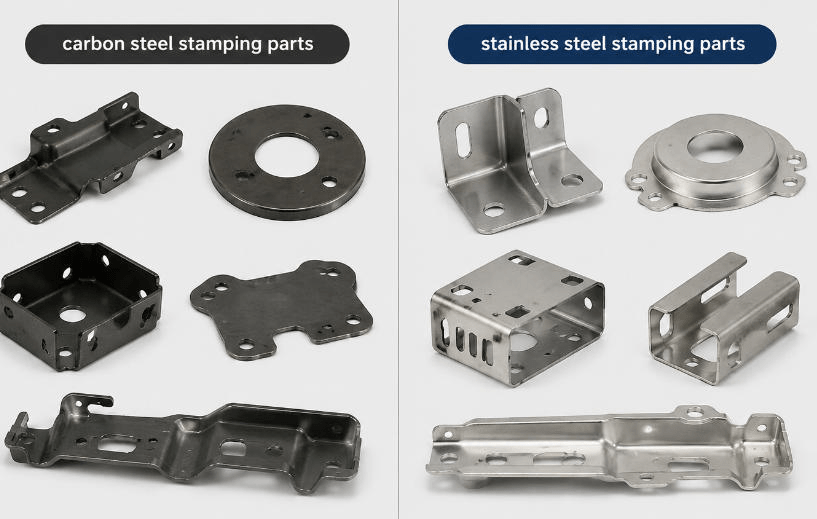
Como escolher entre peças estampadas de aço carbono e aço inoxidável
A escolha entre peças estampadas em aço carbono e em aço inoxidável deve ser baseada nos requisitos específicos da aplicação.
- aço carbono parte estampada é um adequado escolha quando o projeto exige Alta resistência, custo-benefício e fácil processamento. em um ambiente controlado. É ideal para Aplicações onde a proteção contra corrosão pode ser alcançada por meio de revestimentos ou tratamentos de superfície..
- Aço inoxidável é o better escolha quando os componentes devem Resistir à umidade, produtos químicos, temperaturas extremas ou requisitos de higiene rigorosos.Embora tenha um custo inicial mais elevado, seu durabilidade e resistência à corrosãoe podemos fornecer maiores benefícios a longo prazo.
Antes de escolher o material mais adequado, os fabricantes devem verificar as condições de operação, a duração da vida útil necessária, o volume de produção, o desempenho mecânico e o orçamento disponível.
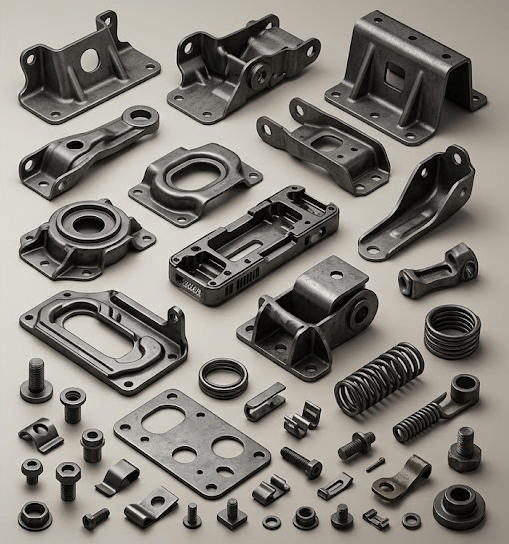
Considerações finais da análise do Fortune Dragon
As peças estampadas em aço carbono e aço inoxidável oferecem benefícios distintos para a manufatura moderna. Conhecer as principais diferenças entre esses dois materiais permite que os fabricantes tomem decisões mais acertadas no projeto e na produção de componentes estampados. Ao selecionar o material adequado às necessidades de desempenho e ao ambiente de aplicação, os fabricantes podem alcançar melhor qualidade do produto, operação confiável e maior custo-benefício.