
O que impulsiona a crescente demanda por peças CNC personalizadas?
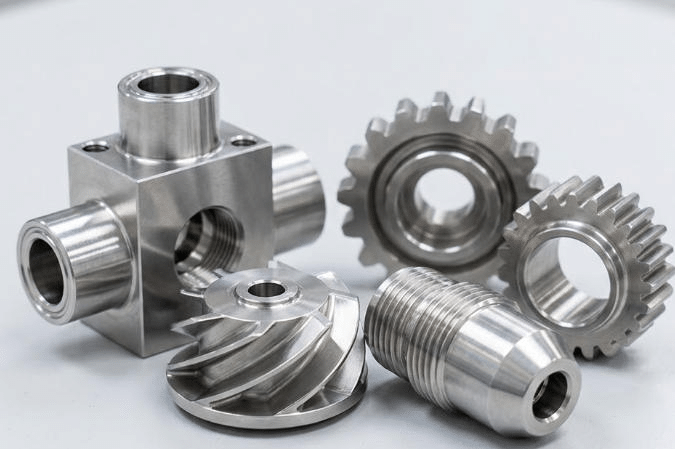
Modern manufacturing is changing pretty fast, as industries need higher precision, more adaptability, and faster output cycles. Standardized parts are no longer enough for many advanced uses, because companies keep pushing for elements engineered around particular performance needs, special assemblies, and those specialized operating surroundings. So yeah, the appetite for peças CNC personalizadas has gone up a lot across aerospace, automotive, medical equipment, electronics, robotics, and also industrial machinery.
Conteúdo
Compreendendo o Basics of CCNC personalizado Partes
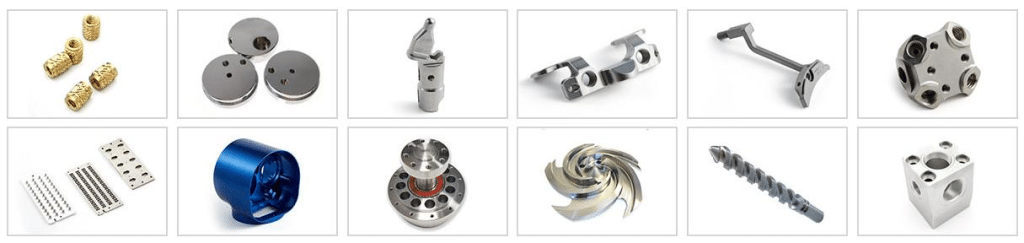
Custom CNC parts are precision-made components produced based on customer-specific designs, drawings, or technical instructions. Unlike mass-produced standard parts, these are made to match exact constraints, including size, tolerances, surface appearance, material choice, and the functional duties they have to perform.
CNC machining uses programmed instructions to guide the cutting tools and overall machining steps. Depending on how complex the design ends up being, manufacturers may rely on Fresagem CNC, Torneamento CNC, Rectificação CNC, CNC drilling, and usinagem multieixo to produce parts that have detailed shapes and extremely close tolerances.
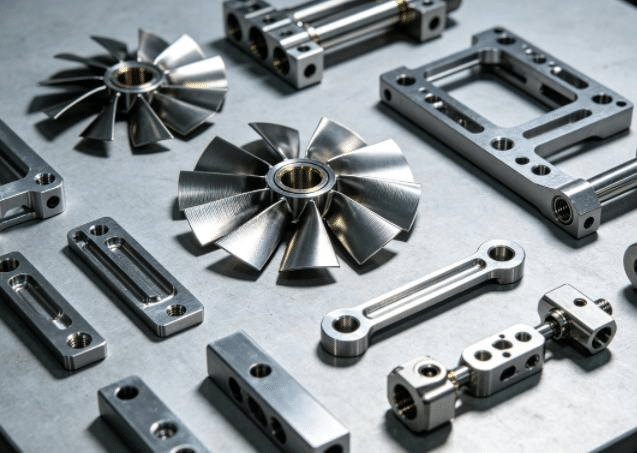
Some examples of custom CNC parts are:
- Precision shafts and gear sets
- Mechanical housings and protective enclosures
- Componentes para dispositivos médicos
- Aerospace structural pieces
- Protótipos automotivos
- Robot system components
- Ferramentas e acessórios personalizados
Key Reasons Behind a Growing Demand for Custom CNC Parts
A few major drivers are pushing demand higher, like ongoing innovation, deeper customization needs, technological progress, shifting market expectations, and more
1. Increasing Product Customization Across Industries
One of the main reasons people keep talking about rising demand for custom CNC parts is the growing need for products that are tailored to a specific goal. Many companies are stepping away from one size fits all solutions and spending more effort on building items that bring clear advantages for performance, efficiency, and the day to day user experience.
A lot of industries actually depend on components that are shaped for their particular equipment or for a specific use case. Off the shelf parts often do not match the exact dimensions, the material behavior, or the functional traits that the system needs. With custom CNC machining, engineers can make components that sit right inside complicated assemblies, while also hitting very tight operational targets.
That capability to fabricate application-specific parts gives businesses more leeway in product development, and it helps them offer stronger options in markets that change quickly.
2. Growing Complexity of Engineering Designs
Modern products and machines are getting more and more sophisticated. Advanced equipment often needs components with intricate geometries, specialized features, and extremely accurate dimensions, which is not always easy to keep.
Traditional manufacturing methods can run into limitations when complex designs show up, especially if several features have to be brought together into one component. CNC machining helps with a lot of these problems, because it relies on computer-controlled steps, so it can form detailed shapes and build precise structures in a consistent way.
Being able to produce complicated parts efficiently makes usinagem CNC personalizada useful for sectors working on advanced machinery, automation systems, electronic devices and precision equipment.
Precision has turned into a key requirement across many industries. Parts used in aerospace systems, medical devices, robotics, and industrial machinery have to work reliably while dimensional variation stays as low as possible.
3. Higher Demand for Precision Manufacturing
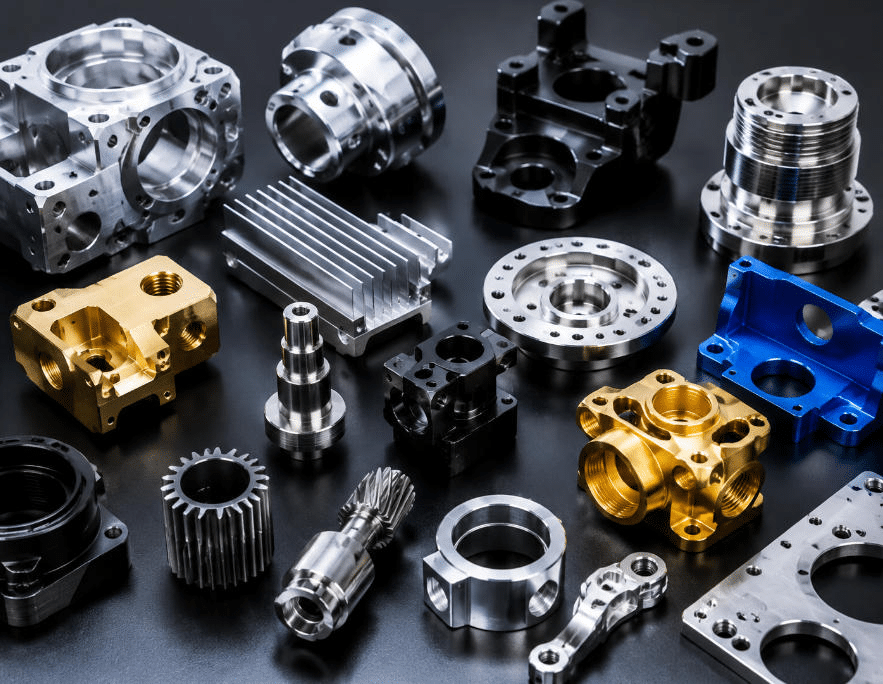
Custom CNC parts give manufacturers pretty good accuracy and repeatability. With advanced CNC machines, they can make components that sit within strict tolerances, so the parts fit correctly and they work in a steady way when everything is operating.
As equipment gets more delicate and more integrated, even small manufacturing flaws can influence how the whole system performs. That need for dependability keeps pushing companies toward usinagem CNC de precisão, more and more.
4. Expansion of Fast Prototyping and Product Innovation
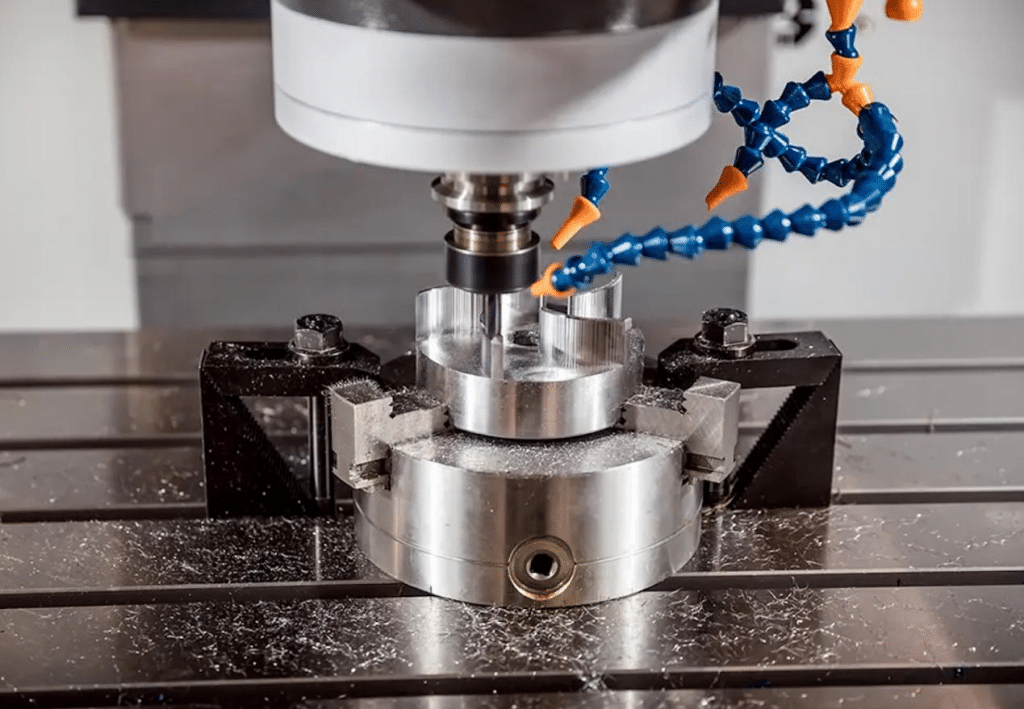
Today companies feel pressure to bring new products to market quicker, while also lowering development costs. Fast prototyping has become a key part of current engineering workflows , and custom CNC machining works as a practical answer for building working prototypes.
Unlike some traditional production paths that depend on long tooling setup, CNC machining lets engineers alter digital designs swiftly, then produce revised runs of components without waiting forever.
This supports faster progress on the product, by letting manufacturers
- Trial designs in actual world conditions
- Catch possible problems early
- Upgrade the product functionality
- Shrink development cycles
The ability to move quickly from idea to the real physical part has really helped a lot with the growth of custom CNC manufacturing.
1. Demand for Specialized Materials
Different uses need materials with particular traits like strong performance, light weight benefits, resistance to corrosion, or thermal stability. With custom CNC machining, manufacturers can work with a broad range of materials, so these needs get met.
Businesses can choose materials based on the real operating environment, not just what is already common and readily available. For instance, in transportation, people often prefer light metals, while for heavy industrial equipment, tougher alloys might be the right choice.
The way material flexibility and precision machining work together lets engineers make components that are tuned for very specific, performance goals. In practice it ends up feeling more iterative, like you can dial in the details rather than just follow a generic blueprint.
2. Growth of Low-Volume and Customized Production
Manufacturing patterns are shifting toward smaller runs, and more specialized products. A lot of companies do not need millions of the same component anymore. Instead they want limited quantities of engineered parts that fit a particular task.
Custom CNC machining fits this approach nicely, because it does not lean on costly molds or permanent dedicated tooling. With that in place, manufacturers can run short batches in a efficient manner while still keeping quality standards and precision steady.
That’s why CNC machining tends to be especially useful for areas like :
- Specialized equipment manufacturing
- Pesquisa e desenvolvimento
- Produção de protótipo
- Replacement part manufacturing
The growing interest in personalized products and more narrow market needs, keeps pushing demand for CNC usinagem peças.
7. Advances in CNC Technology
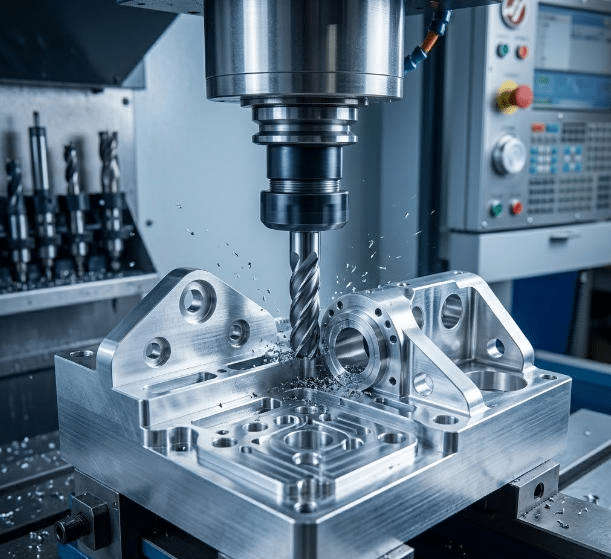
Improvements in CNC equipment keep speeding up custom part output, while also raising accuracy, and in many cases making it more cost-effective. Modern CNC machines come with sophisticated control systems, automation features that run continuously , and upgraded software tools.
With computer-aided design and manufacturing, engineers can build detailed digital models, then translate them straight into machining instructions. As a result production errors can drop, and the whole handoff between designers and machining teams becomes smoother.
More progress like multi-axis machining, automated cutter management, and real-time monitoring has expanded CNC manufacturing capability too. That helps factories make intricate assemblies, even when tolerances are tight.
8. Increasing Adoption of Automation and Smart Manufacturing
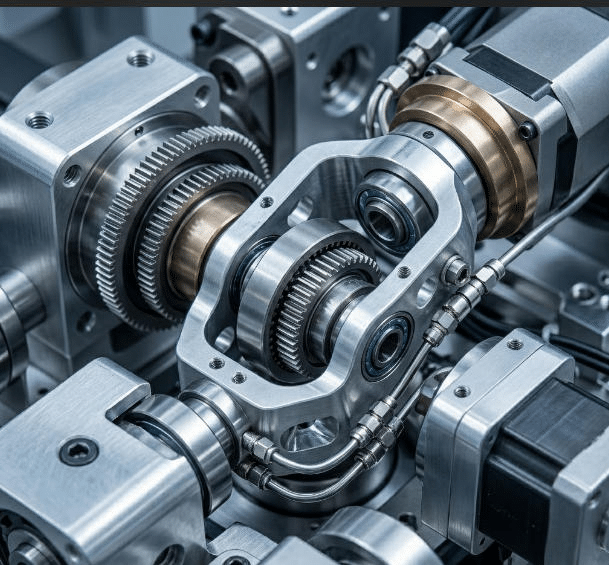
The development of smart factories and automated production systems has opened up new chances for custom CNC parts. In practice, modern automated equipment often ends up needing specially built mechanical components, things you usually cannot just buy as standard products.
Robotic systems, automatic assembly lines, and more intelligent machinery all rely on exact parts, because otherwise accuracy slides and efficiency drops. Custom CNC machining helps these setups, by delivering reliable parts made around specific mechanical needs, so the whole process stays steady.
As more industries keep adopting automation and digital manufacturing solutions, the requirement for tailored precision components is likely to keep increasing, even further than before.
9. Focus on Improving Equipment Performance and Efficiency
Businesses are always looking for ways to get higher operational efficiency, cut down downtime, and extend equipment life. With custom CNC parts, it becomes possible to push the performance of current systems by swapping standard components for designs that are better matched to the real load and movement.
Customized components may help in real work, maybe more than people expect:
- Força mecânica
- Operando eficientemente
- Precisão de montagem
- Resistência ao desgaste
- Desempenho de manutenção
When companies build parts that fit their exact applications, they usually get more solid outcomes than using general alternatives
10. Increasing Requirements for Quality and Reliability
A lot of industries run in pretty demanding environments, where a component breakdown can cause big financial setbacks or actual safety concerns. Because of this, the push toward reliable, high-quality manufacturing has grown.
Custom CNC machining lets manufacturers keep tighter quality control during production. With advanced inspection techniques and careful precision measurement tools, every component is checked to make sure it matches the needed specifications.
Reliable CNC parts often mean longer equipment service life, less frequent upkeep, and steadier overall operations.
Challenges in the the Growing Demands for Custom CNC Parts
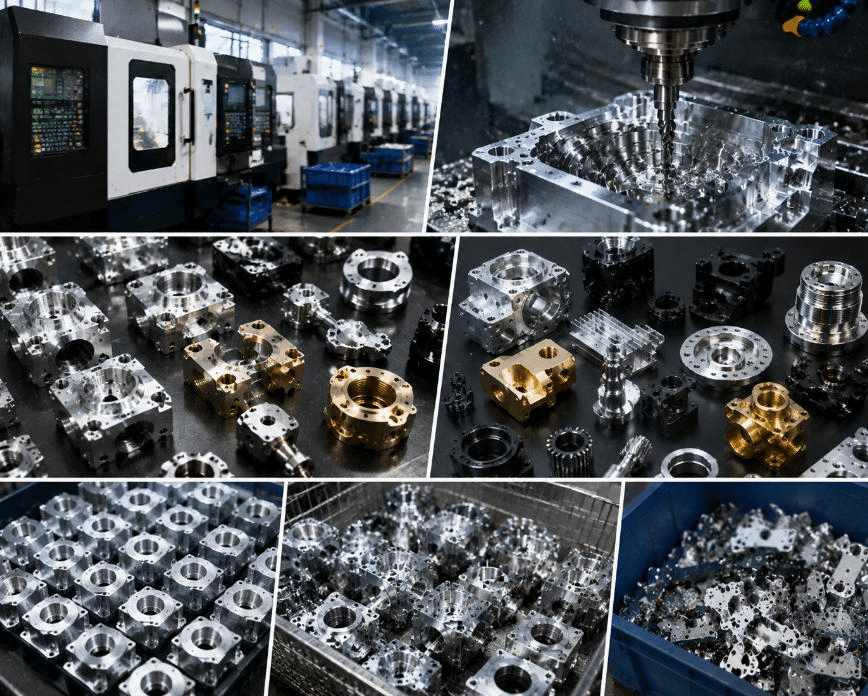
The rapid growth in demand also brings new challenges for custom CNC part manufacturers. Companies must overcome issues related to production costs, technical complexity, skilled labor shortages, quality control, material selection, and evolving customer expectations.
| Desafio | Descrição | Impact on Custom CNC Part Manufacturing | Soluções Potenciais |
| Increasing Design Complexity | Modern products require more complex geometries, tighter tolerances, and customized features. | Makes programming, machining, and quality control more difficult. | Adopt advanced CAD/CAM software, multi-axis CNC machining, and design optimization methods. |
| Aumento dos custos de produção | Custom CNC parts often require specialized programming, tooling, materials, and inspection processes. | Higher manufacturing costs, especially for small-batch production. | Improve process efficiency, optimize designs, and reduce unnecessary machining operations. |
| Shortage of Skilled CNC Professionals | Advanced CNC systems require experienced operators, programmers, and engineers. | Limits production capacity and may increase the risk of machining errors. | Invest in technical training, automation, and intelligent CNC systems. |
| Maintaining High Precision Requirements | Many industries require extremely accurate parts with strict dimensional tolerances. | Small deviations can lead to assembly failures or reduced product performance. | Use advanced inspection equipment, automated measurement systems, and real-time process monitoring. |
| Ciclos de desenvolvimento mais longos | Custom components require design verification, prototyping, testing, and production adjustments. | Can delay product launches and increase development expenses. | Use rapid prototyping, digital simulation, and streamlined engineering workflows. |
| Desafios na seleção de materiais | Different applications require materials with specific mechanical, thermal, or chemical properties. | Improper material choices may affect machining efficiency and final part performance. | Work with material experts and select materials for CNC parts com base nos requisitos da aplicação. |
| Balancing Customization and Production Efficiency | Customers demand unique solutions while manufacturers must maintain competitive production speeds. | Creates challenges in scheduling, resource allocation, and cost management. | Use flexible manufacturing systems and automated production planning tools. |
| Incerteza da cadeia de suprimentos | Availability and pricing of raw materials, cutting tools, and manufacturing resources can fluctuate. | May cause production delays and increased manufacturing expenses. | Develop reliable supplier networks and maintain effective inventory management. |
| Dificuldades no Controle de Qualidade | Every custom CNC part may have different specifications and inspection requirements. | Requires additional testing procedures and increases quality management complexity. | Implement digital quality systems, precision measurement tools, and standardized inspection processes. |
| Mudanças tecnológicas rápidas | CNC machining technologies, software, and manufacturing methods continue to evolve quickly. | Manufacturers must continually upgrade equipment and skills to remain competitive. | Invest in modern CNC equipment, Industry 4.0 solutions, and continuous employee training. |
| Communication Between Design and Manufacturing Teams | Custom parts require accurate transfer of engineering requirements and specifications. | Miscommunication can result in incorrect parts, rework, and wasted resources. | Improve collaboration using 3D models, digital manufacturing platforms, and detailed documentation. |
| Managing Low-Volume Production | Many custom CNC applications involve small quantities rather than mass production. | Higher per-unit costs and reduced production efficiency. | Apply automation, standardized workflows, and optimized machining strategies for small batches. |
| Aumentando as expectativas do cliente | Customers demand faster delivery, better quality, and more customization options. | Creates pressure on manufacturers to improve speed and flexibility. | Enhance production planning, adopt smart manufacturing technologies, and improve customer communication. |
| Environmental and Sustainability Requirements | Industries are increasingly focused on reducing waste and improving resource efficiency. | Requires manufacturers to reconsider machining processes and material usage. | Optimize cutting paths, recycle materials, and implement sustainable manufacturing practices. |
Considerações finais da análise do Fortune Dragon
The growing demand for custom CNC parts is because manufacturing priorities are shifting, and the technological expectations keep going up. Across a lot of industries, companies want pieces that deliver precision plus flexibility, also durability, and application-specific results that actually fit what they need.
When product designs get more tangled and markets feel more competitive, custom manufacturing solutions will still matter a lot. New CNC technology keeps improving, automation is getting deeper, and digital manufacturing keeps expanding, so the value of custom CNC parts will only get stronger. In the end these parts are not optional, they are a key part of modern industrial progress.