Штампованные детали из углеродистой и нержавеющей стали: 9 ключевых отличий
Metal stamping is a widely used manufacturing process for producing precise, high-volume components across many industries like automotive, electronics, appliances, aerospace, etc. A lot of the time, carbon steel and stainless steel get used for штамповочные детали. Both materials do bring distinct benefits, though the differences in strength, corrosion resistance, costs, and processing needs mean they end up fitting different jobs.
Selecting between carbon steel and stainless steel stamping parts needs a clear grasp of their properties and how they perform in real conditions. This article lines up both options so manufacturers can choose the right material for their specific requirements.
Содержание
Overview of Carbon Steel Stamping Parts
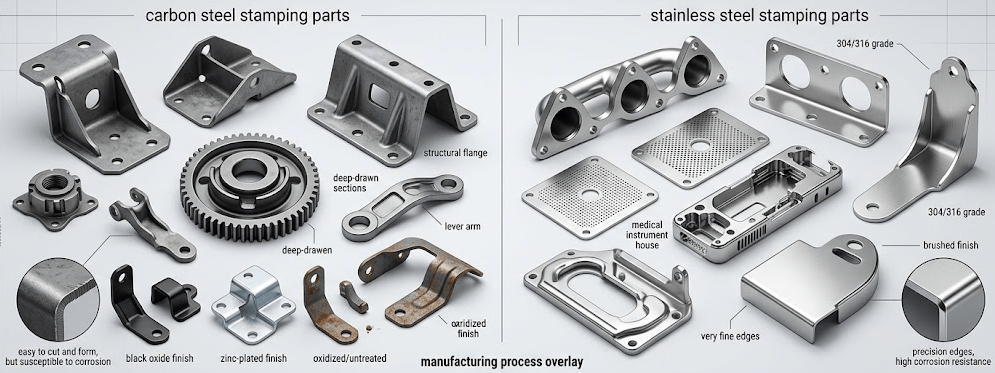
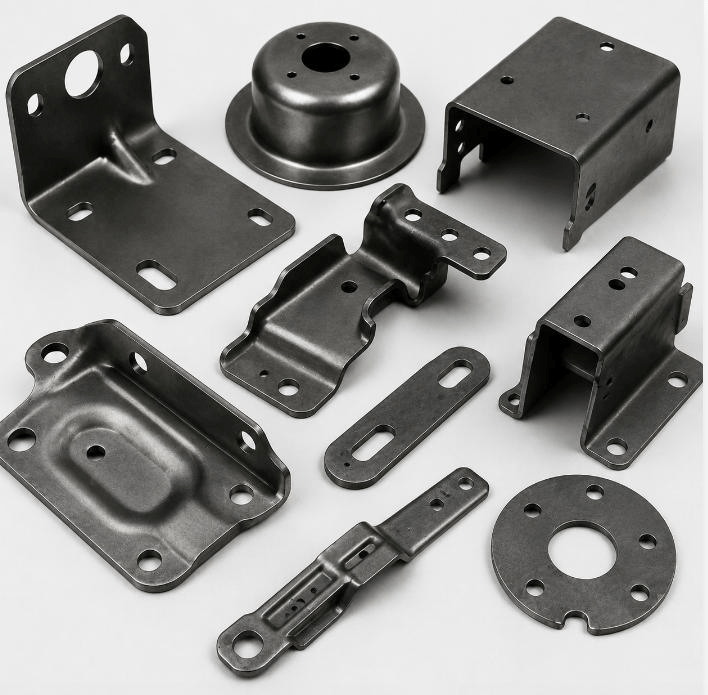
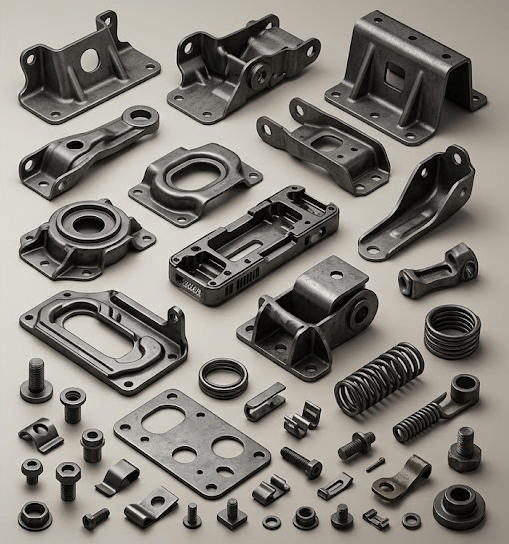
Carbon steel stamping parts are parts made from carbon steel sheets or coils through processes like punching, bending, deep drawing, and progressive stamping. Углеродистая сталь is basically iron with carbon, plus a few other elements that shape its mechanical behavior, in real practice.
Carbon steel is usually split into three main types
- Низкоуглеродистая сталь: has only a little carbon and gives great formability and weldability.
- Среднеуглеродистая сталь: gives more strength and hardness, for tougher or heavy load uses.
- Высокая углеродистая сталь: provides strong hardness and better wear resistance, but it is harder to shape and form.
Because it is affordable and dependable, carbon steel stamping is used a lot for structural components, brackets, fasteners, automotive parts, and industrial machinery components.
Overview of Stainless Steel Stamping Parts
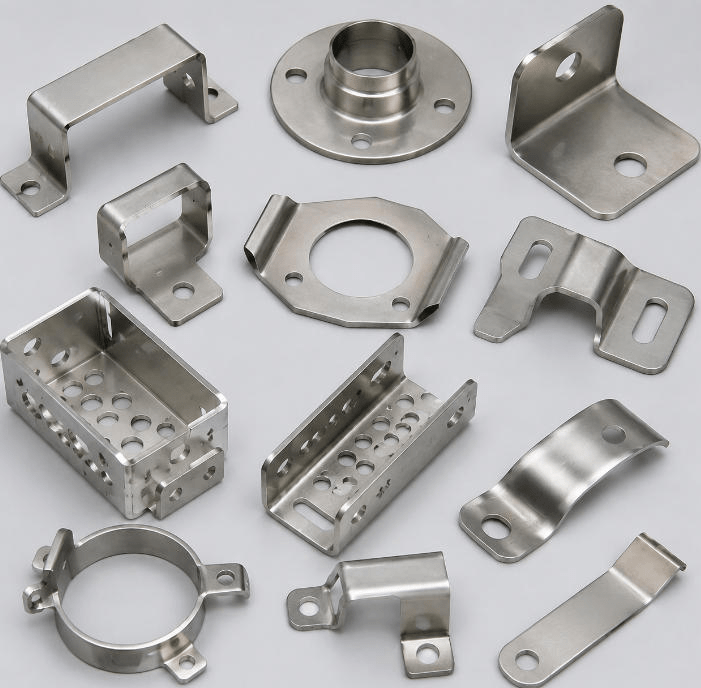
Stainless steel stamping parts are precision parts made from stainless steel sheets, using pressing and forming processes. Stainless steel has chromium in it, and that forms a thin protective oxide layer on the surface and this is what gives it really strong resistance to corrosion.
Общие марки нержавеющей стали used for stamping include:
- нержавеющая сталь 304: It is known for excellent corrosion resistance and general-purpose use.
- нержавеющая сталь 316: It gives extra corrosion resistance, especially in marine or chemical environments.
- Нержавеющая сталь 430: It provides good corrosion resistance at a lower cost, and it also has decent magnetic behavior.
Штампованные детали из нержавеющей стали are often applied in medical equipment, food processing machinery, electronics, automotive assemblies, and outdoor uses.
Key Differences Between Carbon Steel and Stainless Steel Stamping Parts
1. Состав и структура материала
The main difference between carbon steel and stainless steel stamping components is mostly in the chemical composition, and little else.
Carbon steel is mostly iron and carbon, with the carbon level influencing its hardness, strength, and flexibility. When the carbon content is lower, the steel usually becomes easier to press, bend, and shape, so it’s more cooperative during stamping. With more carbon, the hardness and wear resistance increase, but formability often drops. Since carbon steel includes only tiny amounts of corrosion-resistant additives, it tends to oxidize and develop rust more quickly.
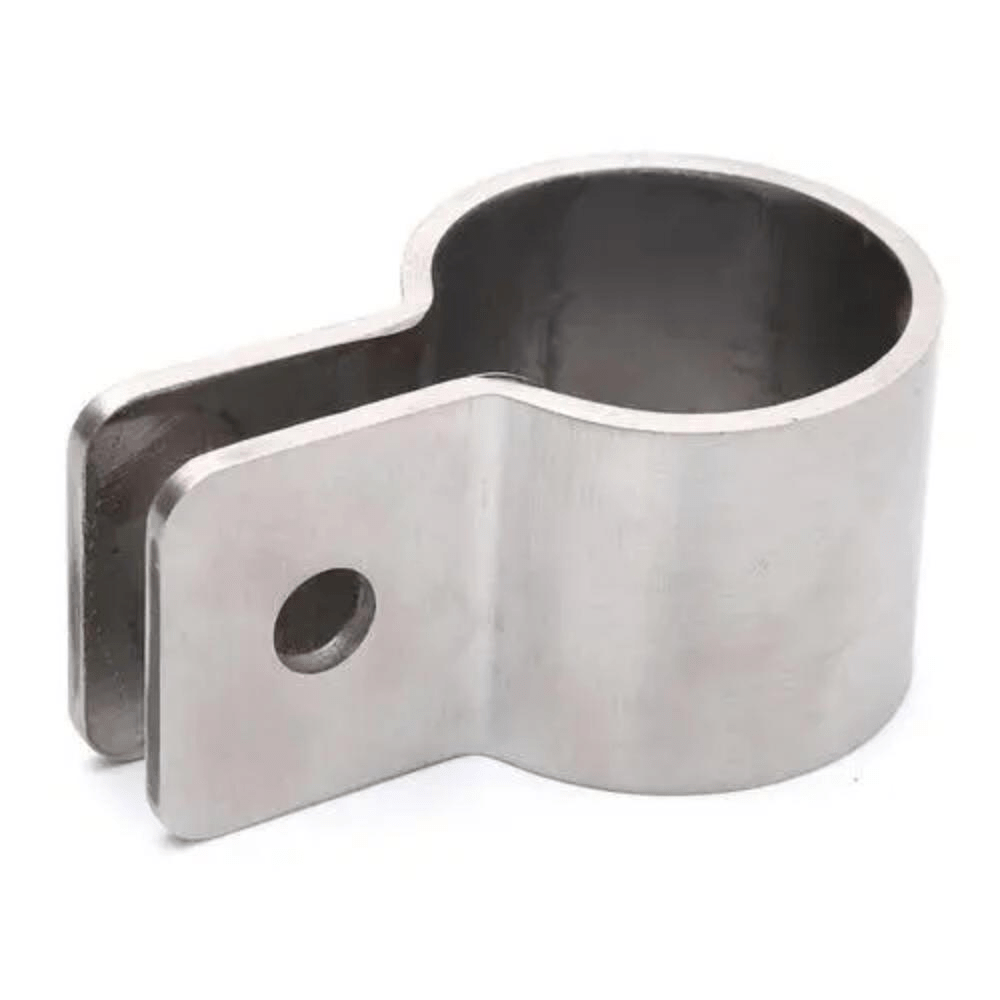
Нержавеющая сталь contains iron, carbon, chromium, and often other alloying elements like nickel, plus molybdenum in some grades. The chromium helps form a thin, protective oxide film on the surface. That barrier blocks corrosive attack, so the stamping part typically keeps up its durability even in demanding conditions. In other words, this kind of surface protection lets stainless steel stamping parts perform more reliably over time.
2. Устойчивость к коррозии
Corrosion resistance is, in practice, one of the most important differences between carbon steel and stainless steel stamping parts, at least most of the time.
Carbon steel has relatively weak innate resistance to moisture, reactive chemicals, and salt environment exposure. When it meets oxygen and humidity, carbon steel can develop rust, and that can change both the visual look and the structural strength. So to boost corrosion resistance, carbon steel stamping parts often end up needing extra measures like galvanizing, surface painting, powder coating, or electroplating.
Stainless steel stamping parts deliver strong corrosion resistance because a chromium-rich passive layer forms on the surface. They tolerate exposure to water, chemicals, and severe surroundings with only minimal maintenance. As a result, stainless steel is especially well matched to marine equipment, food processing machinery, medical instruments, and outdoor use.
3. Прочность и механические характеристики
Both carbon steel and stainless steel bring strong mechanical performance to the table, though their behavior changes a lot based on the specific grade and what you’re using them for, really.
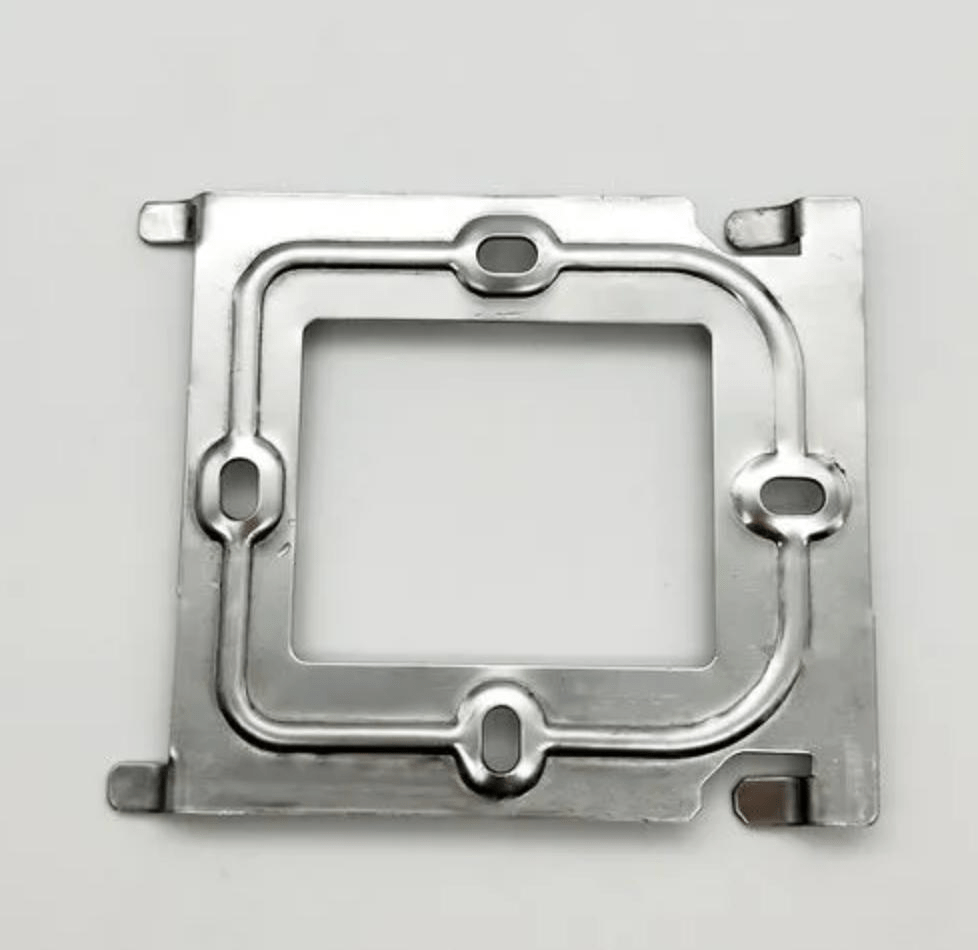
Carbon steel is often appreciated for its high strength and reliable load-bearing ability, it tends to work well where stress is routine. Medium-carbon and high-carbon steels, in particular, bring increased hardness, along with stronger wear resistance, so they fit heavy-duty components plus structural uses.
Stainless steel also holds up mechanically, while offering noticeably better protection against environmental effects. Certain stainless steel grades deliver very good tensile strength, good impact resistance and strong performance at both high-temperature and low-temperature conditions. That blend of strength and service endurance makes stainless steel a practical choice in industries that want long service intervals, and fewer replacements.
For apps aimed mostly at mechanical strength and cost control, carbon steel is frequently selected. For jobs where strength needs to be paired with corrosion resistance and long life, stainless steel is usually the better choice.
4. Formability and Stamping Process
штамповка процесс of carbon steel vs. stainless steel also isn’t the same.
Carbon steel, especially low-carbon steel, tends to show strong formability. It’s quite easy to bend, draw, punch, and then shape into tricky geometries. Because it keeps good ductility, manufacturers can maintain high output efficiency and still lower the cracking risk during the forming steps.
Stainless steel tends to be harder to stamp. It tends to have higher strength, and it work-hardens more readily when it is deformed. Because of that, teams often need specialized dies, greater stamping forces, better lubrication setups, and very tight process control, so they can reach consistent, high-quality results.
Stainless steel stamping may seem to ask for more advanced manufacturing techniques, but it still produces parts with great overall durability and a strong corrosion resistance-that’s the part that matters most in practice.
5. Surface Finish and Appearance
surface finish and the visible appearance of stamped parts also count a lot when picking the right material.
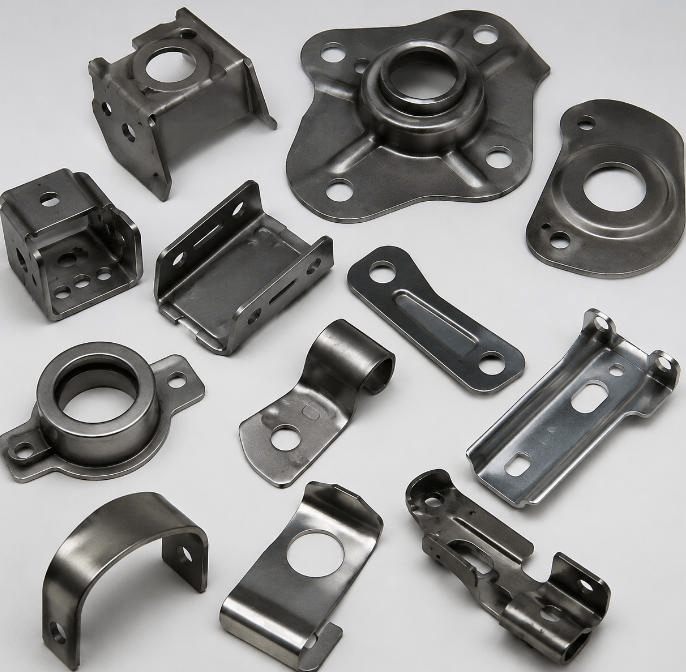
Carbon steel usually shows a straightforward metallic look, yet it often needs further finishing actions to improve aesthetics and safeguard the surface. In many cases people rely on treatments like painting, plating, polishing, or a protective coating. These steps can make the part look better,and they also help it stay in service longer.
Stainless steel, in contrast, keeps a naturally clean, attractive surface finish. It can be shaped into multiple look styles, such as brushed, satin, and mirror finishes. Since stainless steel carries a premium visual effect and it also supports hygienic requirements, it is frequently chosen for consumer goods, medical equipment, kitchen appliances, and architectural applications.
6. Cost Comparison
Cost is a major consideration when selecting materials for stamped components.
| Фактор стоимости | Штампованные детали из углеродистой стали | Штампованные детали из нержавеющей стали |
| Стоимость материала | Низкая | Высокая |
| Стоимость обработки | Низкая | Высокая |
| Стоимость инструмента | Низкая | Высокая |
| Стоимость производства | Более экономичный | Более дорогой |
| Обработка поверхности | Часто требуется | Обычно не требуется |
| Стоимость технического обслуживания | Высокая | Низкая |
| Срок службы | Короче в суровых условиях | дольше |
| Начальные инвестиции | Низкая | Высокая |
| Долгосрочная ценность | Good for low-cost projects | Better for durability-focused projects |
| Лучший выбор | Приложения, чувствительные к стоимости | Высокопроизводительные приложения |
When evaluating material costs, manufacturers should consider both the initial investment and the total cost throughout the product lifecycle.
7. Области применения
Carbon steel stamping parts are used a lot in industries where strength, affordability, and manufacturing efficiency are usually the big priorities , and people tend to move faster with them. You will see them in automotive brackets, machine components, construction parts, electrical cabinets, fasteners and industrial supports.
Stainless steel stamping parts are chosen when corrosion resistance, hygiene, and long-term durability really matter. They show up in medical equipment, food processing systems, marine components, chemical machinery, aerospace parts, and outdoor products.
Whether you go with carbon steel or stainless steel often comes down to the working environment and the performance expectation for choosing штампованные металлические детали на заказ.

8. Техническое обслуживание и срок службы
Maintenance needs are another important gap between these two materials.
Carbon steel stamping parts, may need routine inspection and protective upkeep too, especially when they are installed in humid spaces or in corrosive surroundings. If the coating gets harmed, it can open up the steel face and then push rust growth along faster.
Stainless steel stamping parts usually need less ongoing care, because of their natural anti-corrosion nature. When they keep their structural integrity and visual finish over long stretches, they become a better fit for work where dependability matters and downtime needs to be reduced.
9. Экологические соображения
Both carbon steel and stainless steel can be recycled again, so they count as practical options for greener manufacturing.
Carbon steel has a mature recycling pathway and is frequently put back into use in industrial contexts. It also tends to have a lower production cost which makes it appealing for high-volume, large-scale manufacturing.
Stainless steel has excellent recyclability, and it still keeps its material characteristics, even after repeated recycling. Its long life span, and low upkeep needs can help lower resource usage in the long run.
Сводная сравнительная таблица
| Коэффициент сравнения | Штампованные детали из углеродистой стали | Штампованные детали из нержавеющей стали |
| Состав материала | Mainly composed of iron and carbon, with carbon content determining strength and hardness | Contains iron, chromium, carbon, and other alloying elements such as nickel and molybdenum |
| Коррозионная стойкость | Lower corrosion resistance; can rust when exposed to moisture, oxygen, or chemicals | Excellent corrosion resistance due to the protective chromium oxide layer on the surface |
| Силовые показатели | Provides high strength and load-bearing capacity, especially medium and high-carbon grades | Offers strong mechanical performance with improved durability in harsh environments |
| Формуемость | Generally easier to form, bend, punch, and stamp, especially low-carbon steel | More difficult to form due to higher strength and work-hardening characteristics |
| Требования к процессу штамповки | Requires standard stamping equipment and relatively simple processing methods | May require stronger dies, higher stamping forces, specialized lubricants, and precise process control |
| Износ оснастки | Causes less tooling wear due to lower hardness in many grades | Can increase tooling wear because of higher hardness and work hardening |
| Чистота поверхности | Usually requires additional treatments such as painting, plating, or powder coating | Naturally provides a clean metallic appearance and can achieve polished, brushed, or satin finishes |
| Требования к обслуживанию | Requires more maintenance, especially in humid or corrosive environments | Requires less maintenance due to excellent corrosion resistance |
| Стоимость | Lower material cost and more economical for large-volume production | Higher material cost due to alloying elements such as chromium and nickel |
| Срок службы | Good service life when properly coated and maintained | Longer service life, especially in demanding environments |
| Температурное сопротивление | Suitable for normal industrial temperature ranges | Better performance under high and low temperature conditions |
| Гигиенические показатели | May require protective coatings for hygienic applications | Excellent for hygienic environments due to smooth, non-porous surfaces |
| Лучший выбор для | Applications requiring high strength, low cost, and efficient manufacturing | Applications requiring corrosion resistance, durability, appearance, and long-term reliability |
How to Choose Between Carbon Steel and Stainless Steel Stamping Parts
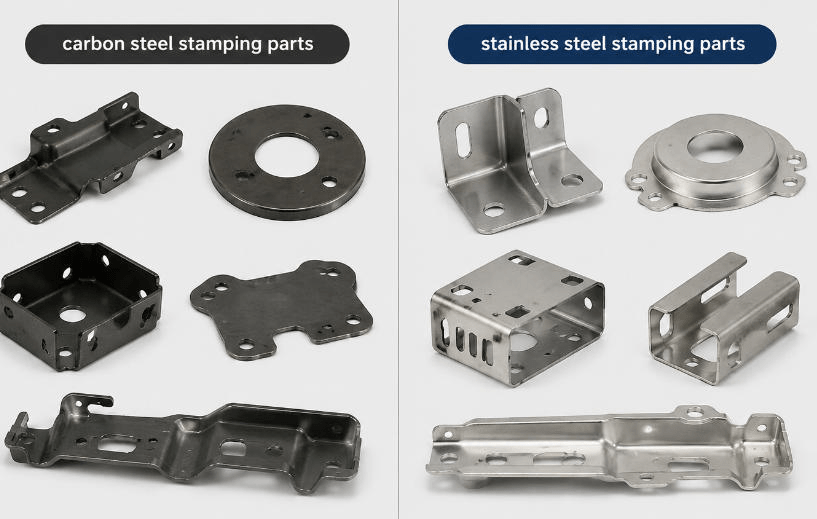
The selection between carbon steel and stainless steel stamping parts should be based on the specific requirements of the application.
- Углеродистая сталь штамповка часть - это подходящее choice when the project requires high strength, cost efficiency, and easy processing in a controlled environment. It is ideal for applications where corrosion protection can be achieved through coatings or surface treatments.
- Нержавеющая сталь это better choice when components must withstand moisture, chemicals, extreme temperatures, or strict hygiene requirements. Although it has a higher upfront cost, its durability and corrosion resistance can provide большие долгосрочные выгоды.
Manufacturers should check operating conditions, required service duration, production volume, mechanical performance, and the available budget before choosing the most suitable material.
Заключение
Carbon steel and stainless steel stamping parts each bring different benefits for modern manufacturing. Knowing the main differences between these two materials lets manufacturers make better decisions when designing and producing stamped components. When you select the right material for the performance requirements and application environment, manufacturers can reach better product quality, reliable operation and improved cost efficiency.