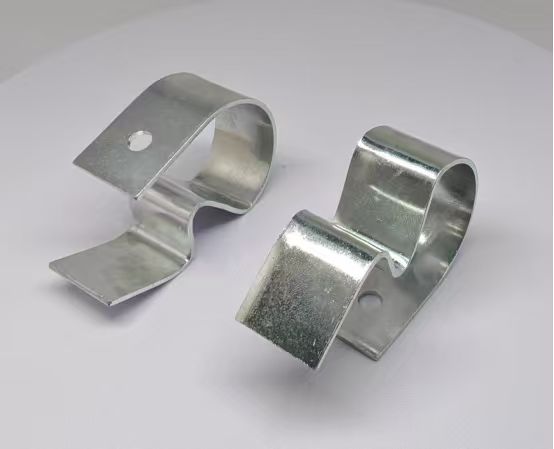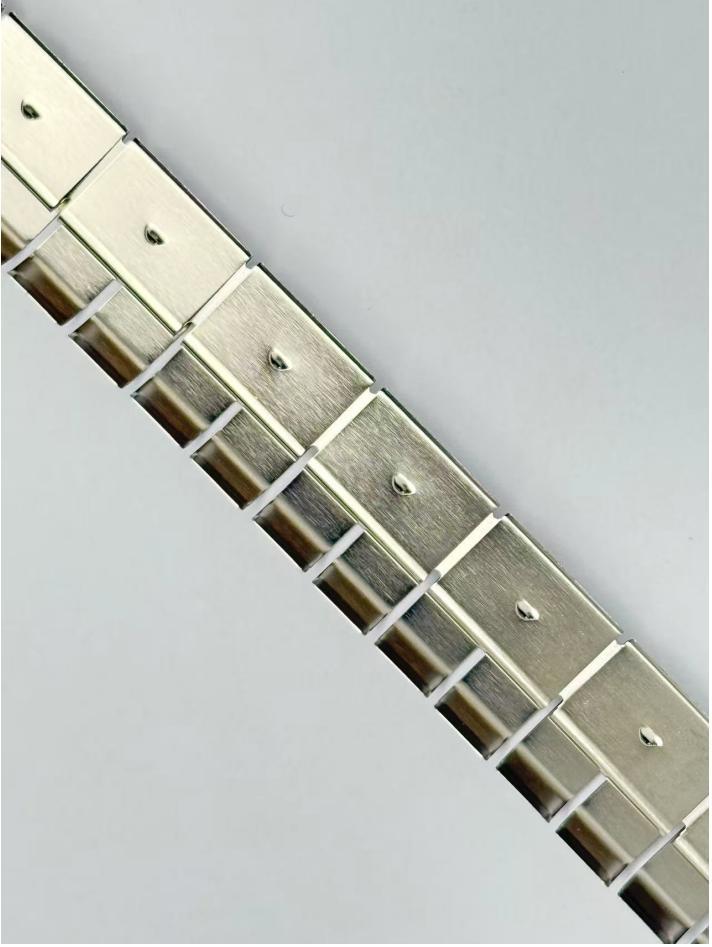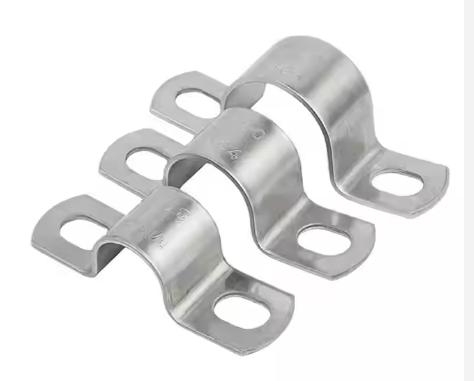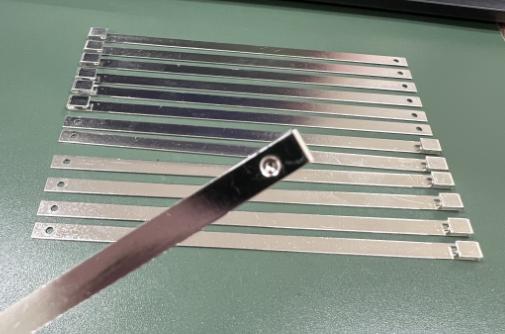
Интеграция штамповки и сварки для изготовления сложных металлических деталей.
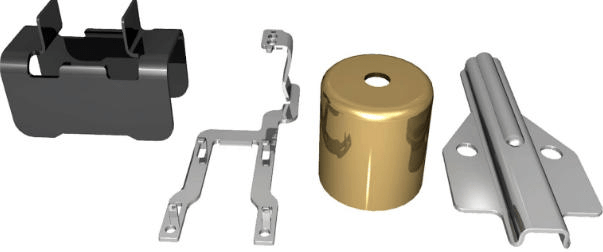
Разработка передовых конструкций требует от производителей создания сложных металлических деталей, которые должны соответствовать трем конкретным критериям: исключительной прочности, точным размерам и экономичности производства. Одного процесса формовки часто недостаточно для достижения этих целей. В обрабатывающей промышленности разработана интеграция штамповки и сварки как важный метод создания сложных узлов, объединяющих множество штампованных деталей в единое целое.
Содержание
Понимание интеграции штамповки и сварки
Штамповка металла преобразует плоский листовой металл в заданные формы с помощью штампов и прессов, в то время как сварка соединяет две или более металлических деталей в единый каркас. Интеграция этих двух операций позволяет производителям создать комплексную производственную систему, которая производит штампованные компоненты посредством последующих этапов сварки. Многочисленные конфигурации этой интегрированной системы включают сварку внутри штампа и роботизированные сварочные ячейки, которые подключаются к линиям штамповки, а также полностью автоматизированные производственные системы, которые работают в обоих процессах как непрерывный рабочий процесс.
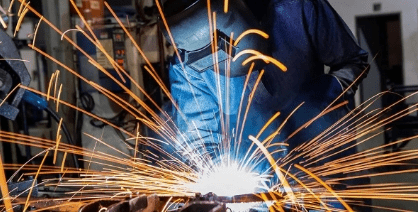
Почему необходимо сочетать штамповку и сварку для изготовления сложных металлических деталей?
- Увеличение сложности металлических компонентов
Современные изделия, особенно в таких отраслях, как автомобилестроение, электроника и промышленное оборудование, требуют компонентов сложной формы, выполняющих множество функций. Несмотря на все достижения в области формовки, некоторые сложные конфигурации остаются нереализованными из-за ограничений, связанных с материалами или оснасткой. Интеграция сварки с автоматизированной формовкой позволяет конструкторам объединять две или более штампованных деталей в единое целое. Это позволяет инженерам проектировать сложные и высокотехнологичные детали без ущерба для технологичности производства. Это привело к разработке продукции в рамках парадигмы инноваций.
- Требования к повышенной прочности и надежности конструкции
Сложные узлы часто требуют прочных и долговечных соединений для обеспечения работоспособности при механических нагрузках, вибрации и воздействии окружающей среды. Сварка обеспечивает надежный метод соединения штампованных компонентов, создавая соединения, прочность которых может соответствовать или превосходить прочность основного материала. При непосредственном включении сварки в производственный процесс значительно повышается стабильность этих соединений. Это приводит к повышению надежности продукции и снижению риска отказов, что особенно важно в критически важных с точки зрения безопасности областях применения.
- Необходимость повышения эффективности производства
Когда сварочные и штамповочные операции выполняются раздельно, возникает дополнительный уровень обработки, а также необходимость в транспортировке и выравнивании между этапами. Фактически, это приводит к множеству неэффективностей на этапе подготовки к производству, увеличению времени цикла и часто к неточностям и отклонениям от процесса. Рассмотрите возможность использования инверторов, чтобы получать подходящую форму как для формовки, так и для соединения одновременно с помощью однолинейного литья по потоку. Таким образом, преимущество заключается в сокращении сроков выполнения производственных заказов, высокой производительности и оптимальном использовании оборудования и рабочей силы.
- Сокращение затрат и оптимизация ресурсов
К факторам, влияющим на снижение затрат на повышение производительности, относятся трудозатраты, размер заказа и технологический процесс. Интеграция штамповки и сварки приводит к уменьшению ручного труда и повышает коэффициент использования материалов на 60% за счет эффективного проектирования деталей и узлов. Поскольку меньшее количество технологических этапов приводит к снижению энергопотребления и других текущих накладных расходов, со временем это может принести существенную экономическую выгоду, особенно при серийном производстве.
- Повышенная точность и контроль качества
Соблюдение жестких допусков становится обязательным, когда очень сложные металлические детали должны точно стыковаться друг с другом для идеальной подгонки. Интеграция сварки с точным позиционированием привела к уменьшению смещений и отклонений размеров. Качество конечного продукта дополнительно обеспечивается технологиями автоматизации с улучшенным контролем в режиме реального времени на протяжении всего процесса сварки. Все это привело к уменьшению количества дефектов, сокращению послепродажного обслуживания и улучшению показателей конечного продукта.
- Гибкость в проектировании и производстве.
Интеграция штамповки и сварки обеспечивает большую гибкость как в проектировании изделий, так и в планировании производства. Производители могут легко адаптироваться к различным конфигурациям компонентов, корректируя схемы сварки или модифицируя штамповочные инструменты. Эта гибкость особенно ценна в отраслях с быстро меняющимся дизайном продукции или индивидуальными требованиями к производству, позволяя компаниям оперативно реагировать на рыночные запросы.
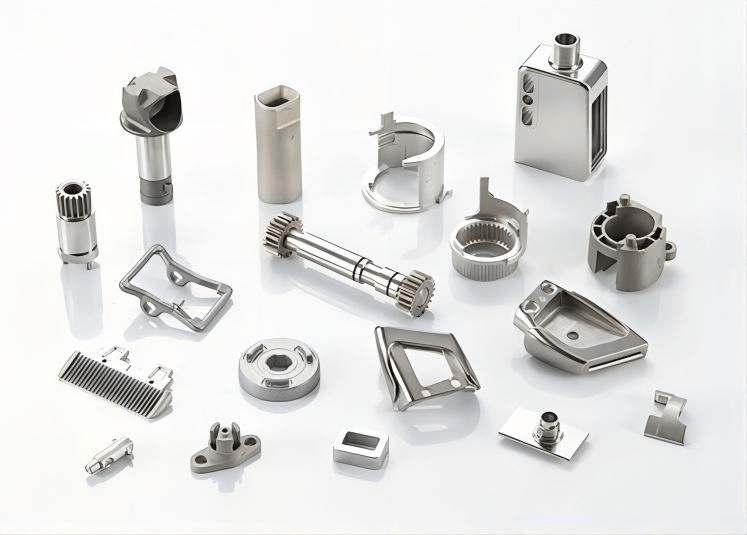
Ключевые подходы к интеграции штамповки и сварки
Интеграция штамповки и сварки стала стратегическим подходом к достижению превосходного качества продукции, структурной целостности и эффективности производства.
1. Внутриштамповая сварка для бесшовного производства
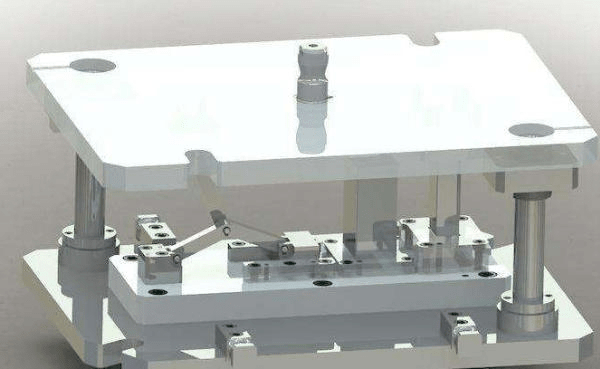
Этот подход предполагает внутриштамповую сварку — один из самых передовых методов интеграции в штамповочные формы. Детали помещаются в штамповочные формы, часто оставленные пустыми, которые проходят через них во время цикла штамповки, а затем свариваются в определенных точках к моменту извлечения детали из пресса. Использование этого эффективного метода значительно сокращает объем работ по обработке деталей и исключает необходимость в дополнительных операциях выравнивания.
Сварка внутри штампа найдет применение в крупносерийном производстве, где вышеупомянутые уровни точности и скорости имеют первостепенное значение. Поскольку два компонента свариваются на месте, еще находясь в штампе, точность сварки очень высока; однако необходимо также тщательно контролировать риск ошибки синхронизации или подгонки компонентов. С другой стороны, сложность штампа и его обслуживание влекут за собой определенные инженерные и финансовые затраты.
2. Интеграция роботизированной сварки с линиями штамповки.
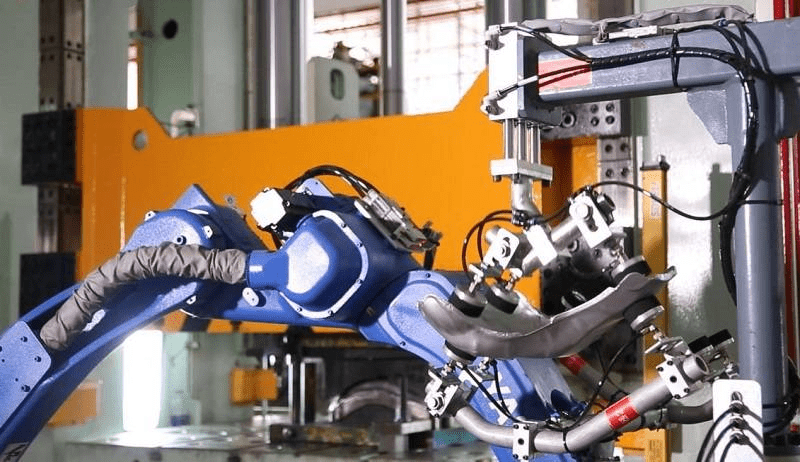
Еще одна распространенная технология — интеграция всей роботизированной сварочной системы с линиями штамповки. После штамповки детали передаются на роботизированные сварочные станции, где подвергаются высокоточным запрограммированным сварочным операциям. Эта схема обеспечивает гибкость, которую не всегда может обеспечить сварка непосредственно в штампе. Роботизированные системы хорошо справляются со сложной геометрией, множеством точек сварки и различными вариантами продукции с минимальной перенастройкой.
3. Системы конвейерной передачи с промежуточной сваркой.
Интегрированная конвейерная линия обрабатывает сварочные станции между каждым последовательным процессом штамповки. Детали перемещаются с одной станции на другую, участвуя в процессах литья и соединения, которые поэтапно выполняются с помощью сварки в определенных местах. Производители могут собирать узлы по частям контролируемым образом для довольно сложных изделий; этот процесс является большим преимуществом для крупных или сложных компонентов со слишком большим количеством деталей. Синхронизация работы между механизмами конвейерной обработки и сварочными работами должна поддерживаться на должном уровне, иначе производительность будет нарушена или использование ресурсов будет заблокировано.
4. Последовательная штамповка в сочетании с вторичной сваркой
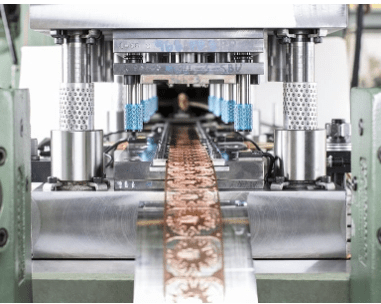
В некоторых случаях производители используют гибридный подход к сварке, при котором применяется прогрессивная штамповка для создания множества сложных элементов деталей, а затем следует операция сварки, которая выполняется либо в одной линии с ячейками, либо в соседних ячейках, что позволяет производить корректировку. Этот гибридный подход обеспечивает баланс между эффективностью и адаптивностью; высокоскоростные процессы формования могут быть дополнены технологиями точной сварки. Вторичная сварка может быть адаптирована к специфическим требованиям продукта без усложнения работы штамповочного штампа. Поэтому для среднесерийного производства это более удобное решение, обеспечивающее наилучшие результаты в случаях, когда требуется специальная сварка — для сварочных решений, которые трудно интегрировать в процесс штамповки.
5. Интеграция лазерной сварки
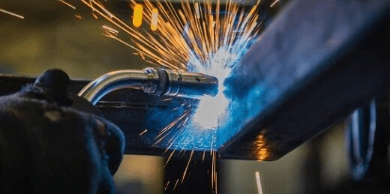
Лазерная сварка стала все более важным методом интеграции благодаря своей точности и низкому тепловому воздействию. В сочетании со штамповкой лазерная сварка позволяет соединять тонкие материалы и сложные геометрические формы с минимальными деформациями. Этот подход особенно выгоден для отраслей, требующих жестких допусков и высоких эстетических стандартов, таких как автомобилестроение и электроника. Возможность автоматизации лазерных систем еще больше повышает их совместимость с современными линиями штамповки, поддерживая высокоскоростные и высокоточные производственные процессы.
6. Гибридные системы автоматизации и интеллектуальная интеграция
Необходимо провести больше сравнительных испытаний, направленных на максимизацию эффективности этих систем в вышеупомянутых областях, и в настоящее время началось больше исследований, посвященных изучению фактической мощности индуктивности, применяемой для создания довольно специфических импульсов.
После интеграции этих технологий ряд конфигураций систем управления позволяет динамически изменять параметры процесса. Это не только помогает выявлять дефекты на ранних стадиях, что позволяет сэкономить на услугах и доработках, но и значительно повышает общую эффективность оборудования. В зависимости от используемого программного обеспечения и платформ, методы штамповки и сварки претерпевают революционные изменения, становясь более эффективными и ориентированными на потребности рынка.
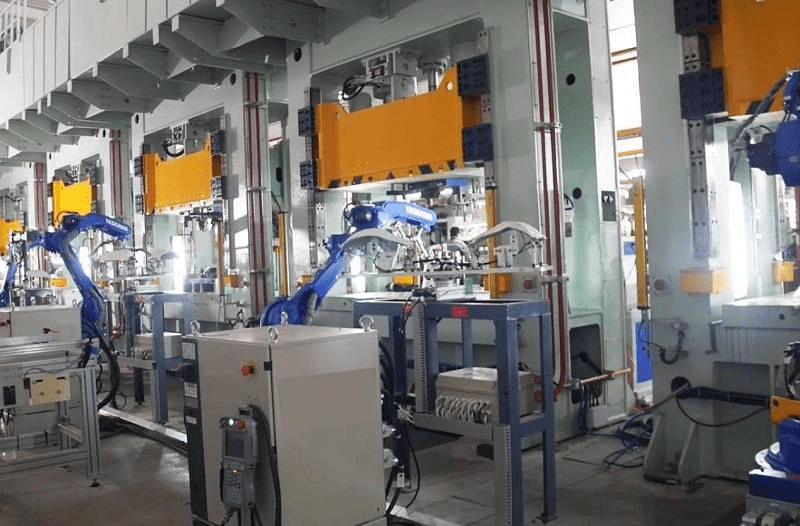
Промышленные применения интеграции штамповки и сварки
| Промышленность | Типичные применения | функции | Ключевые преимущества |
| Автомобильная | Конструкция кузова, компоненты шасси, кронштейны, усилители. | Соединяет несколько штампованных панелей в жесткие узлы с помощью точных сварных швов. | Повышенная прочность конструкции, снижение веса, высокая эффективность производства. |
| Аэрокосмическая индустрия | Конструкционные рамы, кронштейны, облегченные узлы | Соединяет детали, изготовленные методом высокоточной штамповки, с помощью высокопрочных сварных швов для создания ответственных компонентов. | Высокое соотношение прочности к весу, надежность в экстремальных условиях. |
| Электроника и электротехника | Корпуса, разъемы, экранирующие оболочки | Сочетает в себе высокоточную штамповку и микросварку для создания компактных узлов. | Высокая точность, миниатюризация, стабильные электрические характеристики |
| Бытовая техника | Барабаны стиральных машин, панели холодильников, рамы | Обеспечивает эффективную сборку тонких металлических деталей в прочные конструкции. | Экономически эффективное массовое производство, повышенная долговечность. |
| Промышленное оборудование | Корпуса машин, опорные рамы, кронштейны | Объединяет штампованные детали большой прочности в надежные сварные системы. | Повышенная несущая способность, длительный срок службы. |
| Строительство и Здание | Металлические рамы, соединители, опорные кронштейны | Производит прочные конструкционные соединения из штампованных компонентов. | Высокая прочность, масштабируемость для крупных конструкций. |
| Медицинские приборы | Детали хирургических инструментов, корпуса устройств. | Сочетает в себе высокоточную штамповку с чистыми, контролируемыми процессами сварки. | Высокая точность, соответствие строгим гигиеническим стандартам. |
| Энергия и Мощность | Корпуса для батарей, электрические шкафы, опорные конструкции | Соединяет штампованные детали для обеспечения надежной и стабильной работы компонентов энергетической системы. | Безопасность, долговечность, устойчивость к воздействию окружающей среды. |
| рельс и Транспорт | Компоненты железнодорожных вагонов, каркасы сидений, несущие панели. | Объединяет крупные штампованные детали в сварные узлы. | Прочность конструкции, виброустойчивость |
| Потребительские товары | Металлическая мебель, инструменты, комплектующие. | Обеспечивает эффективное производство сложных деталей с эстетичной отделкой. | Гибкость проектирования, снижение затрат, стабильное качество |
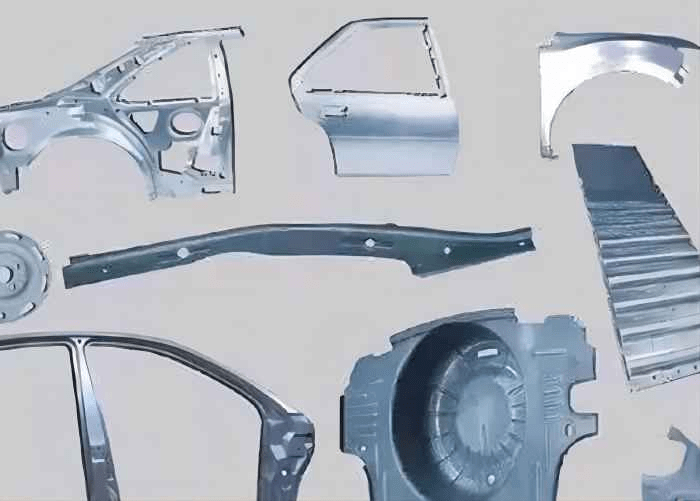
Проблемы и решения при интеграции штамповки и сварки для изготовления сложных металлических деталей.
| Вызов | Описание | Решение | Преимущества |
| Термическое искажение | Тепло, выделяемое во время сварки, может деформировать тонкие или сложные штампованные детали, влияя на точность размеров. | Оптимизируйте параметры сварки, используйте низкотемпературные методы, такие как лазерная сварка, и применяйте надлежащие методы крепления и охлаждения. | Обеспечивает сохранение геометрии детали и стабильности размеров. |
| Ошибки выравнивания и позиционирования | Несоосность штампованных компонентов может привести к ослаблению соединений или дефектам сборки. | Внедрить прецизионный инструмент, автоматизированные системы позиционирования и роботизированную обработку материалов. | Обеспечивает точное расположение сварных швов и стабильное качество. |
| Проблемы совместимости материалов | Различные металлы или материалы с покрытием могут плохо взаимодействовать друг с другом во время сварки, вызывая дефекты или слабые соединения. | Выберите подходящие методы сварки и скорректируйте параметры в зависимости от свойств материала; используйте совместимые покрытия. | Улучшает целостность сварного шва и снижает количество дефектов. |
| Синхронизация процессов | Согласование скорости штамповки со сварочными работами может быть сложной задачей, что приводит к возникновению узких мест. | Используйте интегрированные системы управления и мониторинг в реальном времени для синхронизации процессов. | Повышает эффективность и производительность производства |
| Сложность оснастки | Интеграция сварки в штамповочные формы увеличивает сложность конструкции и обслуживания. | Внедрить модульные конструкции оснастки и провести оптимизацию на основе моделирования. | Упрощает техническое обслуживание и повышает гибкость системы. |
| Загрязнение поверхности | Масла, оксиды или остатки от штамповки могут влиять на качество сварного шва. | Перед сваркой следует внедрить процессы очистки, такие как обезжиривание или плазменная обработка. | Обеспечивает прочные и бездефектные сварные швы. |
| Стоимость инвестиций в оборудование | Высокая первоначальная стоимость интегрированных систем, включающих робототехнику и современное сварочное оборудование. | Проведите анализ затрат и выгод и внедрите масштабируемые решения по автоматизации. | Обеспечивает долгосрочную экономию затрат и окупаемость инвестиций. |
| Проблемы контроля качества | Выявление дефектов в интегрированных высокоскоростных процессах может быть сложной задачей. | Используйте системы контроля в потоке, датчики и методы неразрушающего контроля (НК). | Улучшает обнаружение дефектов и сокращает объем доработок. |
| Износ и техническое обслуживание оборудования | Непрерывная работа может привести к износу матриц, электродов и сварочных компонентов. | Внедрить плановое техническое обслуживание и графики регулярных проверок. | Продлевает срок службы оборудования и сокращает время простоя. |
| Ограничения дизайна | Некоторые сложные геометрические формы могут представлять трудности для эффективной штамповки и сварки. | Используйте инструменты моделирования и перепроектируйте компоненты с учетом технологичности производства (DFM). | Повышает практическую осуществимость и оптимизирует проектирование производства. |
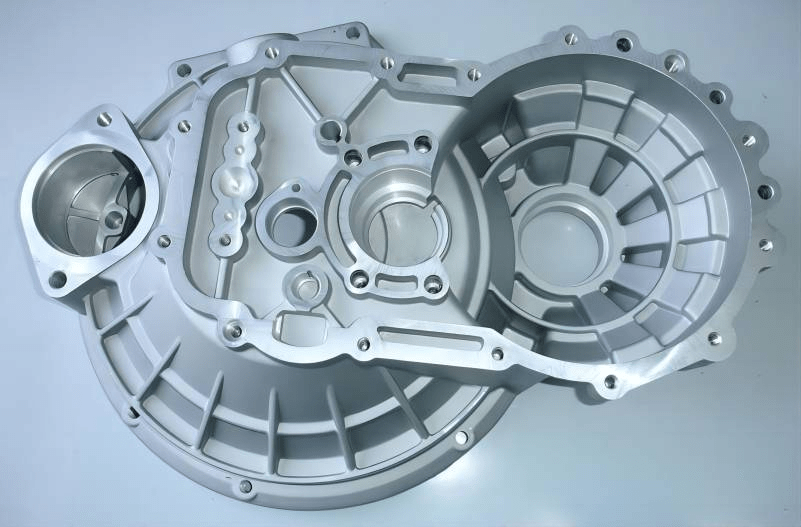
Новые технологии интеграции штамповки и сварки для изготовления сложных металлических деталей
Производственные отрасли движутся в сторону повышения точности, эффективности и автоматизации; поэтому одновременная интеграция штамповки и сварки в таком контексте порождает стремительную технологическую революцию. Тем не менее, традиционные методы развиваются, поскольку теперь они сочетаются со сложными инструментами и интеллектуальными системами, позволяющими производителям изготавливать сложные штампованные металлические детали на заказ с превосходным качеством и сниженными производственными затратами. Новые технологии не только оптимизируют существующие процессы, но и переосмысливают способы интеграции штамповки и сварки в современных производственных условиях.
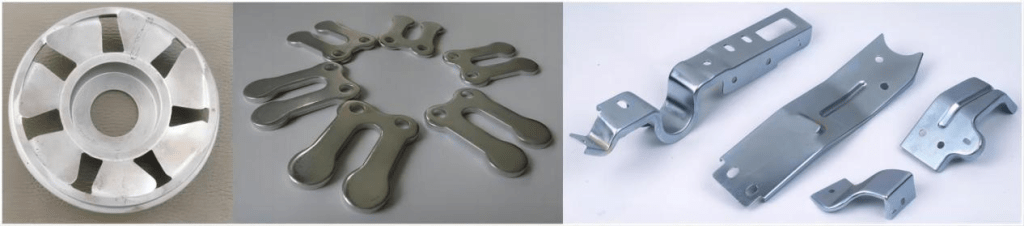
1. Передовые технологии лазерной сварки
Лазерная сварка стала одним из наиболее значимых нововведений в интеграции штамповки и сварки. Ее способность обеспечивать высокую концентрацию энергии позволяет выполнять точную сварку с минимальным количеством зон термического воздействия. Последние достижения отмечают улучшение скорости сварки и качества соединений, которые могут быть достигнуты с помощью волоконно-лазерных систем, а также технологий формирования луча. Эти системы рассматриваются как перспективные для интеграции с линиями штамповки, позволяющие производить большие объемы продукции с высокой производительностью, сохраняя при этом высочайшую точность.
2. Интеллектуальная робототехника и автоматизация
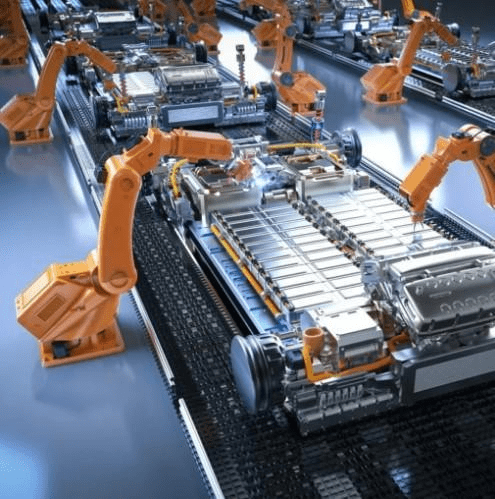
Интеграция интеллектуальных роботизированных систем революционизирует способы координации процессов штамповки и сварки . Появление более совершенных роботизированных систем свидетельствует о том, что они объединяются с самыми современными датчиками, системами машинного зрения и адаптивными структурами управления, что значительно повышает их способность выполнять высокоточную сварку. В ближайшем будущем наблюдается рост числа коллаборативных роботов, или коботов, которые работают в гибкой производственной среде, заменяя операторов-людей. Эти системы быстро взаимодействуют с различными конструкциями изделий, что делает их незаменимыми в отраслях с высокой степенью изменчивости и потребностью в индивидуальной настройке.
3. Технологии цифровых двойников и моделирования
Революция в автоматизации автомобильной промышленности сейчас заключается во внедрении множества сложных технологий, разработанных для автоматизированных процессов сборки. В настоящее время набор интегрированного программного обеспечения помогает создавать производственные модели для оптимизации производства. Технология цифровых двойников, разработанная на основе интеграции штамповки и сварки, развилась до создания виртуальных копий физической производственной системы. Эти цифровые двойники могут использоваться для представления материалов, инструментов и процессов с учетом динамики.
В этом отношении для каждого комплекта могут быть смоделированы значения напряжений или физиографических нагрузок. Используя современные инструменты моделирования, производители могут прогнозировать потенциальные проблемы, связанные с деформацией, несоосностью или дефектами сварки, еще до начала производства. Следовательно, значительно сокращается необходимость в дорогостоящих методах проб и ошибок, и обеспечивается разработка полностью спроектированных и оптимизированных производственных решений для внедрения в экономику.
4. Аддитивное производство в области оснастки и приспособлений.
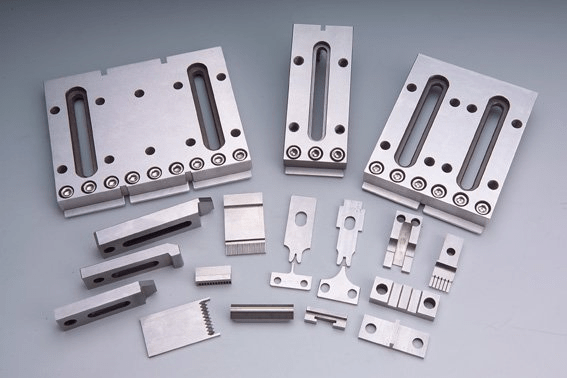
В связи с расширением промышленного применения аддитивного производства или 3D-печати, возникает необходимость в изготовлении специализированной оснастки и приспособлений для систем штамповки и сварки. Их геометрия также вносит множество сложностей, поскольку производителю приходится преодолевать препятствия, в основном связанные с соответствием геометрии. Облегченные приспособления, при условии их оптимизации, значительно повышают эффективность с точки зрения стабильности и точности сварки. Кроме того, возможность быстрого прототипирования позволяет использовать преимущества более совершенных вариантов конструкции за счет сокращения сроков выполнения заказов.
5. Передовые материалы и технологии соединения
Разработка новых материалов, таких как сверхвысокопрочные стали и легкие сплавы, привела к необходимости внедрения передовых технологий соединения. Новые методы сварки, включая гибридную лазерно-дуговую сварку и сварку трением с перемешиванием, интегрируются с процессами штамповки для эффективной работы с этими материалами. Эти технологии обеспечивают более прочные соединения и лучшие эксплуатационные характеристики, сохраняя при этом совместимость с современными операциями штамповки. Они также поддерживают тенденцию к облегчению конструкции без ущерба для структурной целостности.
6. Применение искусственного интеллекта и машинного обучения
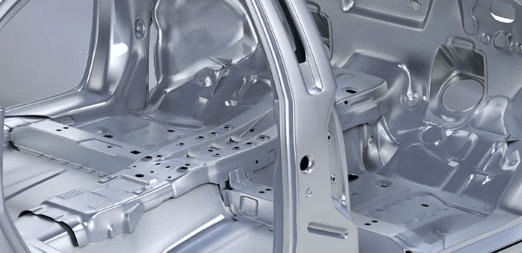
Две важные технологии, искусственный интеллект (ИИ) и машинное обучение, сегодня меняют подход к оптимизации интегрированных производственных процессов на предприятиях. Эти технологии обрабатывают огромные объемы производственных данных для выявления тенденций и выработки рекомендаций по улучшению процессов. ИИ-сварка — это программное обеспечение, которое прогнозирует качество сварки, оптимизирует параметры штамповки и повышает общую эффективность системы. Со временем эти системы обучаются и адаптируются, что позволяет дополнительно оптимизировать производительность производства.
Заключение
Интеграция штамповки и сварки имеет огромное значение при производстве сложных металлических деталей. Сочетание процессов формовки и соединения обеспечивает производителям преимущества в виде повышения производительности, улучшения качества продукции и повышения гибкости проектирования. По мере развития технологий этот интегрированный подход будет приобретать все большее значение в современных металлообрабатывающих отраслях.