
¿Cómo reducir los índices de desperdicio en la producción de piezas estampadas?
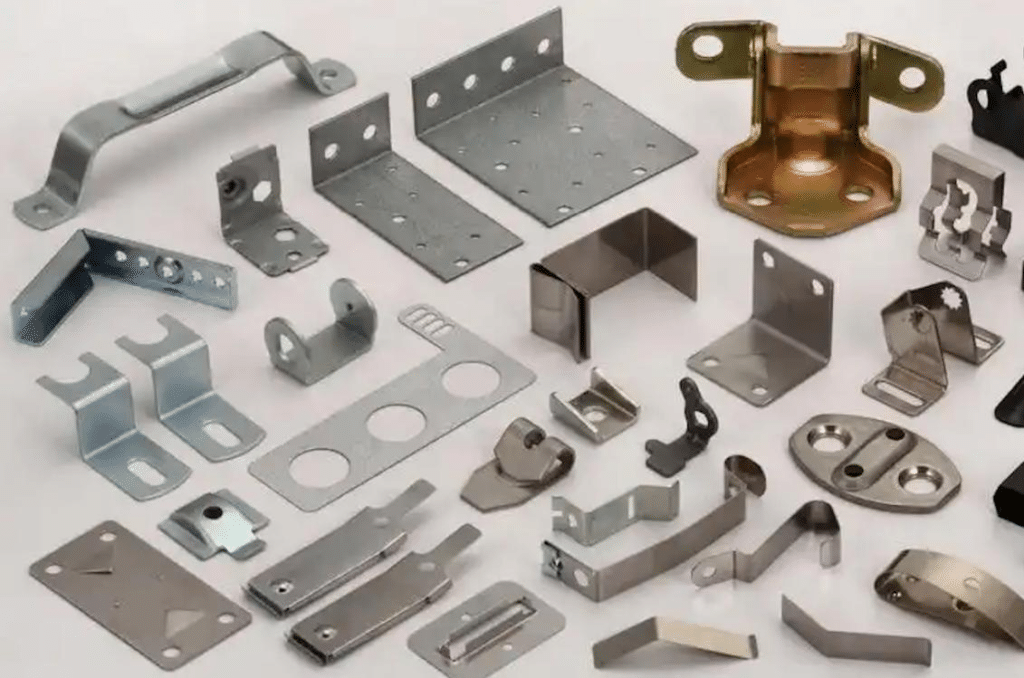
Scrap adds a lot of hidden costs in the manufacturing process of estampado de piezas. When a part is rejected, that usually means more than one thing went to waste. Material is lost. The press still ran. People spent time on it. Power was used. And capacity that could have made good parts is gone. When scrap climbs, delivery timelines can slip too. It also gets harder to keep the same quality from batch to batch.
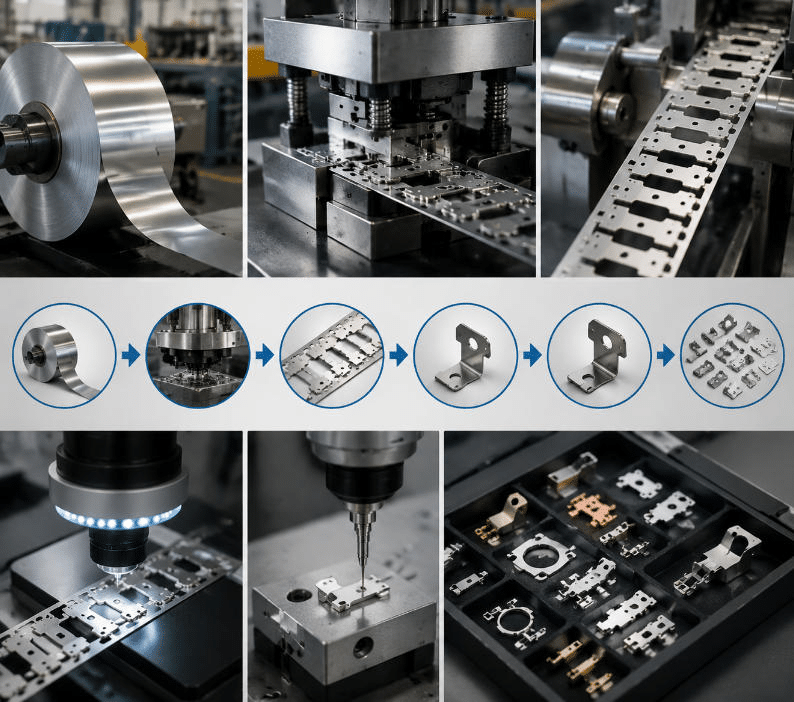
Reducing scrap is not about a quick look at finished parts. The better path is to manage quality across the whole stamping flow. Start with choosing the material and shaping the die. Then keep control during press work. Add checks in the middle of the process. Finish with final inspection. When the main defect causes are found and prevention steps are set up, manufacturers can improve yield while maintaining stable production.
Índice
Understand the Main Causes of Scrap in Producing Stamping Parts
Before implementing improvements, manufacturers should identify why metal stamping parts are being rejected.
| Scrap Cause | Problemas típicos | Impact on Stamping Parts |
| Variación de la materia prima | Inconsistent thickness, hardness, or surface quality | Cracks, deformation, dimensional variation |
| Poor Die Design | Improper forming geometry or material flow | Wrinkles, cracks, incomplete forming |
| Incorrect Die Clearance | Clearance too large or too small | Excessive burrs, rough edges, deformation |
| Desgaste de la herramienta | Dull punches, worn cutting edges, damaged components | Burrs, dimensional errors, inconsistent parts |
| Incorrect Press Settings | Improper stroke, speed, or forming force | Deformation, incomplete forming, dimensional defects |
| Feeding Errors | Incorrect strip position or feed length | Misaligned holes, dimensional errors, die damage |
| Mala lubricación | Insufficient or uneven lubricant | Scratches, excessive friction, cracks |
| Material Layout Problems | Inefficient strip or blank arrangement | Desperdicio excesivo de materiales |
| Desalineación de la máquina | Press or die alignment problems | Uneven forming, premature tool wear, dimensional variation |
| Inspección insuficiente | Defectos descubiertos demasiado tarde | Large batches of defective parts |
| Errores del operador | Incorrect setup or inconsistent operation | Process instability and repeated defects |
| Variación del proceso | Gradual changes in dimensions or forming conditions | Increasing defect and scrap rates |
Effective Strategies for Reducing Scrap Rates in Stamping Parts Production
1. Improve Raw Material Quality Control
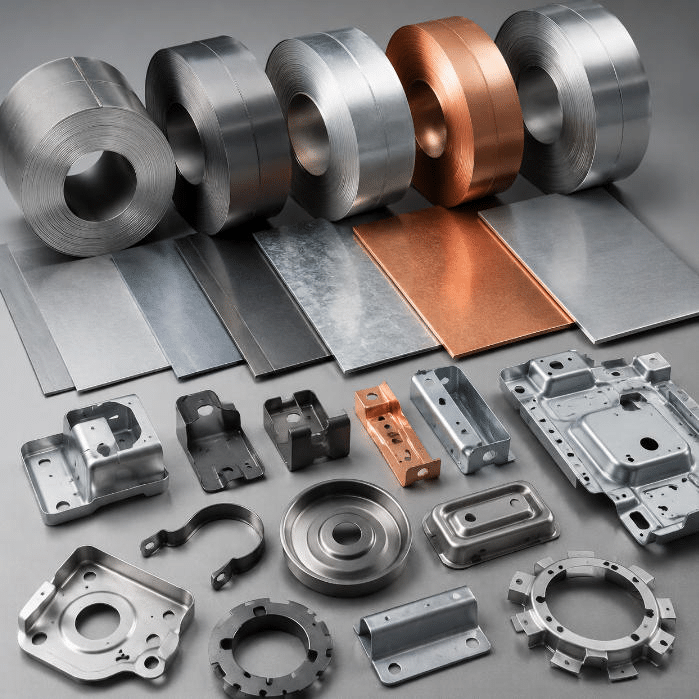
Raw material swings are a common reason stamping runs feel unstable. Sheet thickness can vary. Hardness and tensile strength can shift. Surface finish can also change. Any of these can affect how the part cuts and forms.
Set clear material limits before production begins. Incoming sheets and coils should be inspected before they are released to the line. Check thickness, surface condition, and the key mechanical traits that match the product needs.
When the input stays consistent, the stamping setup stays consistent. That means fewer surprises in how the metal behaves during forming.
2. Optimize Stamping Die Design
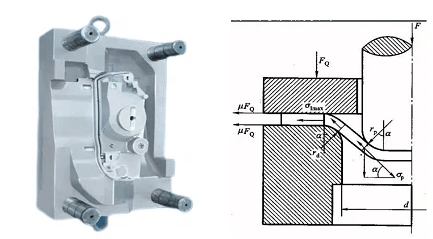
A well-designed stamping morir helps cut scrap by guiding material flow and keeping the part shape correct. If the die is not right, stress can rise too much. Deformation may become uneven. Wrinkles, cracks, or shape errors can appear. Dimensions can also drift off target.
In die work, engineers should account for metal properties, part shape, the forming order, cutting clearance, bend radius, and how material moves through the tooling. For parts that are hard to form, simulation can flag likely trouble spots before the final tooling is built.
Para troqueles progresivos, plan an efficient strip layout and a steady way to position the strip. Done well, die design can lift product quality, use material better, and improve throughput.
3. Optimizar la utilización del material
Not every scrap piece is caused by a bad part. Some scrap is just material that sits unused around the blank or between separated parts.
Work on strip layout or nesting so high-precision stamped parts fit on each sheet or coil. Engineers can review part direction, spacing, carrier width, and the cutting path. The goal is to cut down extra material loss without hurting the process.
In high–volumen metal estampado , even a small gain in material use can add up fast across the full run.
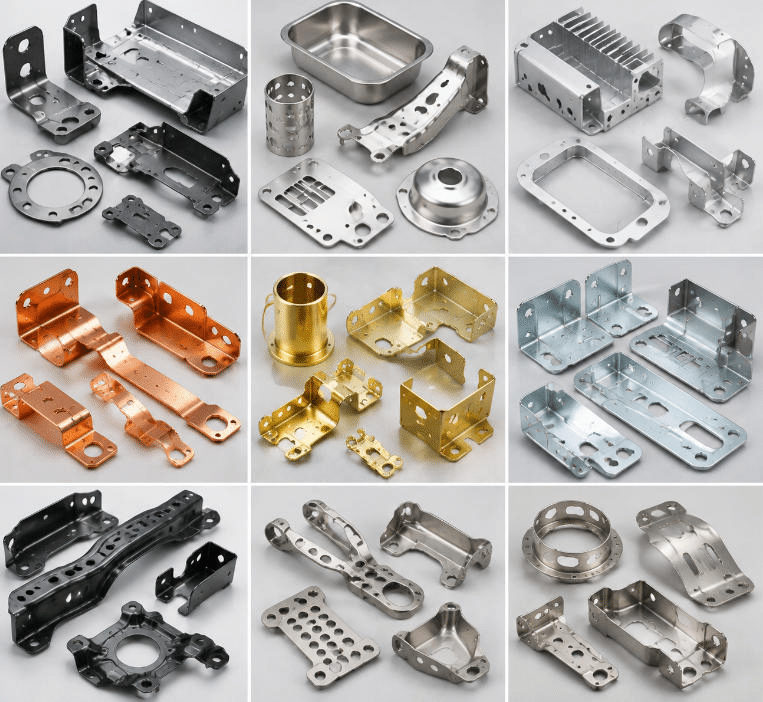
4. Maintain Correct Die Clearance
Proper space between the punch and the die matters a lot in clean cutting and steady stamping. If the space is too big, burrs can grow and edges may look rough. If the space is too small, the job can take more force, and the tool can wear faster.
The right space varies with the metal type, metal thickness, and the stamping task. Each maker should set clear clearance targets for their products. Tool condition should be checked on a regular plan, not only when problems show up.
Keeping the space the same can raise cut quality, improve part dimensions, and extend tool life. It also cuts down on scrap caused by defects.
5. Control Press Parameters
Press speed, stroke, tonnage, forming force, feed length, and other settings can change stamping results. If settings are wrong, forming may stop too soon. Parts can deform in the wrong way, crack, or end up with size errors.
For each part and die set, manufacturers should write down fixed setup values. During production, operators should use the posted setup and avoid random changes.
When available, machine monitors can watch press force and stroke behavior, plus other key items. If values shift in an odd way, teams can catch it early. That can prevent long runs of bad parts.
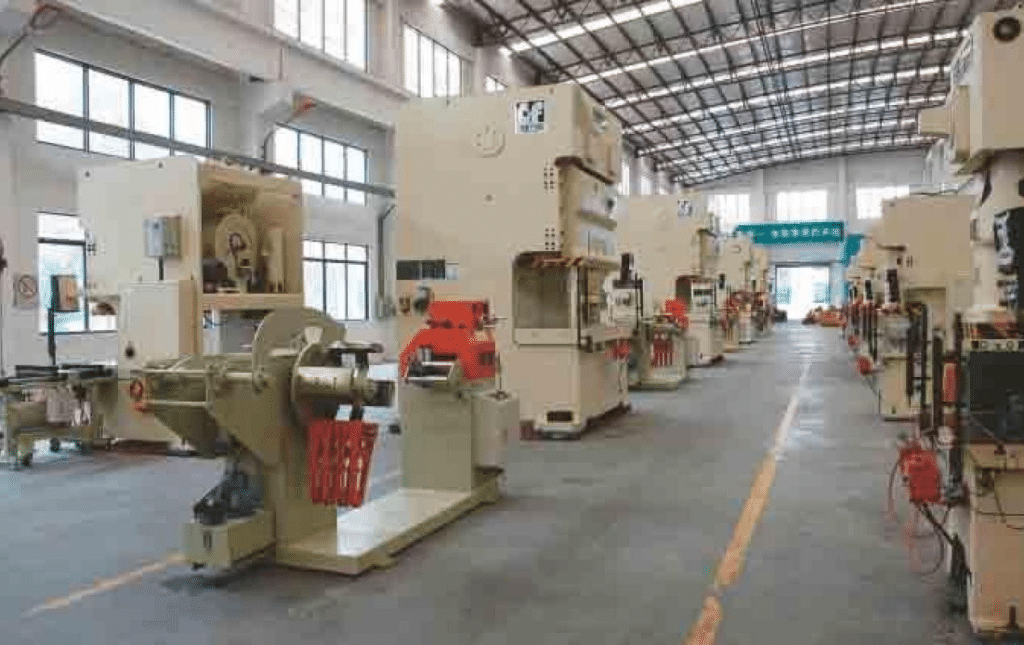
6. Strengthen Tool Maintenance
Stamping dies wear over time after many production cycles. A worn punch, dull cutting edge, damaged guide parts, or rough forming areas can raise defect rates. This happens especially if no care plan is followed.
Planned care works better than waiting for total failure. It is also safer than discovering the issue after many bad parts are made. Schedules can be set from production cycle count, measured tool condition, and past wear trends.
Clean the dies often, add the right lubricant, inspect key parts, sharpen when needed, and replace worn items. This helps dies stay stable during operation and lowers surprise scrap.
7. Improve Material Feeding Accuracy
Accurate feeding is very important in progressive lines and automated stamping. Wrong feed length or bad material placement can lead to hole offset, size problems, poor forming, and even die damage.
Manufacturers should check feeders, guides, sensors, pilot pins, and placement parts on a routine basis. Some sites can also use automatic checks to flag feed errors. If an error is found, production can stop before too much material is wasted.
When feeding stays steady, each stamping step lands at the correct position.
8. Use First-Piece and In-Process Inspection
If only final batches are checked, defects may go unnoticed for too long. A first-part check gives an early chance to confirm the setup of the press and die.
While production runs, do periodic checks or continuous checks. Track key dimensions, hole locations, forming height, burr amount, surface look, and other important items.
For fast, high-volume work, vision systems and sensors can check parts while the line is running. This supports live quality tracking. When issues show up early, teams can fix the cause before it turns into a big batch of scrap.
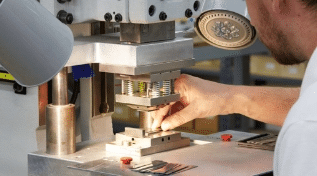
9. Aplicar el control estadístico de procesos
Statistical Process Control (SPC) can help catch slow shifts in a process. The goal is to spot problems while parts are still within spec.
With control charts, plants can track key sizes and process factors. For instance, a gradual change in dimensions may point to die wear, variation in the material, or an unstable machine.
SPC shifts quality work from end-of-line checking to process control. It fits well with high-speed stamping, where tiny changes can affect many parts at once.
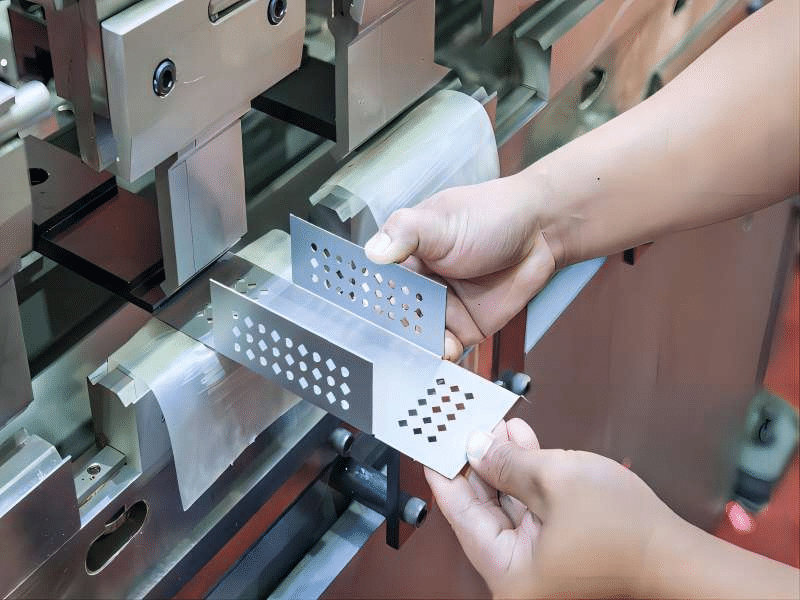
10. Estandarizar los procedimientos operativos
Different setups and methods between workers can cause extra process variation. When procedures are standard, key production steps stay the same from one shift to the next.
Work instructions should spell out how to load material, install dies, set press parameters, and follow lubrication steps. They should also cover first-piece checks, sampling frequency, and what to do when abnormal conditions appear.
Training should also focus on spotting defects and doing basic troubleshooting. Skilled operators often catch early signs before a small issue grows into a major scrap source.
11. Improve Communication Between Departments
Scrap reduction does not belong only to production. Engineering, tooling, quality, maintenance, purchasing, and production teams all affect stamping results.
If a defect keeps coming back, the right groups should team up to find the root cause and agree on corrective steps. For example, a size issue may need input from tooling engineers, machine operators, quality engineers, and maintenance staff.
When teams share production and quality data, repeat defects are easier to spot. It also helps stop the same issue from showing up on other lines.
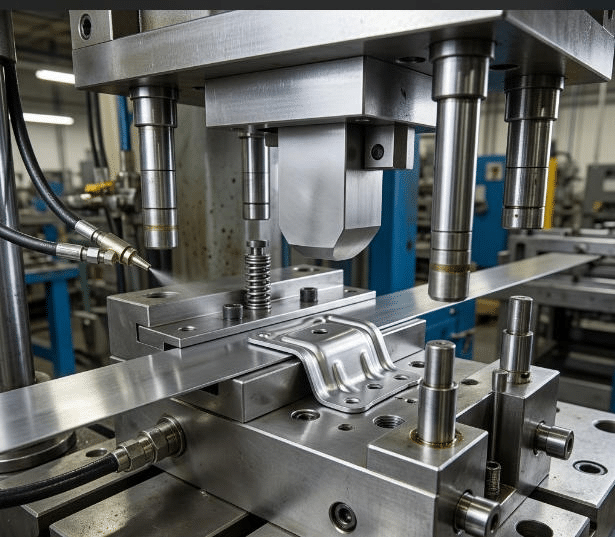
Continuous Improvement for Reducing Scrap Rates in Stamping Parts Production
Scrap reduction should run as an ongoing improvement, not as a one-time effort. Plants can set clear targets for total scrap rate and also for each defect type.
After a change is made, track the results. Confirm the reduction lasts, not just for a short time. If a method works, lock it into standard practice and apply it to other similar stamping work.
Ongoing improvement can mean small moves, like tuning lubrication or changing feeder settings. It can also mean bigger steps, such as new tooling, automation, inspection systems, or process-monitoring tech.
Para terminar
Reducing scrap rates in stamping parts production requires a comprehensive approach that addresses both equipment and process conditions. Good starting stock matters. Die design has to be right. Using the material well also helps. The clearance should be set properly. The press needs steady settings. Tooling should be checked and serviced before trouble starts. Feeding has to be dependable too.
It also helps to watch the work while it is happening. In-process inspection catches issues sooner. Statistical process control can spot drift. Standard work instructions keep results repeatable. Scrap review should be done in a clear, step-by-step way so the same defects do not show up again.
When stamping part manufacturers move away from chasing defects after they happen, they tend to waste less material. Production often runs smoother. Tool life can last longer. Part quality is more consistent. In the end, total manufacturing cost can drop.