
¿Qué factores determinan el costo de las piezas estampadas de metal?
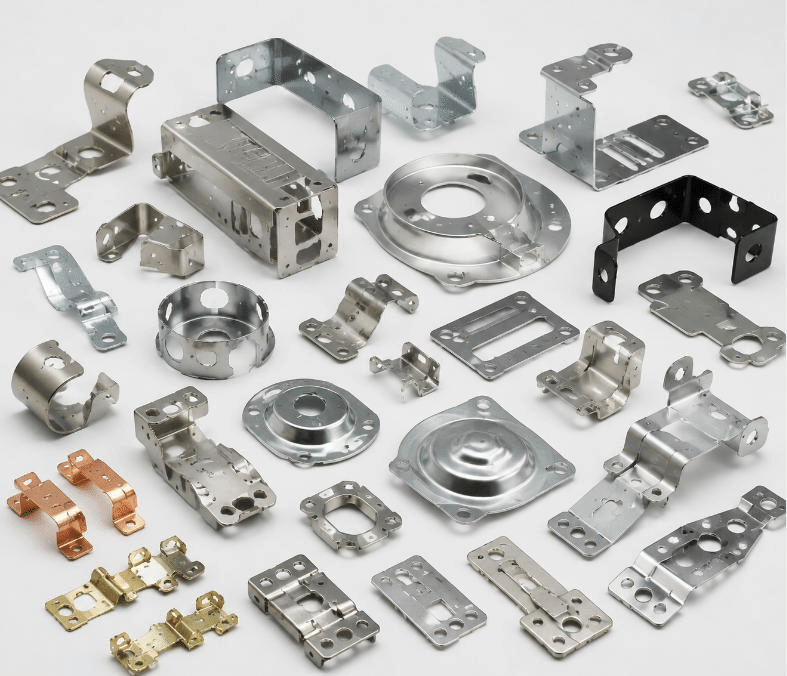
Metal stamping is a common way to make metal pieces in large quantities. It is used when companies need steady output and tight accuracy. From automotive brackets and electronic components to industrial hardware and appliance parts, stamped metal parts offer excellent efficiency and repeatability. Even so, the costs for piezas de estampado de metal can vary significantly based on several factors, including the metal type, part design, tooling needs, production volume, and finishing processes after stamping.
Knowing what determines stamping part costs can help manufacturers adjust the design, control spending, and pick a suitable stamping approach for the job.
Índice
Overview of Metal Stamping Cost Structure
| Elemento de costo | Propósito principal | Influencia del costo |
| Material Costo | Provides the base metal for stamped components | High impact, especially for expensive metals or high scrap rates |
| Herramental: Costo | Crea el estampado muere requerido para la producción | High initial investment, lower unit cost over large volumes |
| Manufactura Costo | Converts raw materials into finished stamped parts | Depends on production efficiency and automation |
| Acabado Costo | Improves surface quality and performance | Varies based on required treatments |
| Inspección Costo | Ensures product reliability and consistency through using advanced inspection methods for stamping parts | Increases with stricter quality requirements |
| Logística Costo | Delivers finished products | Depends on packaging and transportation conditions |
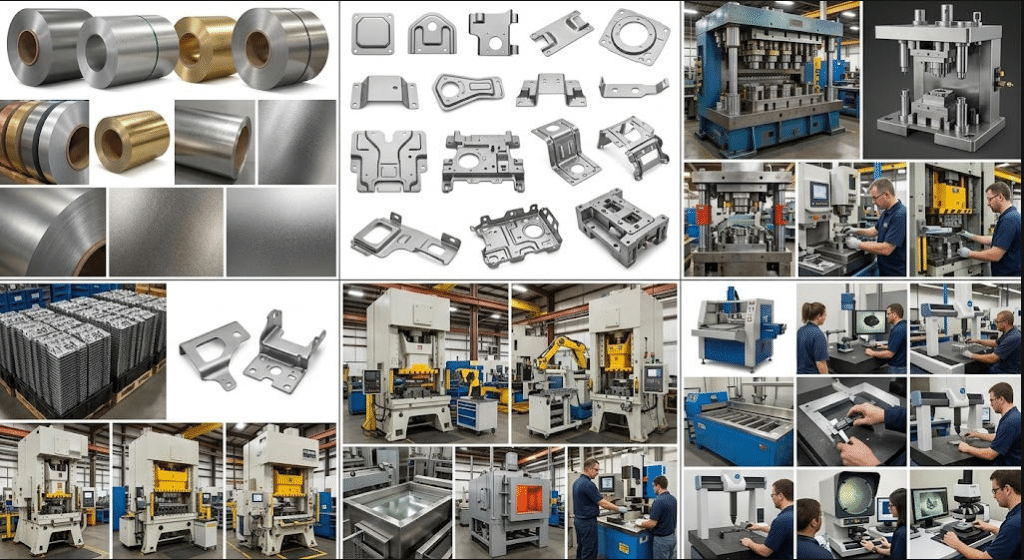
Key Factors Affecting the Costs of Metal Stamping Parts
1. Selección de materiales y costos
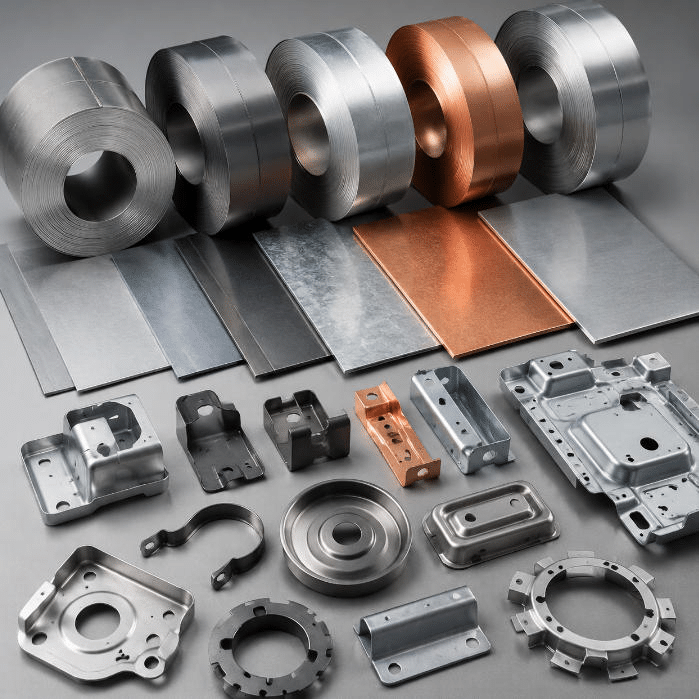
The metal picked for the stamped part is a major cost factor. Metals differ in price, how easy they are to get, and what they require during processing. Steel, stainless steel, aluminum, copper, and brass are frequent choices.
Thickness matters too. Heavier stock usually needs more force, stronger dies, and more raw material. That can raise the cost per run. Some specialty metals also bring extra work due to higher strength, better corrosion resistance, or special performance needs.
Selecting a metal that fits the use can help keep cost in line with needed performance.
2. Complejidad del diseño de piezas
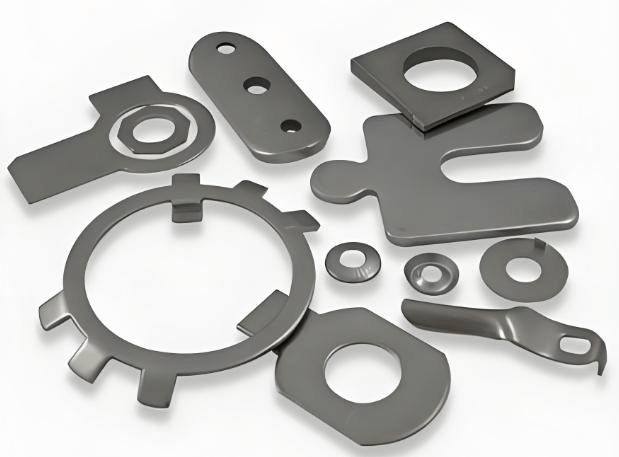
Part geometry affects cost in a direct way. A simple plate or basic flat shape often needs less setup. It can also use fewer tooling stages, so it tends to cost less.
Harder shapes can change the picture. Parts with deep draws, several bends, tight tolerances, or many detailed features can require more advanced tooling. They also demand close process control during forming. There is also more chance of issues like wrinkling, cracking, or shifts in size. When that risk rises, extra engineering time and more inspection may follow.
A design that matches real stamping limits can make production smoother and reduce expense.
3. Costos de herramientas y matrices
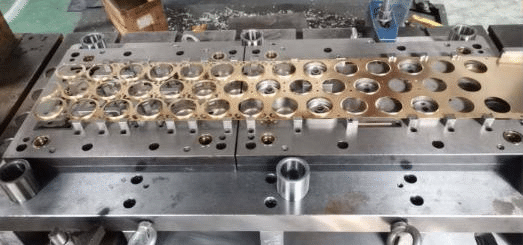
Tooling is one of the most significant initial investments in estampado de metal parte Production. Stamping dies are made to match the part shape, size, and listed specs.
Die cost depends on items like:
- Die complexity and internal structure
- Target precision and tolerance limits
- Die material wear resistance
- How many stamping steps are needed
- How long the die is expected to last
Progresivo estampado este and multi-step tooling can cost more at the start. But they may cut the cost per part when output is very high. For short runs, simpler tooling can be a better value.
4. Volumen de producción
Production quantity strongly affects the costs for stamped metal parts. When output is high, the average cost often drops. That happens because costs for tooling, setup, and engineering get spread over far more pieces.
To put it simply, a custom stamping job that makes hundreds of thousands of parts usually ends up with a lower per-part price than a small run. A low-volume order can push the process toward other choices. For instance, simpler tooling or more flexible manufacturing may be used to keep costs under control.
5. Manufacturing Process and Equipment Requirements
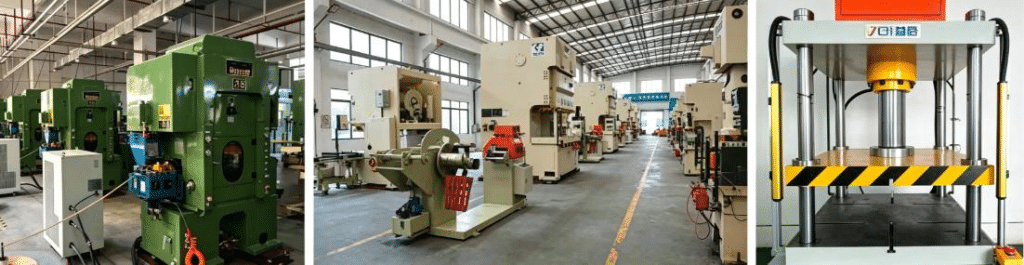
El estampado picked for the job changes the overall cost. Each method has its own needs for equipment and operating conditions. Progressive stamping, deep drawing, compound stamping, and precision stamping are not handled the same way.
Manufacturing cost is shaped by these items:
- Press machine capacity
- velocidad de producción
- Nivel de automatización
- Necesidades laborales
- Tiempo de preparación
- Necesidades de mantenimiento
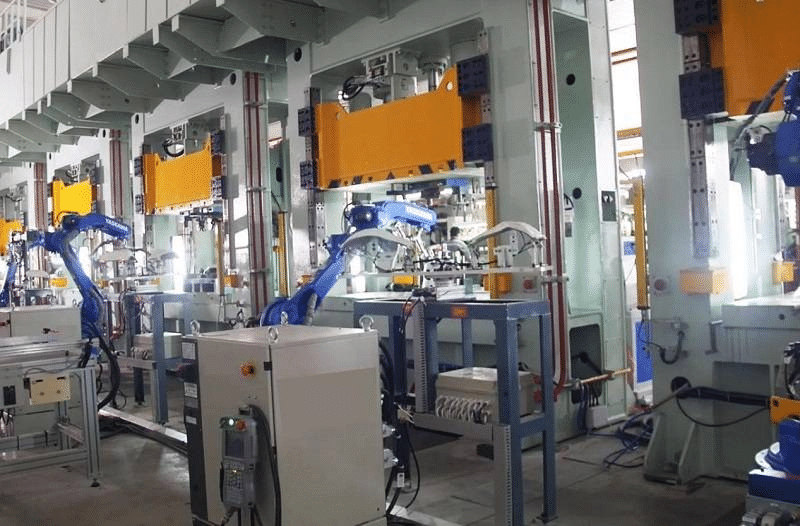
If the work uses automated stamping lines, efficiency can rise and labor cost can fall. This is most helpful for big production volumes. For smaller projects, manual or semi-automated setups may fit better.
6. Requisitos de tolerancia y calidad
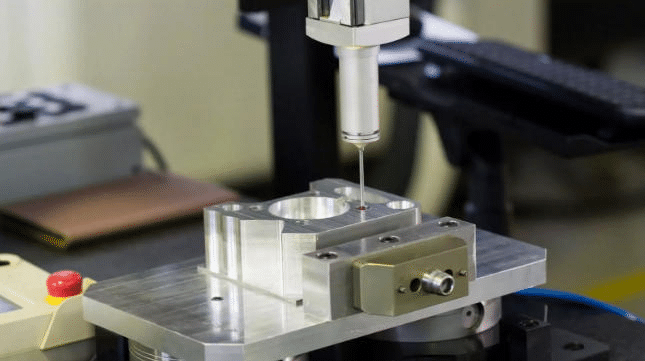
Cuando tolerancia estricta in metal stamping parts is required, the costs tend to rise. Strict dimensional limits mean more capable tooling and equipment. It also usually adds more checks during production.
Quality control also adds cost. This can include dimensional checks, surface review, material tests, and functional testing. Sectors like automotive, aerospace, medical, and electronics often ask for tighter specs. Those demands can make the final cost higher than in standard applications.
7. Acabado de superficies y operaciones secundarias
After stamping, many metal parts require additional processes to improve appearance, durability, or functionality. These secondary operations can significantly affect the final cost.
El siguiente cuadro proporciona common superficie finishing and post-processing options for metal stamping parts.
| Finishing/Post-processing Option | Mareas Ideales para Lecciones | Propósito principal |
| desbarbado | Removes sharp edges, burrs, and excess material left after stamping through grinding, tumbling, or chemical processes. | Improve safety, part appearance, and assembly performance. |
| Pintura en Polvo | Applies a dry powder coating to the metal surface and cures it under heat to form a durable protective layer. | Enhance corrosion resistance, wear resistance, and appearance. |
| galvanoplastia | Deposits a thin metal layer such as zinc, nickel, or chrome onto the stamped part surface using an electrical process. | Improve corrosion resistance, conductivity, and surface durability. |
| Pintura | Applies liquid paint or protective coatings to the stamped metal surface. | Provide color customization, protection, and improved appearance. |
| Anodizado | Creates a protective oxide layer on aluminum parts through an electrochemical process. | Increase corrosion resistance, hardness, and surface appearance. |
| Tratamiento térmico | Uses controlled heating and cooling processes to modify metal properties. | Improve strength, hardness, durability, and wear resistance. |
| Marcado láser | Uses a laser beam to create permanent markings, codes, or identification information on the surface. | Provide traceability, branding, and product identification. |
| Soldadura y Montaje | Joins stamped components together or combines multiple parts into a finished assembly. | Create complex structures and improve functionality. |
| Maquinado | Uses processes such as drilling, milling, or turning to achieve additional features or precise dimensions. | Improve accuracy and add complex geometries. |
| Pulido | Smooths and refines the metal surface to create a cleaner and more attractive finish. | Improve surface quality and reduce friction. |
| Granallado | Uses abrasive particles to clean and texture the metal surface. | Remove oxidation, improve surface adhesion, and create a uniform finish. |
| Pasivación | Chemical treatment that removes free iron from stainless steel surfaces and improves corrosion resistance. | Enhance stainless steel durability and cleanliness. |
Cómo reducir <font dir="auto" style="vertical-align: inherit;">las </font> Costes of Pieza de estampado de metals
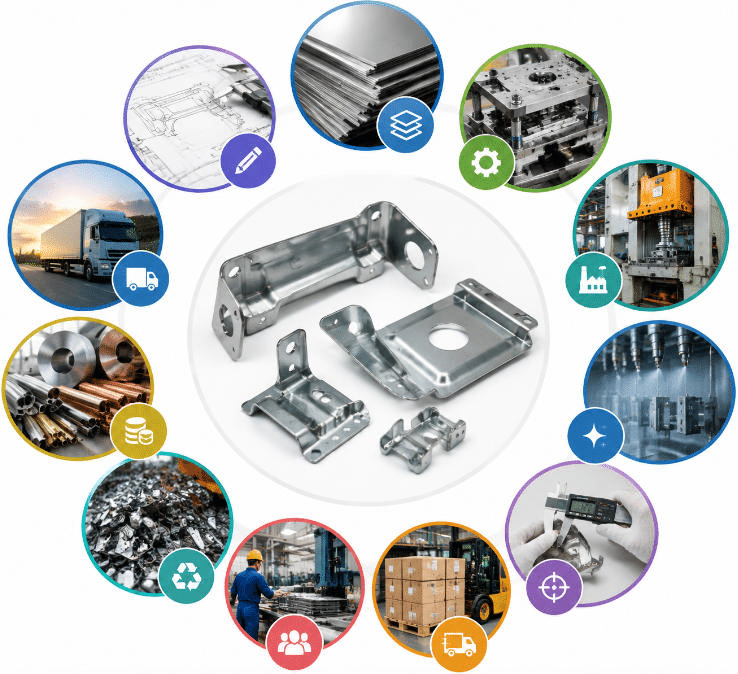
Manufacturers can reduce stamping part costs by focusing on design optimization, material efficiency, and production planning.
| Método de reducción de costos | Mareas Ideales para Lecciones | Beneficios de ahorro de costos |
| Optimizar el diseño de piezas | Simplify part geometry, reduce unnecessary features, and design components based on stamping capabilities. | Lowers tooling complexity, reduces production steps, and minimizes manufacturing difficulties. |
| Seleccione materiales rentables | Choose materials that meet performance requirements while balancing price, availability, and processing needs. | Reduces raw material expenses without affecting part functionality. |
| Mejorar la utilización de los materiales | Optimize nesting layouts and stamping patterns to reduce scrap during production. | Decreases material waste and improves overall production efficiency. |
| Aumentar el volumen de producción | Produce larger quantities to spread tooling and setup costs across more parts. | Reduces the average cost per stamped component. |
| Use Progressive Stamping for High Volumes | Combine multiple stamping operations into a continuous automated process. | Improves production speed, reduces labor costs, and increases consistency. |
| Choose the Right Tooling Strategy | Select suitable dies based on production requirements, part complexity, and expected output. | Avoids unnecessary tooling investment while maintaining production efficiency. |
| Reducir las operaciones secundarias | Minimize additional processes such as machining, welding, or excessive finishing by improving the initial design. | Lowers labor costs and reduces production time. |
| Improve Tolerance Management | Define realistic tolerances according to actual application needs instead of overly strict specifications. | Reduces tooling precision requirements and inspection costs. |
| Automatizar procesos de producción | Aplicar automated stamping and inspection systems where suitable. | Increases productivity and reduces manual labor expenses. |
| Trabaje con un proveedor experimentado. | Cooperate with manufacturers that provide engineering support and process optimization. | Helps identify cost-saving opportunities and prevents production issues. |
| Plan Tool Maintenance Regularly | Maintain stamping dies and production equipment to prevent unexpected downtime and defects. | Extends tool life and reduces repair and replacement costs. |
| Reducir desperdicios y defectos | Improve process control, quality inspection, and production stability. | Minimizes material waste, rework, and rejected parts. |
Para terminar
Overall, the costs of metal stamping parts depends on material selection, part complexity, tooling needs, production volume, manufacturing processes, quality standards, and finishing needs. Tooling and design may require a big upfront expense. Still, a well-planned stamping approach can deliver good cost results for medium and high-volume production.
With a clear view of these cost drivers and working with a dependable metal stamping partner, businesses can get alta calidad se adaptan metal sellado partes. At the same time, they can keep production costs competitive.