Karmaşık Metal Parçalar İçin Damgalama ve Kaynak İşlemlerinin Entegrasyonu
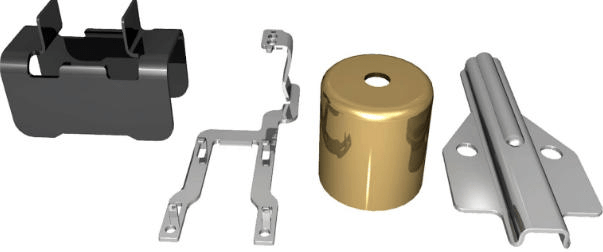
Gelişmiş ürün tasarımlarının geliştirilmesi, üreticilerin olağanüstü mukavemet, hassas boyutlandırma ve uygun maliyetli üretim gibi üç özel kriteri karşılaması gereken karmaşık metal parçalar üretmesini gerektirir. Bu hedeflere ulaşmak için tek bir şekillendirme işlemi genellikle yetersiz kalır. Üretim endüstrisi, birden fazla damgalanmış parçayı tek bir komple üründe birleştiren karmaşık montajlar oluşturmak için damgalama ve kaynaklamanın entegrasyonunu temel bir yöntem olarak geliştirmiştir.
İçindekiler
Damgalama ve Kaynak İşlemlerinin Entegrasyonunu Anlamak
Metal damgalama, düz sac metalleri kalıplar ve presler kullanılarak belirli şekillere dönüştürürken, kaynak ise iki veya daha fazla metal parçayı tek bir birleşik çerçeveye birleştirir. Bu iki işlemin entegrasyon süreci, üreticilerin ardışık kaynak adımlarıyla damgalanmış bileşenler üreten eksiksiz bir üretim sistemi oluşturmasını sağlar. Bu entegrasyon sisteminin çoklu konfigürasyonları arasında, damgalama hatlarına bağlanan kalıp içi kaynak ve robotik kaynak hücreleri ile her iki işlemi de sürekli bir iş akışı olarak çalıştıran tam otomatik üretim sistemleri yer almaktadır.
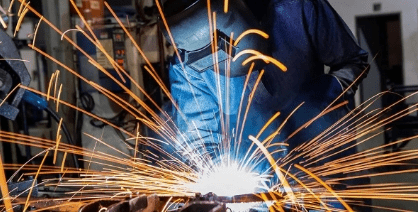
Karmaşık metal parçalar için presleme işlemini kaynakla entegre etmeye neden ihtiyaç duyulur?
- Metal Bileşenlerde Artan Karmaşıklık
Özellikle otomotiv, elektronik ve endüstriyel ekipman gibi sektörlerdeki modern ürünler, birden fazla işlevi yerine getiren daha karmaşık şekillere sahip bileşenler gerektirir. Şekillendirme alanındaki tüm gelişmeler, malzeme veya kalıplama kısıtlamaları nedeniyle bazı karmaşık konfigürasyonların karşılanamaması durumunu ortaya koymaktadır. Kaynak işleminin otomatik şekillendirme ile entegrasyonu, tasarımcıların iki veya daha fazla preslenmiş parçayı tek bir ünite halinde birleştirmesini sağlar. Bu, mühendislerin üretilebilirliği tehlikeye atmadan gelişmiş ve sofistike parçalar tasarlamaları için gereken boşluğu doldurur. Bu da inovasyon paradigması altında ürünlerin geliştirilmesine yol açmıştır.
- Daha Yüksek Yapısal Mukavemet ve Güvenilirlik Talebi
Karmaşık montajlar, mekanik gerilme, titreşim ve çevresel koşullar altında performansı sağlamak için genellikle güçlü ve dayanıklı bağlantılara ihtiyaç duyar. Kaynak, preslenmiş bileşenleri birleştirmek için güvenilir bir yöntem sağlar ve temel malzemenin mukavemetine eşit veya ondan daha yüksek mukavemete sahip bağlar oluşturur. Kaynak, üretim sürecine doğrudan entegre edildiğinde, bu bağlantıların tutarlılığı önemli ölçüde artar. Bu, özellikle güvenlik açısından kritik uygulamalarda önemli olan ürün güvenilirliğini artırır ve arıza riskini azaltır.
- Üretim Verimliliğinin Artırılmasına İhtiyaç
Kaynak ve presleme işlemleri ayrı ayrı yapılacaksa, ek bir işlem aşaması devreye girer ve aşamalar arasında taşıma ve hizalama faaliyetleri gerçekleşir. Aslında bu durum, üretim öncesi verimsizliklere ve daha uzun çevrim sürelerine yol açar ve sıklıkla yanlışlıklara ve proses sapmalarına neden olabilir. Tek hatlı akış dökümü ile hem şekillendirme hem de birleştirme için uygun bir şekil elde etmek amacıyla invertörlerin kullanılmasını düşünün. Bu sayede daha kısa üretim süreleri, yüksek üretim verimliliği ve ekipman ile iş gücünün en iyi şekilde kullanılması sağlanır.
- Maliyet Azaltma ve Kaynak Optimizasyonu
Verimlilik maliyetlerinin unsurları arasında insan gücü, sipariş boyutu ve proses işletimi yer almaktadır. Damgalama ve kaynak işlemlerinin entegrasyonu, manuel müdahaleleri azaltır ve parçaların ve montajların etkin bir şekilde tasarlanmasıyla malzeme kullanımını %60 oranında artırır. Daha az işlem adımı daha düşük enerji talebi ve diğer işletme giderleri yarattığından, özellikle seri üretimde zaman içinde ciddi parasal faydalar elde edilebilir.
- Gelişmiş Hassasiyet ve Kalite Kontrolü
Çok karmaşık metal parçaların mükemmel bir uyum için birbirine doğru hizalanarak geçmesi gerektiğinde, hassas toleranslara saygı zorunlu hale gelir. Kaynak işleminin konumlandırma hassasiyetiyle entegrasyonu, daha az hizalama hatası ve boyut varyasyonuna yol açmıştır. Son ürünün kalitesi, kaynak işlemi boyunca gelişmiş gerçek zamanlı kontrol sağlayan otomasyon teknikleriyle daha da güvence altına alınmıştır. Tüm bunlar, daha az kusur, daha az satış sonrası işlem ve iyileştirilmiş bir son ürün standardı ile sonuçlanmıştır.
- Tasarım ve Üretimde Esneklik
Kaynaklama ile preslemeyi entegre etmek, hem ürün tasarımında hem de üretim planlamasında daha fazla esneklik sağlar. Üreticiler, kaynak desenlerini ayarlayarak veya presleme aletlerini değiştirerek farklı bileşen konfigürasyonlarına kolayca uyum sağlayabilirler. Bu esneklik, özellikle hızla değişen ürün tasarımlarına veya özelleştirilmiş üretim gereksinimlerine sahip sektörlerde çok değerlidir ve şirketlerin pazar taleplerine hızlı bir şekilde yanıt vermesini sağlar.
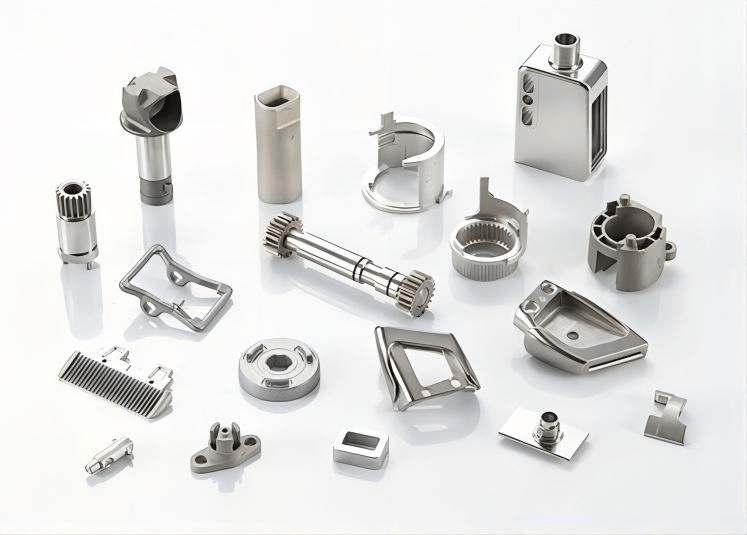
Kaynakla Birleştirme Yöntemlerinde Temel Entegrasyon Yaklaşımları
Presleme işlemini kaynakla entegre etmek, üstün ürün kalitesi, yapısal bütünlük ve üretim verimliliği elde etmede stratejik bir yaklaşım haline gelmiştir.
1. Dikişsiz Üretim için Kalıp İçi Kaynak
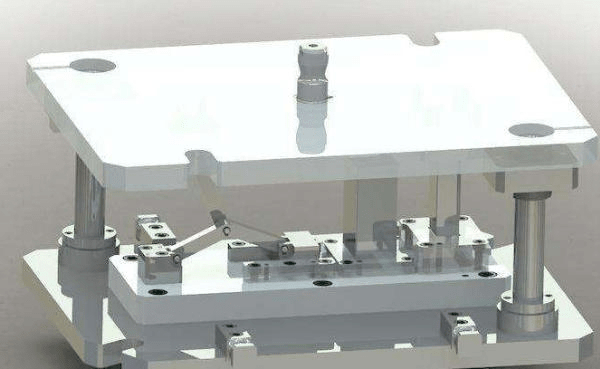
Bu yaklaşım, pres kalıplarına entegrasyonun en gelişmiş yöntemlerinden biri olan kalıp içi kaynaklamayı içerir. Bu yöntemde, parçalar genellikle boş bırakılarak pres kalıplarına yerleştirilir, presleme döngüsü sırasında kalıplardan geçirilir ve parça presten çıkarılmadan önce belirli noktalarda kaynaklanır. Bu mükemmel yöntem kullanılarak, parça elleçleme büyük ölçüde azaltılır ve parçaları hizalamak için gerekebilecek ikincil hizalama işlemleri ortadan kaldırılır.
Kalıp içi kaynak, yukarıda belirtilen doğruluk ve hız seviyelerinin son derece önemli olduğu yüksek hacimli üretimde uygulama alanı bulacaktır. İki bileşen, kalıp içindeyken kaynaklandığı için kaynak hassasiyeti çok yüksektir; ancak senkronizasyon veya bileşen uyumunda hata riski de dikkatlice yönetilmelidir. Öte yandan, kalıp karmaşıklığı ve bakımı da kendi mühendislik ve finansal risklerini beraberinde getirmektedir.
2. Robotik Kaynak İşlemlerinin Presleme Hatlarıyla Entegrasyonu
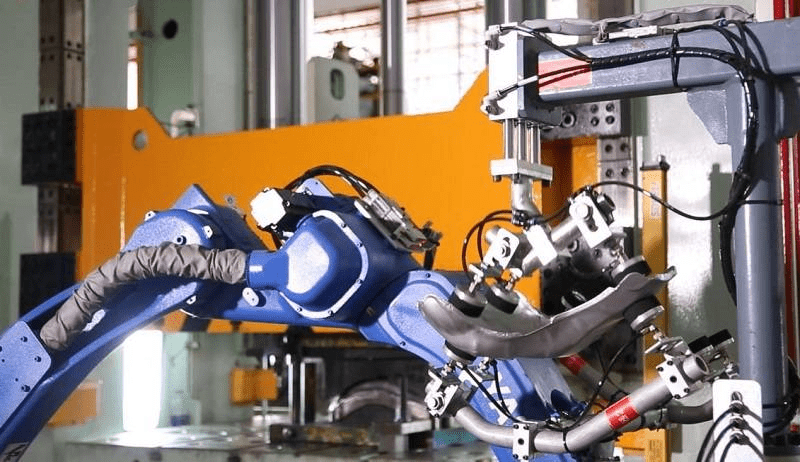
Yaygın olarak kullanılan bir diğer teknik ise tüm robotik kaynak sisteminin presleme hatlarıyla entegrasyonudur. Parçalar preslendikten sonra, yüksek hassasiyetli, programlanmış kaynak işlemlerinin yapıldığı robotik kaynak istasyonlarına aktarılırlar. Bu yöntem, kalıp içi kaynak yönteminin her zaman sağlayamadığı esnekliği sunar. Robotik sistemler, karmaşık geometriler, çoklu kaynak noktaları ve çeşitli ürün varyasyonlarıyla çok az yeniden yapılandırma ile iyi başa çıkmaktadır.
3. Ara Kaynaklı Transfer Hattı Sistemleri
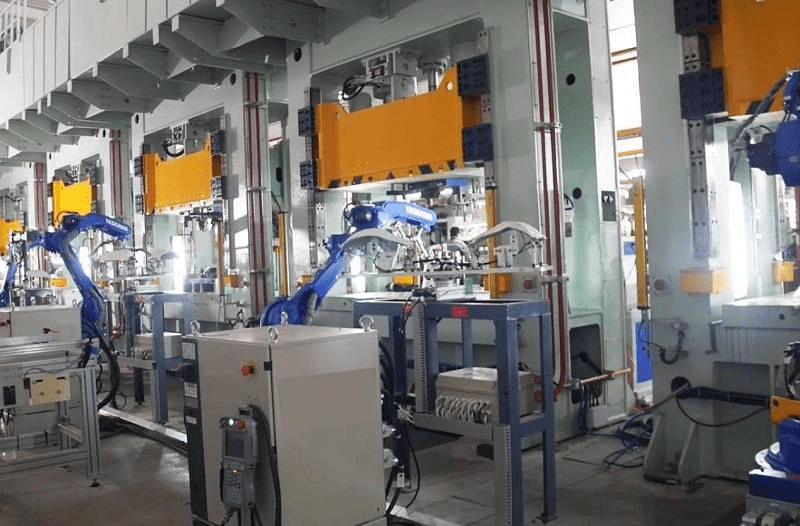
Entegre bir transfer hattı, her ardışık presleme işlemi arasında kaynak istasyonlarını yönetir. Parçalar, belirli noktalarda kaynaklama yoluyla aşamalı olarak gerçekleştirilen döküm ve birleştirme işlemlerine tabi tutularak bir istasyondan diğerine hareket eder. Üreticiler, oldukça karmaşık ürünler için montajları kontrollü bir şekilde parça parça oluşturabilir; bu süreç, çok fazla bileşene sahip büyük veya karmaşık parçalar için büyük bir avantajdır. Transfer mekanizmaları ve kaynaklama arasındaki çalışma senkronizasyonunun iyi bir şekilde korunması gerekir, aksi takdirde verimlilik bozulabilir veya kaynak kullanımı bu nedenle engellenebilir.
4. Aşamalı Damgalama ve İkincil Kaynak İşleminin Birleştirilmesi
Bazı durumlarda, üreticiler, karmaşık parça özelliklerinin çoğunu sağlamak için kademeli presleme yönteminin kullanıldığı ve ardından ayarlamaya uygun hale getirmek için ya aynı hizada ya da bitişik hücrelerde yapılan bir kaynak işleminin uygulandığı hibrit bir kaynak yaklaşımı kullanırlar. Bu hibrit yaklaşım, verimlilik ve uyarlanabilirlik arasında bir denge sağlar; yüksek hızlı şekillendirme süreçleri, hassas birleştirme teknikleriyle tamamlanabilir. İkincil kaynak, presleme kalıbını zorlaştırmadan ürüne özgü gereksinimlere göre uyarlanabilir. Bu nedenle, orta hacimli üretim için daha uygun bir çözümdür ve özel kaynak gerektiren durumlarda (presleme işlemine kolayca entegre edilemeyen kaynak çözümleri için) en iyi sonuçları sağlar.
5. Lazer Kaynak Entegrasyonu
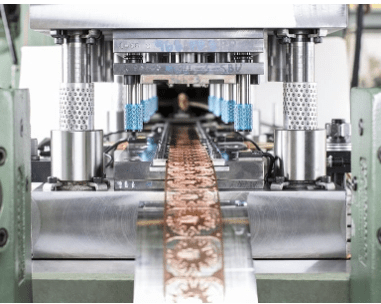
Lazer kaynağı, hassasiyeti ve düşük ısı girdisi nedeniyle giderek daha önemli bir entegrasyon yöntemi haline gelmiştir. Damgalama ile birleştirildiğinde, lazer kaynağı ince malzemelerin ve karmaşık geometrilerin minimum deformasyonla birleştirilmesini sağlar. Bu yaklaşım, özellikle otomotiv ve elektronik üretimi gibi sıkı toleranslar ve yüksek estetik standartlar gerektiren sektörler için avantajlıdır. Lazer sistemlerinin otomasyonu, modern damgalama hatlarıyla uyumluluğunu daha da artırarak yüksek hızlı ve yüksek hassasiyetli üretim ortamlarını destekler.
6. Hibrit Otomasyon Sistemleri ve Akıllı Entegrasyon
Yukarıda belirtilen alanlarda bu sistemlerin etkinliğini en üst düzeye çıkarmaya yönelik daha fazla kıyaslama yapılmalı ve bu sistemlere uygulanan indüktansın oldukça özgün darbe gücünü araştırmak için daha fazla çalışma başlatılmıştır.
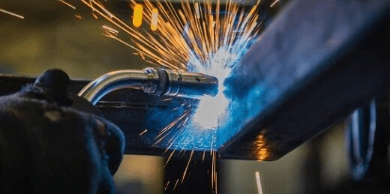
Bu teknolojilerin entegrasyonundan sonra, bir dizi kontrol sistemi konfigürasyonu, proses parametrelerinde dinamik değişikliklerin yapılmasını sağlayabilir. Bu, yalnızca kusurların erken tespit edilmesine yardımcı olarak servis ve yeniden işleme ile ilgili maliyetlerden tasarruf sağlamakla kalmaz, aynı zamanda genel ekipman verimliliğini de büyük ölçüde artırır. Kullanılan yazılım ve platformlara bağlı olarak, presleme ve kaynak işlemlerinin gerçekleştirilme şekli, daha sorunsuz ve talebe yönelik hale gelecek şekilde devrim niteliğinde bir değişime uğramaktadır.
Damgalama ve Kaynak İşlemlerinin Entegrasyonunun Endüstriyel Uygulamaları
| Sanayi | Tipik uygulamalar | fonksiyonlar | Temel Avantajlar |
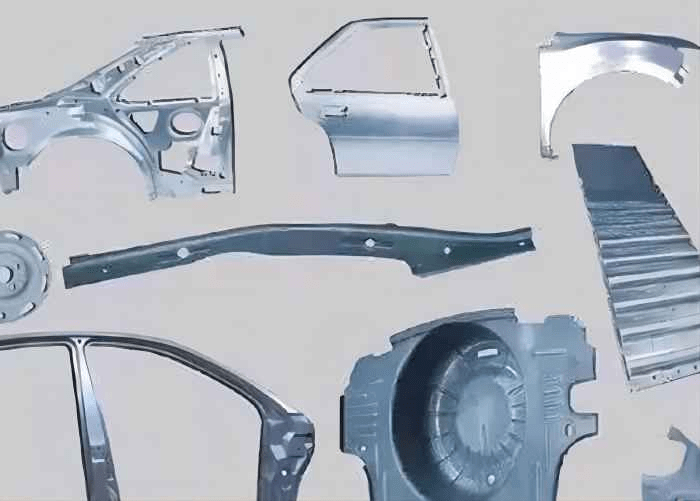
| Otomotiv | Gövde iskeleti, şasi bileşenleri, braketler, takviyeler | Birden fazla preslenmiş paneli hassas kaynaklarla sağlam yapılar halinde birleştirir. | Geliştirilmiş yapısal dayanıklılık, azaltılmış ağırlık, yüksek üretim verimliliği |
| Uzay | Yapısal çerçeveler, destekler, hafif montajlar | Kritik bileşenler için hassas preslenmiş parçaları yüksek mukavemetli kaynaklarla birleştirir. | Yüksek mukavemet-ağırlık oranı, aşırı koşullar altında güvenilirlik. |
| Elektronik ve Elektrik | Muhafazalar, konektörler, koruyucu kılıflar | Kompakt montajlar için hassas damgalama ve mikro kaynak işlemlerini birleştirir. | Yüksek hassasiyet, minyatürleştirme, tutarlı elektrik performansı |
| Ev Aletleri | Çamaşır makinesi tamburları, buzdolabı panelleri, çerçeveleri | İnce metal parçaların dayanıklı yapılara verimli bir şekilde monte edilmesini sağlar. | Uygun maliyetli seri üretim, geliştirilmiş dayanıklılık |
| Endüstriyel ekipman | Makine gövdeleri, destek çerçeveleri, braketler | Ağır hizmet tipi preslenmiş parçaları sağlam kaynaklı sistemler halinde birleştirir. | Geliştirilmiş yük taşıma kapasitesi, uzun kullanım ömrü |
| Yapı hem de bina | Metal çerçeveler, bağlantı elemanları, destek braketleri | Damgalanmış parçalardan güçlü yapısal bağlantılar üretir. | Yüksek mukavemet, büyük yapılar için ölçeklenebilirlik |
| Tıbbi Cihazlar | Cerrahi alet parçaları, cihaz gövdeleri | Hassas presleme işlemlerini temiz ve kontrollü kaynak süreçleriyle birleştirir. | Yüksek doğruluk, sıkı hijyen standartlarına uyum |
| Enerji hem de Power | Akü muhafazaları, elektrik panoları, destek yapıları | Güvenli ve istikrarlı enerji sistemi bileşenleri için damgalı parçaları birleştirir. | Güvenlik, dayanıklılık, çevresel streslere karşı direnç |
| demiryolu hem de Ulaşım | Vagon bileşenleri, oturma iskeletleri, yapısal paneller | Büyük preslenmiş parçaları kaynaklı montajlar halinde birleştirir. | Yapısal bütünlük, titreşim direnci |
| Tüketici Malları | Metal mobilyalar, aletler, donanım parçaları | Karmaşık, estetik açıdan kusursuz parçaların verimli bir şekilde üretilmesini sağlar. | Tasarım esnekliği, maliyet düşürme, tutarlı kalite |
Karmaşık Metal Parçalarda Damgalama ve Kaynak İşlemlerinin Entegrasyonunda Karşılaşılan Zorluklar ve Çözümler
| Zorluklar | Açıklama | Çözüm | Avantajlar |
| Termal Bozulma | Kaynak işlemi sırasında oluşan ısı, ince veya karmaşık preslenmiş parçaları deforme ederek boyutsal doğruluğu etkileyebilir. | Kaynak parametrelerini optimize edin, lazer kaynağı gibi düşük ısı yöntemlerini kullanın ve uygun sabitleme ve soğutma tekniklerini uygulayın. | Parçanın geometrisini ve boyutsal kararlılığını korur. |
| Hizalama ve Konumlandırma Hataları | Damgalanmış parçalar arasındaki hizalama bozukluğu, zayıf bağlantılara veya montaj hatalarına yol açabilir. | Hassas takım tezgahları, otomatik konumlandırma sistemleri ve robotik taşıma sistemlerini uygulayın. | Kaynak işlemlerinin doğru yerleştirilmesini ve tutarlı kaliteyi sağlar. |
| Malzeme Uyumluluk Sorunları | Farklı metaller veya kaplamalı malzemeler kaynak sırasında olumsuz tepki vererek kusurlara veya zayıf bağlantılara neden olabilir. | Uygun kaynak tekniklerini seçin ve malzeme özelliklerine göre parametreleri ayarlayın; uyumlu kaplamalar kullanın. | Kaynak bütünlüğünü iyileştirir ve hataları azaltır. |
| İşlem Senkronizasyonu | Damgalama hızını kaynak işlemleriyle koordine etmek karmaşık olabilir ve darboğazlara yol açabilir. | Süreçleri senkronize etmek için entegre kontrol sistemleri ve gerçek zamanlı izleme kullanın. | Üretim verimliliğini ve verimi artırır |
| Takım Karmaşıklığı | Kaynak işleminin pres kalıplarına entegre edilmesi, tasarım ve bakım karmaşıklığını artırır. | Modüler takım tasarımlarını benimseyin ve simülasyon tabanlı optimizasyon gerçekleştirin. | Bakımı kolaylaştırır ve sistem esnekliğini artırır. |
| Yüzey Kirliliği | Presleme işleminden kalan yağlar, oksitler veya kalıntılar kaynak kalitesini etkileyebilir. | Kaynak işleminden önce yağ giderme veya plazma işlemi gibi temizleme süreçlerini uygulayın. | Sağlam ve kusursuz kaynaklar sağlar. |
| Ekipman Yatırım Maliyeti | Robotik ve gelişmiş kaynak ekipmanları da dahil olmak üzere entegre sistemlerin yüksek başlangıç maliyeti. | Maliyet-fayda analizi yapın ve ölçeklenebilir otomasyon çözümlerini benimseyin. | Uzun vadeli maliyet tasarrufu ve yatırım getirisi sağlar. |
| Kalite Kontrol Zorlukları | Entegre yüksek hızlı süreçlerdeki kusurları tespit etmek zor olabilir. | Üretim hattı içi denetim sistemleri, sensörler ve tahribatsız muayene (NDT) yöntemleri kullanın. | Hata tespitini iyileştirir ve yeniden işleme ihtiyacını azaltır. |
| Ekipmanların Aşınması ve Bakımı | Sürekli çalışma, kalıplarda, elektrotlarda ve kaynak bileşenlerinde aşınmaya yol açabilir. | Öngörücü bakım ve düzenli denetim programlarını uygulayın. | Ekipman ömrünü uzatır ve arıza sürelerini azaltır. |
| Tasarım Sınırlamaları | Bazı karmaşık geometrilerin verimli bir şekilde preslenmesi ve kaynaklanması zor olabilir. | Üretilebilirlik (DFM) için simülasyon araçlarını kullanın ve bileşenleri yeniden tasarlayın. | Uygulanabilirliği artırır ve üretim tasarımını optimize eder. |
Karmaşık Metal Parçalar İçin Damgalama ve Kaynak İşlemlerinin Entegrasyonunda Gelişen Teknolojiler
Üretim sektörleri daha yüksek hassasiyet, verimlilik ve otomasyona doğru ilerliyor; bu nedenle, bu bağlamda presleme ve kaynak işlemlerinin eş zamanlı olarak entegre edilmesi hızlı bir teknolojik devrim yaratıyor. Bununla birlikte, geleneksel yöntemler de gelişiyor; artık üreticilerin üstün kalite ve düşük üretim maliyetleriyle karmaşık, özelleştirilmiş metal preslenmiş parçalar üretmelerini sağlayan gelişmiş araçlar ve akıllı sistemlerle birleştiriliyor . Yeni teknolojiler sadece mevcut süreçleri optimize etmekle kalmıyor, aynı zamanda modern üretim ortamlarında preslemenin kaynakla nasıl entegre edildiğini de yeniden tanımlıyor.
1. Gelişmiş Lazer Kaynak Teknolojileri
Lazer kaynağı, kaynakla preslemeyi entegre etmede en etkili yeniliklerden biri haline geldi. Yüksek konsantrasyonda enerji sağlama yeteneği, minimum ısıdan etkilenen bölgelerle hassas birleştirmeye olanak tanır. Son gelişmeler, fiber lazer sistemleri ve ışın şekillendirme teknolojileri sayesinde elde edilebilen iyileştirilmiş kaynak hızları ve birleştirme kalitelerinde dikkat çekmektedir. Bu sistemlerin, yüksek verimlilikte büyük hacimli üretim yaparken üst düzey hassasiyeti korumak için presleme hatlarıyla entegrasyonunda uygun olduğu görülmektedir.
2. Akıllı Robotik ve Otomasyon
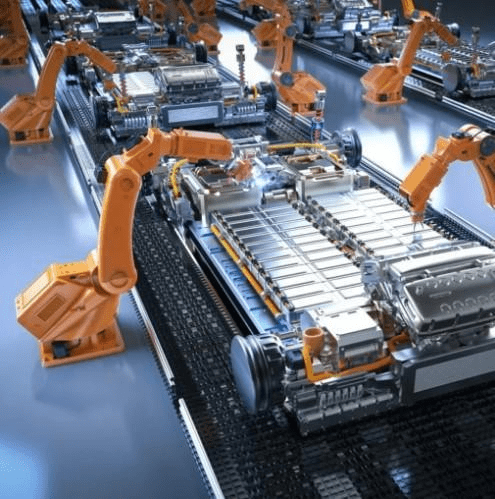
Akıllı robotik sistemlerin entegrasyonu, presleme ve kaynak işlemlerinin koordinasyonunda devrim yaratıyor . Daha gelişmiş robot sistemlerinin ortaya çıkışı, en sofistike sensörler, makine görüşü ve uyarlanabilir kontrol yapılarıyla bir araya gelmelerini gösteriyor; bunların tümü, yüksek hassasiyetli kaynak yapma yeteneklerini büyük ölçüde artırıyor. İşbirlikçi robotlar veya kobotlar, yakın gelecekte yaygınlaşarak esnek bir üretim ortamında insan operatörler aracılığıyla çalışacaklar. Bu sistemler, farklı ürün tasarımlarıyla hızlı bir şekilde işbirliği yaparak, değişkenlik ve özelleştirme ihtiyaçlarının yüksek olduğu sektörlerde vazgeçilmez hale geliyor.
3. Dijital İkiz ve Simülasyon Teknolojileri
Otomotiv endüstrisindeki otomasyon devrimi, bilgisayar destekli montaj prosedürlerine yönelik tasarlanmış çok karmaşık teknolojilerin uygulanmasını gerektiriyor. Günümüzde, entegre yazılımlar, üretime yardımcı olmak için üretim modelleri oluşturmaya yardımcı oluyor. Dijital İkiz teknolojisi, fiziksel üretim sisteminin sanal bir kopyasını oluşturmak için damgalama ve kaynak entegrasyonunun kullanımından evrimleşmiştir. Bu dijital ikizler, dinamiklere referansla malzemeleri, aletleri ve süreçleri temsil etmek için kullanılabilir.
Bu bağlamda, her bir set simüle edilmiş gerilim veya fizyografik yük değerlerine sahip olabilir. En gelişmiş simülasyon araçlarını kullanarak, üreticiler üretimden önce bile deformasyon, yanlış hizalama veya kaynak kusurlarıyla ilgili potansiyel sorunları tahmin edebilirler. Sonuç olarak, maliyetli deneme yanılma çabalarına olan ihtiyaç başarıyla azaltılır ve ekonomiye dağıtım için tamamen tasarlanmış ve optimize edilmiş üretim çözümlerinin geliştirilmesi sağlanır.
4. Takım ve Fikstürlerde Katmanlı Üretim
Katmanlı üretim veya 3D baskının endüstriyel alanda giderek daha fazla benimsenmesi, hassas presleme ve kaynak sistemleri için özelleştirilmiş takım ve fikstürlerin üretimine yol açmaktadır. Geometrileri de birçok karmaşıklığı beraberinde getirmektedir, çünkü üretici, özellikle geometriye uygunluk açısından, ilerlemek için gerekli araçları kaybetmektedir. Hafif fikstürler, optimize edildiklerinde, stabilite ve kaynak hassasiyeti söz konusu olduğunda verimliliği önemli ölçüde artırır. Dahası, hızlı prototipleme yeteneği, kısaltılmış teslim sürelerinden kaynaklanan daha iyi tasarım yinelemelerinden yararlanma olanağı sağlar.
5. Gelişmiş Malzemeler ve Birleştirme Teknikleri
Ultra yüksek mukavemetli çelikler ve hafif alaşımlar gibi yeni malzemelerin geliştirilmesi, gelişmiş birleştirme tekniklerine olan ihtiyacı artırmıştır. Hibrit lazer ark kaynağı ve sürtünmeli karıştırma kaynağı gibi yeni kaynak yöntemleri, bu malzemeleri etkili bir şekilde işlemek için presleme işlemlerine entegre edilmektedir. Bu teknikler, modern presleme işlemleriyle uyumluluğu korurken daha güçlü bağlantılar ve daha iyi performans sağlar. Ayrıca, yapısal bütünlükten ödün vermeden hafif tasarım eğilimini de desteklerler.
6. Yapay Zeka ve Makine Öğrenimi Uygulamaları
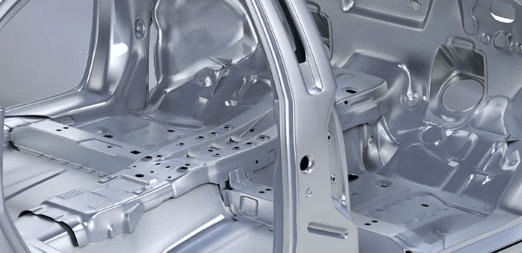
Yapay zekâ (YZ) ve makine öğrenimi gibi iki önemli teknoloji, entegre tesis üretim süreçlerinin optimize edilme biçimini değiştiriyor. Bu teknolojiler, eğilimleri belirlemek ve süreç iyileştirmeleri için öneriler sunmak amacıyla çok büyük miktarda üretim verisini kullanıyor. Yapay zekâ destekli kaynak yazılımı, kaynak kalitesini tahmin ediyor, presleme parametrelerini optimize ediyor ve genel sistem verimliliğini artırıyor. Zamanla bu sistemler öğreniyor ve uyum sağlıyor, böylece üretimde performansın daha da optimize edilmesine olanak tanıyor.
Son Düşüncelerimiz
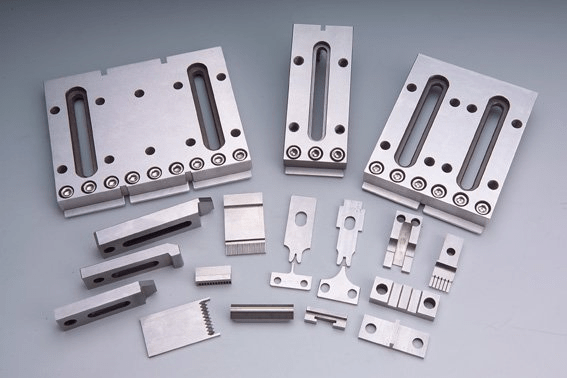
Presleme ve kaynak işlemlerinin entegrasyonu, karmaşık metal parçaların üretiminde oldukça güçlü bir performans sergiler. Şekillendirme ve birleştirme süreçlerinin birlikte kullanılması, üreticilere daha yüksek verimlilik, daha iyi ürün kalitesi ve artırılmış tasarım esnekliği avantajları sağlar. Teknoloji ilerledikçe, bu entegre yaklaşım modern metal işleme endüstrilerinde daha da büyük bir etkiye sahip olacaktır.