
Pièces embouties en acier au carbone ou en acier inoxydable : 9 différences clés
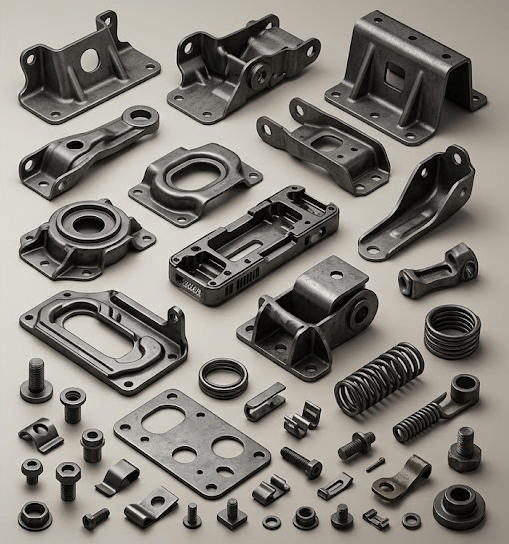
L'emboutissage est un procédé de fabrication largement utilisé pour produire en grande série des composants de précision dans de nombreux secteurs industriels tels que l'automobile, l'électronique, l'électroménager, l'aérospatiale, etc. L'acier au carbone et l'acier inoxydable sont fréquemment employés pour l' emboutissage de pièces . Bien que ces deux matériaux présentent des avantages distincts, leurs différences en termes de résistance, de résistance à la corrosion, de coût et de procédés de fabrication font qu'ils conviennent finalement à des applications différentes.
Le choix entre l'emboutissage de pièces en acier au carbone et en acier inoxydable nécessite une bonne compréhension de leurs propriétés et de leur comportement en conditions réelles. Cet article compare les deux options afin d'aider les fabricants à choisir le matériau le plus adapté à leurs besoins spécifiques.
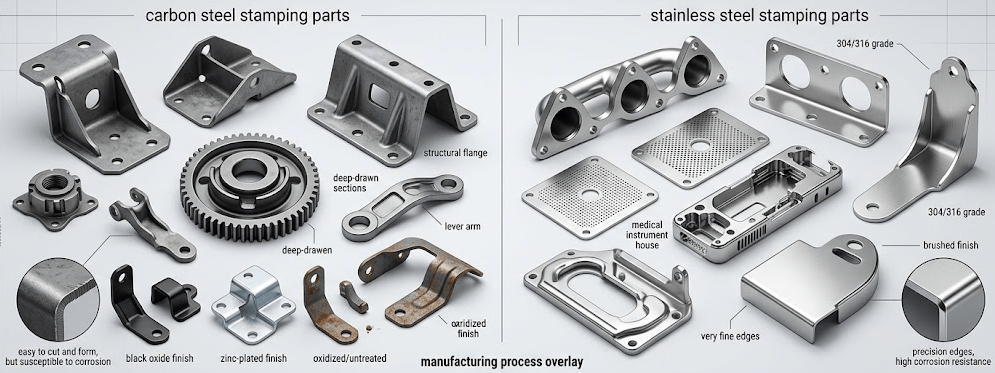
Table des Matières
Aperçu des pièces embouties en acier au carbone
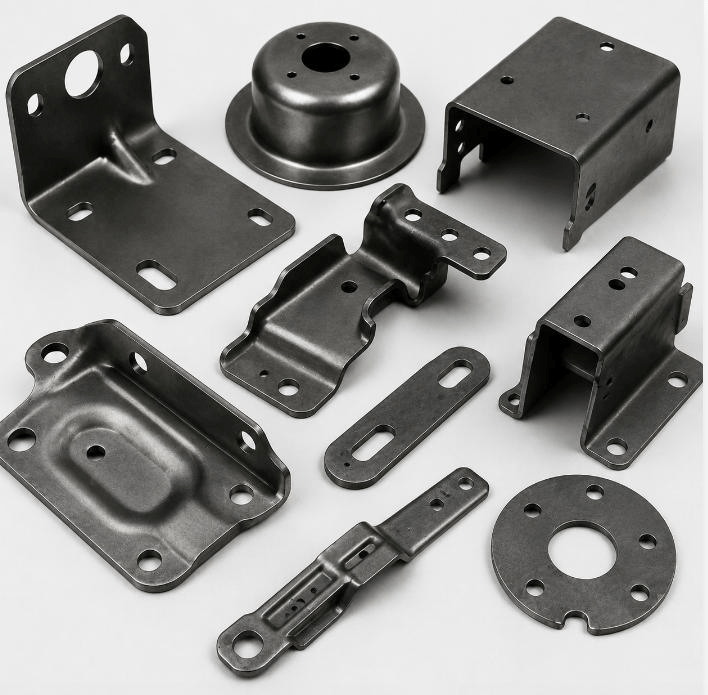
Les pièces embouties en acier au carbone sont fabriquées à partir de tôles ou de bobines d'acier au carbone par des procédés tels que le poinçonnage, le pliage, l'emboutissage profond et l'emboutissage progressif. L'acier au carbone est essentiellement du fer contenant du carbone, ainsi que quelques autres éléments qui, en pratique, déterminent son comportement mécanique.
L'acier au carbone est généralement divisé en trois types principaux.
- Acier à faible teneur en carbone: contient très peu de carbone et offre une excellente formabilité et soudabilité.
- Acier au carbone moyen: offre plus de résistance et de dureté, pour des utilisations plus exigeantes ou avec des charges lourdes.
- Acier à haute teneur en carbone: offre une grande dureté et une meilleure résistance à l'usure, mais il est plus difficile à façonner.
Grâce à son prix abordable et à sa fiabilité, l'emboutissage de l'acier au carbone est largement utilisé pour les composants structurels, les supports, les fixations, les pièces automobiles et les composants de machines industrielles.
Aperçu des pièces embouties en acier inoxydable
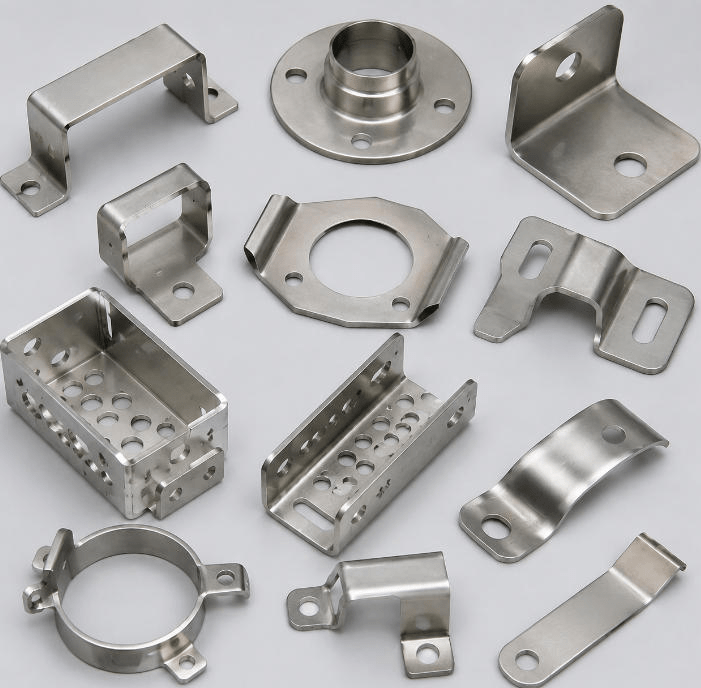
Les pièces embouties en acier inoxydable sont des pièces de précision fabriquées à partir de tôles d'acier inoxydable par des procédés de pressage et de formage. L'acier inoxydable contient du chrome, qui forme une fine couche d'oxyde protectrice en surface, lui conférant une excellente résistance à la corrosion.
Les nuances d'acier inoxydable couramment utilisées pour l'estampage comprennent :
- acier inoxydable 304Il est reconnu pour son excellente résistance à la corrosion et sa polyvalence.
- acier inoxydable 316Il offre une résistance accrue à la corrosion, notamment en milieu marin ou chimique.
- Acier inoxydable 430 : Il offre une bonne résistance à la corrosion à moindre coût, et présente également un comportement magnétique satisfaisant.
Les pièces embouties en acier inoxydable sont souvent utilisées dans les équipements médicaux, les machines de transformation alimentaire, l'électronique, les assemblages automobiles et les applications extérieures.
Principales différences entre les pièces embouties en acier au carbone et en acier inoxydable
1. Composition et structure des matériaux
La principale différence entre les composants emboutis en acier au carbone et en acier inoxydable réside essentiellement dans leur composition chimique, et guère plus.
L'acier au carbone est principalement composé de fer et de carbone, la teneur en carbone influençant sa dureté, sa résistance et sa flexibilité. Plus la teneur en carbone est faible, plus l'acier est facile à presser, à plier et à façonner, ce qui facilite l'emboutissage. À l'inverse, une teneur plus élevée en carbone accroît la dureté et la résistance à l'usure, mais diminue souvent la formabilité. L'acier au carbone ne contenant que de faibles quantités d'additifs anticorrosion, il a tendance à s'oxyder et à rouiller plus rapidement.
L'acier inoxydable contient du fer, du carbone, du chrome et souvent d'autres éléments d'alliage comme le nickel, ainsi que du molybdène dans certaines nuances. Le chrome contribue à la formation d'une fine couche d'oxyde protectrice en surface. Cette barrière empêche la corrosion, permettant ainsi à la pièce emboutie de conserver sa durabilité même dans des conditions exigeantes. En d'autres termes, ce type de protection de surface confère aux pièces embouties en acier inoxydable une meilleure fiabilité dans le temps.
2. Résistance à la corrosion
La résistance à la corrosion est, en pratique, l'une des différences les plus importantes entre les pièces embouties en acier au carbone et en acier inoxydable, du moins la plupart du temps.
L'acier au carbone présente une résistance intrinsèque relativement faible à l'humidité, aux produits chimiques réactifs et aux environnements salins. Au contact de l'oxygène et de l'humidité, il peut rouiller, ce qui altère son aspect et sa résistance structurelle. C'est pourquoi, pour améliorer sa résistance à la corrosion, les pièces embouties en acier au carbone nécessitent souvent des traitements supplémentaires tels que la galvanisation, la peinture de surface, le revêtement en poudre ou le traitement électrolytique.
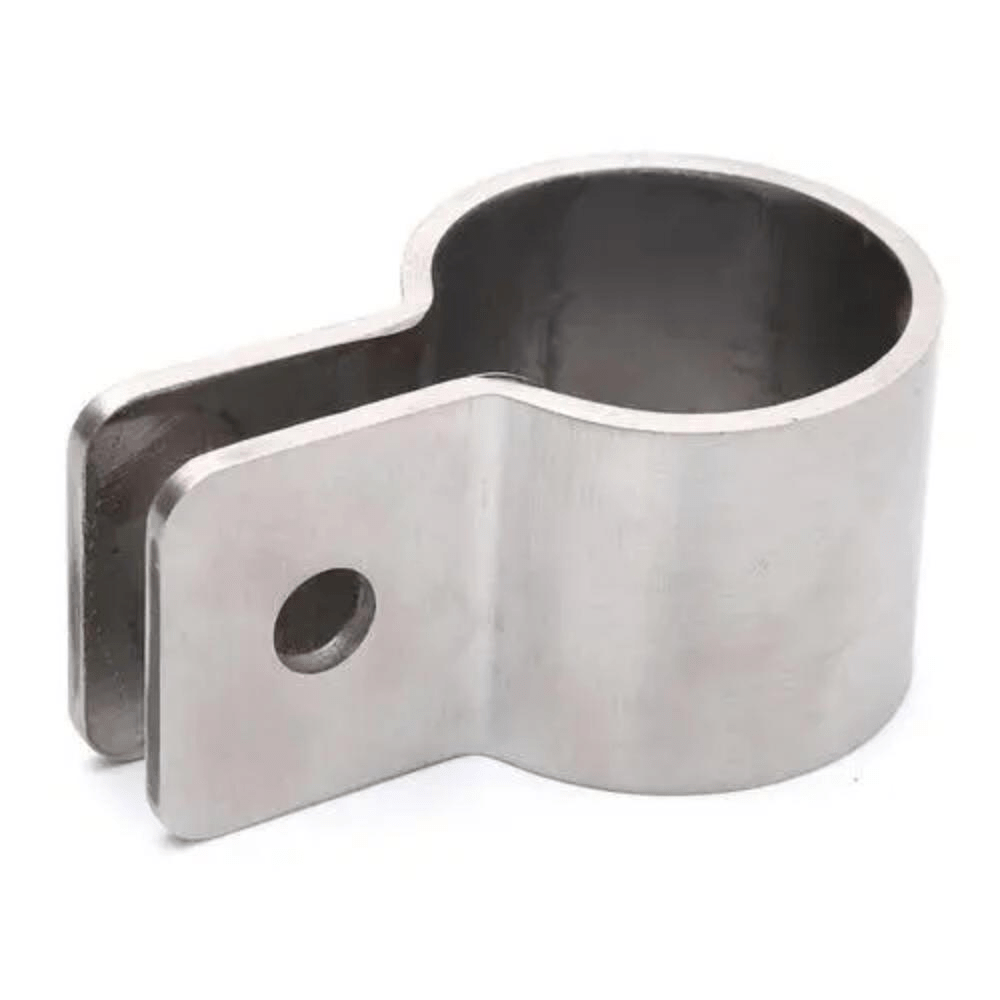
Les pièces embouties en acier inoxydable offrent une excellente résistance à la corrosion grâce à la formation d'une couche passive riche en chrome en surface. Elles supportent l'exposition à l'eau, aux produits chimiques et aux environnements difficiles avec un minimum d'entretien. De ce fait, l'acier inoxydable est particulièrement adapté aux équipements marins, aux machines de transformation alimentaire, aux instruments médicaux et aux applications extérieures.
3. Résistance et performances mécaniques
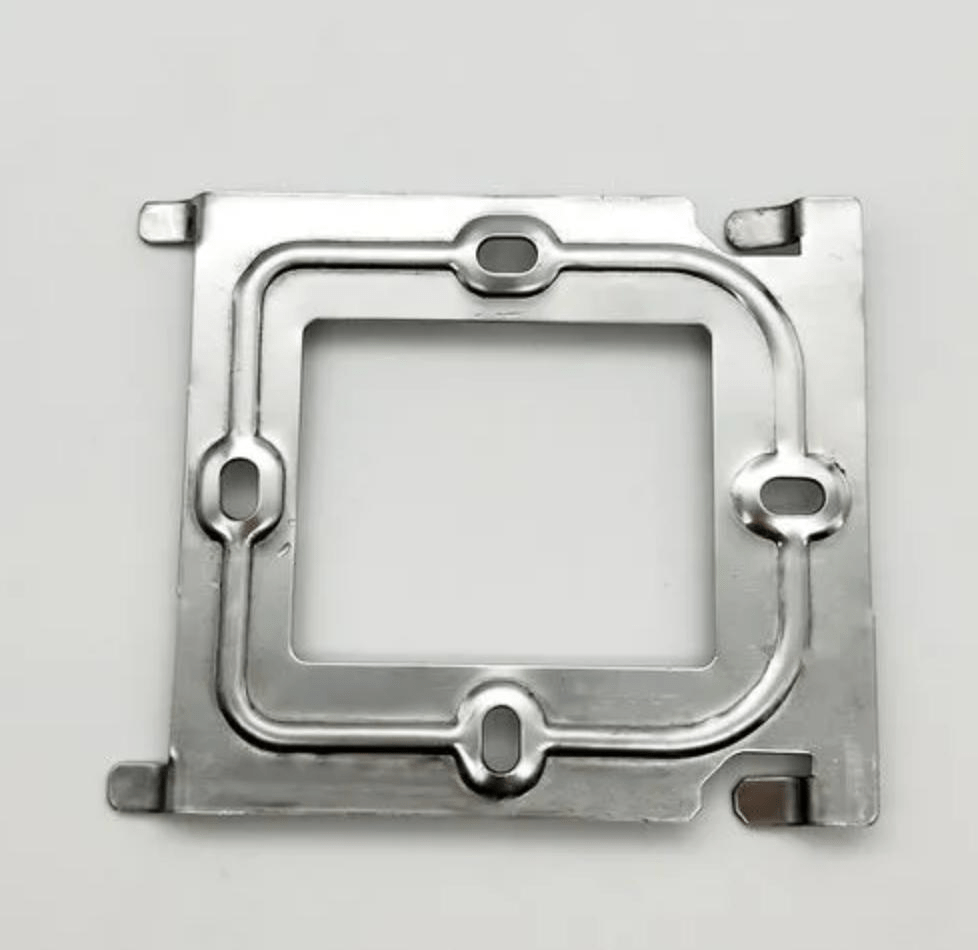
L'acier au carbone et l'acier inoxydable offrent tous deux d'excellentes performances mécaniques, bien que leur comportement varie considérablement en fonction de la nuance spécifique et de l'usage auquel ils sont destinés.
L'acier au carbone est souvent apprécié pour sa haute résistance et sa capacité de charge fiable ; il est particulièrement adapté aux applications soumises à des contraintes régulières. Les aciers à teneur moyenne et élevée en carbone, notamment, offrent une dureté accrue ainsi qu'une meilleure résistance à l'usure, ce qui les rend idéaux pour les composants robustes et les applications structurelles.
L'acier inoxydable offre une excellente résistance mécanique et une protection nettement supérieure contre les agressions environnementales. Certaines nuances d'acier inoxydable présentent une très bonne résistance à la traction, une bonne résistance aux chocs et d'excellentes performances à hautes et basses températures. Cette combinaison de robustesse et de durabilité fait de l'acier inoxydable un choix judicieux pour les industries exigeant de longs intervalles d'entretien et une réduction des remplacements.
Pour les applications privilégiant la résistance mécanique et la maîtrise des coûts, l'acier au carbone est souvent choisi. En revanche, pour les applications exigeant à la fois résistance, résistance à la corrosion et longévité, l'acier inoxydable est généralement préférable.
4. Formabilité et procédé d'emboutissage
Le procédé d'emboutissage de l'acier au carbone et de l'acier inoxydable n'est pas non plus le même.
L'acier au carbone, notamment l'acier à faible teneur en carbone, présente généralement une excellente formabilité. Il est relativement facile à plier, à emboutir, à poinçonner et à façonner en formes complexes. Grâce à sa bonne ductilité, les fabricants peuvent maintenir une productivité élevée tout en réduisant les risques de fissuration lors des opérations de formage.
L'acier inoxydable est généralement plus difficile à estamper. Il est plus résistant et s'écrouit plus facilement lorsqu'il est déformé. De ce fait, les équipes ont souvent besoin d'outils spécifiques, de forces d'estampage plus importantes, de systèmes de lubrification plus performants et d'un contrôle rigoureux du processus pour obtenir des résultats constants et de haute qualité.
L'emboutissage de l'acier inoxydable peut sembler exiger des techniques de fabrication plus avancées, mais il permet tout de même de produire des pièces d'une grande durabilité globale et d'une forte résistance à la corrosion – c'est ce qui compte le plus en pratique.
5. Finition et aspect de surface
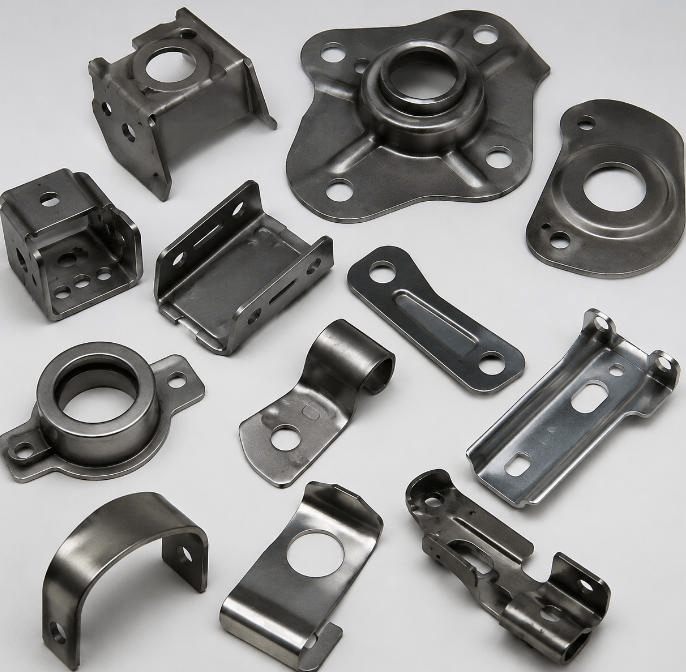
La finition de surface et l'aspect visuel des pièces embouties sont également des critères importants dans le choix du matériau.
L'acier au carbone présente généralement un aspect métallique simple, mais il nécessite souvent des finitions supplémentaires pour améliorer son esthétique et protéger sa surface. On recourt fréquemment à des traitements tels que la peinture, le plaquage, le polissage ou l'application d'un revêtement protecteur. Ces étapes permettent d'améliorer l'aspect de la pièce et d'en prolonger la durée de vie.
L'acier inoxydable, en revanche, conserve une surface naturellement propre et esthétique. Il peut être façonné selon différents styles, tels que le brossé, le satiné et le miroir. Grâce à son aspect haut de gamme et à ses propriétés hygiéniques, l'acier inoxydable est fréquemment choisi pour les biens de consommation, le matériel médical, les appareils électroménagers et les applications architecturales.
6. Comparaison des coûts
Le coût est un facteur déterminant dans le choix des matériaux pour les composants emboutis.
| Facteur de coût | Pièces d'emboutissage en acier au carbone | Pièces d'estampage en acier inoxydable |
| Coût matériel | Coût en adjuvantation plus élevé. | Meilleure performance du béton |
| Coût de traitement | Coût en adjuvantation plus élevé. | Meilleure performance du béton |
| Coût de l'outillage | Coût en adjuvantation plus élevé. | Meilleure performance du béton |
| Coût de production | Plus économique | Plus cher |
| Traitement de surface | Souvent requis | Généralement pas requis |
| Coût de maintenance | Meilleure performance du béton | Coût en adjuvantation plus élevé. |
| Durée de vie | Plus court dans les environnements difficiles | Plus long |
| Investissement initial | Coût en adjuvantation plus élevé. | Meilleure performance du béton |
| Valeur à long terme | Idéal pour les projets à faible coût | Idéal pour les projets axés sur la durabilité |
| Meilleur choix | Applications sensibles aux coûts | Applications hautes performances |
Lors de l'évaluation des coûts des matériaux, les fabricants doivent prendre en compte à la fois l'investissement initial et le coût total tout au long du cycle de vie du produit.
7. Domaines d'application
Les pièces embouties en acier au carbone sont très utilisées dans les industries où la résistance, le coût et l'efficacité de la production sont généralement des priorités absolues, et où l'on a tendance à privilégier les processus rapides. On les retrouve notamment dans les supports automobiles, les composants de machines, les éléments de construction, les armoires électriques, la visserie et les supports industriels.
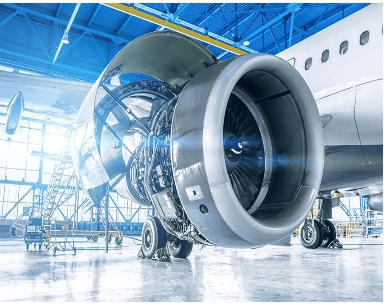
Les pièces embouties en acier inoxydable sont privilégiées lorsque la résistance à la corrosion, l'hygiène et la durabilité à long terme sont des critères essentiels. On les retrouve dans les équipements médicaux, les systèmes de transformation alimentaire, les composants marins, les machines chimiques, les pièces aérospatiales et les produits d'extérieur.
Le choix entre l'acier au carbone et l'acier inoxydable dépend souvent de l'environnement de travail et des performances attendues pour les pièces métalliques embouties sur mesure.
8. Maintenance et durée de vie
Les besoins en matière d'entretien constituent une autre différence importante entre ces deux matériaux.
Les pièces embouties en acier au carbone peuvent nécessiter une inspection régulière et un entretien protecteur, notamment lorsqu'elles sont installées dans des espaces humides ou des environnements corrosifs. Si le revêtement est endommagé, la surface de l'acier peut se fissurer, favorisant ainsi la rouille.
Les pièces embouties en acier inoxydable nécessitent généralement moins d'entretien grâce à leurs propriétés anticorrosion naturelles. Conservant leur intégrité structurelle et leur aspect sur le long terme, elles sont particulièrement adaptées aux applications exigeant une grande fiabilité et une réduction des temps d'arrêt.
9. Considérations environnementales
L'acier au carbone et l'acier inoxydable sont tous deux recyclables, ce qui en fait des options pratiques pour une production plus écologique.
L'acier au carbone bénéficie d'une filière de recyclage bien établie et est fréquemment réutilisé dans le secteur industriel. Son coût de production généralement plus faible le rend également attractif pour la production en grande série.
L'acier inoxydable est parfaitement recyclable et conserve ses propriétés, même après de nombreux recyclages. Sa longue durée de vie et son faible besoin d'entretien contribuent à réduire la consommation de ressources à long terme.
Tableau comparatif récapitulatif
| Facteur de comparaison | Pièces d'emboutissage en acier au carbone | Pièces d'estampage en acier inoxydable |
| Composition du matériau | Composé principalement de fer et de carbone, la teneur en carbone déterminant la résistance et la dureté | Contient du fer, du chrome, du carbone et d'autres éléments d'alliage tels que le nickel et le molybdène. |
| Résistance à la corrosion | Résistance à la corrosion réduite ; peut rouiller au contact de l’humidité, de l’oxygène ou de produits chimiques. | Excellente résistance à la corrosion grâce à la couche protectrice d'oxyde de chrome en surface |
| Performance de force | Offre une résistance et une capacité de charge élevées, notamment pour les nuances de carbone moyennes et élevées. | Offre des performances mécaniques robustes et une durabilité accrue dans les environnements difficiles. |
| Formabilité | Généralement plus facile à former, plier, poinçonner et estamper, en particulier l'acier à faible teneur en carbone | Plus difficile à former en raison de ses caractéristiques de résistance et d'écrouissage plus élevées |
| Exigences du processus d'estampillage | Nécessite un équipement d'estampage standard et des méthodes de traitement relativement simples | Peut nécessiter des matrices plus robustes, des forces d'emboutissage plus élevées, des lubrifiants spécialisés et un contrôle précis du processus. |
| Usure de l'outillage | Réduit l'usure des outils grâce à sa plus faible dureté dans de nombreuses nuances. | Peut accroître l'usure des outils en raison d'une dureté et d'un écrouissage plus élevés. |
| Finition de surface | Nécessite généralement des traitements supplémentaires tels que la peinture, le plaquage ou le revêtement en poudre. | Il offre naturellement un aspect métallique net et permet d'obtenir des finitions polies, brossées ou satinées. |
| Exigences d'entretien | Nécessite plus d'entretien, notamment dans les environnements humides ou corrosifs. | Nécessite moins d'entretien grâce à son excellente résistance à la corrosion |
| Prix | Coût des matériaux inférieur et plus économique pour la production en grande série | Coût des matériaux plus élevé en raison des éléments d'alliage tels que le chrome et le nickel |
| Durée de vie | Bonne durée de vie si le revêtement et l'entretien sont appropriés. | Durée de vie prolongée, notamment dans les environnements exigeants |
| Résistance à la température | Convient aux plages de températures industrielles normales | Meilleures performances dans des conditions de température élevées et basses |
| Performances d'hygiène | Peut nécessiter des revêtements protecteurs pour les applications hygiéniques | Idéal pour les environnements hygiéniques grâce à ses surfaces lisses et non poreuses |
| Meilleur choix pour | Applications exigeant une résistance élevée, un faible coût et une fabrication efficace | Applications exigeant une résistance à la corrosion, une durabilité, une apparence soignée et une fiabilité à long terme |
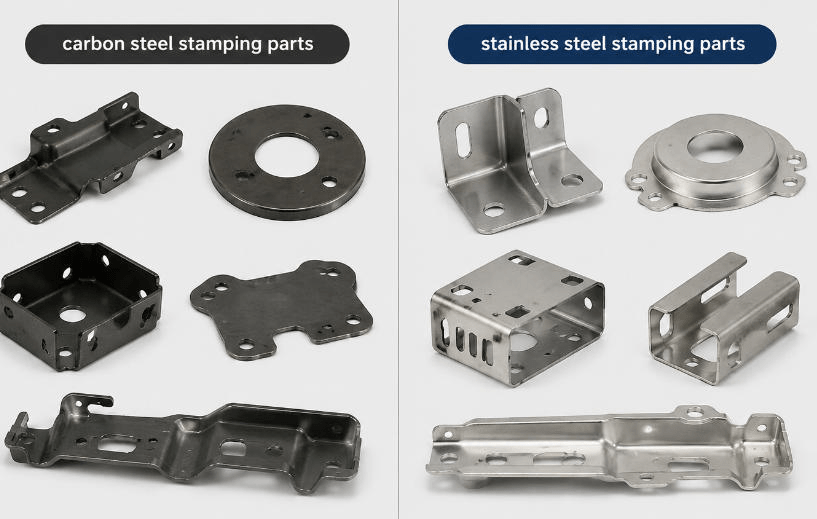
Comment choisir entre les pièces embouties en acier au carbone et en acier inoxydable
Le choix entre les pièces embouties en acier au carbone et en acier inoxydable doit être basé sur les exigences spécifiques de l'application.
- acier au carbone pièce d'estampage est une convient choix lorsque le projet l'exige haute résistance, rentabilité et facilité de mise en œuvre dans un environnement contrôlé. Il est idéal pour applications où la protection contre la corrosion peut être obtenue par des revêtements ou des traitements de surface.
- Inox est le meilleure choix lorsque les composants doivent résister à l'humidité, aux produits chimiques, aux températures extrêmes ou aux exigences d'hygiène strictess. Bien qu'il ait un coût initial plus élevé, son durabilité et résistance à la corrosionnous pouvons fournir des avantages plus importants à long terme.
Les fabricants doivent vérifier les conditions de fonctionnement, la durée de service requise, le volume de production, les performances mécaniques et le budget disponible avant de choisir le matériau le plus approprié.
Réflexions finales
L'emboutissage de pièces en acier au carbone et en acier inoxydable présente des avantages différents pour la fabrication moderne. La connaissance des principales différences entre ces deux matériaux permet aux fabricants de prendre de meilleures décisions lors de la conception et de la production de composants emboutis. En choisissant le matériau adapté aux exigences de performance et à l'environnement d'application, les fabricants peuvent atteindre une meilleure qualité de produit, un fonctionnement fiable et une rentabilité accrue.