
Özel CNC Parçaları Nasıl Sipariş Edilir: Ayrıntılı Adım Adım Kılavuz
Özel CNC parçaları, yüksek hassasiyetleri, güçlü tekrarlanabilirlikleri ve karmaşık şekilleri üretebilme yetenekleri nedeniyle yaygın olarak kullanılmaktadır. Bununla birlikte, özel CNC parçaları sipariş ederken , nihai bileşenlerin tasarım hedefiyle, gerekli kalite seviyesiyle ve üretimin daha sonraki beklentileriyle tam olarak örtüşmesi için dikkatli bir planlama yapılması gerekmektedir.
Teknik çizimlerin hazırlanmasından doğru malzemenin seçilmesine ve üretim detaylarının doğrulanmasına kadar her adım çok önemlidir. Sipariş sürecinin nasıl işlediğini anlarsanız, mühendisler, tasarımcılar ve hatta işletmeler, gereksiz gidip gelmelerden kurtularak hataları azaltabilir, maliyetleri kontrol altına alabilir ve genel üretim verimliliğini artırabilir.
İçindekiler
Temellerini Anlamak Özel CNC Parçaları
Özel CNC parçaları, müşterinin verdiği tasarımlar, çizimler veya özellikler kullanılarak CNC işleme yoluyla üretilen hassas bileşenlerdir . Pratikte, CNC makineleri, kesici takımları bir iş parçasından malzeme çıkarmaya yönlendiren bilgisayar kontrollü talimatlarla çalışır. Bu sayede, başka hiçbir şekilde yapılması zor olan karmaşık konturlara ve küçük özelliklere sahip parçalar da dahil olmak üzere hassas parçalar elde edilir.
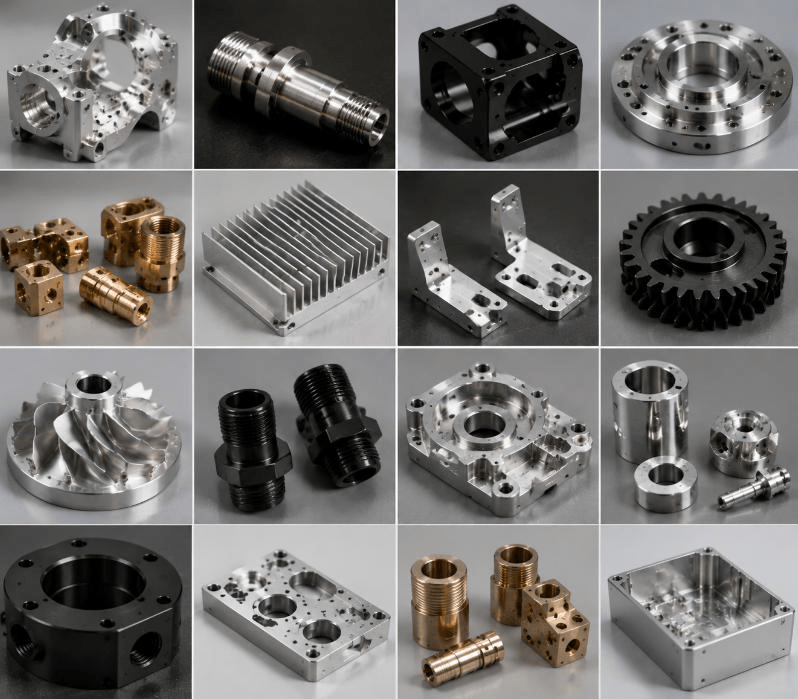
Bu CNC işleme parçaları , metaller, plastikler ve kompozit malzemeler de dahil olmak üzere birçok malzeme türünden üretilebilir. Tasarımın gerektirdiği şeye bağlı olarak, CNC işleme, temel bileşenlerden, sıkı toleranslara ve oldukça karmaşık geometriye sahip zorlu montajlara kadar her şeyi halledebilir.
Özel CNC parçaları, genellikle hazır bileşenlerin tam boyut, performans davranışı, malzeme özellikleri veya genel tasarım karmaşıklığı gibi belirli ihtiyaçları karşılayamadığı durumlarda tercih edilir.
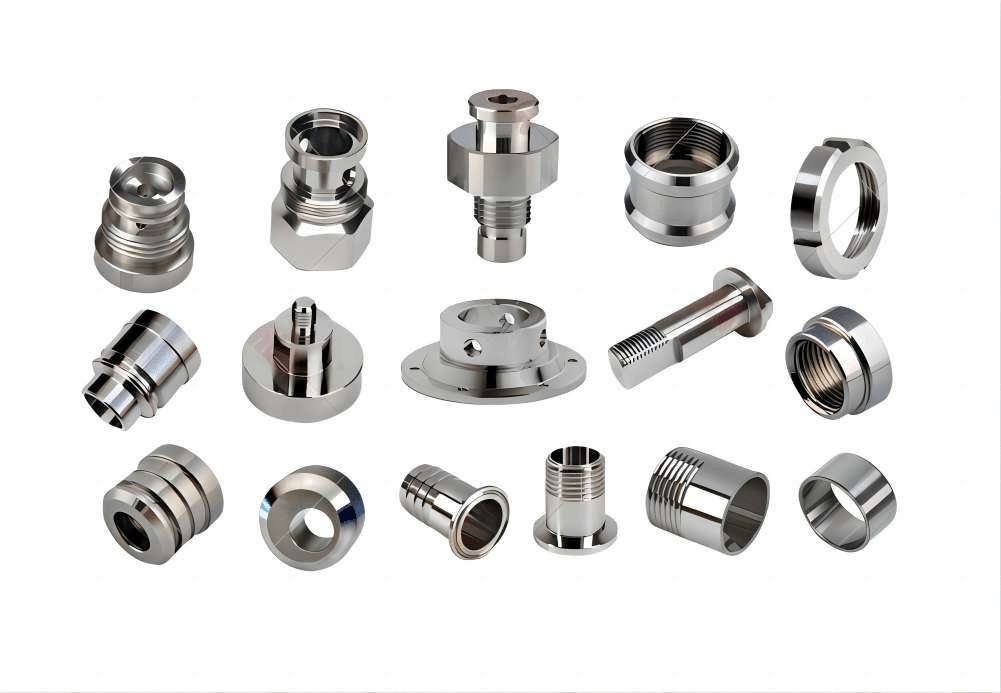
Sipariş Verme Sürecinin Temel Adımları Özel CNC Parçaları
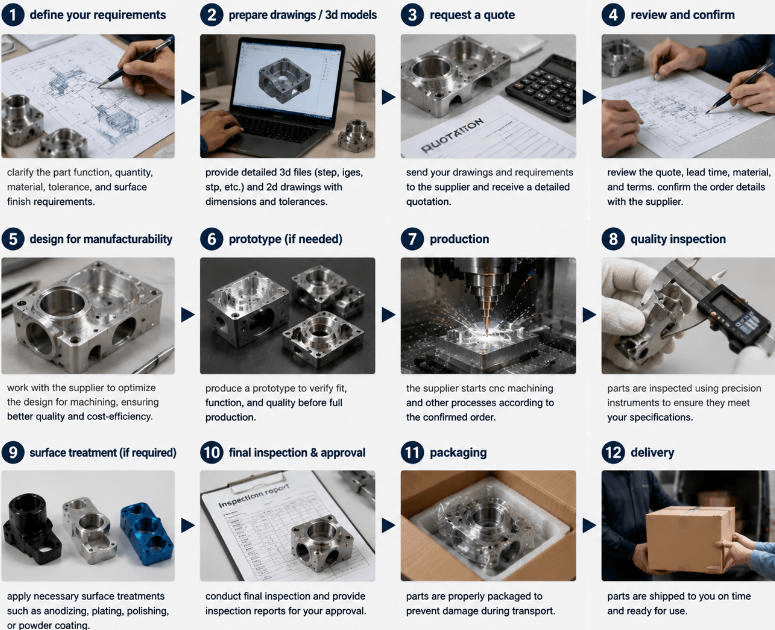
1 Adım. CNC Parça Gereksinimlerinizi Belirleyin
Özel CNC parçaları sipariş etmenin ilk adımı, elbette, CNC parça ihtiyaçlarınızı tanımlamaktır. Yani, projenin ne için olduğunu, parçanın ne yapması gerektiğini ve ondan ne tür bir performans beklediğinizi belirlemelisiniz. Bir CNC işleme tedarikçisiyle iletişime geçmeden önce, bu ayrıntıları belirlemelisiniz.
Parça boyutlarını, gerçekten ihtiyaç duyduğunuz toleransları, yüzey kalitesi seviyesini, çalışma ortamını ve sipariş etmeyi planladığınız parça sayısını belirlemeniz gerekecek. Örneğin, havacılık sektöründe kullanılan parçalar genellikle son derece sıkı toleranslar ve hafif malzemeler gerektirir. Öte yandan, endüstriyel bileşenler dayanıklılık ve aşınma direncine daha çok önem verebilir.
Uygulamayı iyi anlıyorsanız, üretici size uygun işleme stratejileri, malzeme kaliteleri ve son işlem seçenekleri önerebilir.
2 Adım. Detaylı CAD çizimleri ve teknik şartnameler hazırlayın.
CNC işleme için doğru tasarım dosyaları şarttır. Çoğu CNC parça üreticisi, tasarımı incelemek ve ardından işleme talimatlarını oluşturmak için 2 boyutlu mühendislik çizimleri veya 3 boyutlu CAD modelleri talep eder.
Yaygın dosya formatları şunlardır:
- ADIM (.step veya .stp)
- IGES (.igs veya .iges)
- SolidWorks türü dosyalar
- Varsa AutoCAD çizimleri.
- Fusion 360 belgeleri
Teknik çizimler ayrıca şu gibi gerçekten önemli şeyleri de göstermelidir:
- Genel boyutlar, açıkça
- Deliklerin yerleri ve boyutları
- geometrik toleranslar
- Diş özellikleri
- Yüzey işleme gereksinimleri
- Malzeme bilgisi
- Özel işleme talimatları
İyi hazırlanmış dokümantasyon, iletişim sorunlarını azaltmaya yardımcı olur ve üretilen parçanın orijinal tasarımla uyumlu olmasını sağlar.
3 Adım. Doğru CNC İşleme Sürecini Seçin
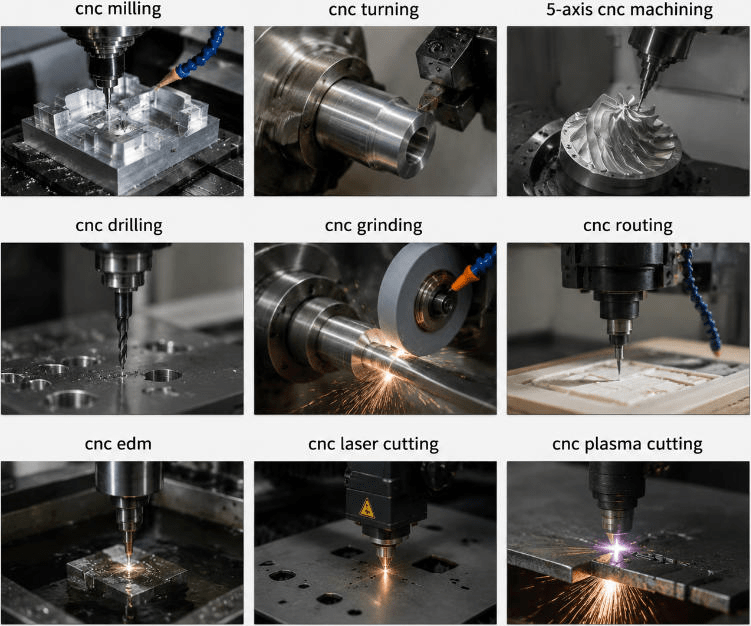
Farklı CNC işleme süreçleri, farklı parça tasarımları ve uygulamaları için uygundur. CNC parça tedarikçiniz, parçanızın karmaşıklığına ve gereksinimlerine bağlı olarak en etkili üretim yöntemini belirlemenize yardımcı olabilir.
Yaygın CNC işleme süreçleri şunlardır:
| CNC İşleme Süreci | Çalışma prensibi | Temel Avantajlar | ortak Başvurular |
| CNC Freze | Dönen kesici takımlar kullanarak sabit bir iş parçasından malzeme çıkarır ve karmaşık şekiller, yuvalar, delikler ve yüzeyler oluşturur. | Yüksek hassasiyetli, çok yönlü, karmaşık geometriler ve çoklu özellikler için uygun. | Makine gövdeleri, braketler, kalıplar, havacılık ve uzay bileşenleri, prototipler. |
| CNC Torna | Kesici alet malzemeyi çıkarırken iş parçasını döndürerek silindirik veya yuvarlak parçalar oluşturur. | Yüksek boyutsal hassasiyetle simetrik parçalar üretmek için verimlidir. | Miller, burçlar, cıvatalar, bağlantı elemanları, makaralar, silindirik parçalar. |
| 5 Eksenli CNC İşleme | Kesici takımı veya iş parçasını beş farklı eksen boyunca hareket ettirerek, tek bir kurulumda birden fazla açıdan işleme yapılmasına olanak tanır. | Son derece karmaşık parçaları mükemmel doğrulukla ve azaltılmış kurulum süresiyle üretir. | Havacılık ve uzay parçaları, tıbbi implantlar, türbin bileşenleri, karmaşık mekanik parçalar. |
| CNC Delme | Dönen matkap uçları kullanarak çeşitli malzemelerde hassas delikler açar. | Tutarlı sonuçlarla hızlı ve hassas delik üretimi. | Plakalar, motor parçaları, elektronik parçalar, montaj parçaları. |
| CNC Taşlama | Az miktarda malzemeyi uzaklaştırmak ve son derece pürüzsüz yüzeyler elde etmek için aşındırıcı tekerlekler kullanır. | Mükemmel yüzey kalitesi ve sıkı boyut toleransları sağlar. | Hassas aletler, rulmanlar, kalıplar, yüksek hassasiyetli mekanik parçalar. |
| CNC Yönlendirme | Plastik, ahşap ve kompozit gibi daha yumuşak malzemeleri şekillendirmek ve kesmek için dönen bir kesme aleti kullanır. | Yüksek hızlı kesim ve büyük düz parçalar için uygundur. | Plastik parçalar, tabelalar, kompozit paneller, mobilya bileşenleri. |
| CNC EDM (Elektrik Deşarj İşleme) | İletken malzemelerden doğrudan kesme kuvveti uygulamadan, kontrollü elektrik kıvılcımları kullanarak malzeme çıkarır. | Karmaşık şekiller, sert malzemeler ve ince detaylar için idealdir. | Kalıplar, döküm kalıpları, hassas aletler, havacılık ve uzay bileşenleri. |
| CNC Lazer Kesim | Odaklanmış bir lazer ışını kullanarak malzemeleri yüksek hassasiyetle keser veya kazır. | Hızlı işlem hızı, temiz kesimler ve minimum malzeme israfı. | Sac metal parçalar, dekoratif bileşenler, muhafazalar, prototipler. |
| CNC Plazma Kesim | Elektrik iletkenliğine sahip metalleri kesmek için yüksek sıcaklıkta plazma arkı kullanır. | Kalın metal levhaların ve plakaların hızlı kesimi için uygundur. | Çelik yapılar, ağır makine parçaları, metal imalatı. |
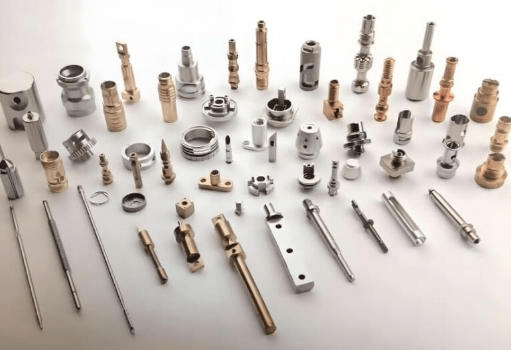
| CNC İsviçre İşleme | Kayar iş mili tasarımı sayesinde küçük, uzun ve yüksek hassasiyet gerektiren parçaların işlenmesinde kullanılır. | Mükemmel doğruluk, küçük çaplı parçalar ve yüksek hacimli üretim için verimli. | Tıbbi cihazlar, saat parçaları, elektronik konektörler, hassas ölçüm aletleri. |
Uygun işleme yönteminin seçilmesi, doğruluğu, üretim hızını ve maliyet verimliliğini artırır.
4 Adım. Uygun Malzemeleri Seçin
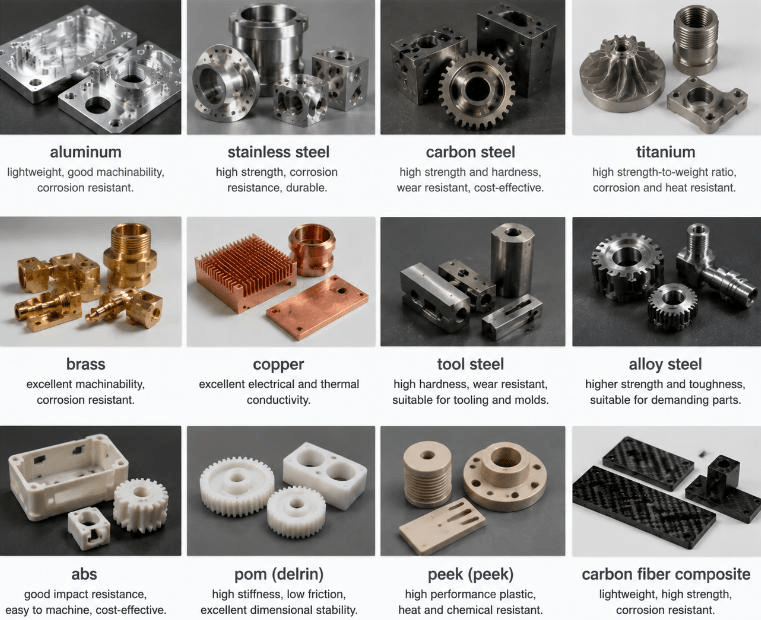
CNC parçaları için malzeme seçimi, performans, kullanım ömrü ve nihai maliyet açısından önemlidir. Temel olarak, farklı işler farklı malzeme özelliklerini gerektirir; bunlar arasında mekanik dayanıklılık, korozyona direnç, düşük yoğunluklu ağırlık ve ısı toleransı yer alır.
| CNC İşleme Malzemesi | Temel özellikler | Avantajlar |
| Alüminyum | Hafif, korozyona dayanıklı, mükemmel işlenebilirlik özelliğine sahip, iyi mukavemet-ağırlık oranına sahip. | İşlenmesi kolay, uygun maliyetli, karmaşık tasarımlar ve hızlı üretim için uygun. |
| Paslanmaz çelik | Yüksek mukavemet, mükemmel korozyon direnci, iyi dayanıklılık, ısıya dayanıklılık. | Uzun kullanım ömrü, zorlu ortamlara uygunluk, gerilim altında mekanik özelliklerini koruma. |
| Karbon çelik | Güçlü, dayanıklı, aşınmaya karşı dirençli ve çeşitli kalitelerde mevcuttur. | Bazı özel metallere kıyasla yüksek mekanik dayanım ve ekonomiklik sunar. |
| Titanyum | Yüksek mukavemet-ağırlık oranı, mükemmel korozyon direnci, ısıya dayanıklılık. | Hafif, son derece dayanıklı, yüksek performanslı uygulamalar için uygun. |
| Pirinç/Bakır | Mükemmel elektrik ve ısı iletkenliği, korozyona dayanıklı. | Verimli ısı veya elektrik transferi gerektiren uygulamalar için idealdir. |
| Takım Çeliği | Son derece sert, aşınmaya dayanıklı ve yüksek sıcaklıklarda bile mukavemetini koruyabilen bir malzeme. | Mükemmel dayanıklılık ve yüksek gerilim gerektiren uygulamalar için uygundur. |
| Plastik (ABS) | Hafif, darbelere dayanıklı, işlenmesi kolay. | Düşük maliyetli, prototipler ve fonksiyonel testler için ideal. |
| Plastik (POM/Delrin) | Düşük sürtünme, yüksek boyutsal kararlılık, neme dayanıklılık. | Mükemmel aşınma direnci ve hassas performans. |
| DİKİZLEMEK | Üstün kimyasal ve sıcaklık direncine sahip yüksek performanslı mühendislik plastiği. | Metallere göre üstün dayanıklılığa sahip hafif bir alternatif. |
| Karbon Fiber Kompozit | Hafif, sert ve yüksek mukavemetli kompozit malzeme. | Mükemmel mukavemet-ağırlık oranı ve titreşim direnci. |
| Nikel Alaşımları | Yüksek sıcaklık dayanımı, korozyon direnci ve oksidasyon direnci. | Aşırı ortamlarda iyi performans gösterir. |
Üreticinizle malzeme seçeneklerini görüşmek, performans gereksinimleri ve üretim maliyetleri arasında denge kurmanıza yardımcı olabilir.
5 Adım. CNC İşleme Teklifi İsteyin
Tasarım dosyalarını ve gerekli özellikleri hazırladıktan sonraki adım, bir CNC işleme tedarikçisinden fiyat teklifi istemektir. Üretici genellikle parçanın karmaşıklığını, beklenen işleme süresini, seçilen malzeme ihtiyaçlarını, takım gereksinimlerini, gerekli son işlem adımlarını ve üretim miktarını değerlendirecektir.
Fiyat teklifi süreci, müşterilere farklı tedarikçileri karşılaştırma ve olası üretim maliyetine dair daha net bir fikir edinme olanağı sunar. Prototip parçalar veya düşük hacimli siparişler için, kurulum ve programlama çabası toplam fiyatın daha büyük bir bölümünü oluşturabilir. Daha büyük üretim serileri için, üretim verimliliği zamanla arttığı için birim fiyat genellikle düşer.
Ayrıntılı bir fiyat teklifi, fiyat bilgilerini, teslim süresini, kalite standartlarını ve gerekebilecek ek hizmetleri açık bir şekilde içermelidir.
6 Adım. Üretime başlamadan önce prototipleri onaylayın.
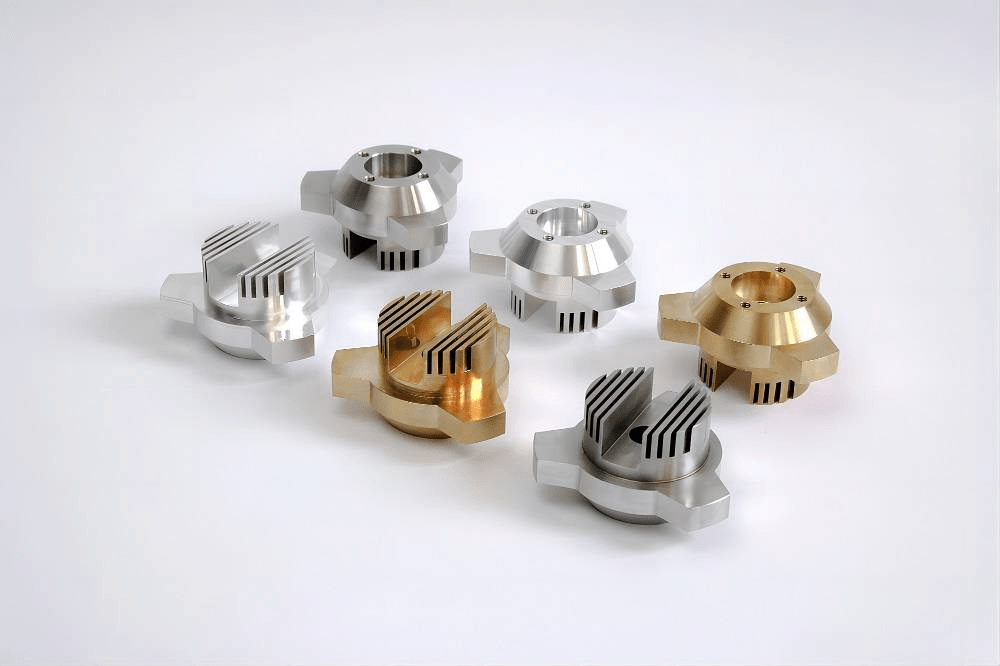
Yeni tasarımlar veya karmaşık bileşenler için, seri üretimden önce prototip üretmek genellikle değerli bir adımdır. CNC prototip işleme, müşterilere parçanın işlevsel beklentileri ve boyut gereksinimlerini gerçekten karşılayıp karşılamadığını doğrulama şansı verir.
Prototip değerlendirmesi sırasında müşteriler, parçanın doğru şekilde uyup uymadığını, beklendiği gibi çalışıp çalışmadığını ve montaj ihtiyaçlarını karşılayıp karşılamadığını inceleyebilirler. Herhangi bir tasarım sorunu bulunursa, daha büyük üretim miktarlarına geçmeden önce değişiklikler yapılabilir.
Prototip testleri, üretim risklerini azaltır ve nihai üretim parçalarının istikrarlı ve tutarlı bir kaliteye ulaşmasını sağlamaya yardımcı olur.
adım 7. Uygun Yüzey İşleme Seçeneklerini Seçin
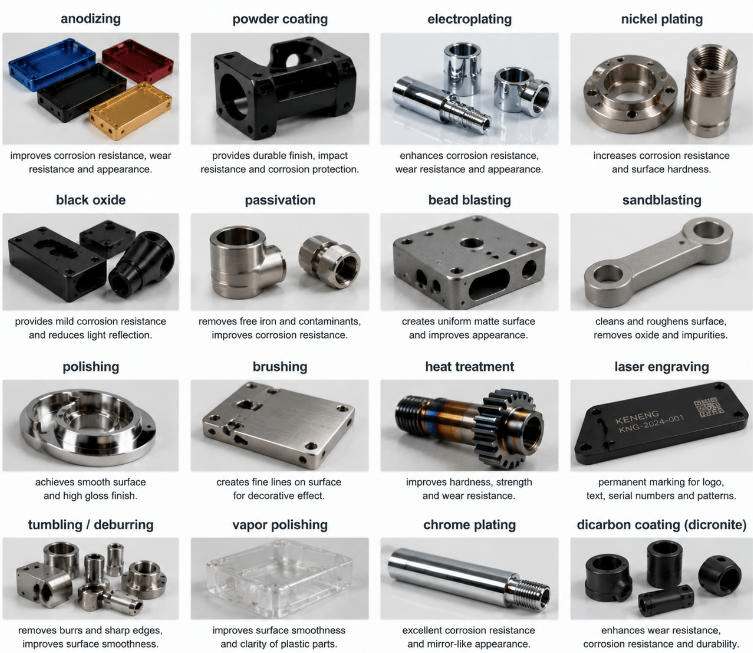
CNC işlenmiş parçaların yüzey işlemesi, görünümü, dayanıklılığı ve işlevselliğini artırabilir. Farklı uygulamalar farklı yüzey işleme çözümleri gerektirir.
| CNC Yüzey İşleme | Çalışma prensibi | Tipik uygulamalar |
| Eloksal | Özellikle alüminyum olmak üzere metal yüzeylerde koruyucu bir oksit tabakası oluşturan elektrokimyasal bir işlem. | Havacılık ve uzay parçaları, elektronik muhafazaları, otomotiv bileşenleri, tüketici ürünleri. |
| Toz kaplama | Parçanın yüzeyine kuru toz uygulanır ve ısı altında kürlenerek koruyucu bir kaplama oluşturulur. | Makine gövdeleri, endüstriyel ekipmanlar, metal muhafazalar, dış mekan bileşenleri. |
| Akımsız Nikel Kaplama | Elektrik akımı kullanılmadan kimyasal bir işlemle metal yüzeylere homojen bir nikel kaplama uygular. | Hassas bileşenler, kalıplar, valfler, havacılık parçaları. |
| Elektroliz | Elektrik akımı kullanarak krom, nikel veya çinko gibi ince bir metal tabakasını bir yüzeye biriktirir. | Otomotiv parçaları, donanım, dekoratif unsurlar, mekanik parçalar. |
| Boncuk Patlatma | Yüksek hızda püskürtülen ince aşındırıcı parçacıklar kullanılarak homojen bir mat yüzey dokusu oluşturulur. | Alüminyum gövdeler, prototipler, tüketici elektroniği, hassas parçalar. |
| Kumlama | CNC parçalarının yüzeyini temizlemek ve pürüzlendirmek için aşındırıcı malzemeler kullanır. | Endüstriyel parçalar, metal yapılar, kaplama öncesi hazırlık. |
| Polisaj | Yüzeyi pürüzsüzleştirmek ve yansıtıcı bir görünüm oluşturmak için aşındırıcı işlemler kullanır. | Tıbbi bileşenler, dekoratif parçalar, optik bileşenler, paslanmaz çelik ürünler. |
| Fırçalama | Aşındırıcı fırçalar kullanarak yönlü yüzey desenleri oluşturur. | Ev aletleri, mimari bileşenler, dekoratif metal parçalar. |
| Isı tedavisi | Malzeme özelliklerini değiştirmek için kontrollü ısıtma ve soğutma işlemlerini kullanır. | Dişliler, miller, aletler, yüksek yük taşıyan mekanik parçalar. |
| pasivasyon | Kimyasal işlem kullanarak paslanmaz çelik yüzeylerden serbest demir ve kirleticileri uzaklaştırır. | Tıbbi cihazlar, gıda işleme ekipmanları, kimyasal makineler. |
| Siyah Oksit Kaplama | Çelik ve paslanmaz çelik yüzeylerde ince bir koruyucu oksit tabakası oluşturur. | Aletler, bağlantı elemanları, hassas mekanik parçalar. |
| Lazer işleme | Odaklanmış bir lazer ışını kullanarak yüzeye bilgi işaretler veya kazır. | Ürün tanımlama, seri numaraları, logolar, endüstriyel etiketler. |
| Yuvarlama / Çapak Alma | Kenarları düzleştirmek ve çapakları gidermek için aşındırıcı malzeme ve mekanik hareket kullanır. | Küçük işlenmiş parçalar, donanım, seri üretilen bileşenler. |
| Buharlı Parlatma | Kimyasal buhar kullanarak plastik CNC yüzeylerini düzleştirir. | Akrilik parçalar, optik prototipler, plastik gövdeler. |
Doğru son işlem yönteminin seçilmesi, CNC parçalarının hem estetik hem de performans beklentilerini karşılamasını sağlar.
8 Adım. Kalite Kontrol ve Üretim Standartlarını Değerlendirin
Kalite kontrolü, CNC işleme sürecinin çok önemli bir parçasıdır. Müşteri sipariş vermeden önce, üreticinin CNC parçalarının doğruluğunu ve tutarlılığını nasıl denetlediğini anlamalıdır . Pratikte bu, tek bir hızlı bakıştan daha fazlasını ifade eder; işler hızlı ilerlese bile, sürekli bir doğrulama döngüsüdür.
Köklü CNC tedarikçileri genellikle koordinat ölçüm makineleri, optik ölçüm sistemleri ve hassas test aletleri gibi gelişmiş denetim ekipmanlarına güvenirler. Ayrıca, parçaların gerekli özelliklere uygunluğunu ek güvenlik sağlayan denetim raporları, malzeme sertifikaları ve kalite sertifikaları da alabilirsiniz. Bazı tedarikçiler kritik bileşenler için izlenebilirlik bile sağlarlar.
Güvenilir bir tedarikçinin, üretim hatalarını tespit etmek ve önlemek için net bir kalite yönetim sistemine sahip olması gerekir.
9 Adım. Üretim Takvimi ve Teslimat Gereksinimlerini Görüşün
Özel CNC parçaları sipariş ederken, özellikle ürün geliştirme veya üretim planlarıyla ilgilenen ekipler için teslim süresi akılda tutulması gereken önemli bir husustur. Üretimin ne kadar hızlı ilerleyeceği, parçanın karmaşıklığı, malzemenin gerçekten mevcut olup olmadığı, işleme kapasitesi, gereken son işlem ve sipariş miktarı gibi faktörlere bağlıdır.
CNC tedarikçisiyle teslimat beklentileri konusunda net bir şekilde konuşmak, gecikmeleri önlemeye ve üretim akışının proje teslim tarihlerine uygun olmasını sağlamaya yardımcı olur. Gerçek, profesyonel bir üretici, mantıklı teslimat tahminleri vermeli ve ardından tüm süreç boyunca müşteriyi bilgilendirmelidir.
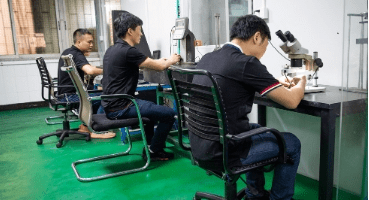
seçimi bir Deneyimli görenek CNC Bölüm Üretici firma
Özel CNC işlenmiş parçalar için doğru tedarikçiyi seçmek, projenin sorunsuz ilerleyip ilerlemeyeceğini büyük ölçüde etkileyebilir. Deneyimli bir üretici, pratik mühendislik rehberliği sunabilir, tasarım iyileştirmeleri önerebilir ve üretimde maliyet düşürmeyi destekleyebilir.
Müşteriler ve üreticiler arasındaki etkili iletişim, tasarım gereksinimlerinin, kalite beklentilerinin ve üretim detaylarının tam olarak anlaşılmasını sağlar. Güvenilir bir CNC işleme ortağı, sadece üretim hizmetleri sunmakla kalmamalı, aynı zamanda işin tüm aşamalarında müşteriyi desteklemelidir.
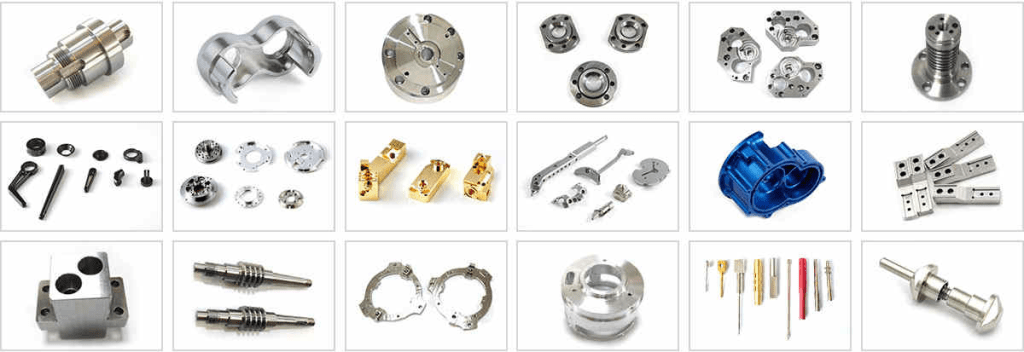
KENENG, farklı müşteri ihtiyaçlarına göre uyarlanmış yüksek hassasiyetli işleme çözümleri sunan deneyimli bir özel CNC parça üreticisidir. KENENG, yüksek doğruluk, istikrarlı çıktı ve güvenilir sonuçlar sağlayan özelleştirilmiş CNC bileşenlerine odaklanmaktadır. Prototip aşamalarından küçük parti üretimlerine ve ardından büyük ölçekli üretime kadar KENENG, otomotiv, havacılık, tıp, elektronik ve endüstriyel üretim gibi alanlar için kaliteli CNC parçaları sunmaktadır.
Son Düşüncelerimiz
Özel CNC parçaları sipariş etmek, sadece bir üreticiye çizim göndermekten daha fazlasını gerektirir. Gerçekte, kesme veya işleme işlemine başlamadan önce neye gerçekten ihtiyacınız olduğunu belirlemek gibi biraz daha fazlasını içerir. Sağlam bir CNC işleme projesi genellikle gereksinimlerin tanımlanmasıyla başlar, ardından malzemeler seçilir ve işleme yolu belirlenir; bundan sonra her teklifi dikkatlice incelersiniz, kalite standartlarını onaylarsınız ve tüm iletişimi açık ve istikrarlı tutarsınız, çünkü erken aşamadaki küçük boşluklar daha sonra büyük sorunlara dönüşebilir.
Daha düzenli bir sipariş süreci izlerseniz, işletmelerin daha yüksek kaliteli, daha hassas, daha az üretim riski taşıyan ve daha sıkı maliyet kontrolüne sahip CNC bileşenleri alma olasılığı daha yüksektir. İster prototip üretiyor olun ister büyük hacimli üretim planlıyor olun, güvenilir ve tekrarlanabilir sonuçlar elde etmek için deneyimli bir CNC işleme sağlayıcısıyla ortaklık kurmak önemlidir.