
How to Order Custom CNC Parts: A Detailed Step-by-Step Guide
Custom CNC parts are widely used because they have high precision, strong repeatability and the ability to crank out complicated shapes. However, when ordering custom CNC parts, you still need to plan it in a careful way, so the final components actually line up with the design target, the required quality level and what production will expect later on.
From preparing technical drawings to choosing the right material and validating the manufacturing details, each step matters a lot. If you can understand how the ordering process works, engineers, designers, and even businesses can cut down on mistakes, steer costs , and speed up overall output efficiency, without all that unnecessary back and forth.
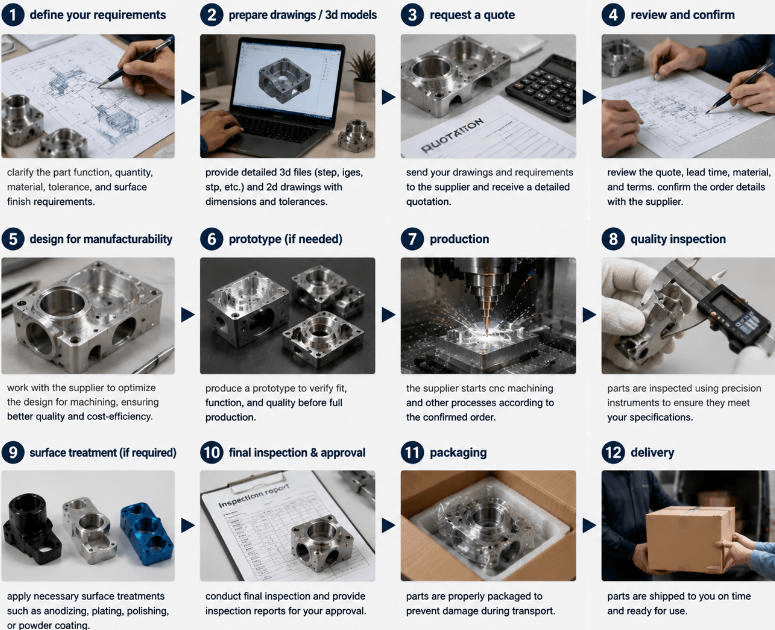
Table of Contents
Understanding the Basics of Custom CNC Parts
Custom CNC parts are precision components made via CNC machining using designs, drawings, or specifications given by the customer. In practice, CNC machines run on computer controlled instructions that guide cutting tools to remove material from a workpiece. That’s how you get accurate parts, including those with complex contouring and small features that are hard to do any other way.
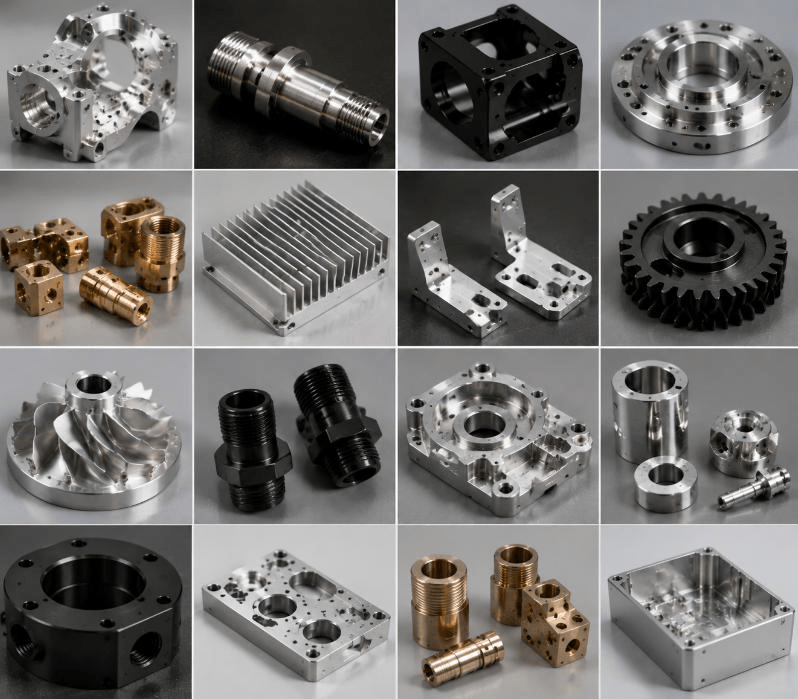
These CNC machining parts can be fabricated from many material types, metals , plastics, and composite materials too. Depending on what the design is asking for, CNC machining can handle everything from basic components to demanding assemblies with strict tolerances, and quite intricate geometry.
Custom CNC parts are often chosen when off the shelf components can’t really match certain needs, like exact size, performance behavior, material properties, or just the overall design complexity.
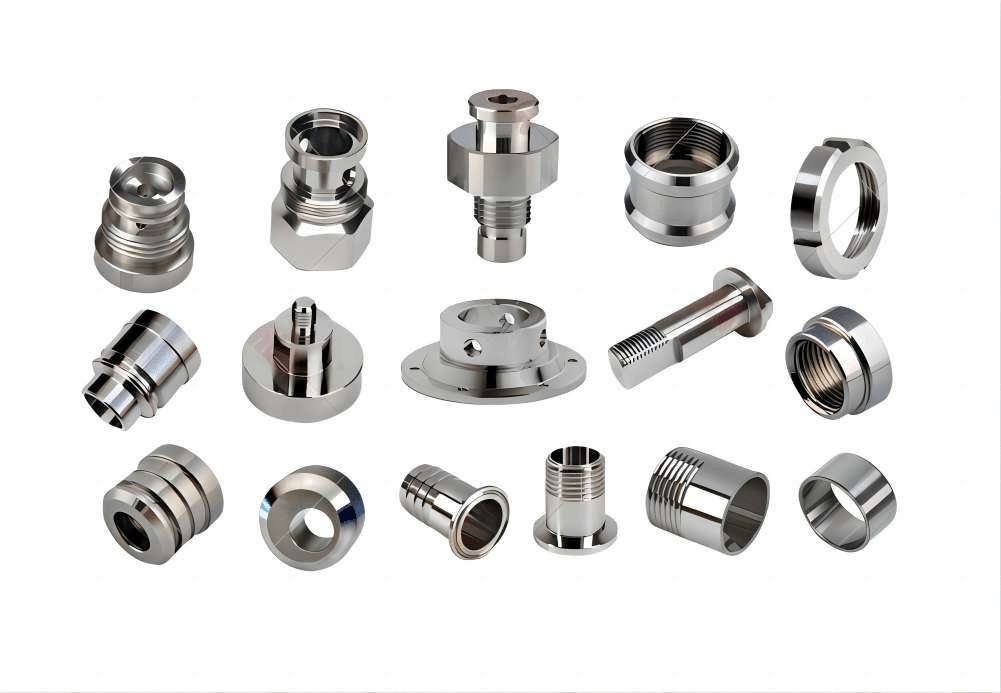
Key Steps for Ordering Custom CNC Parts
Step 1. Define Your CNC Part Requirements
First step in ordering custom CNC parts is, well, to define your CNC part needs. Like, actually decide what the project is for, what the part should do, and what kind of performance you expect from it. Before reaching out to a CNC machining supplier, you should figure out those details.
You’ll want to nail down the part dimensions, the tolerances you truly need, the surface quality level, the operating environment, and how many pieces you are planning to order. For instance parts used in aerospace work often call for extremely tight tolerances and lightweight materials. Meanwhile, industrial components may lean toward durability and wear resistance.
If you understand the application well, the manufacturer can recommend appropriate machining strategies, material grades, and finishing choices.
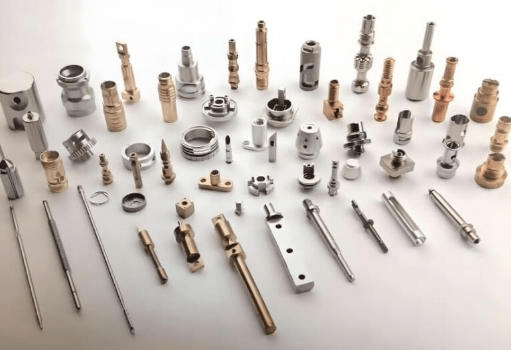
Step 2. Prepare Detailed CAD Drawings and Technical Specifications
Accurate design files are a must for CNC machining. Most CNC part manufacturers ask for either 2D engineering drawings or 3D CAD models to review the design and then generate the machining instructions.
Common file formats include :
- STEP (.step or .stp)
- IGES (.igs or .iges)
- SolidWorks type files
- AutoCAD drawings , if available
- Fusion 360 documents
Technical drawings should also show some really important stuff like:
- Overall dimensions , clearly
- Hole locations and sizes
- Geometric tolerances
- Thread specs
- Surface finish demands
- Material information
- Special machining instructions
Well-prepped documentation helps reduce those communication headaches, and it makes sure the fabricated part lines up with the original design.
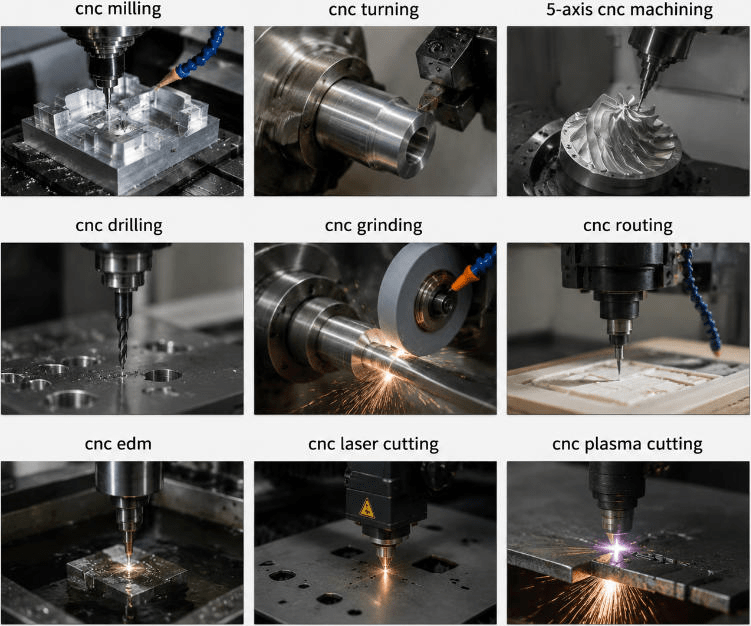
Step 3. Choose the Right CNC Machining Process
Different CNC machining processes are suitable for different part designs and applications. Your CNC part supplier can help determine the most effective manufacturing method based on the complexity and requirements of your part.
Common CNC machining processes include:
| CNC Machining Process | Working Principle | Key Advantages | Common Applications |
| CNC Milling | Uses rotating cutting tools to remove material from a fixed workpiece, creating complex shapes, slots, holes, and surfaces. | High precision, versatile, suitable for complex geometries and multiple features. | Machine housings, brackets, molds, aerospace components, prototypes. |
| CNC Turning | Rotates the workpiece while a cutting tool removes material to create cylindrical or round parts. | Efficient for producing symmetrical parts with high dimensional accuracy. | Shafts, bushings, bolts, connectors, rollers, cylindrical components. |
| 5-Axis CNC Machining | Moves the cutting tool or workpiece along five different axes, allowing machining from multiple angles in a single setup. | Produces highly complex parts with excellent accuracy and reduced setup time. | Aerospace parts, medical implants, turbine components, complex mechanical parts. |
| CNC Drilling | Uses rotating drill bits to create precise holes in various materials. | Fast and accurate hole production with consistent results. | Plates, engine components, electronic parts, assembly components. |
| CNC Grinding | Uses abrasive wheels to remove small amounts of material and achieve extremely smooth surfaces. | Provides excellent surface finish and tight dimensional tolerances. | Precision tools, bearings, molds, high-accuracy mechanical parts. |
| CNC Routing | Uses a rotating cutting tool to shape and cut softer materials such as plastics, wood, and composites. | High-speed cutting and suitable for large flat components. | Plastic parts, signage, composite panels, furniture components. |
| CNC EDM (Electrical Discharge Machining) | Uses controlled electrical sparks to remove material from conductive materials without direct cutting force. | Ideal for complex shapes, hard materials, and fine details. | Dies, molds, precision tools, aerospace components. |
| CNC Laser Cutting | Uses a focused laser beam to cut or engrave materials with high precision. | Fast processing speed, clean cuts, and minimal material waste. | Sheet metal parts, decorative components, enclosures, prototypes. |
| CNC Plasma Cutting | Uses a high-temperature plasma arc to cut electrically conductive metals. | Suitable for fast cutting of thick metal sheets and plates. | Steel structures, heavy machinery parts, metal fabrication. |
| CNC Swiss Machining | Uses a sliding headstock design to machine small, long, and highly precise components. | Excellent accuracy, efficient for small-diameter parts and high-volume production. | Medical devices, watch components, electronic connectors, precision instruments. |
Selecting the appropriate machining method improves accuracy, production speed, and cost efficiency.
Step 4. Select Suitable Materials
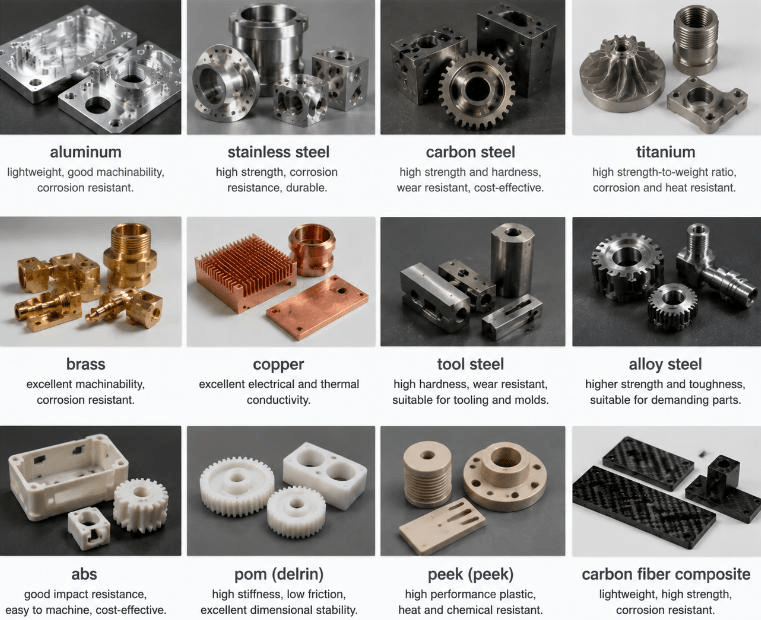
Material selection for CNC parts is important for thr performance, how long it lasts, and what it ends up costing. Basically, different jobs demand different material traits, such as mechanical strength, resistance to corrosion, lower density weight, and also heat tolerance.
| CNC Machining Material | Key Characteristics | Advantages |
| Aluminum | Lightweight, corrosion-resistant, excellent machinability, good strength-to-weight ratio. | Easy to machine, cost-effective, suitable for complex designs and rapid production. |
| Stainless Steel | High strength, excellent corrosion resistance, good durability, heat resistance. | Long service life, suitable for demanding environments, maintains mechanical properties under stress. |
| Carbon Steel | Strong, tough, wear-resistant, and available in various grades. | High mechanical strength and economical compared with some specialty metals. |
| Titanium | High strength-to-weight ratio, excellent corrosion resistance, heat resistant. | Lightweight, extremely durable, suitable for high-performance applications. |
| Brass/ Copper | Excellent electrical and thermal conductivity, corrosion-resistant. | Ideal for applications requiring efficient heat or electricity transfer. |
| Tool Steel | Extremely hard, wear-resistant, and capable of maintaining strength at high temperatures. | Excellent durability and suitable for high-stress applications. |
| Plastic (ABS) | Lightweight, impact-resistant, easy to machine. | Low cost, good for prototypes and functional testing. |
| Plastic (POM/Delrin) | Low friction, high dimensional stability, moisture-resistant. | Excellent wear resistance and precision performance. |
| PEEK | High-performance engineering plastic with excellent chemical and temperature resistance. | Lightweight alternative to metals with outstanding durability. |
| Carbon Fiber Composite | Lightweight, rigid, and high-strength composite material. | Excellent strength-to-weight ratio and vibration resistance. |
| Nickel Alloys | High-temperature strength, corrosion resistance, and oxidation resistance. | Performs well in extreme environments. |
Discussing material options with your manufacturer can help balance performance requirements and production costs.
Step 5. Request a CNC Machining Quote
After you’ve prepared the design files and the required specs, the next move is to request a quotation from a CNC machining supplier. The manufacturer will usually review the part complexity, expected machining time, the chosen material needs, tooling requirements, what kind of finishing steps are required, and the production quantity
A quoting process gives customers a way to compare different suppliers and get a clearer view of the likely manufacturing expense. For prototype parts, or low-volume orders, the setup and programming effort may make up a higher share of the total price. For bigger production runs, the unit price typically drops, since production efficiency gets better over time.
A detailed quotation should include pricing information, lead time, quality standards, and any additional services that might be needed, in a clear way.
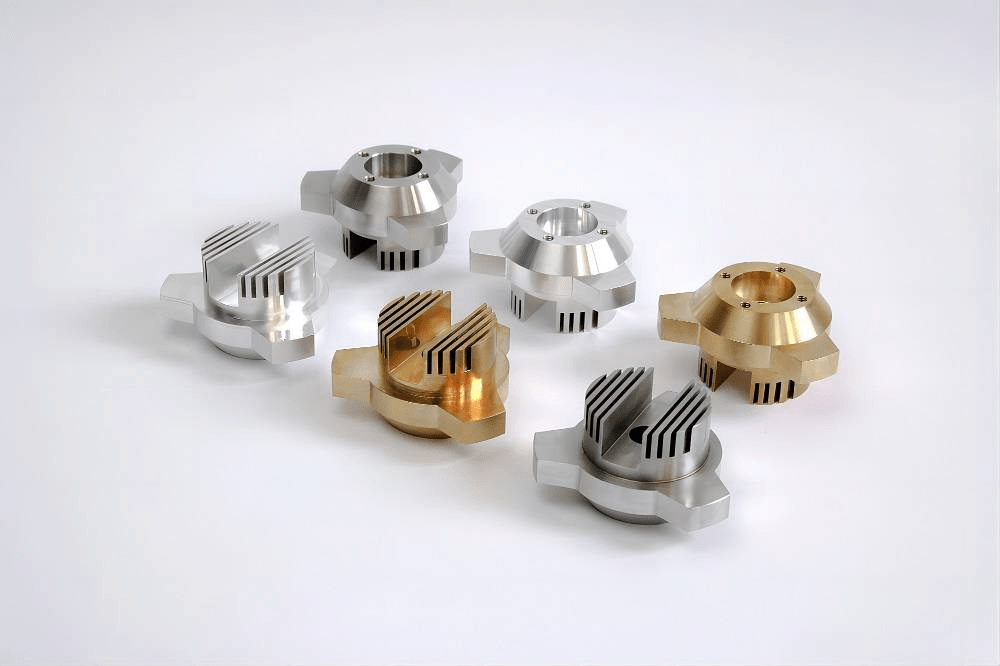
Step 6. Confirm Prototypes Before Full Production
For new designs or complex components, making a prototype before mass production is often a valuable step. CNC prototype machining gives customers a chance to verify whether the part really satisfies the functional expectations and dimensional requirements.
During prototype evaluation, customers can look at whether the component fits correctly, works as expected, and supports assembly needs. If any design problems are found, changes can be made before committing to larger production quantities.
Prototype testing reduces manufacturing risks and helps make sure the final production parts reach stable, consistent quality.
Step 7. Select Suitable Surface Finishing Options
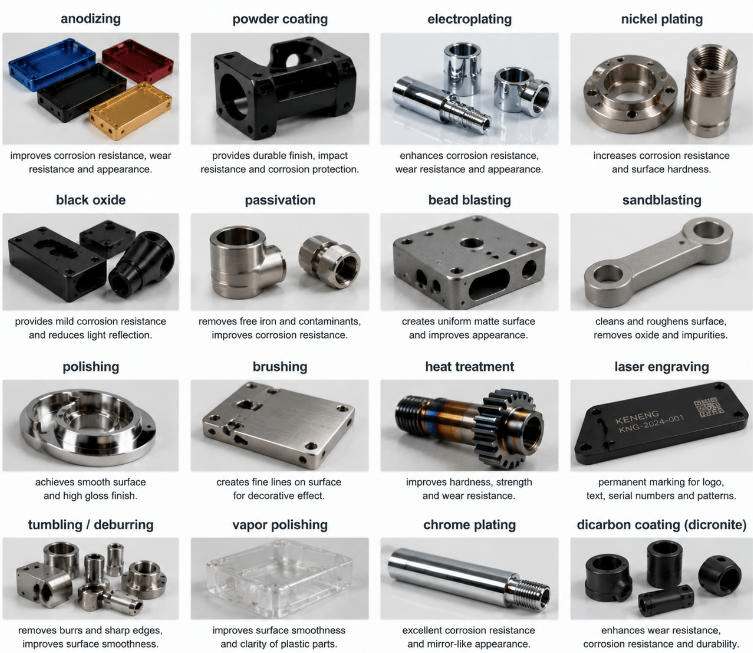
Surface finishing of CNC machined parts can improve the appearance, durability and functionality. Different applications require different finishing solutions.
| CNC Surface Treatment | Working Principle | Typical Applications |
| Anodizing | An electrochemical process that creates a protective oxide layer on metal surfaces, especially aluminum. | Aerospace parts, electronics housings, automotive components, consumer products. |
| Powder Coating | Applies dry powder onto the part surface and cures it under heat to form a protective coating. | Machine frames, industrial equipment, metal enclosures, outdoor components. |
| Electroless Nickel Plating | Deposits a uniform nickel coating onto metal surfaces through a chemical process without electric current. | Precision components, molds, valves, aerospace parts. |
| Electroplating | Uses electrical current to deposit a thin layer of metal, such as chrome, nickel, or zinc, onto a surface. | Automotive parts, hardware, decorative components, mechanical parts. |
| Bead Blasting | Uses fine abrasive particles sprayed at high speed to create a uniform matte surface texture. | Aluminum housings, prototypes, consumer electronics, precision parts. |
| Sandblasting | Uses abrasive materials to clean and roughen the surface of CNC parts. | Industrial parts, metal structures, preparation before coating. |
| Polishing | Uses abrasive processes to smooth the surface and create a reflective finish. | Medical components, decorative parts, optical components, stainless steel products. |
| Brushing | Creates directional surface patterns using abrasive brushes. | Appliances, architectural components, decorative metal parts. |
| Heat Treatment | Uses controlled heating and cooling processes to modify material properties. | Gears, shafts, tools, high-load mechanical components. |
| Passivation | Removes free iron and contaminants from stainless steel surfaces using chemical treatment. | Medical devices, food processing equipment, chemical machinery. |
| Black Oxide Coating | Creates a thin protective oxide layer on steel and stainless steel surfaces. | Tools, fasteners, precision mechanical parts. |
| Laser Engraving | Uses a focused laser beam to mark or engrave information onto the surface. | Product identification, serial numbers, logos, industrial labels. |
| Tumbling / Deburring | Uses abrasive media and mechanical movement to smooth edges and remove burrs. | Small machined parts, hardware, mass-produced components. |
| Vapor Polishing | Uses chemical vapor to smooth plastic CNC surfaces. | Acrylic parts, optical prototypes, plastic housings. |
Selecting the right finishing method ensures the CNC parts meet both aesthetic and performance expectations.
Step 8. Evaluate Quality Inspection and Manufacturing Standards
Quality control is a crucial piece of the CNC machining process. Before a customer places an order, they should understand how the manufacturer inspect CNC part accuracy and consistency. In practice, this means more than one quick look; it’s an ongoing verification loop, even when things are moving fast.
Well-established CNC suppliers often rely on advanced inspection equipment such as coordinate measuring machines, optical measurement systems and precision testing tools. You may also receive inspection reports, material certificates, and quality certifications, which add extra security that the parts match the required specs. Some suppliers even provide traceability for critical components.
A reliable supplier should have a clear quality management system to identify and prevent manufacturing defects.
Step 9. Discuss Production Schedule and Delivery Requirements
Lead time is an important thing to keep in mind when ordering custom CNC parts, especially for teams dealing with product development or manufacturing schedules. How fast production moves depends on factors like how complex the part is, whether the material is actually available, the machining capacity, what finishing is needed, and also the order quantity.
Talking clearly about delivery expectations with the CNC supplier helps prevent delays, and makes sure the production flow matches the project deadlines. A real, professional manufacturer should give delivery estimates that make sense and then keep the customer informed during the whole job.
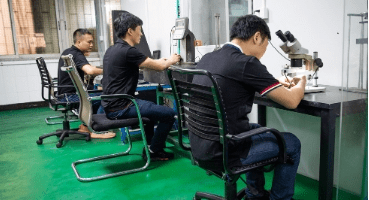
Choosing an Experienced Custom CNC Part Manufacturer
Choosing the right supplier for custom CNC machined parts can heavily affect whether the project goes smoothly. An experienced manufacturer can offer practical engineering guidance, recommend design refinements, and support cost reduction in manufacturing.
Effective communication between customers and manufacturers ensures that design requirements, quality expectations and production details are fully understood. A dependable CNC machining partner should do more than just provide manufacturing services, it also needs to support the customer through the whole run of the work.
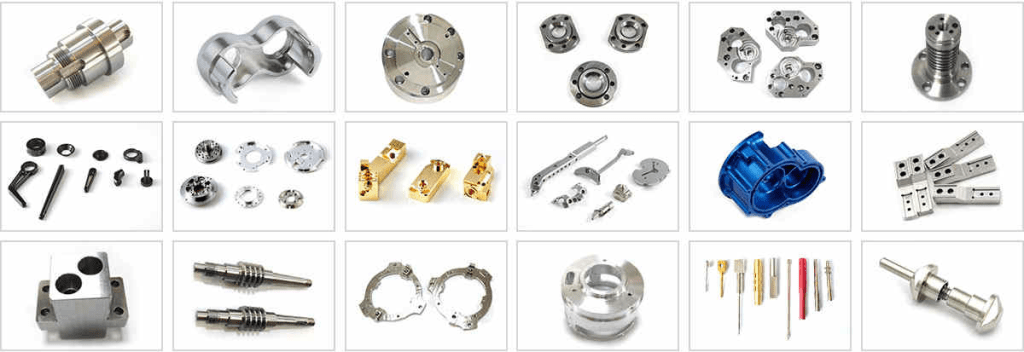
KENENG is an experienced custom CNC part manufacturer providing high-precision machining solutions that are tuned to different kinds of customer needs. KENENG focuses on customized CNC components with great accuracy, steady output and dependable results. From prototype stages to small-batch runs and then to large-scale production, KENENG delivers quality CNC parts for fields like automotive, aerospace, medical, electronics, and industrial manufacturing.
Final Thoughts
Ordering custom CNC parts involves more than simply sending a drawing to a manufacturer. In reality, it involves a bit more, like figuring out what you actually need before anything gets cut or machined. A solid CNC machining project usually starts with requirements being defined, then materials selected, and the machining path chosen, after that you review every quote carefully, confirm quality standards, and keep the whole conversation clear and steady, because small gaps early can become big problems later.
If you follow a more orderly ordering process, businesses are more likely to receive CNC components that are high-quality, with better precision, fewer production risks, and tighter cost control. Whether you are building prototypes or planning large-volume production, partnering with an experienced CNC machining provider is important for getting dependable and repeatable outcomes.