
Metal vs. Plastic CNC Parts: What are the Differences
CNC machining has become an essential manufacturing process for making high-precision parts with complex designs and tight tolerances. One of the most important choices during CNC part production is selecting the correct material. Among the most common options, metal and plastic CNC parts each bring their own set of benefits depending on what the application really needs.
Metal CNC parts are known for their strength and durability, plus they handle extreme conditions better, while plastic CNC parts are often chosen for being lightweight, showing chemical resistance, and keeping costs efficient. When engineers compare these two kinds of CNC parts, it becomes easier to design components that perform well, last longer, and make better economic sense.
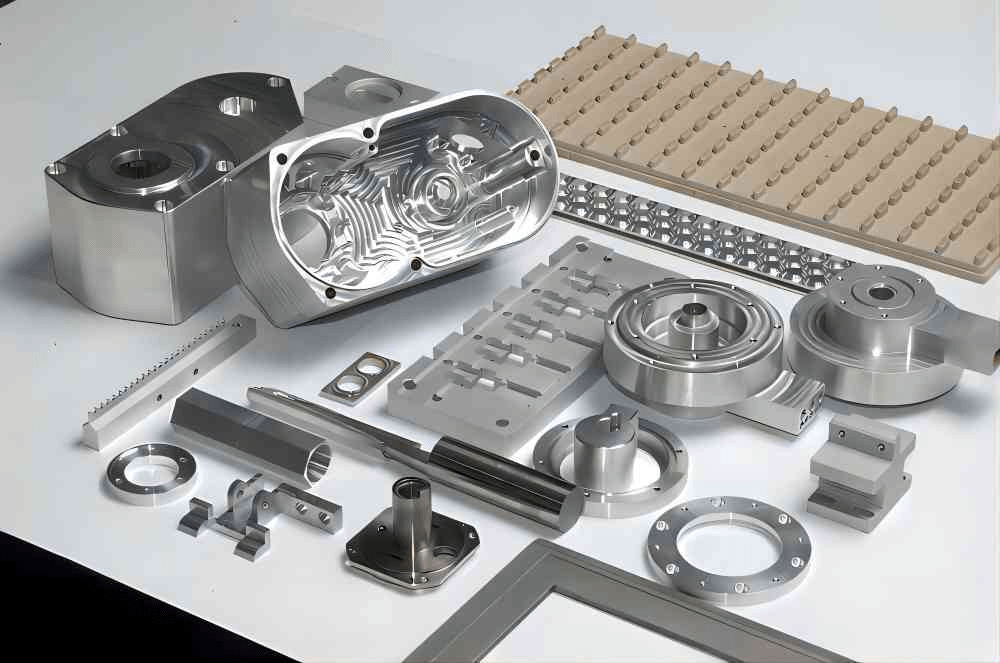
Table of Contents
Understanding the Basics of Metal CNC Parts
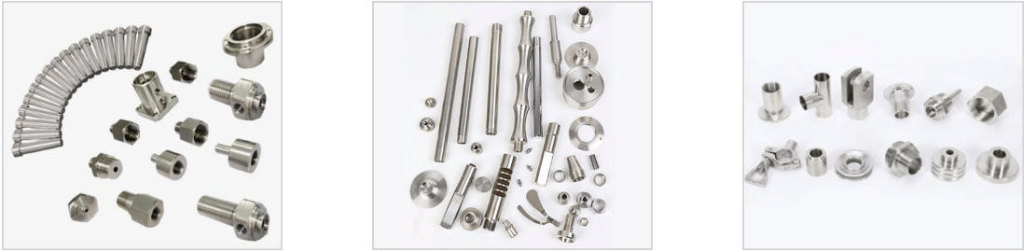
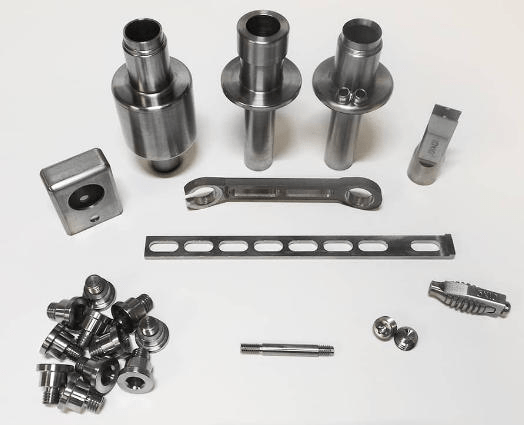
Metal CNC parts are precision components machined from materials such as aluminum, stainless steel, titanium, brass, copper, and various alloy steels. CNC milling, turning, drilling, and grinding processes are commonly used to create metal parts with high accuracy and excellent surface finishes.
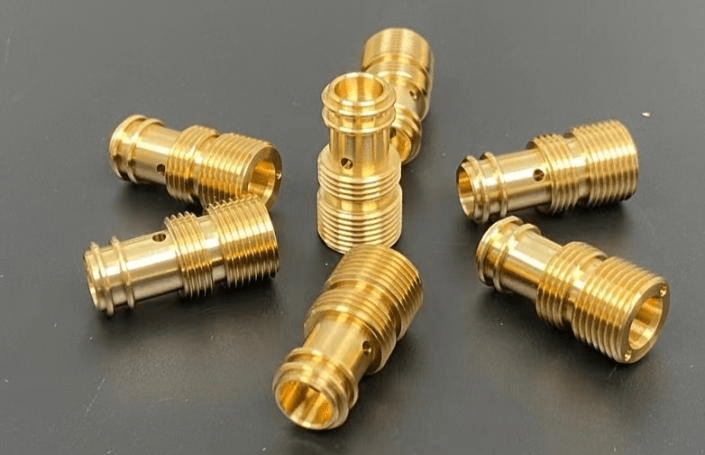
Because metals generally have higher strength and stiffness than plastics, they are often selected for components exposed to heavy loads, high temperatures, vibration, or mechanical stress. Metal CNC machining is widely used for structural parts, machine components, tooling, and high-performance assemblies.
Aluminum CNC parts are popular due to their lightweight properties, corrosion resistance, and excellent machinability. Stainless steel CNC parts are preferred for applications requiring strength, durability, and resistance to corrosion. Titanium CNC parts are used in advanced industries where high strength-to-weight ratios are essential.
Understanding the Basics of Plastic CNC Parts
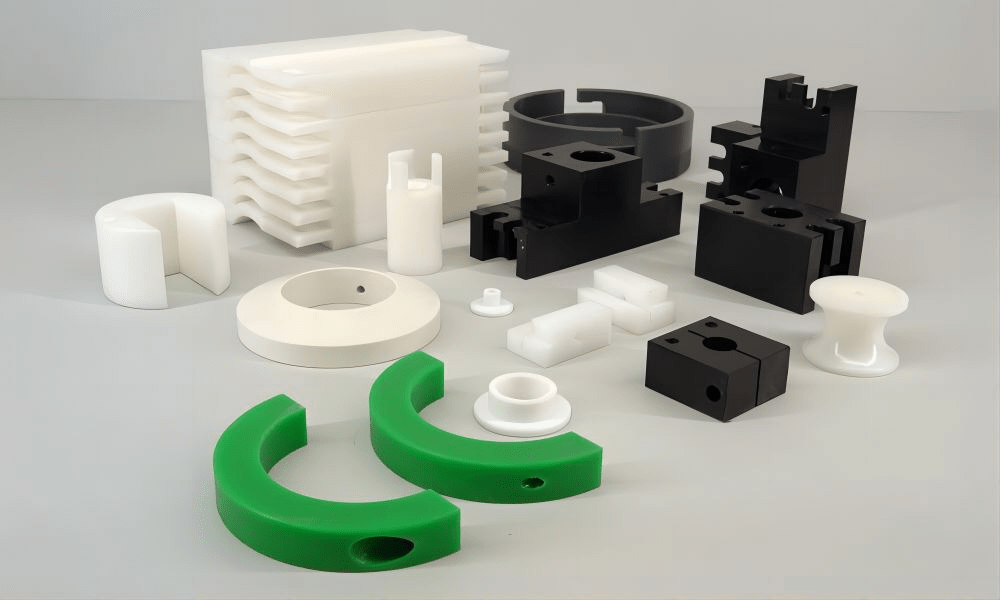
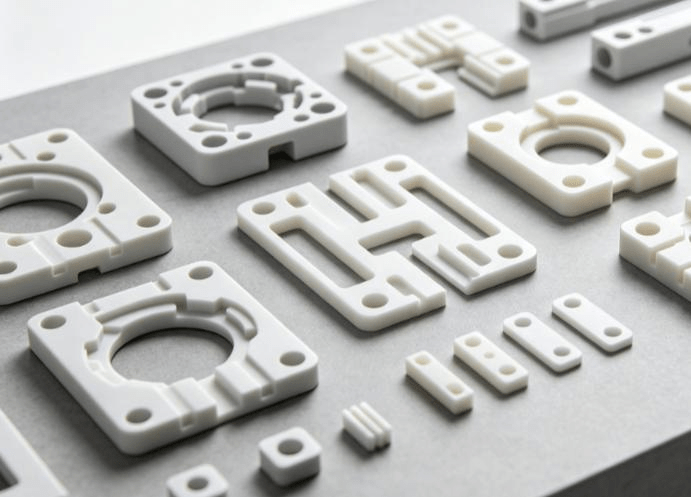
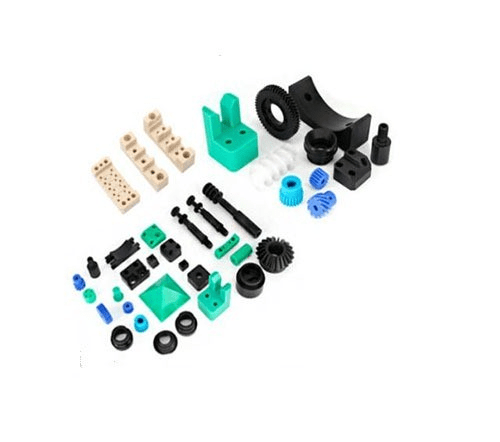
Plastic CNC parts are machined from engineering plastics such as ABS, nylon, PEEK, PTFE, polycarbonate, acrylic, and Delrin. These materials can be processed through CNC milling and turning to create precise components with complex geometries.
Compared with metals, plastics offer lower density and better electrical insulation. They are also naturally resistant to many chemicals and do not require additional corrosion protection. These advantages make plastic CNC parts suitable for applications in electronics, medical devices, laboratory equipment, consumer products, and lightweight mechanical systems.
Engineering plastics such as PEEK and nylon can provide excellent wear resistance and mechanical performance, making them alternatives to metal in certain specialized applications.
Key Differences Between Metal and Plastic CNC Parts
1. Material Composition and Common Types
The primary difference between metal and plastic CNC parts comes from their material composition.
Metal CNC Parts
The following chart provides the material composition, types and common applications associated with metal CNC Parts.
| Metal Material | Material Composition | Key Properties | Advantages for CNC Machining | Common Applications |
| Aluminum | Aluminum alloyed with elements such as magnesium, silicon, copper, and zinc | Lightweight, corrosion resistant, good thermal conductivity, high strength-to-weight ratio | Excellent machinability, fast cutting speeds, good surface finish, cost-effective | Aerospace parts, automotive components, electronic housings, machine frames, brackets |
| Stainless Steel | Iron alloyed with chromium, nickel, molybdenum, and other elements | High strength, corrosion resistance, heat resistance, excellent durability | Maintains performance in harsh environments, suitable for precision components | Medical devices, food processing equipment, chemical equipment, industrial machinery |
| Carbon Steel | Iron combined mainly with carbon and small amounts of manganese and other elements | High strength, hardness, wear resistance, affordable | Good mechanical performance and suitable for heavy-duty parts | Shafts, gears, machine components, tooling parts |
| Alloy Steel | Steel combined with alloying elements such as chromium, nickel, molybdenum, and vanadium | High toughness, improved strength, wear resistance, fatigue resistance | Suitable for high-stress applications requiring enhanced performance | Automotive parts, industrial equipment, heavy machinery components |
| Titanium | Titanium alloyed with elements such as aluminum and vanadium | Extremely strong, lightweight, corrosion resistant, high temperature capability | Excellent strength-to-weight ratio, reliable in demanding environments | Aerospace components, medical implants, marine parts, high-performance equipment |
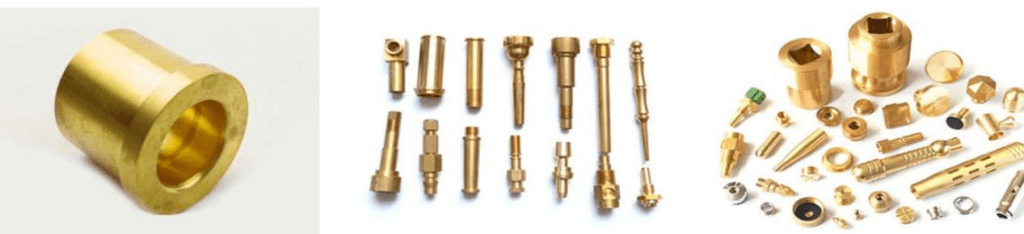
| Brass | Copper and zinc alloy | Good machinability, corrosion resistance, electrical conductivity, attractive appearance | Easy to machine, produces smooth finishes, suitable for precision parts | Valves, fittings, electrical components, decorative hardware |
| Copper | Pure copper or copper alloys with elements such as zinc, tin, or nickel | Excellent electrical and thermal conductivity, corrosion resistance | Ideal for heat transfer and electrical applications | Electrical connectors, heat sinks, coils, electronic components |
| Bronze | Copper alloyed mainly with tin, aluminum, silicon, or other elements | High wear resistance, corrosion resistance, low friction properties | Suitable for moving parts and components exposed to friction | Bearings, bushings, gears, marine components |
| Magnesium Alloy | Magnesium combined with aluminum, zinc, manganese, and other alloying elements | Extremely lightweight, good strength-to-weight ratio, vibration damping | Reduces component weight and improves efficiency | Aerospace structures, automotive parts, portable equipment |
| Nickel Alloy | Nickel combined with chromium, iron, molybdenum, and other elements | Excellent corrosion resistance, high-temperature strength, oxidation resistance | Performs reliably under extreme conditions | Aerospace engines, chemical equipment, power generation components |
| Inconel | Nickel-chromium-based superalloy with elements such as iron, molybdenum, and niobium | Exceptional heat resistance, strength, and corrosion resistance | Suitable for extreme temperature and pressure environments | Turbine parts, aerospace components, oil and gas equipment |
Plastic CNC Parts
The chart offers the material composition, types and typical applications in plastic CNC Parts.
| Plastic Material | Material Composition | Key Properties | Advantages for CNC Machining | Applications |
| ABS (Acrylonitrile Butadiene Styrene) | Acrylonitrile + Butadiene + Styrene polymers | Good impact resistance, lightweight, balanced strength, easy processing | Easy to machine, cost-effective, good surface finish | Prototypes, electronic housings, consumer products, equipment covers |
| Nylon (PA / Polyamide) | Polyamide polymer chains containing carbon, hydrogen, oxygen, and nitrogen | High strength, wear resistance, low friction, good chemical resistance | Durable, suitable for moving parts, excellent mechanical performance | Gears, bearings, bushings, rollers, mechanical components |
| PEEK (Polyether Ether Ketone) | Aromatic polymer containing ether and ketone groups | High temperature resistance, excellent strength, chemical stability | Maintains performance under extreme conditions, precision machining capability | Aerospace parts, medical components, semiconductor equipment |
| PTFE (Polytetrafluoroethylene / Teflon) | Carbon atoms bonded with fluorine atoms (C₂F₄)n | Extremely low friction, excellent chemical resistance, non-stick properties | Ideal for wear-resistant and chemically exposed components | Seals, gaskets, insulation parts, chemical processing components |
| Polycarbonate (PC) | Carbonate groups linked with aromatic bisphenol structures | High impact strength, transparency, dimensional stability | Strong and lightweight, suitable for precision protective parts | Safety covers, optical components, electronic housings |
| POM (Polyoxymethylene / Delrin / Acetal) | Formaldehyde-based polymer with repeating oxymethylene units | Low friction, high stiffness, excellent dimensional stability | Excellent machinability, produces precise parts with smooth surfaces | Precision gears, valves, bushings, mechanical components |
| Acrylic (PMMA / Polymethyl Methacrylate) | Methyl methacrylate monomer polymer | Transparent, lightweight, weather resistant, good rigidity | Easy to machine and polish, excellent optical appearance | Display panels, lighting components, protective covers |
| PE (Polyethylene) | Ethylene polymer chains | Lightweight, chemical resistant, low moisture absorption | Easy machining, good wear resistance, economical | Liners, tanks, guides, seals, industrial components |
| HDPE (High-Density Polyethylene) | High-density polyethylene chains with tightly packed molecular structure | High strength, moisture resistance, chemical stability | Good durability and low-cost machining | Containers, piping components, machine guards |
| UHMW-PE (Ultra-High Molecular Weight Polyethylene) | Extremely long polyethylene molecular chains | Exceptional wear resistance, low friction, impact resistance | Excellent for sliding and high-wear applications | Wear strips, conveyor components, guide rails |
| PVC (Polyvinyl Chloride) | Vinyl chloride polymer containing chlorine atoms | Chemical resistance, durability, flame resistance | Affordable and easy to machine | Industrial fittings, protective parts, fluid handling components |
| PET (Polyethylene Terephthalate) | Ethylene glycol + terephthalic acid polymer | Good strength, dimensional stability, chemical resistance | Produces accurate, stable CNC components | Mechanical parts, electrical components, precision assemblies |
| PEI (Polyetherimide / Ultem) | Aromatic thermoplastic polymer containing imide groups | High strength, heat resistance, flame resistance | Suitable for demanding engineering applications | Aerospace components, electrical parts, medical equipment |
| PPS (Polyphenylene Sulfide) | Aromatic polymer containing sulfur groups | High temperature resistance, chemical stability, dimensional accuracy | Reliable in harsh industrial environments | Automotive parts, electrical connectors, chemical equipment |
| Polyurethane (PU) | Organic polymer made from polyols and isocyanates | Flexible, abrasion resistant, impact absorbing | Suitable for customized wear-resistant CNC parts | Seals, rollers, dampers, protective components |
2. Strength and Mechanical Performance
Strength is one of the most significant gaps between metal and plastic CNC parts, and it shows up in real use pretty quickly. In general, metals tend to deliver higher tensile strength, hardness, and stiffness compared with plastics, so they can take heavy loads, mechanical stress, and long continuous operation without losing their shape or function.
Because of that, metal CNC parts are frequently chosen for structural applications such as machine components, shafts, gears, brackets, and aerospace assemblies. They keep their geometry and performance even when the working conditions get demanding and a little harsh.
Plastic CNC parts usually have lower mechanical strength, but they can still be a dependable choice where extreme strength is not the priority. Some engineering plastics, for instance, reinforced nylon and PEEK, bring better strength together with wear resistance, which makes them a practical substitution for metal in certain situations.
3. Weight and Design Flexibility
Weight is another major factor when comparing metal and plastic CNC parts. Metals usually have higher density, so the components tend to be heavier. Even though this extra mass can boost steadiness and mechanical strength, it may not be the best idea when the overall weight needs to go down for a given job.
Plastic CNC parts are notably lighter, which makes them a strong option for portable gear, electronics, consumer items, and lighter-duty mechanical systems. Because the material is less dense, it can lower shipping expenses and also support better energy efficiency during use.
Also, plastics can bring more design freedom in certain situations. Their easier machinability lets makers create complex geometries, thin-walled sections, and combined features without losing production speed.

4. Temperature Resistance and Environmental Performance
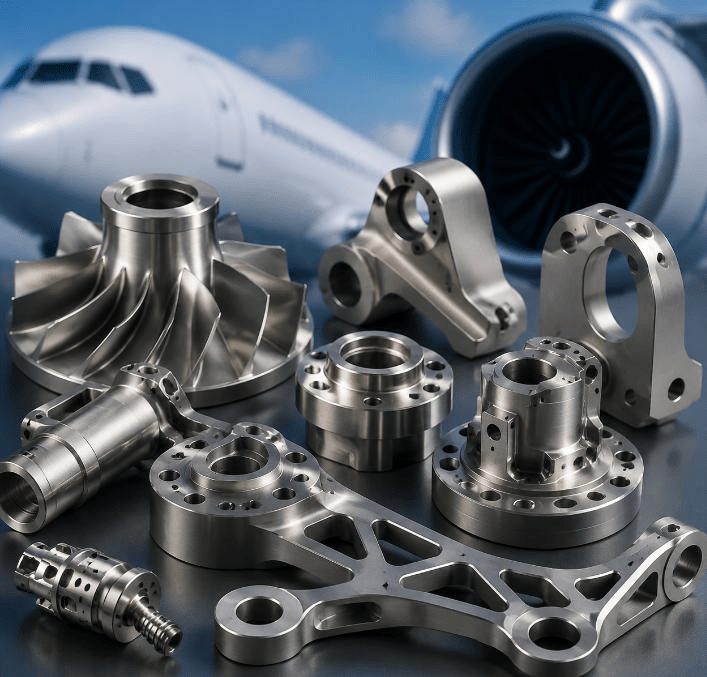
Metal CNC parts usually deliver better performance when things get very hot. Materials like stainless steel and titanium can still hold their mechanical characteristics during extreme temperatures, so they fit well in engines, factory machinery, and aerospace setups.
Plastic CNC parts generally do not handle temperature as well, and when the heat climbs too much, they can warp or end up with altered mechanical traits. Still, certain engineered polymers, such as PEEK, PTFE, and high-temperature nylon, can work reliably in demanding conditions.
Also, the surrounding environment matters for the final material choice. Metals often need protective coatings to stop corrosion, whereas many plastics naturally resist moisture, chemicals, and rust-type effects. That is why plastic CNC parts are frequently used where there is chemical exposure, or steady damp conditions.
5. Corrosion and Chemical Resistance
Corrosion resistance is a big deal for CNC components that are left out in tough conditions. With metals like stainless steel and aluminum, corrosion resistance is usually quite solid, yet other metals might still need extra attention on the surface, for instance anodizing, plating, or a protective layer.
Plastic CNC parts typically have excellent corrosion resistance, mainly because they do not rust or even oxidize. A lot of engineering plastics can handle contact with chemicals, solvents, and damp air without major deterioration, even after long use in service.
You will often see CNC plastic parts in areas like medical devices, lab instruments, food processing equipment, and chemical manufacturing, mostly because they help keep performance steady in corrosive settings.
6. Machining Process and Production Cost
Metals and plastics machine differently, and that messes with how smooth production runs and what it costs. With Metal CNC machining you typically need tougher cutting tools, dedicated equipment, and really controlled machining parameters because the metal itself is harder, and that hardness tends to fight back.
Metal CNC machining can come with a higher price tag, but it usually delivers great precision and long-lasting durability for demanding or high-performance jobs. On top of that, extra steps like heat treatment, polishing, anodizing, and surface coatings can add to the cost. Still, these steps often help the part perform better in real use.
Plastic CNC machining is commonly quicker and feels easier overall since plastics are softer and tend to need less machining force. That can mean reduced tool wear, faster throughput, and lower manufacturing costs. For prototypes, limited batch production, and products where spending has to stay tight, plastic CNC parts are often a practical choice.
7. Surface Finish and Appearance
Both metal and plastic CNC pieces can end up with a high-quality surface finish, yet the available finishing paths are not the same. You can get that nice look on both, but they go about it in different ways.
For metal CNC parts, finishing can be done with a range of processes like polishing, brushing, anodizing, electroplating, powder coating, and also heat treatment. These steps tend to boost the overall appearance and also improve corrosion resistance, plus hardness and wear behavior.
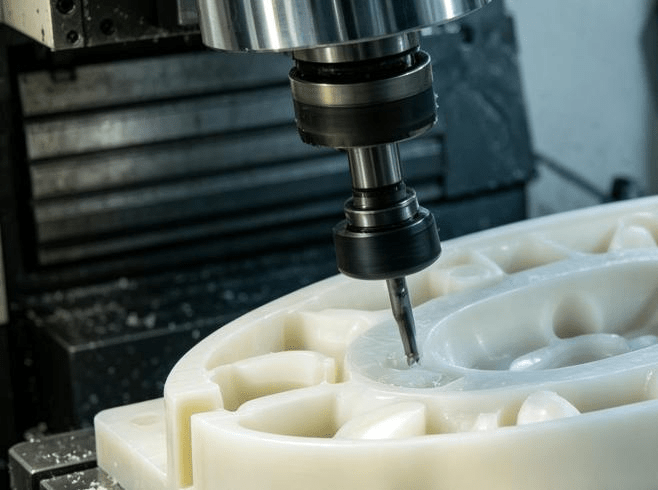
CNC plastic parts usually come out with a smooth, accurate surface right after machining, so the starting point is often already good. They may also be polished or given textures, or even covered with coatings, although the finishing menu is typically more limited compared to metals.
8. Electrical and Thermal Properties
Electrical performance is another big distinction between metal and plastic CNC parts. In general, most metals are electrically conductive, so they fit well for things like electrical contacts, heat sinks, grounding parts, and other conductive frameworks.
Plastics do a pretty good job at being electrical insulators, and that’s why they are super useful for electronic housings, protective covers, cable connectors, and insulation bits too. Also, because their thermal conductivity stays low, they can help in shielding delicate parts from unwanted heat transfer.
Summary Comparison
| Comparison Factor | Metal CNC Parts | Plastic CNC Parts |
| Material Examples | Aluminum, stainless steel, titanium, brass, copper, steel alloys | ABS, nylon, PEEK, PTFE, polycarbonate, acrylic, Delrin |
| Strength | Higher tensile strength, hardness, and load-bearing capacity | Lower strength but suitable for lightweight and moderate-load applications |
| Durability | Excellent durability and long service life under harsh conditions | Good durability for applications with lower mechanical stress |
| Weight | Heavier due to higher material density | Much lighter, helping reduce overall product weight |
| Temperature Resistance | Performs well in high-temperature environments | Limited temperature resistance, although some engineering plastics handle high heat |
| Impact Resistance | Generally higher impact resistance and structural stability | Varies by material; some plastics provide good impact resistance |
| Wear Resistance | Excellent wear resistance, especially with hardened alloys and coatings | Good wear performance for specific plastics such as nylon and PEEK |
| Corrosion Resistance | Some metals may require coatings or surface treatments | Naturally resistant to rust and many chemicals |
| Chemical Resistance | Depends on the metal type and environment | Generally excellent resistance to many chemicals and solvents |
| Electrical Properties | Many metals are electrically conductive | Excellent electrical insulation properties |
| Machining Speed | Usually slower due to material hardness and cutting requirements | Faster machining due to softer material properties |
| Machining Cost | Higher due to material costs, tooling requirements, and processing time | Usually lower because materials are cheaper and easier to machine |
| Surface Finish | Can achieve high-quality finishes through polishing, anodizing, plating, or coating | Provides smooth finishes but has fewer finishing options |
| Dimensional Stability | Excellent stability under mechanical stress and temperature changes | May experience expansion, contraction, or deformation under heat and stress |
| Design Flexibility | Suitable for complex, high-strength designs | Allows lightweight and flexible designs with complex shapes |
| Noise and Vibration | More rigid and may transfer more vibration | Better vibration damping and noise reduction |
| Weight Reduction | Limited compared with plastics, except lightweight alloys | Excellent choice for weight-saving designs |
| Environmental Resistance | Suitable for extreme environments, heavy loads, and outdoor applications | Suitable for moisture, chemical exposure, and indoor applications |
| Common Applications | Aerospace parts, automotive components, industrial machinery, tooling, robotics, medical devices | Electronics housings, medical components, laboratory parts, consumer products, insulation components |
How to Choose Between Metal and Plastic CNC Parts
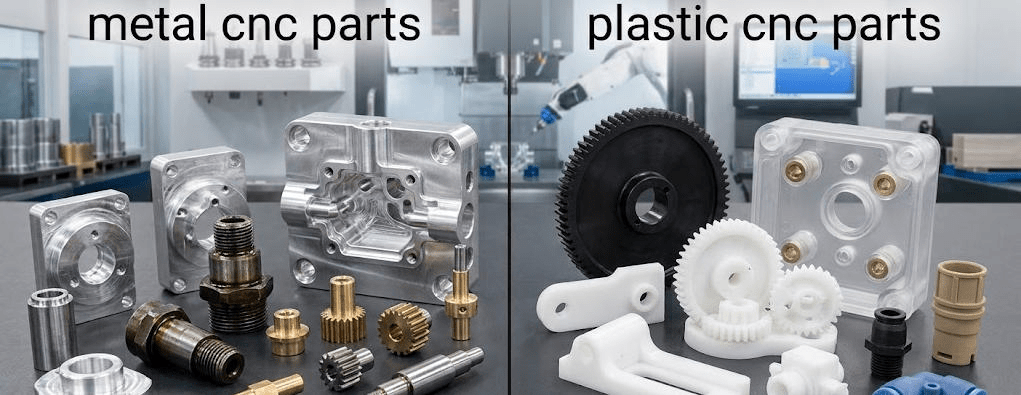
When it comes to selecting metal vs. plastic CNC parts, it really depends on a bunch of things: mechanical needs, the operating environment, the budget level, and what the overall product design is trying to achieve.
CNC metal parts are the better choice if the application needs:
- High strength and durability
- Resistance to heat and heavy loads
- Long service life
- Structural support
- High wear resistance
Plastic CNC parts are more suitable when the application calls for:
- Lightweight construction instead of mass
- Electrical insulation, for safe operation
- Chemical resistance in harsh contact
- Lower production costs overall
- Quicker prototyping cycles, faster iteration
In some cases, manufacturers combine both materials together, to reach the best balance of performance and cost. For example, a machine may rely on CNC metal components for structural strength while adding CNC plastic parts for insulation, reduced friction or weight reduction.
Summary
Metal and plastic CNC parts each bring their own perks, depending on the application. Metal CNC parts give higher strength, long-lasting durability, and reliable temperature resistance, so they fit well where the industrial demands are heavy. Plastic CNC parts bring lightweight operation, chemical resistance, and favorable cost benefits for tasks where you need adaptability and steady efficiency.
Choosing the right material needs careful thinking about performance goals, environmental conditions, production volume, and budget limits. When manufacturers recognize the differences between metal and plastic CNC parts, they can get more polished designs, stronger product performance, and smoother production outcomes.