
Deep Draw Stamping vs. Sheet Metal Stamping: What are the Key Differences
Metal stamping is a common way to make accurate metal parts at high output. It uses dies and stamping presses. Flat metal sheets are pressed into the shapes needed for many industries. Two widely used types are deep draw stamping and sheet metal stamping. They show up in auto work, electronics, aerospace, medical devices, and consumer goods.
Even though both use controlled force and special tooling, they have different forming principles, design capabilities, and application advantages. Deep draw stamping is made for deep, hollow, three-dimensional parts. Sheet metal stamping is used more often for cutting, bending, and shaping flat sheet into various shapes. Knowing the gap between them helps a manufacturer choose the right stamping process for their production requirements.
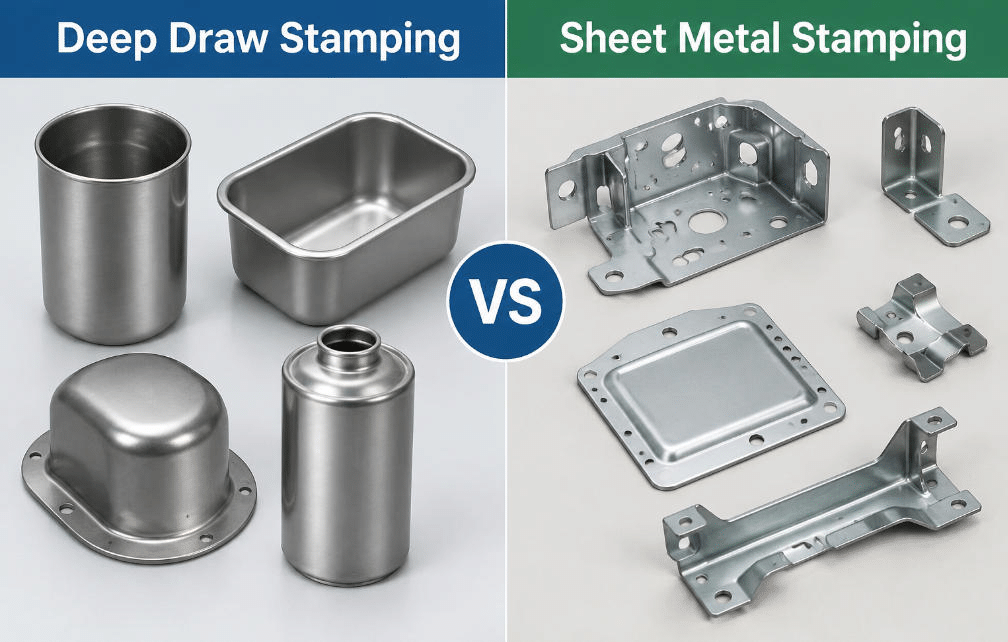
Table of Contents
Understanding Deep Draw Stamping
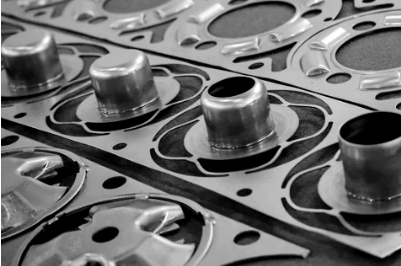
Deep draw stamping changes a flat metal blank into a deep, hollow piece. A punch and a die do the main work. The punch pushes the sheet into the die cavity. As that happens, the nearby metal moves inward. The material stretches as it takes the target shape.
Compared with some stamping that relies on cutting or bending, deep drawing can make a smoother, continuous body. The sheet is pulled little by little into a 3D form. If the part is tall or complex, more than one drawing step may be needed. Those extra stages help reach the final size.
Deep draw stamping often makes housings and cylindrical containers. It is also used for automotive parts, battery cases, and shell parts for medical equipment. It fits well when a part must be strong but light. It is also used when low leakage is important.
Understanding Sheet Metal Stamping
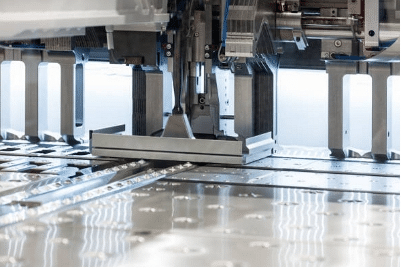
Sheet metal stamping makes shapes from flat sheet using presses and dies. The dies can cut, bend, punch, emboss, or form. This approach is flexible. It can produce basic items and also harder parts that need more features.
How the work is set up depends on the product. Some jobs use a single stamping stage. Others use progressive die stamping. Some use transfer stamping too. With these options, factories can run large batches. They can also keep dimensions and quality more even.
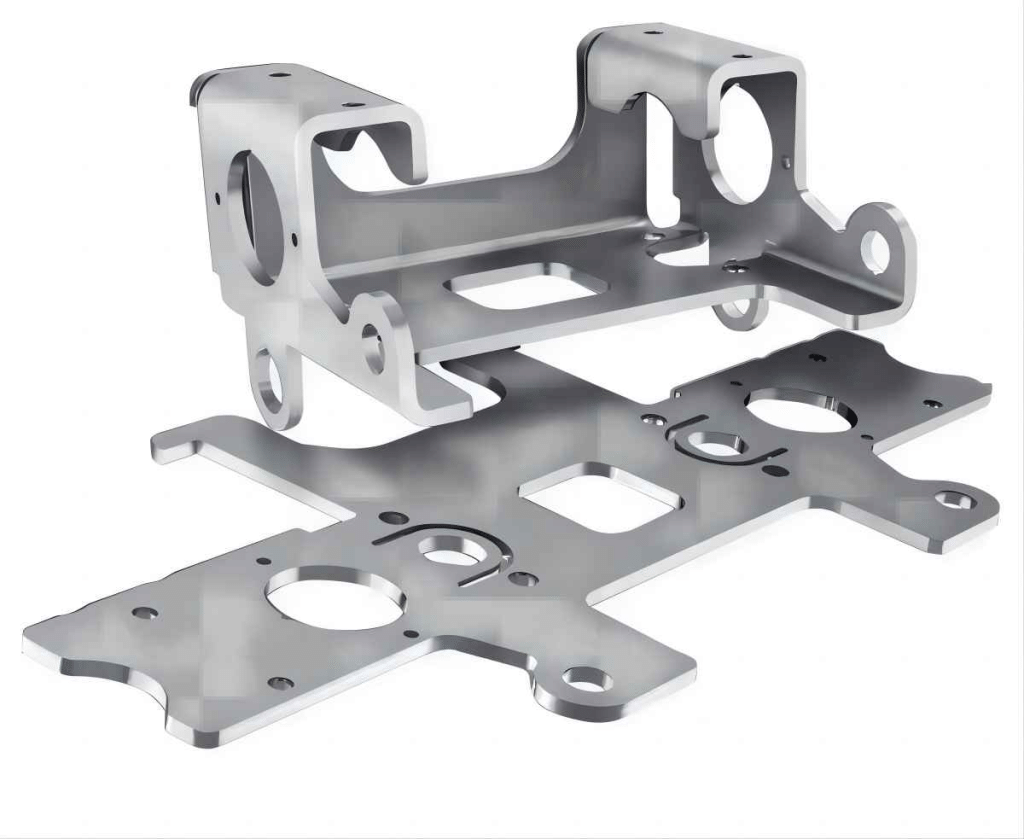
Sheet metal stamping is used for brackets, panels, clips, covers, and connectors. It also makes structural pieces. It is a good fit when a part needs clean holes, clear bends, flat faces, or shallow formed areas.
Key Differences Between Deep Draw Stamping and Sheet Metal Stamping
1. Forming Principles
Deep draw stamping and sheet metal stamping differ most in how they shape the metal.
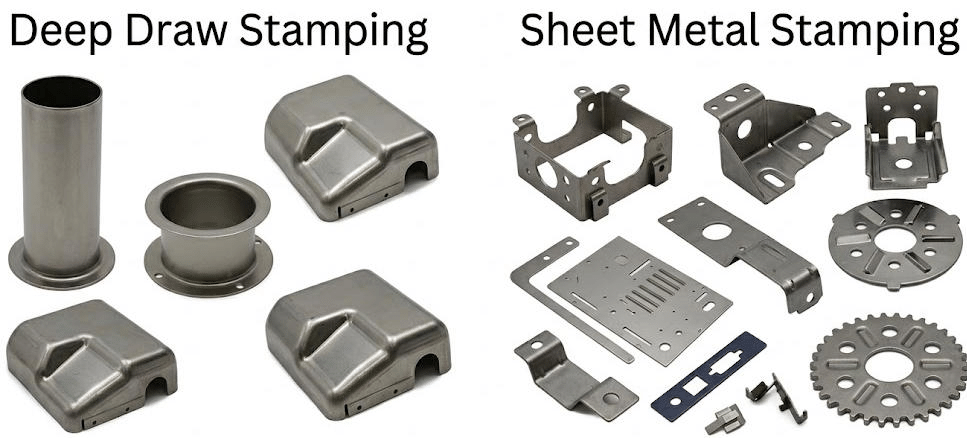
Deep draw stamping uses a punch and a die to pull a flat metal sheet into a deep cavity. The result is a hollow, three-dimensional part. As the forming happens, the metal moves and elongates, yet it stays as one continuous piece. People use this method when a product needs depth, stiffness, and a clean look with no joins.
Sheet metal stamping uses stamping dies to do tasks like cutting, punching, bending, and embossing. Here, the sheet is reshaped with controlled changes rather than being stretched a lot. This approach fits parts that stay flat or shallow, or that only need moderate forming, even when they include extra details.
2. Part Shape and Design Capability
Deep draw stamping is built for making parts that are deep and enclosed. It can make cylindrical parts, rectangular cups, and also more uneven hollow shapes. The surfaces are usually smooth, and the wall thickness is meant to stay even. This is a good fit when the part must hold up well and also needs fewer steps during assembly.
Sheet metal stamping is better for variety in part shape and feature layout. It can form holes, slots, bends, flanges, and raised emboss patterns. That said, it is often a better match for flat or not-too-deep designs. Extremely deep parts are harder with this approach.
For instance, a metal container or a battery cover may call for deep draw stamping. A mounting bracket or a machine panel is more likely to be made by sheet metal stamping.
3. Material Deformation
How the metal deforms is a key difference between the two methods.
In deep draw stamping, the sheet sees heavy stretching and flow as the punch pushes it inward. The material must be ductile and easy to form. If not, defects can show up, such as cracks, tearing, or ripples. Operators must watch key items like lubrication choice, blank holder force, and the drawing ratio.
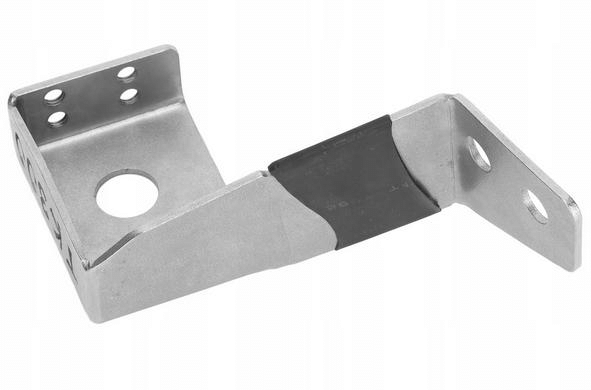
In sheet metal stamping, the deformation is usually limited to the local areas that need the change. The sheet is cut, bent, or shaped to reach the final form. It does not rely on extreme stretching across the whole blank. Because of that, a wider set of metal types can work, based on the target strength, thickness, and needed performance.
4. Tooling Requirements
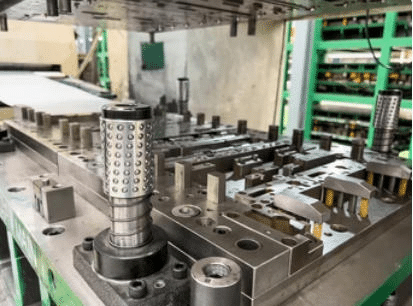
Deep draw stamping usually needs more involved tooling. The dies must guide and control how the material moves during the draw. When parts are very deep, several draw steps are often used. That means extra dies and tighter attention to process control.
Sheet metal stamping tooling depends on the part design. A basic part might use a simple die for one operation. More complex metal stamping parts can use progressive dies or transfer dies, so multiple steps happen in sequence on a line.
Deep draw stamping can be harder to set up at the tooling level. Still, it can form parts that fit together with fewer later assembly tasks. Sheet metal stamping gives more options for tooling setups, which helps when designs or production needs change.
5. Production Efficiency
Both deep draw and sheet metal stamping can work well for large runs. But the actual output rate depends on the part details.
Deep draw stamping reaches strong production speed after the tooling and settings are dialed in. It forms a smooth piece in fewer assembly steps. For the right products, that can raise the overall manufacturing efficiency.
Sheet metal stamping is often very fast for big volumes of simpler components. With progressive stamping, multiple operations can run back to back. This supports mass production of detailed sheet metal parts.
The best choice depends on things like the part shape, how many units are needed, material use, and what finishing is required.
6. Applications
Deep draw stamping is used a lot when companies need strong metal parts with a smooth finish. In cars, it shows up in fuel-related pieces, motor housings, and battery covers. In healthcare, the same method is used for precise containers and protective outer shells. For everyday products, firms also use it for metal housings and containers.
Sheet metal stamping is useful in more situations. It is commonly used for automotive brackets, body parts, electrical plugs and connectors, appliance pieces, machine covers, and structural supports.
What a product needs usually decides the best option. If the part must have a deep shape, high strength, or tight leak performance, deep draw stamping is often a better fit. If the part needs detailed bends or added surface features, sheet metal stamping is the usual choice.
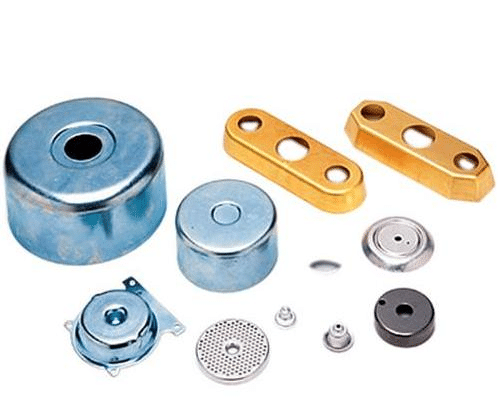
Summary Comparison Table of Deep Draw Stamping and Sheet Metal Stamping
| Comparison Factor | Deep Draw Stamping | Sheet Metal Stamping |
| Basic Definition | A forming process that transforms flat metal sheets into deep, hollow, three-dimensional parts using a punch and die. | A manufacturing process that uses dies to cut, bend, punch, or form flat metal sheets into various shapes. |
| Main Processing Method | Material is pulled and stretched into a die cavity to create a seamless structure. | Material is shaped through cutting, bending, punching, embossing, and other forming operations. |
| Part Shape | Mainly produces deep, enclosed, and hollow components. | Produces flat, shallow, or moderately formed components. |
| Material Deformation | Involves significant material flow and stretching during forming. | Mainly involves localized bending, cutting, and shaping of sheet metal. |
| Design Capability | Suitable for cylindrical, rectangular, and complex hollow designs. | Suitable for parts with holes, slots, bends, flanges, and surface features. |
| Material Requirements | Requires materials with high ductility and excellent formability. | Works with a wider range of metals with different strength levels. |
| Common Materials | Stainless steel, aluminum, copper, and low-carbon steel. | Stainless steel, carbon steel, aluminum, brass, and copper. |
| Part Depth | Ideal for components with high depth-to-diameter ratios. | Better suited for flat or shallow components. |
| Tooling Complexity | Usually requires more complex tooling and may involve multiple drawing stages. | Tooling complexity depends on part design and stamping operations. |
| Production Speed | Efficient for high-volume production after tooling optimization. | Highly efficient for mass production, especially with progressive stamping. |
| Material Utilization | Can reduce waste by forming seamless parts from a single metal blank. | Material efficiency depends on part layout, cutting design, and stamping method. |
| Part Strength | Provides strong, durable parts with fewer joints due to seamless construction. | Strength depends on material thickness, design structure, and forming process. |
| Surface Quality | Produces smooth surfaces but requires careful control to avoid wrinkles or cracks. | Provides consistent surfaces but may require additional finishing after forming. |
| Best Choice For | Products requiring deep cavities, high strength, and leak-resistant designs. | Products requiring cutting, bending, punching, and flexible sheet metal designs. |
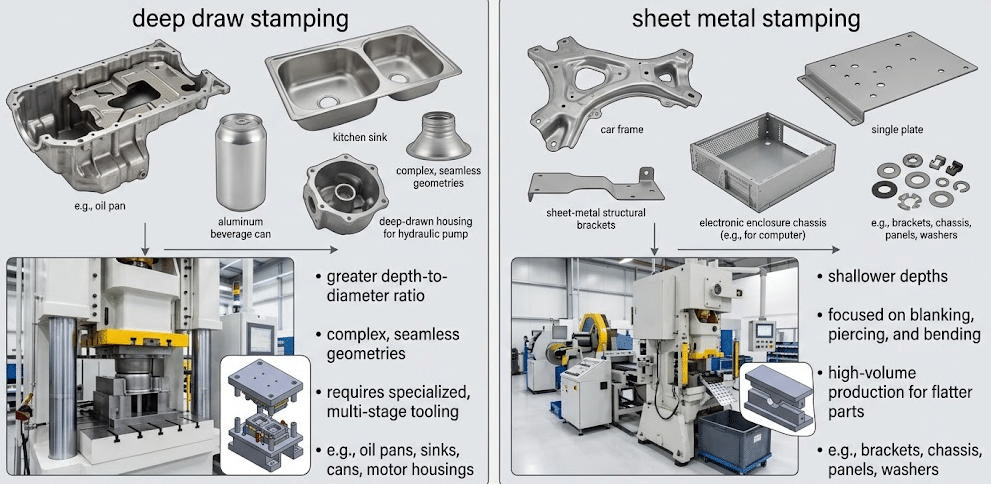
How to Choose Between Deep Draw Stamping and Sheet Metal Stamping
Selecting the right stamping process depends on the specific requirements of the component.
- If the design requires a deep, hollow, seamless structure with high strength and durability, deep draw stamping is usually the preferred option. It is especially suitable for products where leakage prevention, structural integrity, and reduced assembly are important.
- For components that require cutting, bending, punching, or shallow forming, sheet metal stamping provides greater flexibility and efficiency. It is often the better choice for custom metal stamped parts with complex surface features, multiple openings, or large flat areas.
Manufacturers should also consider factors such as material characteristics, production volume, tooling investment, dimensional requirements, and final application conditions before selecting a stamping method.
Final Thoughts
Deep draw stamping and sheet metal stamping are both matter in manufacturing, but they do not do the same job. When people compare the two processes, they can choose based on design needs, performance requirements and production goals. The right choice can lead to better product quality, lower cost, and smoother operations.