
Materials for Lightweight CNC Parts: How to Make the Right Choice
The need for products that have reduced weight, increased strength and improved efficiency has resulted in growing industrial demand for lightweight CNC parts which are used in aerospace, automotive, robotics, medical device and consumer electronics applications. The use of lightweight CNC parts enables better fuel efficiency, higher operational speed, reduced energy needs and improved product handling. The actual performance of CNC machining parts depends on proper material selection which balances weight, strength, machinability, and cost.
Table of Contents
Why Material Selection is Important for Lightweight CNC Parts
Lightweight CNC parts are not simply made from the lightest material available. Engineers must evaluate six performance factors which include structural load and wear resistance and thermal stability and corrosion resistance and appearance. The lightweight material which has weak properties will fail during operational use while the strong yet hard-to-machine material will raise production expenses. The ideal material for CNC machining provides the best combination of low density, sufficient strength, and efficient machinability.
Common Materials for Producing Lightweight CNC Parts
1. Aluminum Alloys
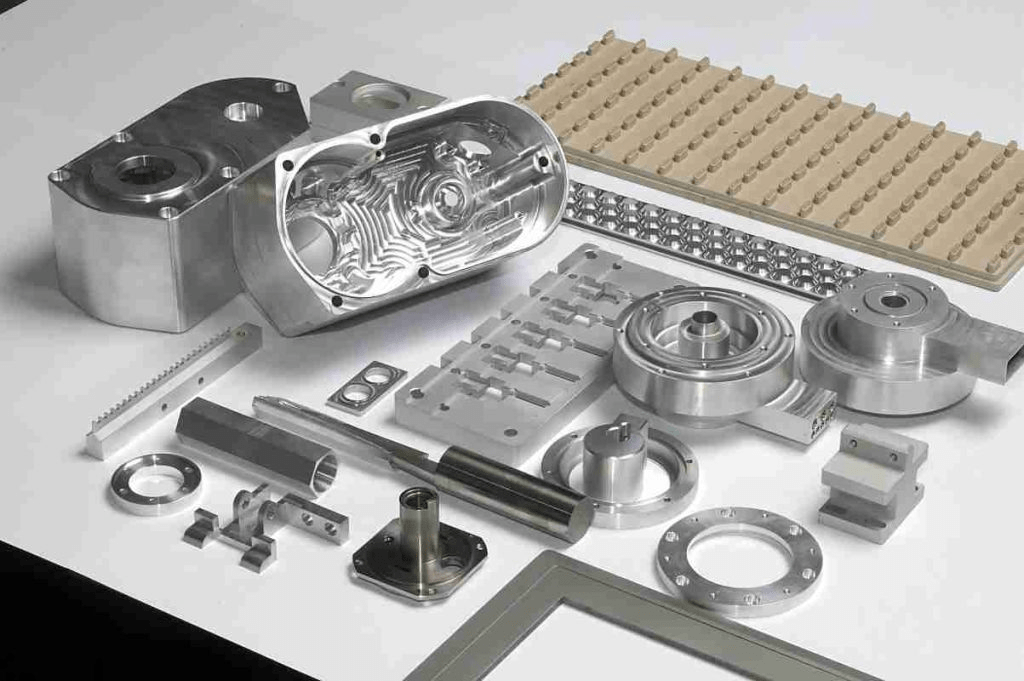
Aluminum remains the leading material for lightweight CNC machining because it combines low weight, good strength, and outstanding machinability.
The following chart provides popular grades in aluminum alloys for lightweight CNC Parts.
| Aluminum Grade | Key Properties for Lightweight CNC Parts | Strength Level | Machinability | Weight Efficiency | Common CNC Applications |
| 5052 | Good formability, strong corrosion resistance, durable | Medium | Good | High | Panels, covers, enclosures, marine parts |
| 6061 | Best all-around balance of strength, cost, and machinability | Medium | Excellent | High | Frames, brackets, housings, fixtures |
| 6063 | Smooth finish, ideal for aesthetic parts and profiles | Medium | Good | High | Trim parts, lightweight structures, profiles |
| 6082 | Higher strength structural alloy with good toughness | High | Good | High | Machine frames, transport parts, load-bearing structures |
| 2024 | High fatigue strength and good mechanical performance | High | Good | High | aerospace fittings, structural parts |
| 7075 | Very high strength, excellent for performance components | Very High | Good | High | Aerospace parts, racing parts, drone frames |
| 7050 | High strength with better stress corrosion resistance | Very High | Moderate | High | Aircraft plates, precision structural parts |
| MIC-6 | Cast plate with excellent flatness and stability | Medium | Excellent | Moderate | Jigs, fixtures, tooling bases |
| 3003 | Economical, easy to form, moderate strength | Low to Medium | Good | High | Covers, decorative panels, light-duty parts |

2. Magnesium Alloys
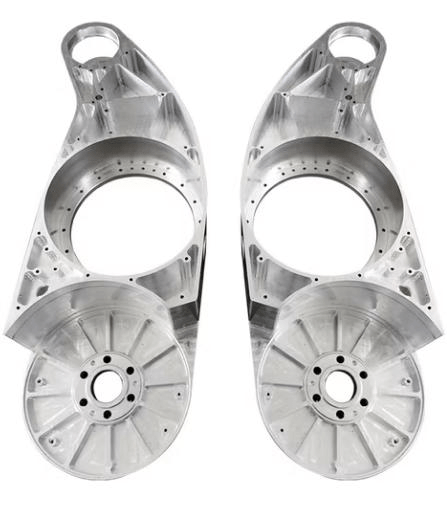
The researchers found that magnesium alloys serve as a crucial material for applications with high requirements for weight reduction. The lightweight properties of magnesium make it a preferred choice for manufacturing portable equipment and specialized automotive components and aerospace parts. The material provides superior vibration damping capabilities, which prove useful for high-precision systems. In CNC machining, magnesium cuts efficiently, but manufacturers must apply strict chip and dust management practices because magnesium debris can be combustible under certain conditions.
3. Titanium Alloys
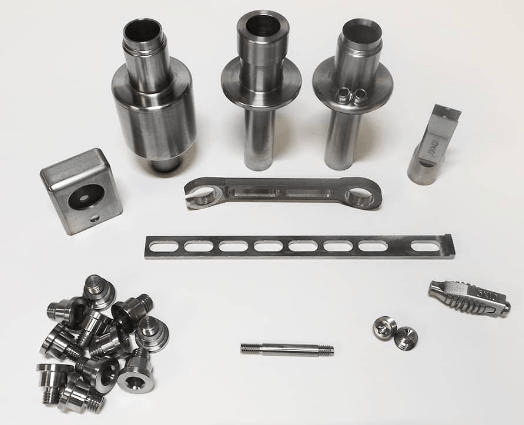
Engineers select titanium alloys because these materials provide lightweight solutions which maintain their excellent strength and resistance to corrosion. The mechanical power of titanium in demanding conditions exceeds the performance capabilities of aluminum because titanium has a heavier weight. The material proves essential for use in aircraft assemblies and motorsports components and marine systems and medical implants. The excellent fatigue resistance of titanium enables components to withstand multiple stress cycles throughout their extended operational lifespan. The higher costs and slower machining processes of titanium compared to aluminum make the material more expensive yet its performance benefits in essential use cases make it worth the higher price.
4. Engineering Plastics
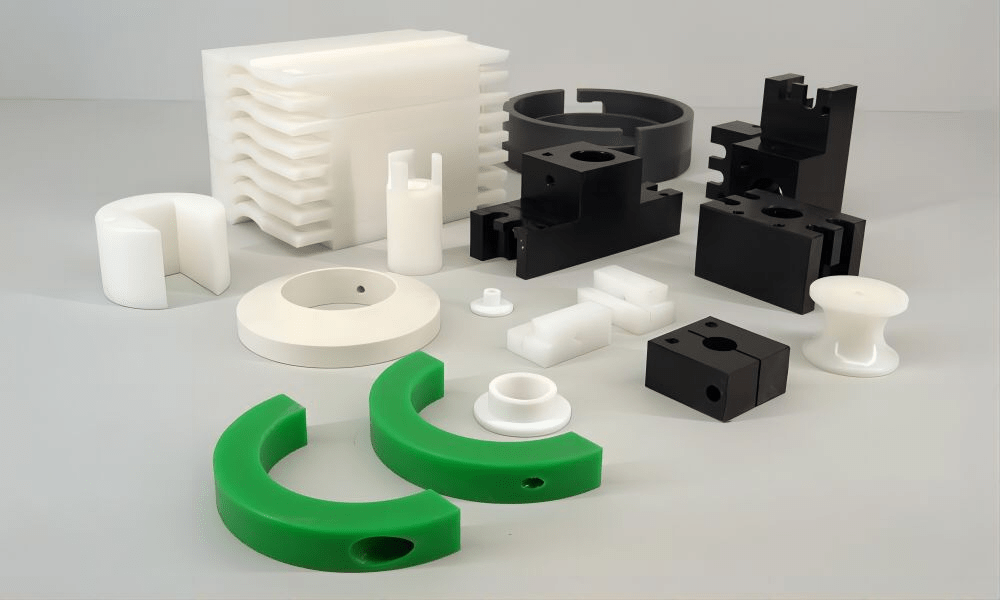
Many CNC parts do not require metal strength, making engineering plastics an excellent lightweight alternative.
The following chart provides common engineering plastic are used for manufacturing lightweight CNC machining parts.
| Engineering Plastic | Key Characteristics | Strength Level | Machinability | Chemical Resistance | Common CNC Applications |
| Delrin (Acetal / POM) | Low friction, rigid, dimensionally stable | Medium to High | Excellent | Good | Gears, bushings, rollers, precision parts |
| Nylon (PA) | Tough, wear resistant, impact resistant | Medium | Good | Moderate | Bearings, guides, pulleys, spacers |
| PEEK | High temperature resistance, premium performance | High | Good | Excellent | Aerospace parts, medical devices, seals |
| PTFE | Very low friction, non-stick surface | Low to Medium | Moderate | Excellent | Seals, valve seats, chemical components |
| UHMW-PE | Outstanding abrasion resistance, slippery surface | Medium | Good | Excellent | Wear strips, liners, conveyor guides |
| ABS | Tough, affordable, easy to machine | Medium | Excellent | Moderate | Covers, housings, prototypes |
| Polycarbonate (PC) | High impact strength, transparent option | Medium to High | Good | Moderate | Guards, lenses, machine covers |
| PVC | Good corrosion resistance, economical | Medium | Good | Excellent | Chemical tanks, fittings, panels |
| HDPE | Moisture resistant, lightweight, food safe options | Low to Medium | Good | Excellent | Cutting boards, tanks, trays |
| PET / PETP | Strong, low moisture absorption | Medium to High | Good | Good | Precision insulators, sliding parts |
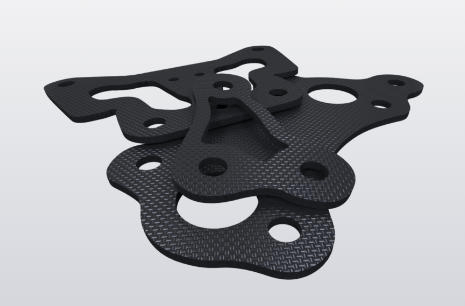
5. Carbon Fiber Composites
Carbon fiber composites are vital in the manufacturing of advanced lightweight products. They are machined differently from metals so as to trim composite panels and create an exact finished shape. Thanks to the exceptional stiffness of carbon fiber and its low weight, it is used most often in such applications as drones, racing systems, the sports, and the premium electronics. Also, it is quite modern-looking and aesthetically acceptable on consumer-facing products.
Comparison of Key Lightweight CNC Materials
This chart provides a comprehensive comparative analytic for material used in lightweight CNC part production.
| Material | Material Type | Strength Level | Machinability | Corrosion Resistance | Cost Level | Applications for CNC Parts |
| 6061 Aluminum | Metal Alloy | Medium | Excellent | Good to Excellent | Moderate | Frames, brackets, housings, general CNC parts |
| 7075 Aluminum | Metal Alloy | Very High | Good | Moderate | Higher | Aerospace parts, racing components, drone frames |
| Magnesium Alloy | Metal Alloy | Medium | Good | Moderate | Higher | Portable devices, performance parts |
| Titanium Alloy | Metal Alloy | Excellent | Moderate to Difficult | Excellent | High | aerospace, medical, marine systems |
| Stainless Steel 304 | Metal Alloy | High | Moderate | Excellent | Moderate | Food equipment, fittings, durable parts |
| Delrin (POM) | Engineering Plastic | Medium | Excellent | Good | Moderate | Gears, bushings, rollers, precision parts |
| Nylon (PA) | Engineering Plastic | Medium | Good | Moderate | Moderate | Bearings, guides, spacers |
| PEEK | Engineering Plastic | High | Good | Excellent | Very High | Medical parts, high-temp components |
| PTFE | Engineering Plastic | Low to Medium | Moderate | Excellent | High | Seals, valve seats, chemical parts |
| Carbon Fiber Composite | Composite | High | Specialized | Excellent | High | Panels, drones, racing structures |
Key Factors to Consider for Choosing the Right Materials for Lightweight CNC Parts
1. Understanding the Weight-to-Performance Balance
Lightweight CNC parts are manufactured to reduce mass without losing function. Lighter weight may improve fuel consumption, speed, power consumption, and ease of installation. Conversely, excessively lightweight materials may not be able to bear any degree of loading. Engineers must therefore think about the density to performance balance. Aluminum and magnesium offer low weight whereas titanium and new composites offer higher strength with moderate weight savings. Trust has to be put on the end use of the part to derive the conclusion.
2. Mechanical Strength and Load Requirements
The first polarizing consideration before selecting which material to use is whether the part is going to experience static loads, being vibrated with higher dynamic forces, or be subjected to any sort of repeated stress shaking. Materials that resist distortion and survive fatigue must be sought-like in moving mechanical components, components of airplanes, or structural fittings. Aluminum alloys incorporate many benefits for general purpose structural components, whereas titanium might be preferred in critical high-stress environments. Engineering plastics should suffice for lighter-duty parts like covers, guides, or housings.
3. Machinability and Production Efficiency
There is no limit to the efficiency of machinability regardless of performance at the material level. A material becomes unsuitable for the advancement of products if its processing involves difficulties and expenses. The efficiency of machinability in CNC machines can directly or indirectly affect system stability, tool wear, cycle time, surface finish, and overall manufacturing cost. A quick-running cutter with maximum uniform precision can enhance the materials’ pressures.
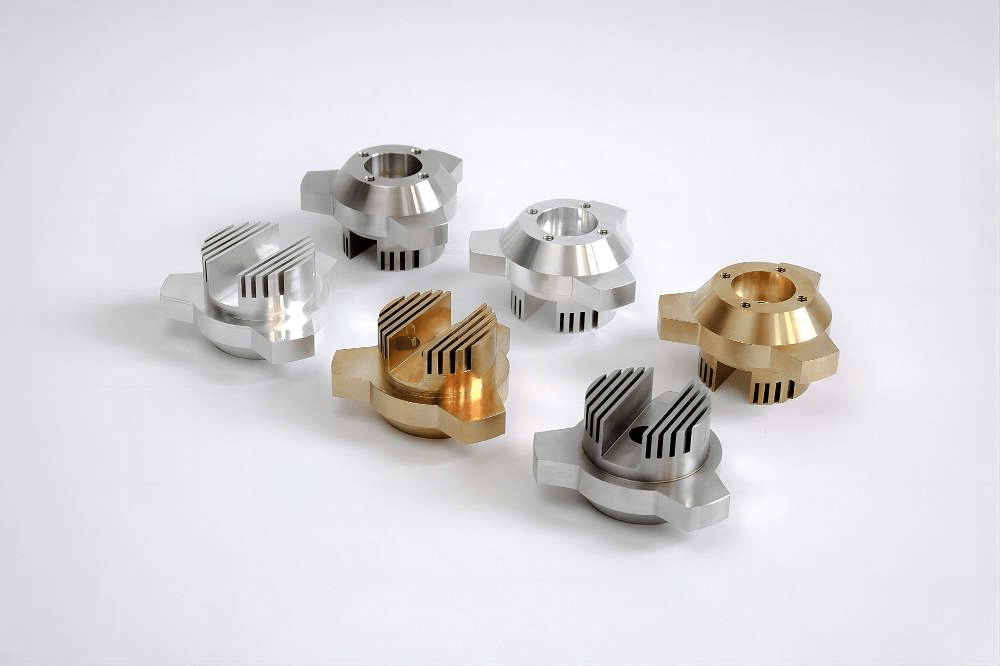
Aluminum is widely favored for quick, clean, and efficient machining. The plastics such as acetal and nylon also machine well.-titanium or certain composites demand slower machining speeds, specific tooling, and greater process control.
4. Corrosion and Environmental Resistance
The operating environment has a strong role in material selection. Parts that are exposed to moisture, seawater, chemicals, or outdoor conditions need strong corrosion resistance to take care of long-term reliability.
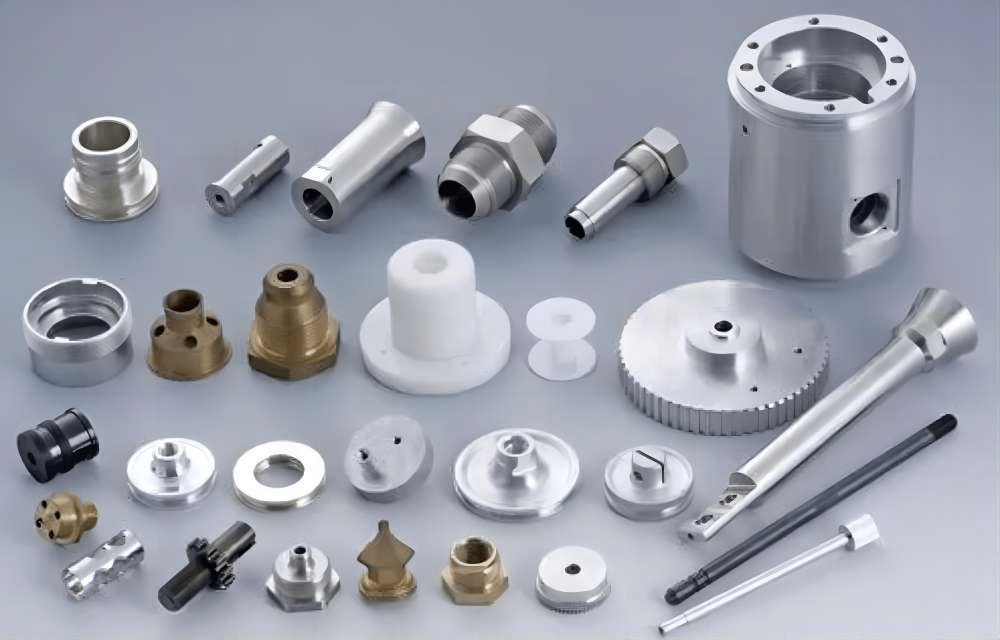
Aluminum inherently resists corrosion and can be anodized for corrosion protection. Stainless steel and titanium are the front-runners in harsh environments. Engineering plastics can also be great choices when the aspect of safety from chemical exposure is a concern.
5. Thermal Stability and Temperature Exposure
Some lightweight components made by CNC operate from within high ambient temperatures or sudden thermal changes. The material used must retain strength and dimensional accuracy under such conditions.
Polyether-ether-ketone (PEEK) is a thermoplastic material that can take the heat and remain lightweight. Titanium is also reasonable at elevated temperatures. Standard plastics get soft, and perhaps some metal-containers expand sufficiently, thus affecting tolerances if the behavior with respect to temperature is not taken into account.
6. Surface Finish and Appearance
The surface finishing of CNC parts is important for visible consumer products or badge components as design specification. Based on the application, a material that supports clean machining marks, polishing, coating, or anodizing may be chosen. For a premium appear, Aluminum can be finished bead-blasted, polished, brushed, or anodized in various colors for CNC machined parts. Carbon fiber composites are also selected for their contemporary aesthetics.
7. Cost and Budget Considerations
The budget ultimately plays a major role when it comes to material selection. This can have improved performance but often come at a very high price, not suitable to the production route produced by aluminum due to the lower weight, strength, and workability value prescription. Titanium and carbon fiber provide better performance but at a very high price. Engineering plastics can become a comparable, less expensive substitute for non-structural components.
8. Production Volume and Supply Availability
The material choice should also depend upon the number of parts needed. High-volume work should warrant a readily available material that machines efficiently with little tool wear. Rare or special materials could mean longer lead times and cost more. Everyday aluminum alloys are cheaply available all over and can be used both in prototypes and mass production. For small-volume and more valuable applications, specialty alloys or composites could prove better.
9. Long-Term Durability and Maintenance
Some parts will be needed to work for many years with little maintenance. In cases like this, wear resistance, fatigue life, and dimensional stability are all very important. Replacing failed parts would be much more expensive than selecting a better material from the beginning. Titanium, other high-grade aluminum grades, acetal, and PEEK are often used for parts needing long service lives.
Final Words
Selecting the proper material is crucial for the production of lightweight CNC parts. Aluminum is the most used owing to its golden mean between weight, strength, and machinability. Magnesium, titanium, plastics, and composites serve specific needs. The art of producing high-precision CNC parts is a bit of a task: matching the material properties to the needs of these applications, CNC parts that are lightweight, high-strength, and then some.