
What Determines the Costs of Custom CNC Parts?
Custom CNC parts are widely used in aerospace, auto, medical devices, electronics, robotics, and more industries. They tend to deliver tight accuracy, steady repeat runs, and a lot of freedom in how the part is shaped. The costs for custom CNC parts can vary significantly depending on multiple factors. By looking closely at the main cost drivers, businesses can optimize the design, choose the right material, and plan the job in a smarter way.
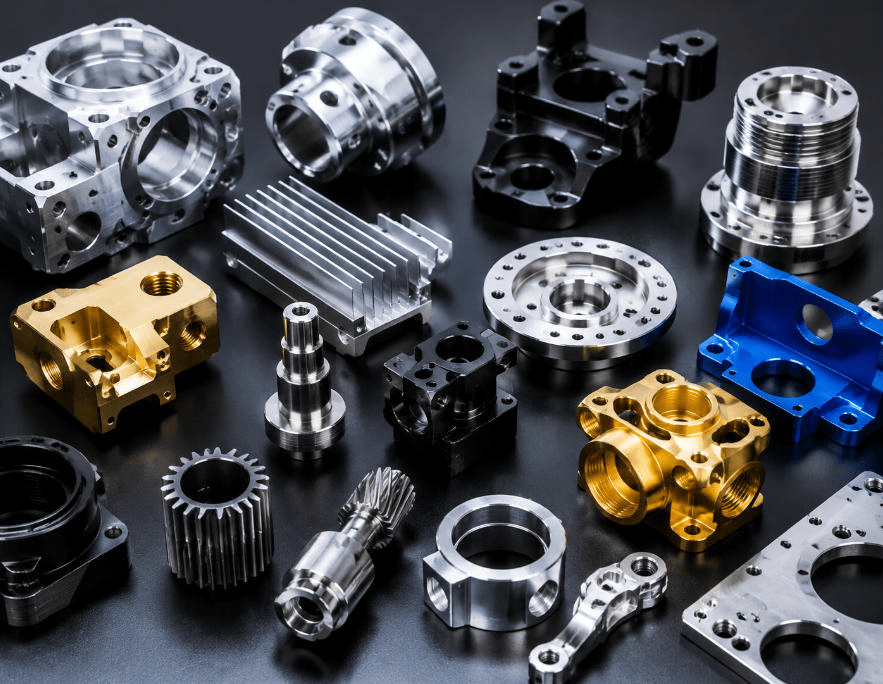
Table of Contents
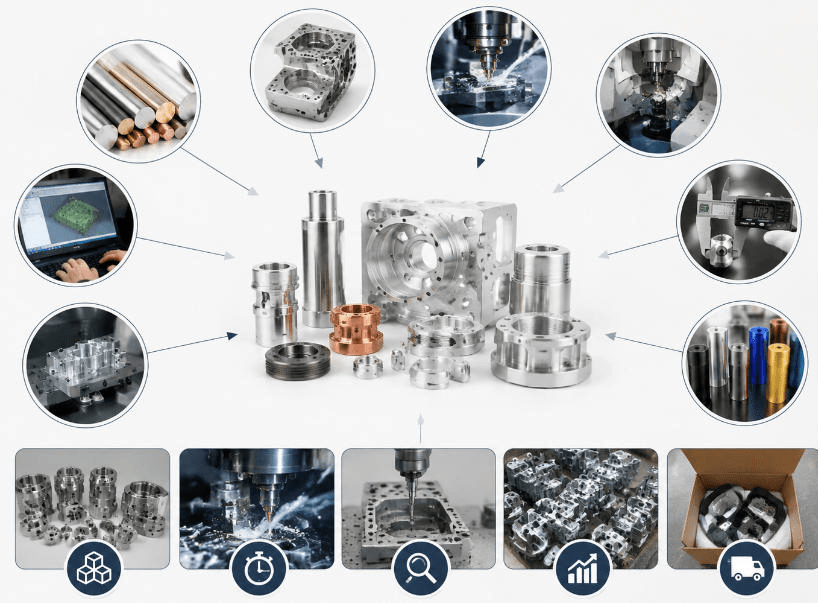
Understanding the Costs of Custom CNC Parts
| Cost Factor of Custom CNC Parts | Description |
| Material Selection | The type of material used, such as aluminum, stainless steel, titanium, brass, or engineering plastics |
| Part Size and Material Usage | The overall dimensions of the part and the amount of raw material required |
| Design Complexity | The complexity of the part geometry, including curves, cavities, thin walls, and intricate features |
| Machining Time | The total time required for cutting, drilling, milling, turning, and finishing processes |
| CNC Machine Type | The equipment used, such as 3-axis, 4-axis, or 5-axis CNC machines |
| Programming and Setup | The time needed for CAD/CAM programming, fixture preparation, and machine setup |
| Tolerance Requirements | The level of precision required for dimensions and part features |
| Surface Finish Requirements | Additional treatments such as polishing, anodizing, plating, coating, or grinding |
| Production Volume | The number of parts produced in one order |
| Tooling Requirements | The cutting tools, fixtures, and special equipment needed for manufacturing |
| Quality Inspection | Testing methods such as CMM inspection, dimensional checks, and material verification |
| Material Waste | The amount of unused material left after machining |
| Lead Time Requirements | The required delivery schedule for completed parts |
| Post-Machining Processes | Additional operations such as heat treatment, coating, assembly, or finishing |
Cost Breakdown of Custom CNC Parts
| Cost Category | Approximate Contribution to Total Cost |
| Raw Material | 20%–40% |
| CNC Machining Time | 30%–60% |
| Programming and Setup | 10%–30% |
| Tooling and Fixtures | 5%–20% |
| Surface Finishing | 5%–25% |
| Inspection and Quality Control | 5%–15% |
| Packaging and Delivery | 2%–10% |
Key Factors Affecting the Costs of Custom CNC Parts
1. Material Selection and Cost
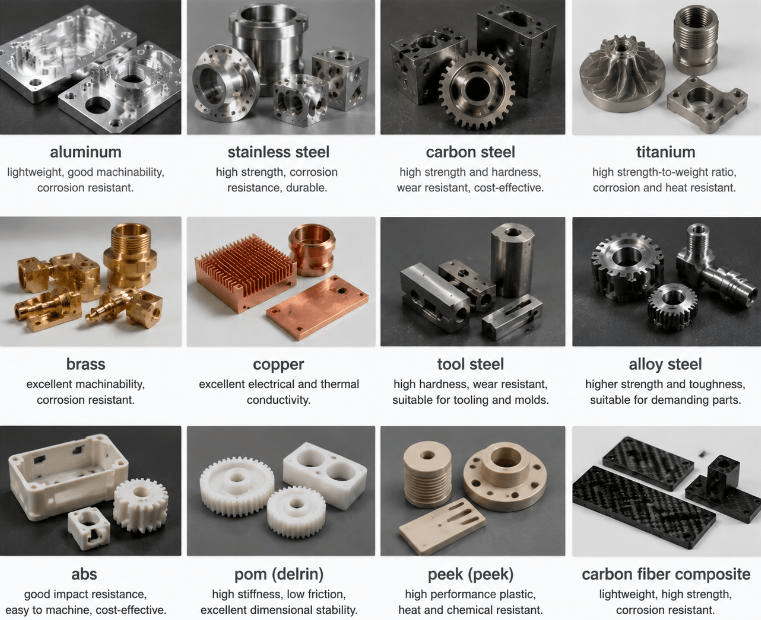
One of the biggest factors that affects the costs of custom CNC parts is the material selected for CNC part production. The materials vary in raw material cost, machining difficulty, and processing needs too.
You usually see aluminum, stainless steel, carbon steel, brass, copper, titanium, plus engineering plastics in common CNC machining. Aluminum is often picked for lightweight components because it is relatively straightforward to machine and stays cost-effective. Stainless steel and titanium, even though they bring great strength and corrosion resistance, will typically raise manufacturing costs because they need reduced machining speeds and more specialized tooling.
On top of that, material waste matters a lot for the final expense. When a part has intricate geometry, it may need a larger starting block, and that leaves more leftover stock, which adds cost. Picking a suitable material aligned with the performance requirements helps keep the total cost contained without reducing quality.
2. Part Design Complexity
The complexity of CNC machining part has a direct impact on manufacturing costs. If the component is plain, with steady geometry, it can usually be produced quickly. But if the part is more elaborate, then you end up needing additional programming, extra machining sequences, and more specialized hands.
The following chart provides the design features that may increase CNC machining costs
| Feature | Why It Increases Costs | Impact on Manufacturing |
| Complex Geometries | Complicated shapes require more advanced programming, specialized tools, and additional machining operations | Increases machining time and programming expenses |
| Deep Cavities | Deep pockets require special cutting tools, longer machining cycles, and careful tool path planning | Increases tool wear and machining difficulty |
| Thin Walls and Delicate Structures | Fragile designs are harder to machine without deformation or damage | Requires slower cutting speeds and additional support methods |
| Multiple Setups | Parts that need repositioning require more fixture preparation and operator involvement | Adds setup time and labor costs |
| Complex Internal Features | Internal channels, undercuts, and hidden surfaces require specialized tools or machining strategies | Raises programming and production complexity |
| Custom Threads and Small Holes | Non-standard threads and tiny features require special tooling and careful machining control | Increases tool costs and inspection requirements |
| Frequent Design Changes | Engineering updates require new programming, tooling adjustments, and testing | Increases development and production costs |
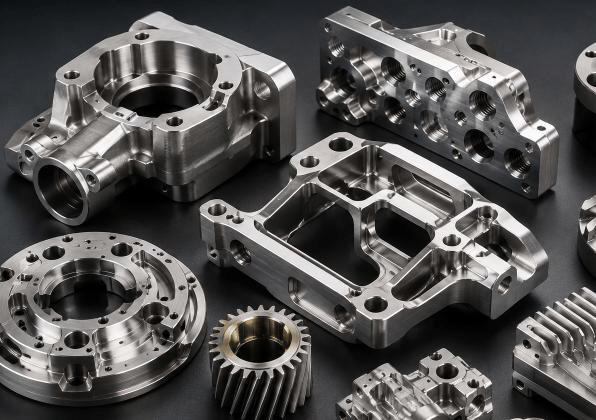
3. Machining Time and Production Efficiency
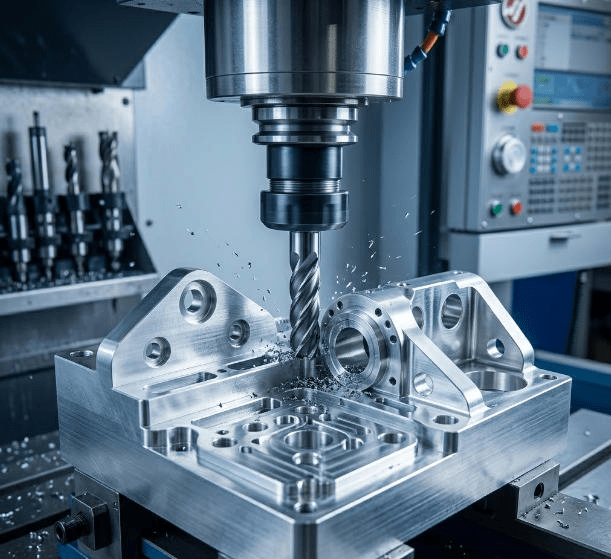
CNC machining costs tracks with how much machine time the job needs. When the machining cycle lasts longer, you typically pay more for working hours, plus equipment operation, and also energy costs.
Machining time depends on multiple things, for example:
- The number of machining operations
- Cutting speed, and feed rate
- How much material needs to be removed
- How many tool changes are required
- Machine setup time
- How much inspection is needed
A part that needs several setups may become pricier, because operators must spend additional time to reposition and line up the workpiece properly. Designs that reduce the number of setups, and make the milling process more straightforward can improve production efficiency in a noticeable way.
4. CNC Machine Type and Technology
The type of CNC equipment used during manufacturing has an influence on the final cost too, and it is not always obvious at first. Different machines bring different degrees of precision, productive capacity and general efficiency.
3-axis CNC machines work well for many common parts, and in practice they tend to be cheaper to produce. 5-axis CNC machines can create highly complicated geometries with fewer setups; however, they usually come with higher equipment prices and ongoing operating expenses.
Other advanced systems too, for instance CNC turning centers, Swiss-type CNC machines, or automated machining lines, may raise the initial expense. Still, they can lift accuracy and overall throughput for specific jobs where precision matters more than standard output.
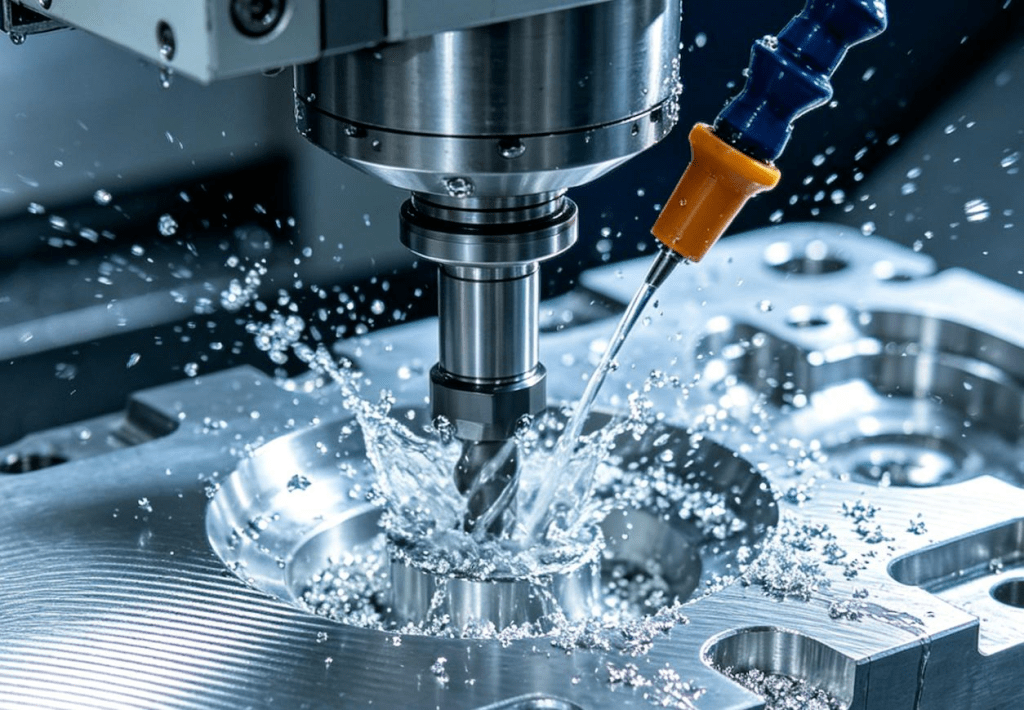
5. Tolerance and Precision Requirements
When the required tolerances of custom CNC parts are tighter, the cost typically increases. Regular machining tolerances are often more affordable, while extremely precise components usually need extra machining steps, more demanding verification and inspection tools, and skilled operators who stay consistent with quality checks.
For example, aerospace and medical components usually need very strict dimensional accuracy. Manufacturers may need to use coordinate measuring machines (CMMs), advanced calibration techniques and controlled production environments so the quality stays consistent.
When designing CNC parts, it is important to list only the tolerances that matter for the application. Using overly strict tolerances can bring added manufacturing costs without real benefit.
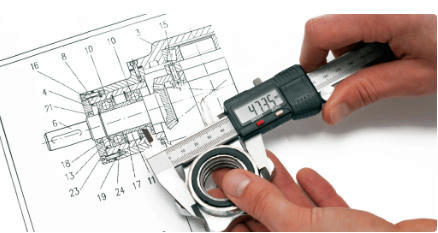
6. Surface Finish Requirements
The required surface finish is another factor that affects CNC machining costs. A normal machined surface is typically cheaper, while extra finishing steps raise the total price.
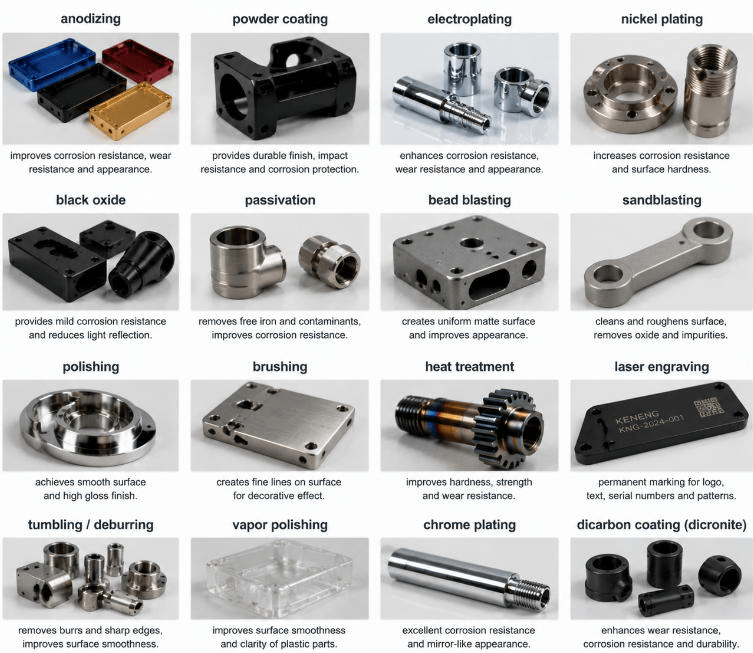
The following chart provides common surface treatments for custom CNC parts.
| Surface Treatment | Description | Main Benefits |
| Anodizing | An electrochemical process that creates a protective oxide layer on aluminum surfaces | Improves corrosion resistance, wear resistance, and appearance; provides color options |
| Powder Coating | A dry finishing process where powdered paint is electrostatically applied and cured with heat | Provides a durable, thick, and attractive protective coating |
| Electroplating | A process that deposits a thin metal layer, such as nickel, chrome, or zinc, onto the part surface | Enhances corrosion resistance, hardness, conductivity, and appearance |
| Polishing | A mechanical finishing process that smooths the surface using abrasives | Creates a smooth, shiny appearance and reduces surface roughness |
| Brushing | A finishing method that creates a consistent directional texture on the surface | Improves appearance and hides minor scratches or machining marks |
| Sand Blasting | A process that uses abrasive particles to clean and texture the surface | Removes machining marks, improves surface uniformity, and prepares surfaces for coating |
| Bead Blasting | A surface treatment using fine glass beads to create a smooth matte finish | Provides a clean, non-reflective appearance and improves surface consistency |
| Heat Treatment | A thermal process that changes the material’s internal structure | Increases hardness, strength, wear resistance, and durability |
| Passivation | A chemical treatment that removes free iron from stainless steel surfaces and improves the protective oxide layer | Enhances corrosion resistance and surface cleanliness |
| Electroless Nickel Plating | A chemical plating process that deposits a uniform nickel layer without using electrical current | Provides excellent wear resistance, corrosion protection, and dimensional accuracy |
| Black Oxide Coating | A chemical conversion coating mainly used for steel and stainless steel parts | Improves corrosion resistance, reduces glare, and enhances appearance |
High-quality surface finishes often demand more equipment, extra work hours, and additional inspection workflows. Choosing a suitable finish based on the part’s function rather than looking alone can help reduce costs.
7. Production Volume
The quantity of custom CNC parts you order is a big part of what sets the unit price. If you do low-volume production, the cost per part is usually higher because those setup and programming expenses get spread across fewer units.
For prototypes, or smaller batch orders, manufacturers need time for preparing the CNC programs, picking tools, and setting up the machines. But for larger production runs, the same fixed costs are divided among more pieces so the average cost drops.
When you move into bulk manufacturing, it also helps them fine-tune machining routines, make the workflow smoother, and reduce material waste in the process.
8. Programming and Setup Costs
Before any machining begins, CNC manufacturers have to craft the machining programs, prepare the tooling, and position the equipment correctly. These preparation expenses tend to matter the most for custom parts.
Complex parts need more detailed CNC programming, plus extra simulation work to avoid machining errors, not just the usual setup. Usually engineers will analyze tool paths, improve the cutting strategy, and even run trial operations before full production, because small mistakes show up later.
Even if the programming cost looks minor next to machining expenses it can still change the overall price for one-off prototypes or smaller batch orders.
9. Quality Inspection and Testing
Quality control requirements for CNC parts can also shift costs. In sectors with strict standards, teams often must follow detailed inspection steps, to confirm the dimensions, the material characteristics, and overall performance.
Inspection methods may include:
- Dimensional measurement
- Surface roughness testing
- Material certification checks
- Functional testing
- CMM inspection reports
While additional inspection increases manufacturing costs, it ensures that parts meet customer specifications and reduces the risk of product failures.
10. Lead Time and Delivery Requirements
Urgent production schedules often end up with higher CNC machining costs. When rush orders come in, manufacturers may have to tweak their production plans, push a few jobs ahead of the queue, or run extra shifts, just to keep the timeline intact.
Normal production timelines usually give manufacturers a bit more room to optimize machine usage and bring costs down. If you plan orders in advance, you can often avoid the premium charges that go with expedited manufacturing.

How to Select the Right Custom CNC Part Manufacturing Partner
The supplier you choose for custom CNC parts can heavily affect both cost and quality. A manufacturer that’s experienced with CNC work can offer support across design tuning, material selection, machining tactics, and ways to lower expenses.
A dependable supplier can also help spot chances to simplify the design, cut down machining time, and choose more cost efficient production methods, without hurting performance.
Rather than being stuck on the lowest quote, businesses should look at manufacturing experience, what the equipment can actually do, the quality systems in place, how reliably deliveries arrive, and the level of technical guidance they offer.
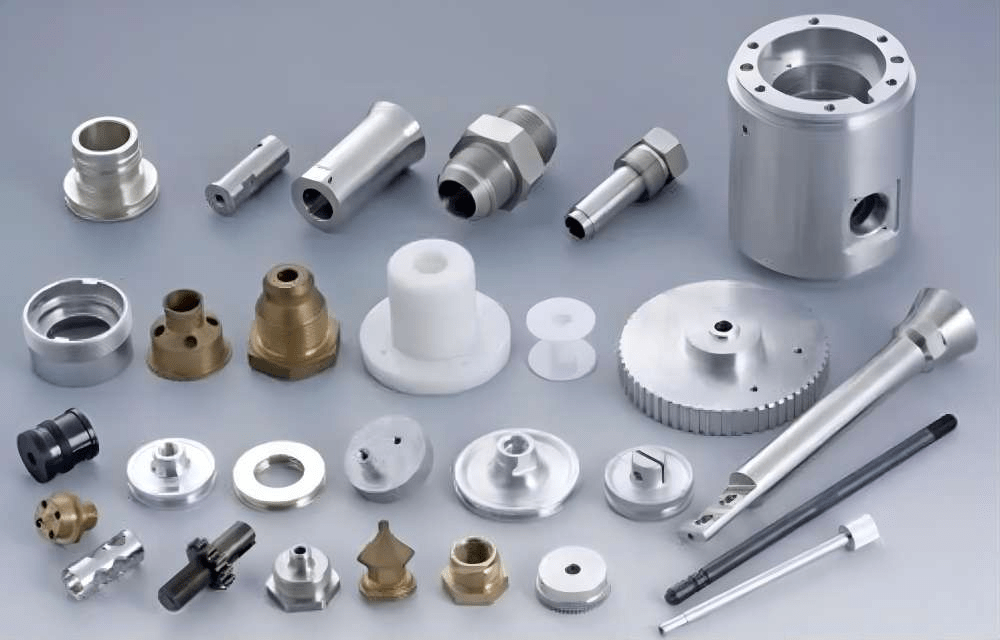
KENENG provides high quality, custom CNC parts manufacturing solutions, with advanced machining technology, seasoned engineers, and firm quality control processes. From prototype building to high volume output, KENENG delivers precise CNC components, engineered to fit various industry demands.
Summary
The cost of custom CNC parts is determined by many factors, such as the material choice, how complex the design is, the actual machining duration, the required tolerances, the desired surface finishes, etc. When a part is planned well, and manufacturing is organized in a efficient way, the overall cost can be pushed down, all while keeping the quality and performance in place. Through understanding these cost drivers, companies can collaborate more smoothly with CNC part manufacturers, so they end up with dependable, high quality custom CNC machined components that fit the technical needs and still remain within budget.