
Cost-Effective Production of Low-Volume CNC Parts
The production of low-volume CNC parts provides essential support to industries that need limited quantities of precise components without the expense of large-scale manufacturing. From prototypes and custom machinery parts to aerospace replacements and medical devices, companies often need small production runs that still demand tight tolerances and reliable quality in CNC parts. The production of low-volume CNC parts becomes costly when companies fail to control their expenses on material resources, equipment operation, and worker wages. The production process requires optimization because it establishes the necessary balance between maintaining high-quality standards and achieving cost efficiency throughout CNC part production.
Table of Contents
Understanding Low-Volume CNC Production
Low-volume CNC production typically refers to manufacturing quantities ranging from a single unit to several hundred CNC parts. The production system needs more parts than low-volume manufacturing can handle because high-volume production needs to spread its tooling and setup expenses across thousands of manufactured items. The implementation of effective operational frameworks is necessary to reduce high unit costs which emerge from production processes.
Low-volume CNC machining provides manufacturers with the ability to produce different products through its advanced manufacturing capabilities. The manufacturing process enables companies to make quick changes to their products, conduct market tests and fulfill customized customer demands without spending money on costly molds and dies. The CNC machining process works effectively for new businesses and product designers and niche market sectors.
Costs in the Low-Volume CNC Part Production
| Cost Category | Description | Cost Drivers | Impact on Low-Volume Production | Cost Control Strategies |
| Material Cost | Expense of raw metal or plastic stock used for machining parts. | Material type, grade, size, availability, waste rate | High impact because small orders receive less bulk pricing advantage | Choose economical materials, optimize stock size, reduce scrap |
| Setup Cost | Time and labor required to prepare machines before production starts. | Fixture installation, tool loading, machine calibration, programming | Very high impact since setup is spread over fewer parts | Use modular fixtures, batch similar jobs, standardize setups |
| CNC Machining Cost | Cost of actual machine operation during cutting processes. | Cycle time, machine type, complexity, spindle time | High impact on intricate or multi-operation parts | Simplify design, optimize toolpaths, reduce machining time |
| Programming Cost | CAM programming and process planning for the part. | Part complexity, toolpath generation, revisions | Significant for prototypes and custom low-quantity jobs | Improve design readiness, reuse proven programs |
| Tooling Cost | Expense of cutting tools and tool wear during production. | Material hardness, cutting speed, tool changes | Moderate impact, especially for hard metals | Use machinable materials, optimize feeds and speeds |
| Labor Cost | Operator, setup technician, and inspection labor. | Skill level, manual handling, setup time, monitoring needs | Higher per part in low-volume runs | Increase automation, improve workflow efficiency |
| Quality Inspection Cost | Measurement and verification of tolerances and surface quality. | Tight tolerances, inspection frequency, CMM use | Can be high for precision components | Apply tolerances only where necessary, use efficient inspection plans |
| Finishing Cost | Secondary operations after machining. | Anodizing, polishing, coating, deburring, heat treatment | Adds noticeable cost to small batches | Minimize unnecessary finishes, combine processes |
| Shipping Cost | Packaging and transportation of finished parts. | Weight, size, urgency, destination | Higher per unit in small shipments | Consolidate orders, plan standard delivery schedules |
| Rework / Scrap Cost | Cost caused by rejected or incorrect parts. | Machining errors, design changes, poor quality control | Very costly in low-volume runs due to limited quantities | Strong process control, DFM review, first-article inspection |
Key Strategies for Cost-Effective Production of Low-Volume CNC Parts
1. Focus on Design for Manufacturability
One of the most important strategies for lowering production cost begins before CNC machining starts. Designing parts with manufacturability in mind can significantly reduce machining time and complexity. Simple geometries are generally faster and less expensive to machine than intricate designs with multiple deep cavities, thin walls, or hard-to-reach features.
Standardizing dimensions such as hole sizes, thread types, and corner radii also helps reduce tooling changes and simplifies machining operations. Tight tolerances should only be specified where truly necessary, since excessive precision requirements can increase cycle times and inspection costs. A well-optimized design saves both time and money throughout production.

2. Choose Materials Wisely
Material selection for CNC machining has a direct impact on the total cost of low-volume part production.
The following chart provides common materials used for Cost-effective low-volume CNC production.
| Material Type | Cost Level | Key Advantages | Common Applications | Cost-Effectiveness for Low-Volume CNC Parts |
| Aluminum Alloys | Low to Medium | Lightweight, corrosion resistant, fast machining, widely available | Prototypes, automotive parts, electronics housings | Highly cost-effective due to low machining time and affordable raw material |
| Mild Steel | Low | Strong, durable, economical, versatile | Machine components, brackets, structural parts | Very cost-effective when strength is required at low material cost |
| Stainless Steel | Medium to High | Corrosion resistant, durable, attractive finish | Medical parts, food equipment, marine components | Cost-effective for parts needing corrosion resistance and long service life |
| Brass | Medium | Easy to machine, good conductivity, decorative appearance | Fittings, valves, electrical connectors | Efficient for precision parts requiring smooth finishes |
| Copper | High | Excellent electrical and thermal conductivity | Electrical parts, heat exchangers | Best used when conductivity is essential despite higher material cost |
| Titanium | High | High strength-to-weight ratio, corrosion resistant, biocompatible | Aerospace, medical implants, high-performance components | Suitable only when premium performance justifies high cost |
| ABS Plastic | Low | Lightweight, low material cost, easy machining | Enclosures, prototypes, consumer products | Very cost-effective for non-metal functional parts |
| Nylon | Low to Medium | Wear resistant, low friction, durable | Bushings, gears, rollers | Strong value for moving parts and wear applications |
| POM (Delrin/Acetal) | Medium | Dimensional stability, low friction, easy machining | Precision plastic components, fixtures | Excellent for accurate low-volume plastic parts |
| Polycarbonate | Medium | High impact resistance, transparent options | Safety covers, housings, optical parts | Cost-effective where strength and transparency are required |
3. Reduce Setup Time and Machine Idle Time
For low-volume CNC production, setup costs can represent a large percentage of the total expense. Efficient setup planning is, therefore, critical. Modular fixtures, quick-change tooling systems, and standardized workholding solutions can dramatically reduce machine idle time between jobs.
Combining operations wherever such a solution is feasible makes the processing time faster while ensuring better dimensional accuracy. Multi-axis CNC machines enjoy high returns when machining highly complex parts by using fewer repositions. In addition, careful scheduling of similar jobs can help reduce repeated tool changes and machine setup adjustments, increasing throughput in small batch production.
4. Use Advanced CAM Programming
Modern CAM software, which learns from the practical experience behind CNC machining, plays an important role in determining cost. Time of a cycle is shortened, wear of a tool is lessened, and quality of the surface finish checked through the optimization of toolpaths. High-speed roughing strategies, adaptive tricks of milling, and simulation tools are some of the ways by which productivity can be maximized while errors are minimized.
For short production runs, simulations help avoid losses in profitability. Identifying collisions, over- and under-cuts, and ineffective motions before cutting begins can save expensive, time-consuming rework, wastage of material, and days’ worth of machine time.
5. Minimize Secondary Operations
Each secondary finishing or machining operation adds labor and handling time as well as expenses. To improve cost-efficiency, design parts that do not need excessive secondary operations, such as grinding, polishing, welding, or plating.
If decorative coatings or surface finishing are requested, the selection of an options for the application can help to cut costs largely. Sometimes, CNC machined parts are in near-final dimensions so that further processes for finishing are not required.
6. Work with the Right CNC Manufacturing Partner
Choosing an experienced CNC machining supplier is one of the smartest strategies for cost-effective low-volume CNC production.
The following chart provides the main factors to consider for select a supplier for cost-effective CNC part manufacturing.
| Evaluation Factor | What to Look For | Why It Important for Cost Control |
| Experience in Low-Volume Production | Supplier specializes in prototypes, custom batches, and short production runs | Experienced suppliers reduce setup waste, improve efficiency, and avoid unnecessary charges |
| CNC Machining Capabilities | Wide range of CNC milling, turning, drilling, and multi-axis machining services | More in-house capability reduces outsourcing costs and shortens lead times |
| Material Sourcing Ability | Reliable access to metals, plastics, and specialty materials at competitive prices | Better sourcing lowers raw material costs and prevents delays |
| Engineering Support | Design review, manufacturability suggestions, and tolerance optimization | Helps simplify parts and reduce machining time and production expenses |
| Pricing Transparency | Clear quotations with breakdowns for machining, materials, finishing, and shipping | Prevents hidden costs and allows accurate budget planning |
| Minimum Order Flexibility | Willingness to accept small batches without excessive fees | Essential for low-volume production where demand is limited |
| Lead Time Performance | Fast scheduling, realistic delivery dates, and consistent turnaround | Reduces downtime and avoids costly project delays |
| Quality Control System | Inspection equipment, documented processes, and traceability | Prevents defects, rework, and waste that increase total costs |
| Secondary Services | Finishing, anodizing, heat treatment, assembly, and packaging | Consolidated services reduce logistics costs and supplier coordination issues |
| Communication Efficiency | Quick responses, technical clarity, and project updates | Strong communication minimizes errors and speeds decisions |
| Scalability | Ability to move from prototype to medium-volume production | Supports future growth without switching suppliers |
| Reputation and Reliability | Positive customer reviews, case studies, and repeat business history | Reliable suppliers reduce operational risk and unexpected costs |
| Technology Investment | Modern CNC machines, automation, and CAD/CAM systems | Advanced equipment improves precision, speed, and cost efficiency |
| Total Cost of Ownership | Balance of price, quality, service, and delivery performance | Lowest quote is not always the most economical long-term option |
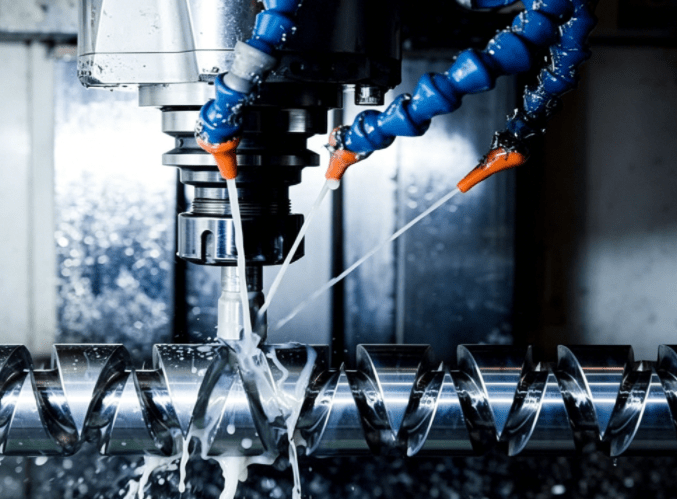
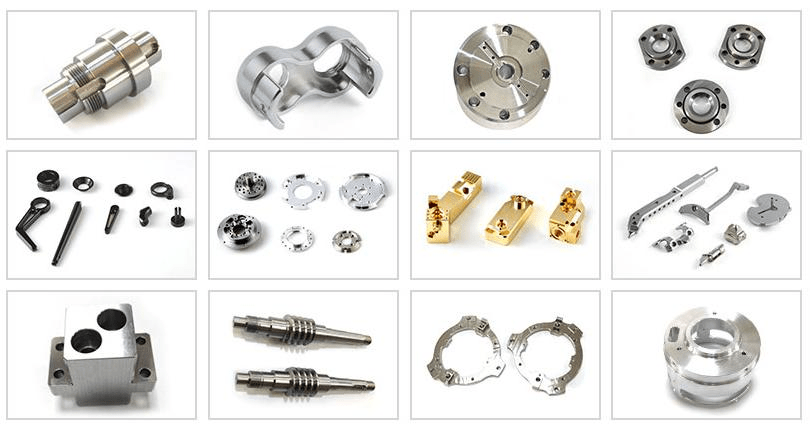
KENENG has a capacity to do small-batch production flexibly and precisely. With advanced CNC equipment, an experienced team of engineers and strict quality control, KENENG is keen on helping customers to reduce production costs, cut lead times, and maintain CNC part quality constantly. Whether producing prototypes, custom CNC machining parts or limited production runs, KENENG delivers dependable CNC machining solutions that balance affordability and performance.
7. Balance Cost, Quality, and Lead Time
Often, cost control leads the manufacturer to undermine product functional life or other required factors such as reliability, quality of components, procurement of material, machining precision, or inspection standards. Often, unreasonable pricing violates these standards. It is best to hedge yourself toward cost/benefit consideration with quality and punctual delivery as priorities. As a matter of course, for such categories of businesses, these strategies will increase initial machining prices but will lower the overall costs due to decreased rework, reorders, and re-inspection experiences.
Summary
By thoughtful planning and the use of efficient manufacturing methodology, cost-effective production of low-volume CNC parts can be realized. Through simplifying part designs, selecting practical materials, minimizing setup time, and choosing a reliable experienced CNC machining supplier, businesses can gain the benefits of precision CNC manufacturing without excessive cost. These important practices of low-volume CNC production will continue to be a valuable solution for modern manufacturing, adapted to the customization requirements and rapid development in manufacturing industries.