What are the Key Trends in Custom Metal Stamping?
Custom metal stamping has become an essential manufacturing process for producing precision parts across industries such as automotive, aerospace, electronics, medical devices, etc. As product designs become a bit more sophisticated and market demands shift toward shorter production cycles, lighter-weight materials, and higher precision, custom metal stamping is seeing some major changes lately. Today, modern stamping part manufacturers are increasingly leaning on advanced automation, smart technologies, newer material solutions, and more sustainable production approaches to push efficiency up and to keep meeting the more and more complicated expectations from customers.
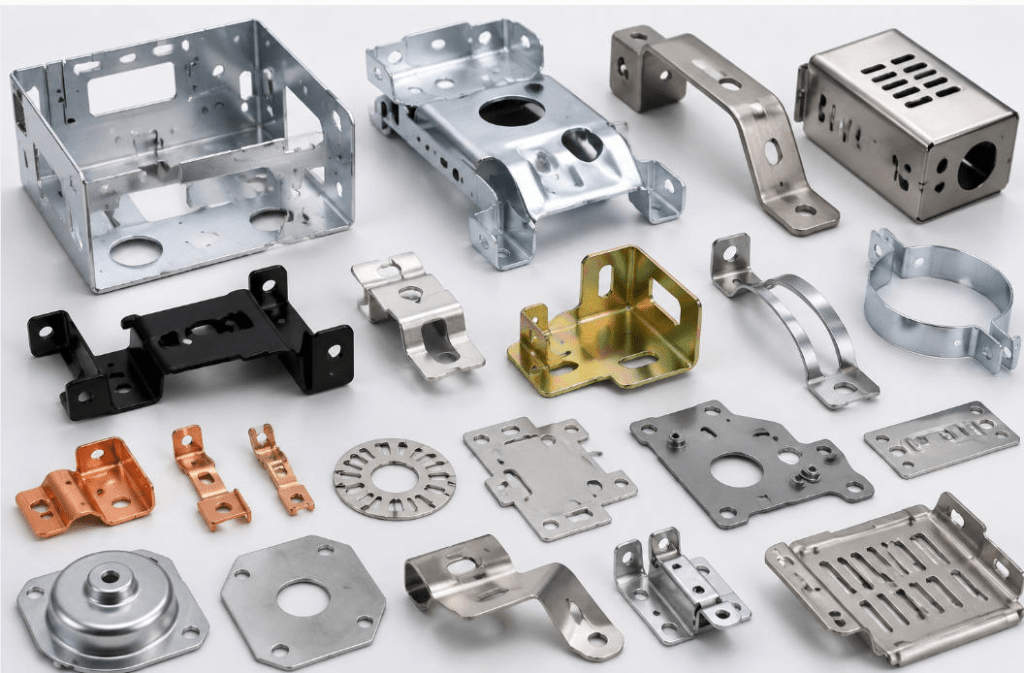
Table of Contents
Understanding the Basics of Custom Metal Stamping
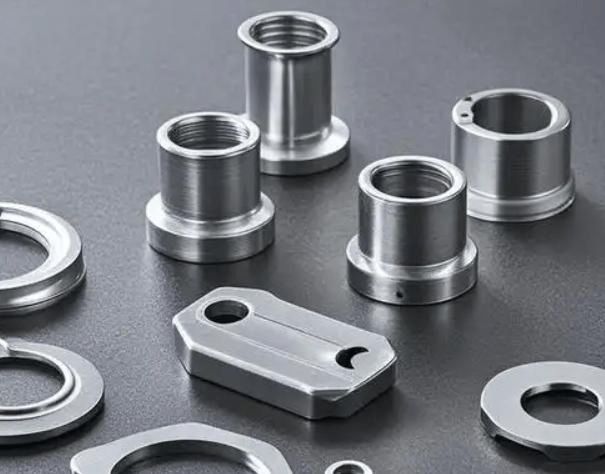
Custom metal stamping is a specialized manufacturing method used to turn flat metal sheets into accurately formed components by applying force, using purpose-built dies, and running them through stamping presses. Unlike standard stamping methods that make identical parts based on fixed designs, custom metal stamping is more like a tailored approach, design around a specific customer request, including unusual shapes, tight dimensions, selected materials, surface coatings, and performance requirements. And because it can create complex components fast and with steady repeatability, custom metal stamping has turned into a key option for companies that need high-quality metal parts with dependable operation, plus good cost effectiveness overall.
Evolution of Custom Metal Stamping
The evolution of custom metal stamping has progressed from manual forming methods to highly automated, intelligent, and sustainable manufacturing systems.
| Development Stage | Main Characteristics | Key Technologies | Production Focus |
| Early Manual Stamping (Before 1950s) | Metal parts were produced mainly through manual operations with simple presses and basic dies | Hand-operated presses, simple tooling, manual inspection | Small-batch production and basic metal forming |
| Mechanical Press Stamping Development (1950s–1970s) | Increased use of mechanical stamping presses improved production speed and consistency | Mechanical presses, improved die designs, standardized tooling | Higher-volume production of uniform components |
| Progressive Die Stamping Era (1970s–1990s) | Multiple stamping operations were combined into a continuous production process | Progressive dies, automated feeding systems, multi-station presses | High-volume manufacturing with reduced cycle times |
| Computer-Aided Design and Manufacturing Integration (1990s–2000s) | Digital design tools improved part development and die accuracy | CAD/CAM software, CNC machining, EDM tooling | Faster product development and higher precision |
| Precision and Micro Stamping Growth (2000s–2015) | Demand increased for smaller, more accurate components with tighter tolerances | Precision presses, advanced die materials, micro stamping technologies | Miniature components for electronics, medical devices, and aerospace |
| Advanced Material Stamping (2010s–Present) | Manufacturers began processing lightweight and high-strength materials | High-strength steel stamping, aluminum forming, alloy processing, simulation software | Stronger and lighter components with improved performance |
| Smart and Automated Stamping Manufacturing (Present–Future) | Stamping processes are becoming connected, automated, and data-driven | Robotics, IoT sensors, AI inspection, digital twins, intelligent control systems | Flexible production, predictive maintenance, real-time quality monitoring |
Challenges in Custom Metal Stamping
Custom metal stamping faces challenges related to cost, precision, materials, tooling, quality control, and technological adaptation.
| Challenge | Description | Main Causes |
| High Tooling and Die Costs | Custom stamping requires specially designed dies, which can involve significant development and manufacturing expenses, especially for complex components. | Complex part geometries, precision requirements, advanced die materials, and long tooling development cycles |
| Material Selection and Forming Difficulties | Different metals have unique forming characteristics, making it challenging to achieve the required shape without defects. | High-strength steels, lightweight alloys, material hardness, thickness variations, and limited material flexibility |
| Springback and Dimensional Accuracy Issues | Metal parts may slightly return to their original shape after forming, affecting final dimensions and assembly accuracy. | Material elasticity, complex geometries, high-strength materials, and insufficient process control |
| Tool Wear and Maintenance Requirements | Continuous stamping operations can cause dies and tooling components to wear, affecting production quality and efficiency. | High production volumes, abrasive materials, improper lubrication, and excessive stamping forces |
| Production Defects and Quality Control | Stamped parts may experience defects such as cracks, wrinkles, burrs, deformation, or dimensional inconsistencies. | Incorrect stamping parameters, material issues, worn dies, and insufficient inspection processes |
| Complex Part Design Requirements | Producing increasingly complicated shapes and integrated features requires advanced manufacturing capabilities. | Lightweight designs, miniaturization, tighter tolerances, and multi-functional components |
| Shorter Product Development Cycles | Customers increasingly require faster delivery of customized metal parts from design to production. | Rapid market changes, frequent product updates, and increased customization demands |
| Small-Batch Production Challenges | Traditional stamping is often optimized for large quantities, making small-batch custom stamping orders more difficult. | High setup costs, tooling investment, frequent design changes, and production interruptions |
| Automation Integration Difficulties | Implementing robotic systems and smart manufacturing technologies in metal stamping requires investment and technical expertise. | Equipment compatibility issues, high initial costs, and workforce training requirements |
| Sustainability and Waste Management | Manufacturers need to reduce energy use, material waste, and environmental impact while maintaining productivity. | Metal scrap generation, energy consumption, and use of industrial lubricants |
| Skilled Workforce Requirements | Advanced stamping operations require engineers and technicians with specialized knowledge. | Increasingly complex equipment, digital technologies, and precision manufacturing requirements |
Major Trends Shaping the Future of Custom Metal Stamping
1. Increasing Adoption of Automation and Smart Manufacturing
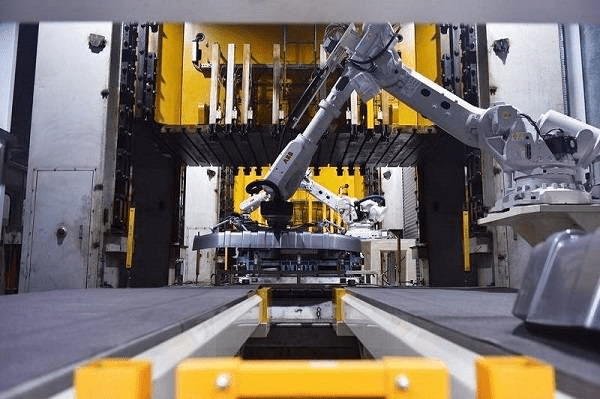
Automation is one of the most crucial trends influencing the future of custom metal stamping. In the past, traditional stamping operations relied a lot on manual loading, unloading, and inspection steps. Now, manufacturers are bringing in robotic systems, automated feeding equipment, and more intelligent production lines to raise output while keeping the results steady.
Robotic arms are useful for repetitive chores, like moving stamped parts between operations, which reduces labor needs and cuts down on human mistakes. Automated material handling systems also help stamping machines run with fewer stops, so high-volume production becomes more efficient and less interrupted.
Beyond the obvious automation, smart manufacturing tools are showing up more often lately. Sensors that get placed on stamping presses and tooling setups can gather live production details, such as the state of the machine, vibration levels, pressure shifts, and how cycles are performing. With that kind of visibility, companies can track what is happening, anticipate upkeep requirements, and cut down on unwanted stoppages.
The mix of Industry 4.0 ideas, including the Internet of Things (IoT), artificial intelligence, and cloud monitoring systems, is pushing custom metal stamping firms toward manufacturing lines that are more adaptable and more driven by data, than before.
2. Growing Demand for High Precision and Complex Parts
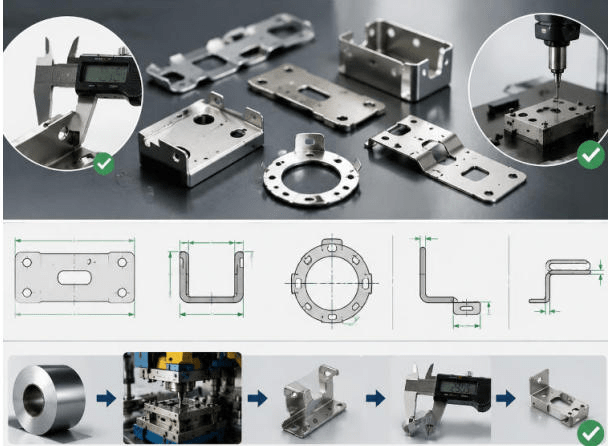
Today’s industries want metal components with narrower tolerances and geometries that are increasingly intricate. This pressure is pushing improvements in precision stamping methods.
In areas like electric vehicles, aerospace, and medical equipment, the components have to fit strict dimensional requirements while still showing really strong mechanical performance. Because of this, manufacturers are rolling out more advanced stamping dies, high-speed presses, and better ways to watch the process so the results stay accurate.
Precision stamping practices let manufacturers create smaller as well as more intricate pieces without losing consistent quality. Micro stamping, for instance, is becoming more common in electronics and medical fields where extremely small elements are mandatory.
Computer-aided design, also known as CAD, together with computer-aided manufacturing, CAM, is improving die development as well. Engineers can run simulations for metal flow, stress spread, and forming behavior before anything goes into production. That helps lessen tooling errors, and it can also shorten development timelines.
3. Expansion of Lightweight Material Applications
Material innovation is another important trend that is shaping custom metal stamping, and you can see it more and more. Companies are looking for lighter materials, but also they want strength, longevity, and better overall performance, basically.
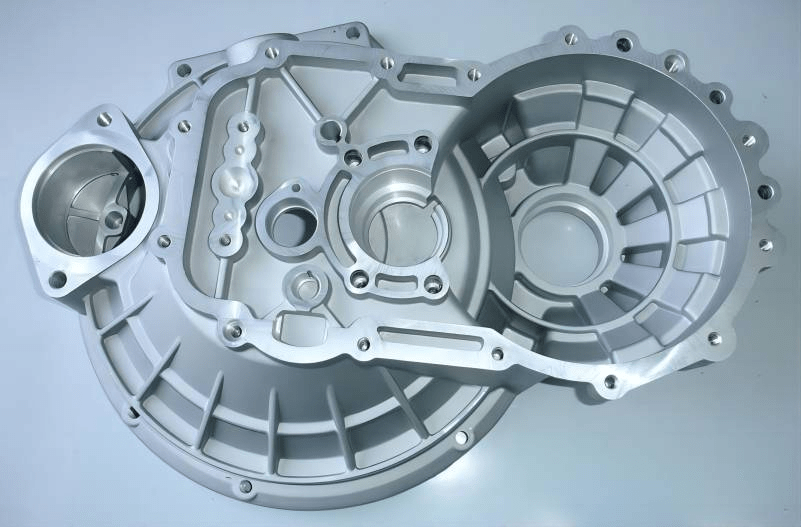
In automotive, especially electric vehicles, the pull is strong for stamped parts that weigh less. Because of that Aluminum, high strength steel, stainless steel, and newer advanced alloys are being used more often to lower vehicle mass while still keeping the structure intact.
Still, stamping lightweight and high-strength materials brings up fresh issues. For example, there is more springback, unexpected cracking of the material, and faster wear on the tools. So manufacturers are adjusting. They are making better die designs, using more advanced simulation methods, and relying on specialized stamping approaches.
Alongside that, the adoption of composite metal materials, and new generation alloys, is expected to grow because industries continue to push for energy efficiency and performance optimization.
4. Advancements in Tooling and Die Manufacturing
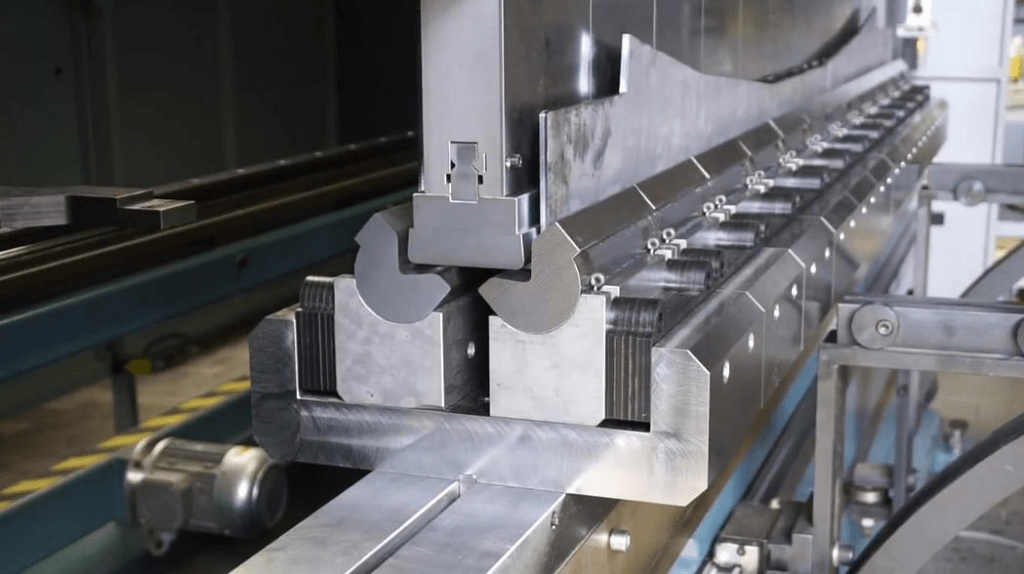
Tooling technology plays a real critical role in custom metal stamping, it impacts performance more than people think. Lately the die manufacturing space has been moving forward in a way that boosts durability, gives better precision, and speeds up production efficiency, not just one area either.
Right now, modern stamping dies are more and more made with advanced machining technologies, like five-axis CNC machining, electrical discharge machining (EDM), and laser processing. These options let manufacturers build tooling that is highly accurate while handling tricky geometries, and also getting improved surface finishes. The shapes can get complex, but the results stay consistent, which helps during runs.
At the same time, new die materials and surface treatments are pushing tool life longer. Hardened steels, carbide materials, and advanced coatings are helping reduce wear, especially during high-speed stamping operations. When dies last longer, maintenance needs go down, and the overall production economics look better, too.
In addition, modular and flexible tooling systems are becoming more popular. These systems allow manufacturers to adjust production lines more quickly when customers require different part designs or small production batches.
5. Rising Importance of Sustainable Stamping Processes
Environmental sustainability has become a main focus inside the metal stamping sector. Many manufacturers are using greener methods in production, in order to reduce energy use, cut down on material waste, and lower their overall environmental impact. At the same time, they are trying to make operations less wasteful, not just at the end.
New stamping equipment is being built to run with higher energy efficiency. This often comes from better motor systems, press designs that are tuned more carefully, and intelligent power management that adjusts performance when it is needed. In parallel, companies are aiming to reduce scrap rates by improving material utilization and by refining blank layouts. Sometimes even small adjustments in how the blank is arranged can make a noticeable difference.
Recycling is also gaining real momentum. More stamping lines now use closed-loop recycling systems that gather metal waste from the process and then reuse it again, rather than sending it away. This helps reduce costs too, since the material remains in the workflow.
Another area getting attention is sustainable lubrication. Biobased or otherwise environmentally friendly lubricants, along with optimized lubrication systems, can cut down chemical usage while still protecting stamping quality. With the right approach, tooling wear decreases and tooling life becomes longer.
6. Increased Use of Simulation and Digital Engineering
Digital engineering tools are becoming a must-have for custom metal stamping development. Before anything physical starts, engineers can use simulation software, to peek into the forming process and catch trouble signs early.
Metal forming simulation helps foresee problems like wrinkling, cracking, unwanted distortion, and springback. When the design is tuned inside the computer first, manufacturers can trim down the back and forth trial effort , shorten development cycles and also bring down tooling costs.
Digital twins are also showing up as a useful technology in stamping production. A digital twin builds a virtual replica of manufacturing equipment and the process flow, so engineers can evaluate performance, check improvements, and fine-tune the run without needing to pause real operations.
With that, product development can move faster. It also lets manufacturers react more quickly when customer needs shift, or when demand changes.
7. Growth of Flexible and Low-Volume Production
Customer requirements are getting more diverse, and now a lot of industries need customized stamped components, shorter service life cycles, and smaller production batches. Because of that flexible stamping solutions are getting more attention, like really directly.
Manufacturers are putting money into quick-change tooling approaches, stamping presses that can do multiple tasks, and adaptive manufacturing technologies so different part geometries get handled efficiently. With these upgrades companies can create tailored metal components while keeping the adjustment time and total production costs from jumping up too much.
High-mix stamping output is becoming especially relevant in electronics, medical devices, and specialized machinery, where variations show up often and fast design revisions are required.

8. Integration of Artificial Intelligence in Quality Control
Quality inspection is a key piece of custom metal stamping and artificial intelligence is changing the way makers find defects.
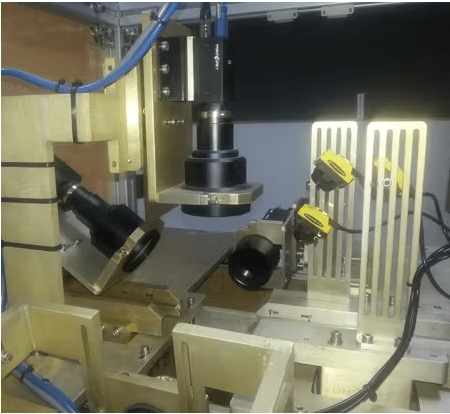
Traditional inspection methods used manual measuring and, well visual looking. In the past it was common to rely on human eyes and a tape rule, sometimes too much time spent, and not always the same results. But now automated vision inspection setups with AI algorithms can spot surface defects, dimensional shifts, and stamping mistakes while the line is running.
With machine learning in place, these systems can learn as production keeps going. By reviewing stream data and noticing defect patterns, the inspection method gets sharper, more consistent over time, not just a one-shot routine. That means manufacturers can keep the quality steady while they cut down the time spent on checking.
AI-driven quality control also improves traceability, because it logs manufacturing details for every batch of stamped parts. This becomes crucial in regulated domains where documentation and batch tracking are treated as a must.
Final Words
The future of custom metal stamping is going to be shaped by more automation, better materials, digital tools, and manufacturing that tries to stay sustainable. Since industries keep asking for lighter yet sturdier parts with more intricate shapes, stamping companies will have to keep upgrading their ability to do the work.
It will be the mix of smart factories, accurate tool design, AI-based inspection, and adjustable production setups that helps custom metal stamping companies provide parts with stronger consistency, quicker turnaround, and improved cost effectiveness.