
Aluminum vs. Stainless Steel for Metal Stamping Parts
Metal stamping serves as a critical manufacturing process which converts flat metal sheets into precision automotive, aerospace, electronics and industrial metal parts. Metal stamping parts need their material selection process to proceed because it influences part performance and weight, production expenses and product lifespan. People frequently compare aluminum and stainless steel because these two metals exhibit different characteristics and benefits. Engineers, designers and manufacturers need to understand these material differences to improve their metal stamped parts.
Table of Contents
Understanding Aluminum Materials for Metal Stamping Parts
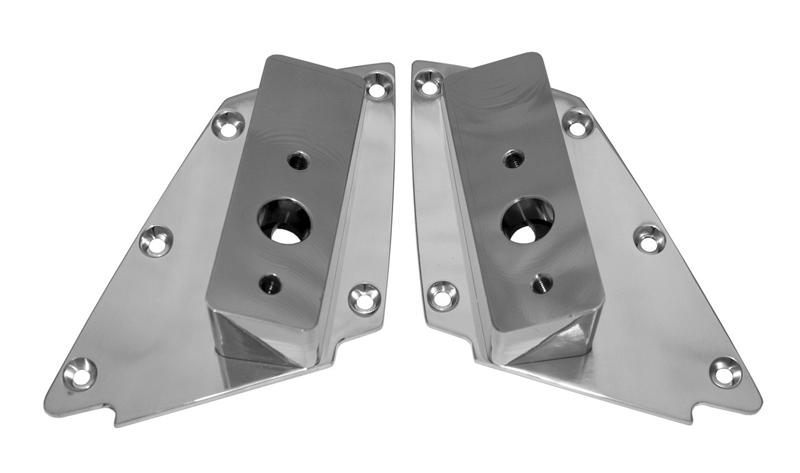
Aluminum has become one of the most popular materials for producing metal stamping parts due to its unique combination of light weight, corrosion resistance, and ease of fabrication. Aluminium enables manufacturers to produce exact high-quality components for automotive panels and electronic housings while they fulfill efficiency and sustainability requirements. Engineers and designers and manufacturers need to understand aluminum metal stamping properties and its alloys and relevant metal stamping details.
Key Properties
Aluminum is valued in metal stamping parts for several inherent properties:
- Lightweight: With one third of the weight of steel, aluminium reduces the net weight of parts, especially in automotive, aerospace, and portable applications.
- Corrosion Resistance: Aluminium naturally forms an oxide film that prevents rust and damage in most environments. Additional surface treatments, such as anodizing, enhance this property further.
- Thermal and Electrical Conductivity: The high electrical and thermal conductivities of aluminum render it suitable for various components such as heat sinks and electrical casings.
- Ductility and Formability: Aluminium can be bent and drawn into complex forms or stamped without cracking, thereby enabling intricate designs and very tight tolerances.
Types of Aluminum Alloys for Metal Stamping
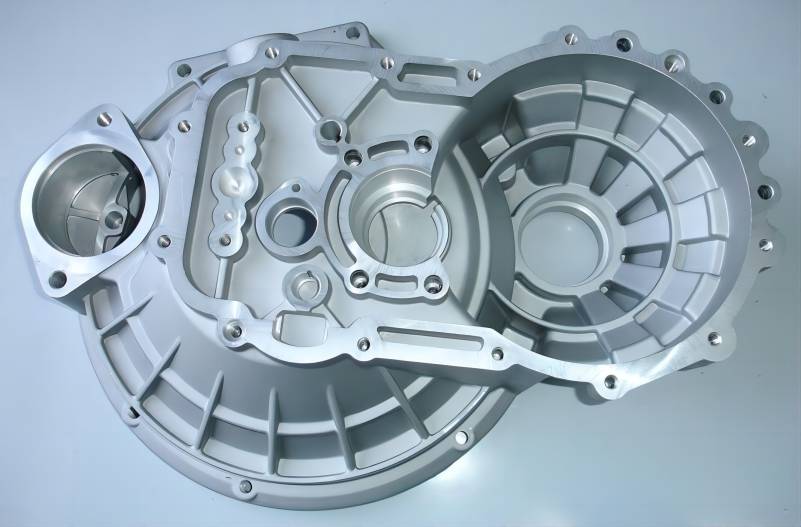
Not all aluminum is created equal, different alloys offer distinct advantages depending on the application:
| Alloy Series | Composition | Key Properties | Typical Applications |
| 1000 Series | >99% pure aluminum | Excellent corrosion resistance, very ductile, low strength | Decorative parts, lightweight components, food packaging |
| 3000 Series | Aluminum-Manganese (Al-Mn) | Good corrosion resistance, moderate strength, excellent formability | Roofing, siding, beverage cans, panels |
| 5000 Series | Aluminum-Magnesium (Al-Mg) | Excellent corrosion resistance, high strength, good weldability | Marine components, automotive panels, outdoor applications |
| 6000 Series | Aluminum-Magnesium-Silicon (Al-Mg-Si) | Balanced strength and formability, corrosion resistant, good machinability | Automotive body panels, structural components, aerospace parts |
Advantages
- Weight Reduction: Important for application where minimization of mass results in improvement in performance, fuel efficiency; or portability.
- Ease of processing: Aluminum’s soft and ductile nature eases tool wear during the stamping operation and favors intricate geometries.
- Corrosion Protection: Aluminium pieces rarely need any maintenance for corrosive atmospheric conditions, be it indoor or outdoor.
- Recyclability: Aluminium may be indefinitely recycled without effectively destroying the material properties; this principle provides sustainability to manufacturing practices.
Design and Production Considerations
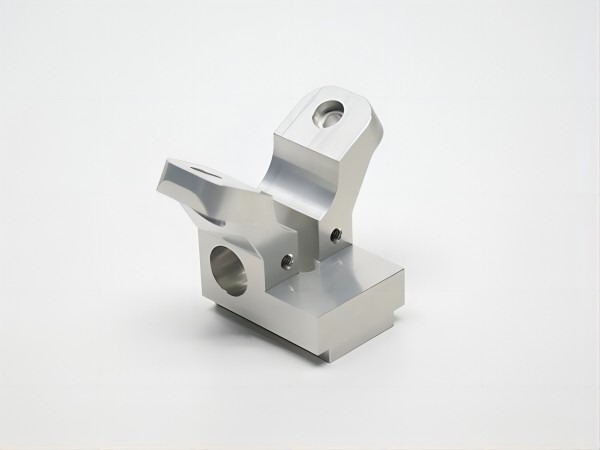
- Alloy Selection: It is important to select an alloy with a matching strength and to determine the correct requirements for corrosion and formability.
- Thickness and Tolerances: The aluminium sheet must have appropriate mechanical strength required. The stamping complexity is also considered.
- Tooling and Lubrication: Use the correct die and lubrication to avoid cracks, galling, and wrinkles.
- Surface Finishing: This can be important for corroding away or enhancing appearance. Anodizing might provide very general surface finishing supportive of their appearance, corrosion resistance, and meeting the practical needs.
Understanding Stainless Steel Materials for Metal Stamping Parts
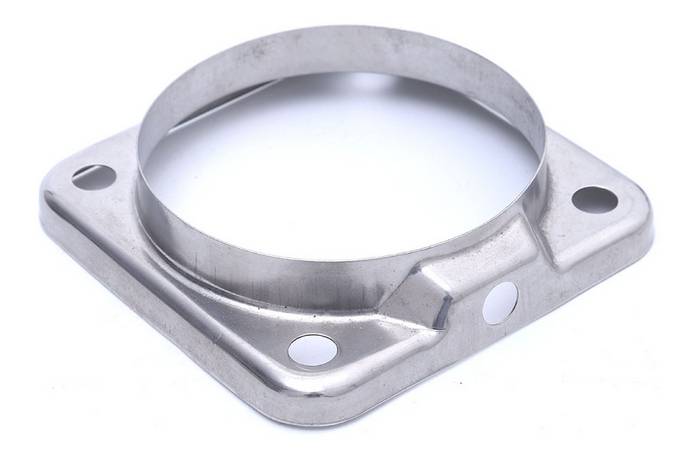
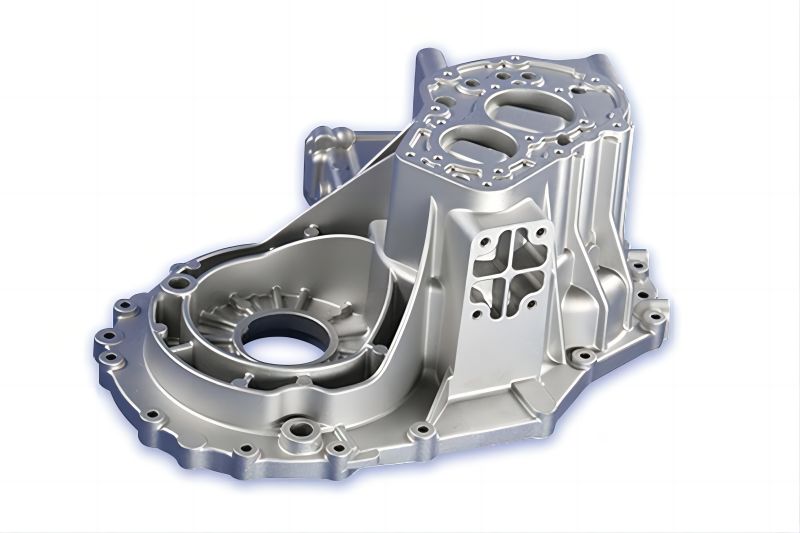
Stainless steel is an all-round material in metal stamping, excelling in strength, resistance to corrosion, and aesthetic appeal. In automotive, industrial machinery, kitchenware, and architectural components, it proves itself of uncommon use. It thus suggests that knowledge of the grades, characteristics, and stamping application of the steel will help stipulate its best performance in the stamping set-up.
Key Properties
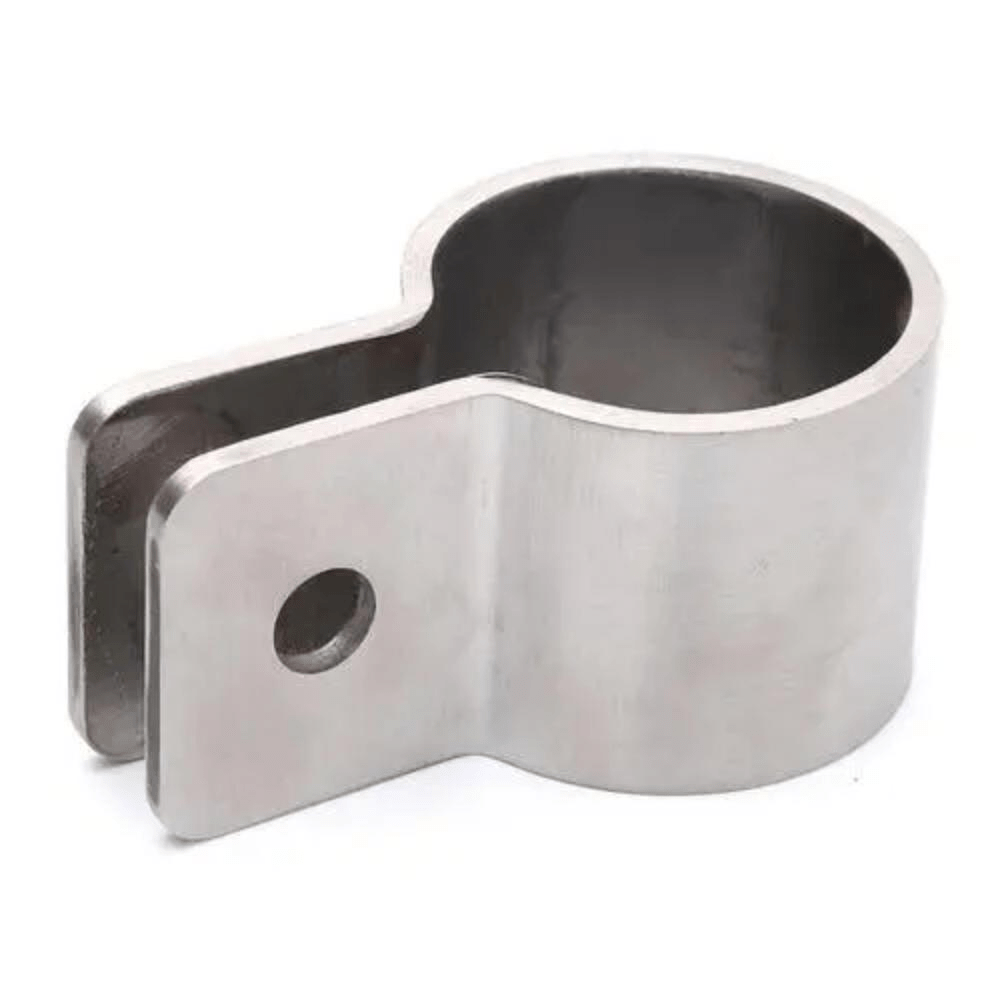
The following are the properties that most probably make stainless steel worthwhile as materials for metal stamped parts:
- Corrosion Resistance: Stainless steel can provide standing properties with little protection even under reasonable conditions. Stainless steel forms a protective chromium-rich oxide layer serving as rust and chemical-attack inhibiting properties. This feature is most attractive when considering outdoor or harsh-environment applications.
- Strength and Hardness: Higher tensile strength in comparison with aluminum helps attain sustained and maintained strength in high-stress applications without deformation.
- Durability: Stainless steel will hold its shape and resist wear and tear, offering long-term reliability.
- Aesthetic Appeal: Stainless steel is seen as very beautiful, forming aesthetic sensibilities in the shine of polished, brushed, or matt finishes used in appliances, auto trim, and architectural panels.
- Temperature Resistance: Stainless steel retains its mechanical properties through a matching large temperature range, i.e., in both the high-heat and cold environments.
Types of Stainless Steel Used in Metal Stamping
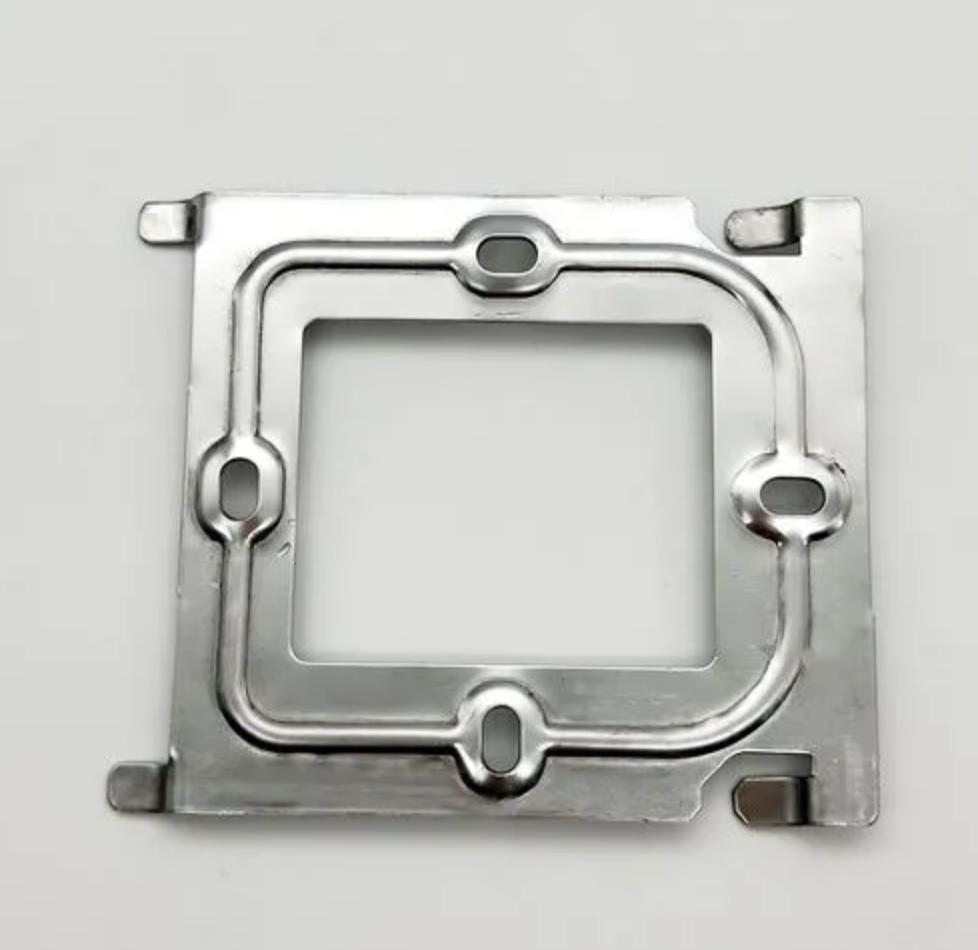
This chart provides a concise reference for engineers and manufacturers when selecting stainless steel for stamping parts.
| Stainless Steel Type | Key Composition | Key Properties | Applications |
| 300 Series (Austenitic, e.g., 304, 316) | Chromium 16–20%, Nickel 8–12%, Molybdenum in 316 | Excellent corrosion resistance, non-magnetic, high ductility | Food processing equipment, kitchen appliances, automotive trim, architectural panels |
| 400 Series (Ferritic / Martensitic, e.g., 430, 410) | Chromium 10–18%, low or no Nickel | Magnetic (ferritic), good wear resistance, moderate corrosion resistance | Automotive components, cutlery, machinery parts, appliances |
| 200 Series (Austenitic, e.g., 201, 202) | Chromium 16–18%, Nickel 3.5–5.5%, Manganese 5.5–7% | Cost-effective, good corrosion resistance, slightly lower ductility than 300 series | Automotive panels, decorative trims, industrial components |
Advantages
- High Strength-to-Weight Ratio: Though a tad heavier than aluminum, the steel (stainless) supplies enhanced structural strength and hence can be used for critical components.
- Long Lifespan: Its resistance to corrosion and wear tends to preserve stamped parts for a long period, thus saving replacement costs.
- Versatility: Mischievously at home in indoors, outdoors, and unpleasant environments, stainless can as well be given a variety of finishes for aesthetic appearances.
- Recyclability: Stainless steel is fully recyclable, maintaining strength and other metallurgical properties throughout the recycling process, supporting the very idea of an environmentally friendly manufacture.
Design and Production Considerations
- Tooling Requirements: The harder grades of stainless steel require hard tools.
- Formability Limits: The austenitic steels are formable materials, while the ferritic and martensitic steels predispose to have cracking or springback unless good design considerations are put in place.
- Surface Finishing: Stamping may affect the surface appearance, necessitating the post-treatment method, like polishing, passivation or coating.
- Alloy Selection: Selecting the correct grade of stainless steel is highly essential in terms of cost, formability, strength, and corrosion resistance.
The Comparison of Aluminum vs. Stainless Steel Used for Metal Stamping Parts
Here’s a chart providing a comparison for aluminum and stainless steel when used for producing customized precision metal stamping parts.
| Property | Aluminum | Stainless Steel |
| Density / Weight | Lightweight (~2.7 g/cm³), about one-third the weight of steel | Heavier (~7.8 g/cm³), significantly increases part weight |
| Strength | Moderate tensile strength; can be enhanced with alloys | High tensile strength; better for high-stress applications |
| Corrosion Resistance | Naturally forms oxide layer; anodizing improves protection; good for general environments | Excellent corrosion resistance, especially 300 series; suitable for harsh or outdoor environments |
| Formability / Stamping | Highly ductile, easy to stamp and form complex shapes | Austenitic types are formable; ferritic/martensitic are harder and may require stronger tooling |
| Tooling Wear | Low; softer material reduces wear on stamping tools | Higher; harder material increases tool wear and maintenance requirements |
| Surface Finish | Can be anodized, painted, or brushed for aesthetics | Naturally sleek finish; can be polished, brushed, or passivated |
| Thermal / Electrical Conductivity | High thermal and electrical conductivity | Moderate to low conductivity |
| Cost | Generally lower per pound; alloy cost may vary | Higher initial material cost but long-term durability can offset expenses |
| Applications | Automotive panels, aerospace components, electronics housings, decorative parts | Automotive structural components, kitchenware, industrial machinery, architectural panels |
| Sustainability / Recycling | Highly recyclable, maintains quality | Fully recyclable, long lifespan reduces replacement needs |
Key Factors to Consider When Choosing Between Aluminum and Stainless Steel for Manufacturing Metal Stamping Parts
- Weight Requirements
Weight often remains the utmost with regards to the selection of metals for stamping. Aluminum being significantly lighter in comparison to stainless steel regarding its density, i.e., one-third to that of steel, makes silver appropriate for applications requiring less weight for increased performance, energy saving, or portability. For example, aluminum is ideal for body panels of vehicles, aerospace components, and casings of portable electronic devices on account of its light weight. Stainless steel probably brings stability as it is heavy but it provides needed structural assistance for load-bearing parts as well.
- Strength and Mechanical Properties
Let the stamped part determine which of the two, aluminum or stainless steel, is the more appropriate material. Stainless steel with a higher tensile strength and higher hardness will suit items intended for use under high stresses, wear, or impact force. Aluminum provides only moderate tensile strength, but its use of specific alloys can be used to create an even balance between saving weight and durability. Alloys exhibit moderate tensile strength, but you can only make the best choice by weighing all given factors.
- Corrosion Resistance and Environmental Factors
Both metals resist corrosion, but their performance varies depending on environmental conditions. Stainless steel, particularly the 300 series, excels in harsh, outdoor, or chemically aggressive environments due to its chromium-rich passive layer. Aluminum naturally resists corrosion and can be anodized for enhanced protection. Nevertheless, when we consider categories of more extreme environments like extended periods of exposure to saltwater or acidic conditions, stainless steel denoting greater long-term durability is referred to.
- Formability and Stamping Complexity
One of the most vital criteria for stamping is the attenuated complexity in shaping metals. Aluminum metal is highly ductile and prone to flexibility for shaping, bending, and drawing into complex geometries with much lower tool wear-and-tear and simplification in production. Stainless steel, particularly its ferritic and martensitic grades, is harder and less ductile and thus demands heavier presses and reinforced tooling. In relation to aluminum, austenitic stainless steel (300 Series) has somewhat more formability capability, but still asks for stringent process control.
- Tooling and Production Costs
The choice of material directly influences manufacturing costs due to tool wear and cycle times. Aluminum, because of its being soft, places less stress on dies and permits swifter production rates, thus cutting down on manufacturing costs. Stainless steel tends to shorten tool life due to being harder, requires more maintenance work, and can go slower in stamping. Initial material cost will also come into play as aluminium costs less for each pound, whereas the life span offered by stainless steel would require a lot less cost in replacements or maintenance.
- Surface Finish and Aesthetics
Both materials provide contrasting types of aesthetically showing off the finished part. Perhaps one of aluminum’s unique advantages is that it can be anodized, brushed, or painted to provide a lightweight, modern appearance. Stainless steel will have a polished, brushed, or matte finish right from the smelter, and this heavy look will endure over time. One has to decide the sort of finish and how much post-processing might be involved.
- Application-Specific Requirements
The main application ends up highly skewing the decision, although aluminum is ideal for parts that are weight-sensitive-such as those in automobiles, aircraft, electronics, or decorative products-and stainless steel in structural, load-bearing or highly durable industrial machinery components, food processing, appliances, or outdoor applications. Matching material behavior with its functional requirements secures performance, safety, and longevity.
Summary
- Aluminum is ideal when weight reduction, formability, and cost-effectiveness are priorities in producing stamping parts.
- Stainless steel is better choice for strength, durability, corrosion resistance and long-term performance of metal stamped parts.
Final Thoughts
When deciding on aluminum or stainless steel for metal stamping parts, weight, strength, formability, production cost, any specific application requirements, etc., must be carefully evaluated. Such an appreciation of differences makes it possible for engineers and designers to make wise choices so that stamped parts meet functional, aesthetic, and economic goals efficiently.