
How Custom CNC Parts are Used for Industrial Equipment?
Industrial equipment is expected to run with a high degree of precision, dependability and efficiency, and honestly, its performance often depends on how good the individual components are. Standard retail parts, the off-the-shelf kind, may not always match the particular needs of specialized machinery. This is where custom CNC parts come in. Custom CNC machining lets manufacturers produce very accurate parts, made to fit specific industrial applications. These components are engineered using exact dimensions, proper material choices, and defined performance targets, which help the equipment work at its best and keep it lasting longer.
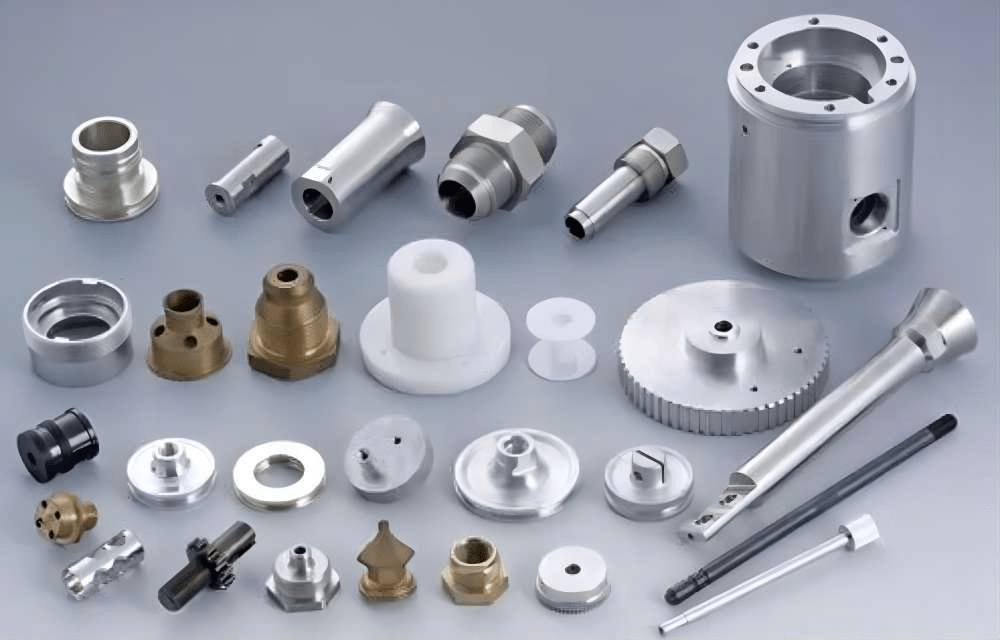
Table of Contents
Understanding the Basics of Custom CNC Parts
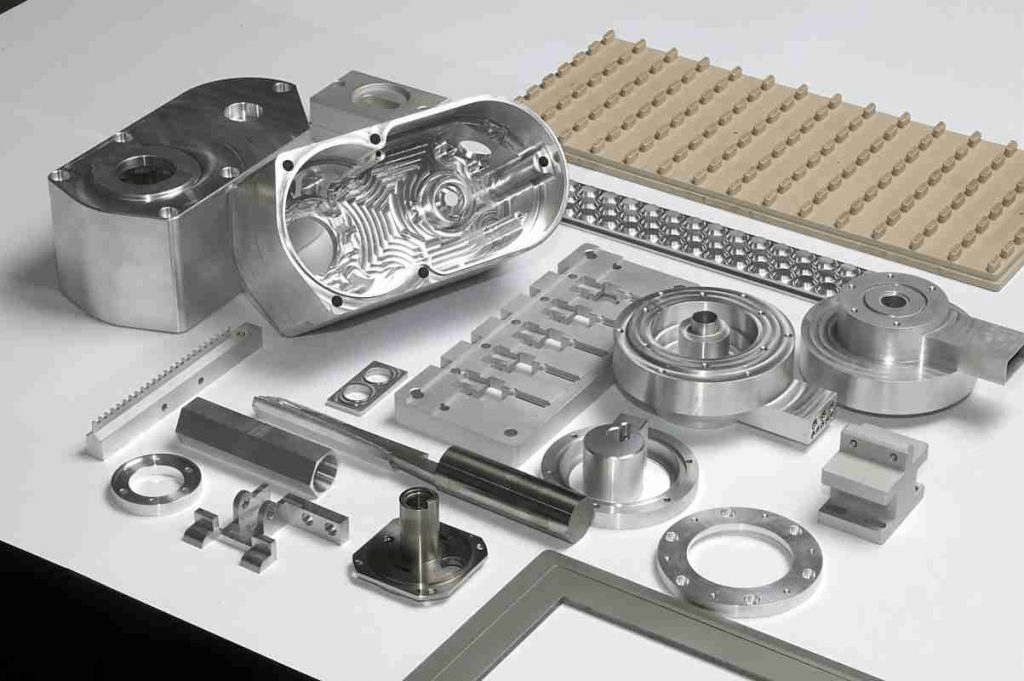
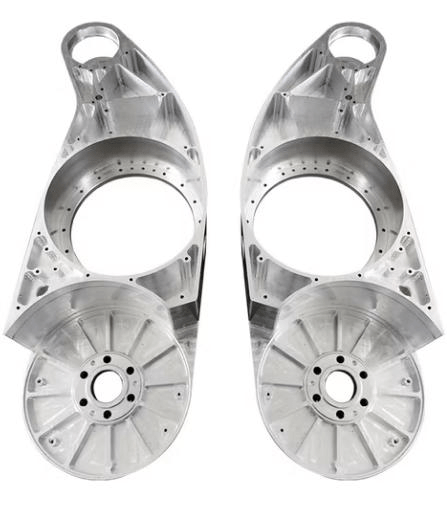
Custom CNC parts are precision-engineered bits and pieces made with CNC machines like milling machines, lathes, routers, and machining centers. In contrast to ready-made components, the CNC machining parts are manufactured around specific drawings, and unique requirements given by the original equipment makers or the actual end users. With CNC machining, there is a lot of flexibility, so you can handle intricate shapes and tight tolerances that are hard to match using conventional manufacturing methods
Applications of Custom CNC Parts in Industrial Equipment
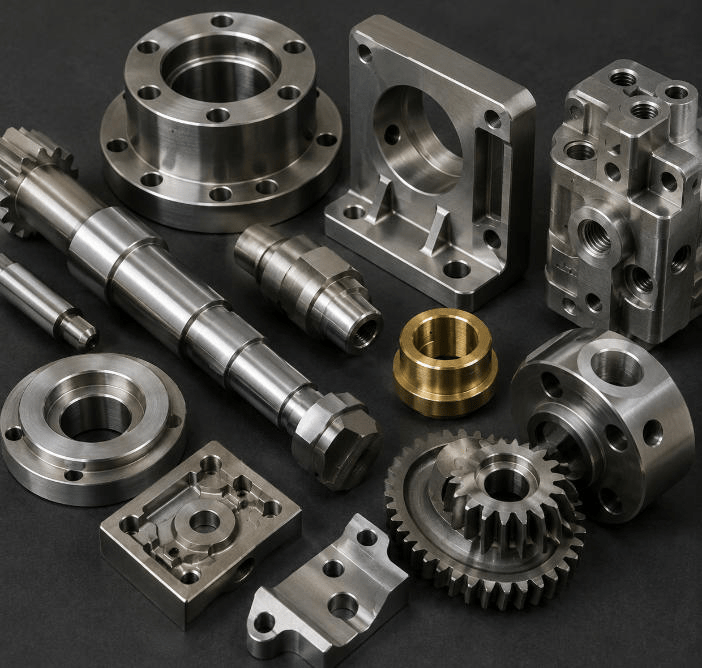
Custom CNC parts have emerged as a critical solution, enabling manufacturers to create highly accurate and application-specific components for a wide range of industrial equipment.
1. Manufacturing Machinery
Industrial machinery depends on precision engineered components to keep the output steady and predictable. Custom CNC parts are commonly used in machine tools, packaging systems, printing equipment, and also on assembly lines.
Components like guide rails, mounting brackets, rollers, housings and those precision fixtures are frequently custom-machined. The goal is to keep everything aligned, and to make the movement feel smoother in actual use. If a manufacturer tailors these parts to a given machine setup, then output usually goes up a bit and operational mistakes can drop.
As manufacturing keeps becoming more automated and more exact, the need for custom CNC components also keeps rising.
2. Industrial Automation and Robotics
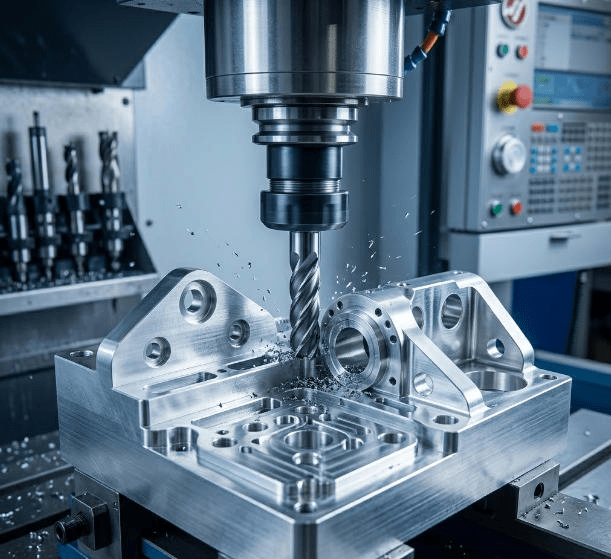
Automation systems together with industrial robots need parts that can provide high accuracy and dependable repeatability. Custom CNC parts are used for robotic arms, positioning setups, motion control assemblies and automated handling equipment.
Well machined gears, couplings, actuator housings, and those mounting structures support the right kind of travel and dependable functioning. Because robotic systems tend to execute repetitive jobs at high speeds, the dimensional accuracy of each component has a direct effect on how the whole system performs, not just one section.
Custom CNC machining helps make lightweight but still sturdy pieces, which in turn improves robotic performance, and keeps the structure sound. It’s not just about speed, it’s also about consistency and the parts staying stable under load.
3. Hydraulic and Pneumatic Equipment
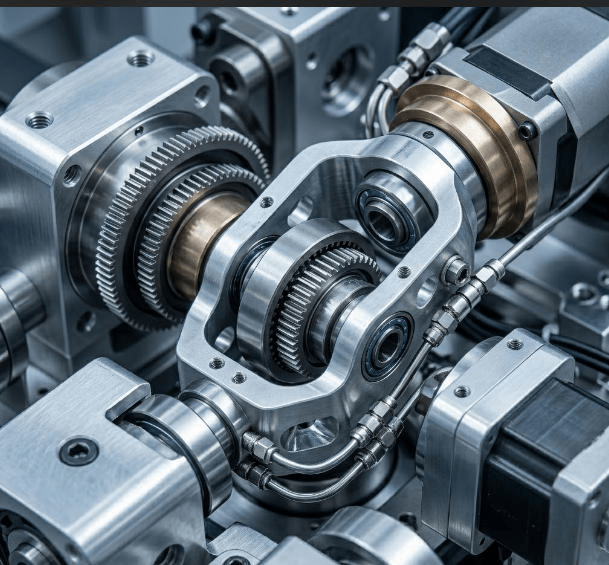
Hydraulic and pneumatic systems are commonly used across industrial sites for power transfer and movement steering. These setups rely on components that are machined very precisely, so the pressure stays steady, leakage is prevented, and everything runs smoothly.
Custom CNC parts are regularly used to fabricate valve bodies, manifolds, pistons, cylinders, linkages, and sealing elements. When the machining tolerances are tight, the fluid passage and pressure regulation end up working correctly, which is crucial for both dependability and operating efficiency.
In harsh industrial environments, precision engineered CNC components support equipment output, and also help maintain safety.
4. Heavy Industrial Machinery
Heavy industrial machinery in mining, building, metallurgy, and material moving usually has to work with brutal mechanical strain. Custom CNC components provide the required robustness and lasting performance for those demanding scenarios, even when conditions change fast.
Big shafts, couplers, bearing housings, anti-wear pieces, and frame supports are often made with CNC machining. These parts are engineered to tolerate big forces, vibration cycles, and abrasive operating settings while still keeping the function accurate.
Custom fabrication also helps when you need to renew spare pieces for older gear, where the original component may no longer be obtainable.
5. Oil and Gas Equipment
In the oil and gas field, operators need equipment that can handle high pressure zones and corrosive atmospheres. Custom CNC parts have a big part to play in oil and gas equipment, such as drilling assemblies, pumping hardware, pipeline networks , and processing buildings.
Precision machined valves, connectors, pressure-control pieces and drilling gear parts are frequently made from corrosion-resistant materials like stainless steel and specialized alloys. These parts support dependable day to day operation while still lining up with tough industry safety benchmarks.
Because you can adjust the geometry and material choices for particular job site circumstances, CNC machining becomes especially useful in this area, and engineers tend to rely on it more often.
6. Power Generation Equipment
In power stations and energy facilities, the workflow depends on equipment that has to stay trustworthy. Custom CNC components get used on turbines, generators, heat exchangers and a number of supporting systems.
With precision machining, spinning parts run steadily and efficiently, which reduces wear and also helps limit energy losses. Additional custom parts can be planned to tolerate high temperatures and harsh duty cycles, things that show up often in power generation environments.
As energy systems keep changing, custom CNC machining still stays important, it supports equipment reliability and overall efficiency, in a way that is steady and repeatable
7. Medical and Laboratory Equipment
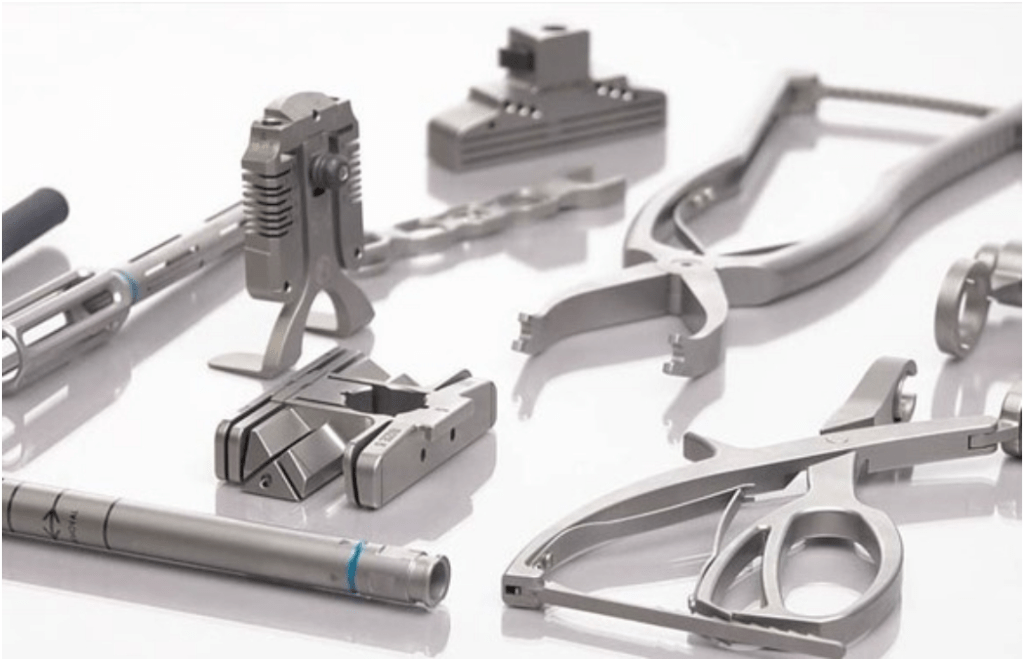
In medical devices and laboratory instruments, exceptional precision along with consistency is required. Custom CNC components show up in specialized medical machines, like diagnostic gear, analytical instruments, testing setups, etc, where the workload is rarely forgiving.
A lot of these parts have intricate shapes, and extremely tight tolerances, so measurements remain correct, and operation stays dependable. CNC machining also makes it easier to use specialized materials, including those that satisfy tough cleanliness expectations and regulatory rules.
That precision, from custom CNC manufacturing, helps protect reliability and performance levels that healthcare and scientific work depend on.
8. Food and Pharmaceutical Processing Equipment
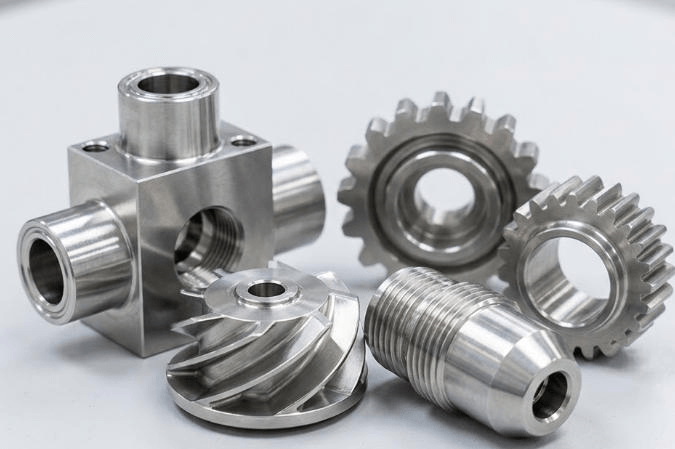
Food and pharmaceutical production sites need equipment that really has strict hygiene plus safety benchmarks. Custom CNC parts are often fabricated using food grade stainless steel and other approved materials, so that everything stays clean and regulated.
You’ll typically see custom items like mixing system components conveyor assemblies, filling apparatus parts and processing machine casings. These are engineered with washability in mind, to reduce the risk of cross contamination, and to make cleaning easier.
When the custom CNC parts satisfy those industry specific expectations, manufacturers can better protect product quality while keeping regulatory obligations in check.
Advantages of Using Custom CNC Parts for Industrial Equipment
1. Achieving Superior Precision and Accuracy
One of the main advantages of custom CNC parts is their outstanding precision. CNC machining systems run on computer-controlled instructions, so components can be made with very tight tolerances and steady dimensions, again and again.
For industrial equipment, even small dimensional differences can mess with machine performance, alignment, and productivity. Custom CNC machining reduces these headaches by making sure every part is built to exact engineering requirements. The outcome is stronger assembly accuracy, smoother operation, and better day to day equipment performance.
2. Enhancing Equipment Reliability
Reliability is critical in industrial environments where equipment downtime can lead to substantial production losses and increased operating costs. Custom CNC parts are designed specifically for their intended applications, ensuring optimal compatibility with the equipment in which they are installed.
Because these components fit precisely and perform according to design requirements, they reduce the likelihood of mechanical failures, excessive wear, and operational disruptions. This enhanced reliability helps businesses maintain consistent production schedules and improve overall operational stability.
3. Providing Greater Design Flexibility
Industrial equipment often incorporates specialized functions that cannot be adequately supported by standard components. Custom CNC machining offers engineers the flexibility to create parts with unique geometries, intricate features, and application-specific dimensions.
This design freedom helps manufacturers tune equipment performance while dealing with space limits, load demands and a few other engineering realities. Whether you are making complex housings, tight tolerance fixtures, or customized drive pieces, CNC machining keeps the options almost endless for the layout and form.
4. Supporting a Wide Range of Materials
Another major advantage of custom CNC parts is the ability to select materials that best match specific operating conditions. Different industrial applications require varying combinations of strength, corrosion resistance, thermal stability, etc.
The following chart covers the most commonly used materials for custom CNC parts across manufacturing, automation, oil and gas, aerospace, medical, marine, and laboratory equipment industries.
| Material Category | Common Materials | Key Characteristics | Industrial Applications |
| Aluminum Alloys | 6061, 7075, 2024 | Lightweight, corrosion-resistant, easy to machine | Aerospace components, automation equipment, machine frames |
| Stainless Steel | 304, 316, 420, 17-4PH | High strength, corrosion resistance, durability | Food processing equipment, medical devices, pumps, valves |
| Carbon Steel | 1018, 1045, A36 | Strong, cost-effective, good machinability | Industrial machinery, shafts, brackets, fixtures |
| Alloy Steel | 4140, 4340, 8620 | Excellent toughness and wear resistance | Gears, heavy-duty machine parts, oil and gas equipment |
| Tool Steel | D2, A2, H13, O1 | High hardness, wear resistance, heat resistance | Dies, molds, cutting tools, stamping equipment |
| Titanium Alloys | Ti-6Al-4V | High strength-to-weight ratio, corrosion resistance | Aerospace, medical implants, marine equipment |
| Brass | C360, C260 | Excellent machinability, corrosion resistance, conductivity | Electrical fittings, connectors, valves, decorative parts |
| Copper | C101, C110 | Superior electrical and thermal conductivity | Electrical components, heat exchangers, bus bars |
| Bronze | Phosphor Bronze, Aluminum Bronze | Wear resistance, corrosion resistance | Bearings, bushings, marine hardware |
| Engineering Plastics | POM (Delrin), Nylon, ABS | Lightweight, low friction, chemical resistance | Gears, guides, insulators, machine components |
| High-Performance Plastics | PEEK, PTFE, PPS, Ultem | High temperature resistance, chemical resistance | Semiconductor equipment, medical devices, aerospace parts |
| Magnesium Alloys | AZ31, AZ91 | Extremely lightweight, good machinability | Aerospace structures, portable industrial equipment |
| Nickel Alloys | Inconel 625, Inconel 718 | High-temperature and corrosion resistance | Turbines, oil and gas equipment, chemical processing |
| Composite Materials | Carbon Fiber Composites, G10 | High strength-to-weight ratio, electrical insulation | Robotics, aerospace systems, specialized machinery |
5. Improving Equipment Efficiency
Well precision CNC components actually support improved equipment efficiency. When the parts are made accurately and matched correctly, they tend to cut down on friction, vibration and mechanical resistance inside the machinery.
Because of that, equipment runs more smoothly and uses less energy, at the same time still delivering stable performance. Higher efficiency boosts output, and over time, it can also lower operating costs.
6. Extending Equipment Service Life
Industrial machinery is a substantial commitment, so durability becomes a big deal for equipment owners. Custom CNC parts are crafted to handle the specific loads plus the surrounding conditions tied to their real-world use, not just generic expectations
When manufacturers choose suitable materials and fine-tune the component geometry, wear can drop a lot and premature failures become far less common. This helps keep the overall unit running longer, and it also reduces the number of expensive repairs or replacement actions
7. Reducing Maintenance Requirements
Maintenance work can interrupt production, and it often pushes operating costs upward. Custom CNC parts can lower how often maintenance is needed, mainly because they deliver better alignment, enhanced resilience, and dependable operation
Components that are well designed tend to experience less degradation, and they need fewer frequent recalibrations or swaps. That means maintenance staff can spend more time on scheduled preventive routines, instead of repeatedly chasing equipment faults
8. Accelerating Product Development and Innovation
Custom CNC machining plays a significant role in equipment design advancement and innovation. Today’s CNC systems can rapidly turn digital drawings into tangible parts, so teams can run quick prototyping and verify the fit and function of a concept.
Because of this, engineers are able to trial several design iterations efficiently and apply adjustments with little downtime. This faster cycle helps manufacturers introduce new industrial equipment to the market sooner, while also raising the overall consistency of the product.
9. Supporting Legacy Equipment and Specialized Machinery
A lot of industrial sites still rely on older units that the original equipment manufacturers no longer cover. Tracking replacement parts for these machines can become complicated and also financially heavy.
Custom CNC machining really works well for getting old, discontinued parts back in action, not just as a rough substitute, but close enough that the fit and form are right. Once you can reproduce them correctly, the service life of legacy equipment tends to stretch longer, and that alone helps avoid expensive replacement of whole machines.
Also, a lot of specialized machinery depends on parts that you cannot easily get through standard ordering channels. In those cases, custom CNC parts offer the required flexibility so the unusual application keeps running without constant workarounds.
10. Enhancing Safety and Operational Performance
Industrial equipment has to follow tight safety and output requirements. Custom CNC components can be laid out to reduce particular operational hazards, while also supporting stronger overall reliability.
Precision manufacturing helps make sure essential parts behave as expected, which in turn lowers the chance of a malfunction that can threaten safety. In areas like aerospace, medical manufacturing, energy production, and oil and gas, this degree of accuracy is especially valuable.
11. Supporting Smart Manufacturing and Industry 4.0
As Industry 4.0 tools keep reshaping how manufacturing happens, custom CNC machining is getting more and more tied into digital workflows. CNC systems end up working smoothly with advanced CAD/CAM software, plus automated inspection tech, and also with digital production management platforms.
Because of that, manufacturers can push for better efficiency , stronger traceability, and more consistent quality monitoring across the entire production chain. In turn, custom CNC parts end up mattering a lot for helping the next wave of smart industrial machinery and related equipment.
Challenges and Potential Solutions in Manufacturing Custom CNC Parts
| Challenge | Description | Potential Solution |
| Complex Part Geometry | Custom CNC parts often feature intricate shapes, deep cavities, thin walls, and complex contours that are difficult to machine accurately. | Use advanced CAD/CAM software, 5-axis CNC machining, and optimized toolpath strategies. |
| Tight Tolerance Requirements | Many industrial applications require tolerances measured in microns, leaving little room for dimensional variation. | Employ precision CNC equipment, in-process measurement systems, and CMM inspection. |
| Difficult-to-Machine Materials | Materials such as titanium, Inconel, hardened steel, and advanced composites can be challenging due to their hardness and heat resistance. | Utilize specialized cutting tools, optimized machining parameters, and high-performance cooling systems. |
| Excessive Tool Wear | Hard or abrasive materials accelerate cutting tool wear, affecting part quality and increasing costs. | Implement tool condition monitoring, predictive maintenance, and wear-resistant tool coatings. |
| Surface Finish Requirements | Certain applications require exceptionally smooth or specialized surface finishes that are difficult to achieve during standard machining. | Apply secondary finishing processes such as grinding, polishing, lapping, or coating. |
| Heat Generation During Machining | High cutting speeds and difficult materials can generate excessive heat, causing dimensional inaccuracies and tool damage. | Use advanced coolant delivery systems, proper cutting speeds, and heat-resistant tooling. |
| Material Distortion and Warping | Internal stresses in materials may cause deformation during or after machining. | Perform stress-relief heat treatment and use balanced machining sequences. |
| Multi-Axis Programming Complexity | Advanced components often require sophisticated multi-axis machining programs that increase setup complexity. | Utilize CAM simulation software and employ experienced CNC programmers. |
| Long Setup Times | Custom parts often require unique fixtures, tooling arrangements, and machine setups. | Use modular fixtures, digital setup verification, and standardized setup procedures. |
| Quality Control Challenges | Ensuring every custom component meets exact specifications can be time-consuming and technically demanding. | Integrate automated inspection systems and real-time process monitoring technologies. |
| Material Waste | CNC machining removes material from solid stock, which can generate significant waste, especially for complex parts. | Optimize raw material utilization, nesting strategies, and recycling programs. |
| High Manufacturing Costs | Custom production often involves low volumes, specialized tooling, and lengthy machining cycles. | Apply Design for Manufacturability (DFM) principles and optimize machining operations. |
| Supply Chain Constraints | Specialty materials, cutting tools, or machine components may have limited availability. | Develop multiple supplier relationships and maintain strategic inventory reserves. |
| Lead Time Pressures | Customers often require custom CNC parts within short delivery time despite complex manufacturing requirements. | Improve production scheduling, automate workflows, and adopt flexible manufacturing systems. |
| Skilled Workforce Shortages | CNC programming, setup, and inspection require highly trained personnel who may be difficult to recruit. | Invest in workforce training, automation technologies, and knowledge-transfer programs. |
| Post-Processing Requirements | Many custom CNC parts require heat treatment, coating, anodizing, or finishing after machining. | Integrate post-processing operations into production planning and collaborate with qualified service providers. |
| Balancing Precision, Speed, and Cost | Achieving high precision while maintaining fast production and reasonable costs is often difficult. | Use process optimization, advanced machining technologies, and continuous improvement initiatives. |
Final Thoughts
Custom CNC parts have become indispensable components in modern industrial equipment. They can provide high accuracy, excellent dependability, material adaptability and performance tuned to a specific use. That mix makes them necessary across many sectors, including manufacturing, automation, oil and gas, and laboratory instrumentation.