Aluminum CNC Machining Parts Complete Guide: From Alloys to High-Precision Production
With the constant development of precision machining techniques, aluminum CNC machining parts have become indispensable components used in aerospace, electronics, automotive, machinery, consumer electronics, and more. Due to lightweight properties, excellent machinability, and strong corrosion resistance, CNC machining has become the preferred method when it comes to producing high-precision aluminum parts.
As a professional precision CNC machining manufacturer, KENENG will share years of industrial experience and provide you with comprehensive, practical, and highly authoritative insight into the process of aluminum CNC machining.
Table of Contents
Part 1. What are Aluminum CNC Machining Parts?
CNC machining parts for aluminum are defined by the different aluminum components created by computer-controlled, computer numerical control (CNC) milling, turning, drilling, tapping, and other techniques. Using a Computer Numerical Control system, the aluminum workpiece gets the correct geometric shape, dimensions, and finish by a preset pattern of CNC aluminum machining.
- Precision up to ± 0.01 mm, or to even tighter tolerances.
- Capability of producing complicated geometries otherwise impossible to achieve in manual machining.
- Capacity for small, medium and large series production.
- Enhanced efficiency and material versatility in machining different aluminum alloys.
Compared to manual machining or casting, CNC machining provides greater stability, repeatability, and accuracy. These quantifiable margin attributes are fundamental for industries in dire need of unvarying standards and dependable results.
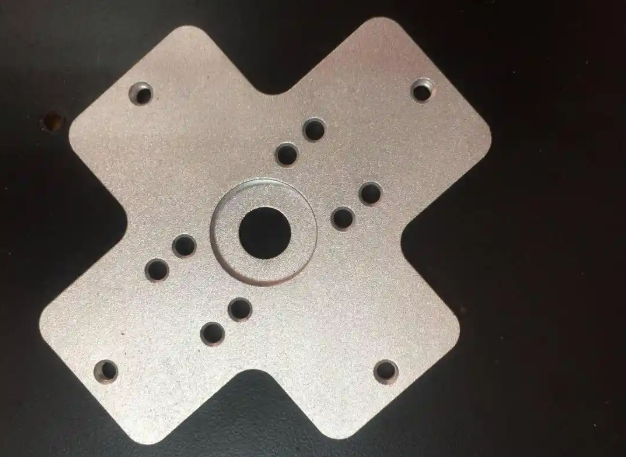
Part 2. Why is Aluminum an Ideal Material for CNC Machining?
Aluminum alloys are among the most used industrial materials, and a number of inherent advantages make the material of choice for CNC machining. Herein, we outline some benefits explaining why aluminum remains one of the top materials for precision-machined components:
1. Lightweight Yet High Strength
Being only one-third as dense as steel, aluminum significantly reduces the overall weight of parts, while still allowing excellent structural strength. Consequently, this makes it especially valuable in aerospace, UAVs, automotive engineering, and all applications in which weight reduction is particularly valuable for enhancing performance and efficiency.
2. Excellent machinability
Due to its moderate hardness and low resistance to cutting, aluminum can be machined both rapidly and accurately. The good chip formation keeps tool wear down, surface finish improved, and shortens the overall time of machining—boosting productivity directly.
3. Outstanding Corrosion Resistance
Owing to its dense oxide coating, aluminum does not rust or corrode. As such, the components may be utilized outdoors or in marine settings and industrial machines that function in severe conditions.
4. High Thermal and Electrical Conductivity
With its excellent heat dissipation and electrical conduction, the material is ideally suited for heat sinks, casings of electronics, LED parts, and electrical system components where temperature control becomes vital.
5. Reasonable Cost of Production
In relation to what other high-performance materials cost, aluminum is fairly cheap. Also, because of its high machinability, it significantly reduces the total cost of production without sacrificing precision and dependability of the production at high levels.
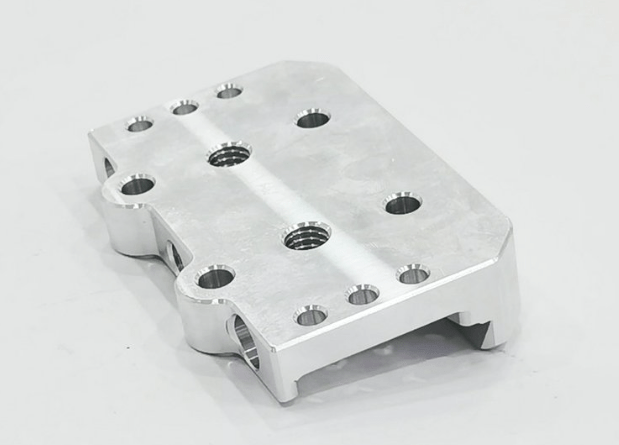
Part 3. Common Aluminum Alloys for CNC Machining and Their Characteristics
Choosing the right aluminum alloy is one of the most important factors that will be influential in determining performance, cost, and quality from CNC machining. Here are the commonly employed grades and the essential features and applications for each.
1. 6061 Aluminum Alloy – Most Versatile and Cost-Effective
Among all the aluminum alloys, 6061 is the most commonly used in CNC machining due to its excellent balance of strength, machinability, and price.
Key Features:
- Good mechanical strength and toughness
- Heat treatable for strength improvement; commonly T6 condition is used.
- Excellent surface finish after anodizing
- Stable performance in structural parts
Typical Applications:
Mechanical components, electronic housings, automotive parts, fixtures, frames, brackets, consumer electronics, and general-purpose industrial components.
2. 7075 Aluminum Alloy – A High-Strength Premium Material
7075 is known to be one of the strongest aluminum alloys and finds widespread application in aerospace and high-performance engineering, displaying strength comparable to some steels.
Key Features:
- Extremely high strength and hardness
- Excellent fatigue resistance
- Suitable for high-load and high-stress components
- Higher material cost compared to 6061
Typical Applications:
Aerospace parts, UAV frames, military-grade components, high-strength clamps and fixtures, sporting equipment, and precision structural elements.
3. 5052 Aluminum Alloy – Exceptional Corrosion Resistance
5052 provides excellent corrosion resistance and is therefore well-suited for marine, chemical, and outdoor applications.
Key Features:
- Excellent saltwater and chemical resistance
- Excellent formability, bending, and welding performance
- Not heat-treatable, but of natural strength
- Ideal for sheet-metal–type CNC parts
Typical Applications:
Marine equipment, enclosures, outdoor housings, storage tanks, signage, protective covers, and harsh environment-exposed components.
4. 6082 Aluminum Alloy – Popular in Europe with Higher Strength Than 6061
6082 finds widespread application in European markets and is noted for its improved strength over 6061; thus, it is suitable for medium- to high-load applications.
Key Features:
- High strength and good toughness
- Good machinability and weldability
- Heat treatable like 6061
- Often used as a replacement when stronger properties are needed
Typical Applications:
Structural elements, automotive chassis parts, transportation equipment, machinery frames, and load-carrying mechanical parts.
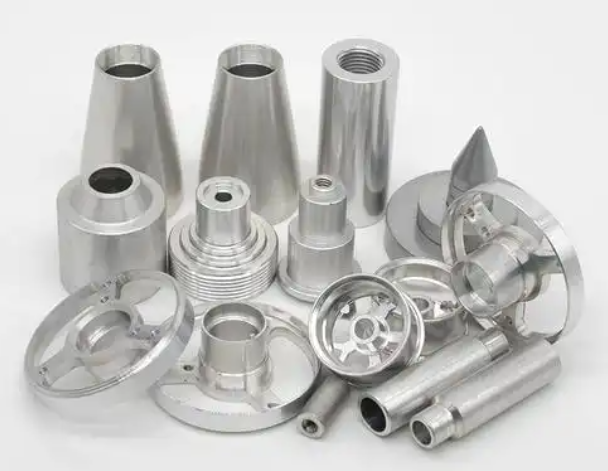
5. 2024 Aluminum Alloy – Excellent Fatigue Resistance
2024 is an alloy with high strength and exceptional resistance to fatigue; therefore, it is of great value in aerospace applications such as structural parts.
Key Features:
- High strength-to-weight ratio
- Outstanding fatigue performances
- Not as corrosion-resistant unless surface-treated
Typical Applications:
Aircraft structures, rivets, gear components, high-load mechanical parts.
6. 2011 Aluminum Alloy – Best for High-Speed Machining
Known as the “free-machining aluminum alloy,” 2011 is ideal for mass production of precision turned parts.
Key Features:
- Excellent machinability
- Produces fine chips and has minimum tool wear
- Suitable for fast automatic lathes
Typical Applications:
Screw machine parts, fasteners, precision connectors, and electronic components.
7. 7050 Aluminum Alloy – High Strength With Better Stress Corrosion Resistance
Advanced aerospace alloy, compared to grade 7075.
Key Features:
- High strength and toughness
- Superior resistance to stress-corrosion cracking
- Mainly used in critical aerospace structures
Typical Applications:
Aerospace frames, bulkheads and high-performance mechanical assemblies.
8. 1100 Aluminum Alloy: Pure Aluminum for Excellent Ductility
Used where high corrosion resistance and formability are needed.
Key Features:
- Soft but very ductile
- Excellent workability
- Not suitable for high-load components
Typical Applications:
Heat exchangers, ornamental pieces, chemical apparatus, and lightweight formed parts.
Part 4. Common Types of Aluminum CNC Machining Parts
Aluminum CNC machining parts vary a lot according to the application scenarios, structural requirements, and complexity of the machining. Below are the most common categories that cover a wide range of industrial needs:
1. Aluminum Enclosures & Housings
This material is applied in consumer electronics, communication devices, instruments, control systems, and UAV bodies. CNC-machined aluminum housings offer superior durability, precise fitment, and heat dissipation, ensuring an excellent surface finish for anodizing.
2. Heatsinks
With high thermal conductivity, Aluminum is the best fit for machining customized heatsinks. These components are applied in LED lighting, power modules, inverters, computers, and some industrial equipment requiring efficiency in cooling.
3. High-Precision Brackets & Mounting Parts
CNC-machined aluminum brackets assure structural stability and accurate alignment. They find wide applications in automation systems, machinery, optics, automotive assemblies, and aerospace fixtures.
4. Automotive & Motorcycle Parts
These include engine covers, pedals, manifolds, steering components, intake parts, and decorative trims. Aluminum machining helps decrease vehicle weight while keeping high mechanical performance.
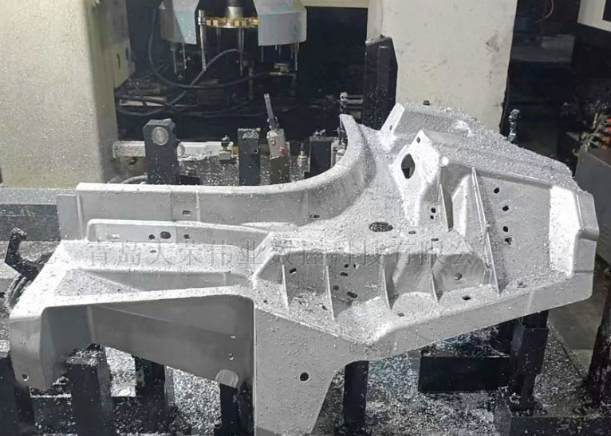
5. Robotic Components
These are parts that, while lightweight, must be rigid. Robotic arms, joints, frames, sensor casings, and precision connectors all utilize aluminum CNC machining.
6. Structural Parts of UAVs (Drones)
Aluminum 6061 and 7075 alloys are widely used in UAV frames, motor mounts, structural beams, gimbal parts, and payload brackets due to their high strength-to-weight ratio.
7. Components of Medical Devices
Precise and clean machining makes aluminum suitable for brackets, housings, orthopedic equipment components, surgical instruments, and lab device parts.
8. Custom Mechanical Parts & Non-Standard Components
CNC machining enables the production of complex, custom-designed mechanical components for automation equipment, testing devices, industrial machines, and prototype development.
Part 5. Common CNC Machining Processes for Aluminum Parts
The manufacturing of quality aluminum CNC parts involves advanced machining processes, combined with precision in surface finishing. Below are the fundamental processes in use for aluminum part manufacturing:
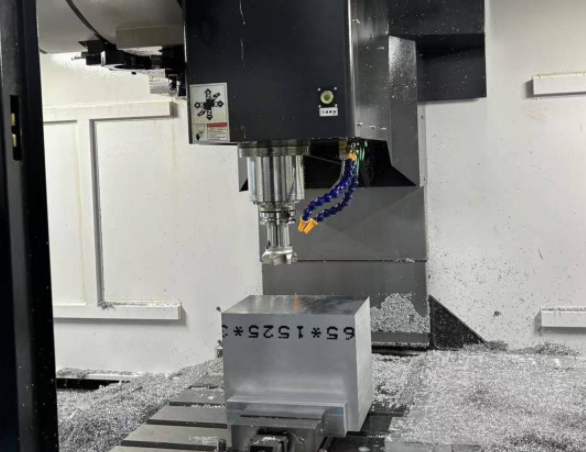
1. CNC Milling
The most widely used process in aluminum machining involves the CNC milling procedure.
It is ideal for creating complex geometries, including flat surfaces, contours, pockets, slots, cutouts, and threaded holes.
Milling provides excellent dimensional accuracy with multi-axis capability and also finds application in parts that require detailed 3D features, such as housings, brackets, and structural parts.
2. CNC Turning
CNC turning is used in the production of rotationally symmetric parts such as shafts, bushings, rings, and cylindrical components.
Turning provides great roundness, smooth surface finishes, and tight tolerances. Coupled with milling, turn-mill allows for the efficient support of simple to complex geometries.
3. 5-Axis CNC Machining
5-axis machining refers to simultaneous movement on five axes, and it is ideal in the production of multi-surface, multi-angle, and high-complexity parts.
This process greatly reduces setup times, improves precision, and ensures consistency in the features or deep cavities that are required in aerospace, medical, robotics, and UAV components.
4. Precision Drilling, Tapping, and Boring
For mechanisms requiring high positional accuracy, hole-related processes are also important for aluminum components.
- Precision drilling ensures clean entrances and exits
- Tapping produces reliable internal threads
- Boring improves hole accuracy and surface finish.
These operations are essential to fasteners, assemblies, and mechanical structures that demand tight tolerances.
5. Surface Finishing Techniques
The processes listed influence the look of a piece by adding a final touch along with other properties of the piece.
Treatments such as anodizing, type II or type III, provide a higher grade finish. Type II is softer and is best when color is to be added. Type III is tougher, more abrasion, and wear resistant.
Sandblasting or bead blasting provides a uniform matte finish and a satin finish.
A piece does not require a polishing to be finished. Protective coatings such as nickel or chrome, electroplating adds.
Brushing is a texturing which is cut directionally and, when polished provides a high end look.
Undergoing one of the above processes provide a polished look to the finishing piece and withstand mechanical degradation from a rough use.
Part 6. Precision and Tolerances in Aluminum CNC Machining
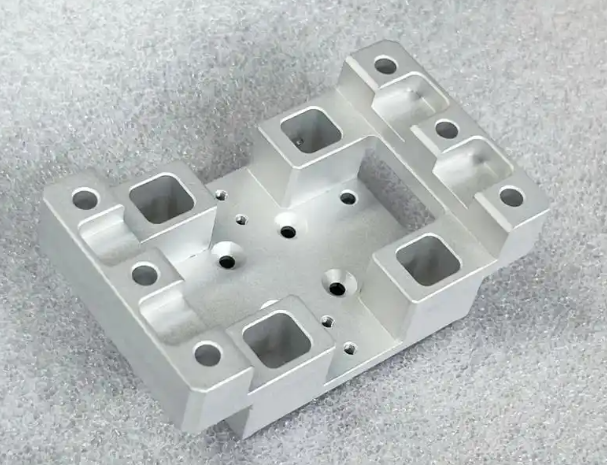
Defined tolerances are a major metrics of quality. Defining tolerances is especially important for components used in high performance applications. During aluminum CNC machining, tolerances are defined based on the complexity, functionality, and fit of the workpiece.
Typical Tolerances:
Tolerance: ±0. 05 mm
For general mechanical parts and also for brackets, enclosures, and components where fitment is not critical.
Precision tolerance: ±0.01 mm
For high quality aluminum housings and also for structural components where alignment of the parts is critical.
High precision tolerance: ±0.005 mm or tighter
This is required in applications like aerospace, medical instruments, robotics, precision optical assemblies, etc.
Key Factors Affecting Machining Precision
The achievable tolerance depends on many variables throughout the machining process:
1. Machine Tool Accuracy
A high-class CNC machining center is able to execute tighter tolerances through stable performance in its spindles and rigid constructions.
2. Cutting Tool Condition
Tool sharpness, coating, material, and wear directly influence surface finish and dimensional stability.
3. Operator Skill & Programming Quality
Optimized toolpaths, correct cutting parameters, and experienced operators greatly improve precision and repeatability.
4. Material Batch Stability
Variations in the batches of aluminum regarding hardness or internal stress will tend to influence machining deformation and consistency. 5. Temperature Control & Vibration Management This is particularly because high-precision parts are subject to micron-level deviations in the event of thermal expansion during machining and external vibrations.
Part 7. Why Choose KENENG for Aluminum CNC Machining Service?
Worthy of gratitude and praise for our competence and experience, KENENG offers aluminum CNC machining with all its advantages and capabilities.
- Sophisticated CNC Technology: 3, 4, and 5-axis CNC machining centers are available for different complexities and tasks.
- Material Knowledge: Over 50 different materials and aluminum alloys are majoring, allowing great versatility.
- Tight Tolerance and High Accuracy: Tolerances with high precision of ±0.005 mm (±0.0002″) and standard tolerances of ±0.01 mm (±0.0005″).
- Adaptable Manufacturing: Prototyping, customized pieces, small production series, and large-scale production are all supported.
- Engineering and QC Expertise: CNC engineering support is combined with an efficient quality control system to get consistent accuracy on different parts.
- Finishing Capabilities: Enhanced for durability and appearance for an assortment of surface treatments, including anodizing and sandblasting.
- Cost and Operational Efficiency: Cost of production and quality are balanced with the most optimal machining techniques for the Customer to choose.
For standard industry solutions, high-precision structural components, or parts with high aesthetic value, KENENG provides stable, reliable, and fully customizable solutions.
Summary
Due to their inexpensive nature, high machinability, lightweight, and high strength, aluminum CNC machining parts are indispensable in today’s advanced industrial manufacturing. Some of the most important factors that lead to product realization include picking the right aluminum alloy, machining process, and supplier.
If your business requires high-performance and engineering aluminum CNC machining services with quicker lead times, KENENG is your best option with our extensive knowledge on material selection, precise machining, and all-around manufacturing.
If you’re looking for an engineering consultation and more information, reach out KENENG today.