Carbon Steel CNC Machined Parts: Everything You Need to Know
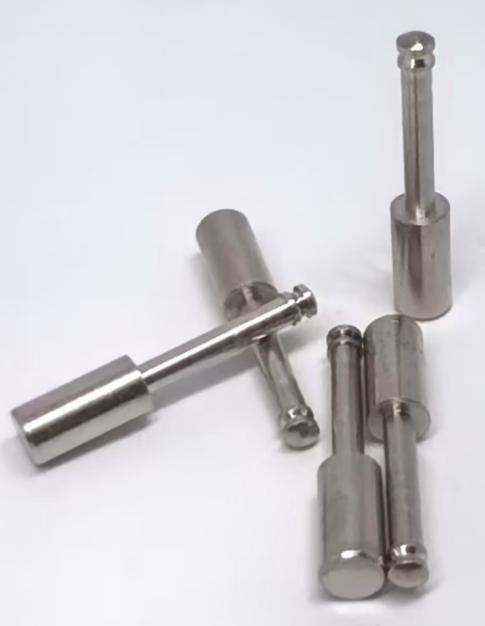
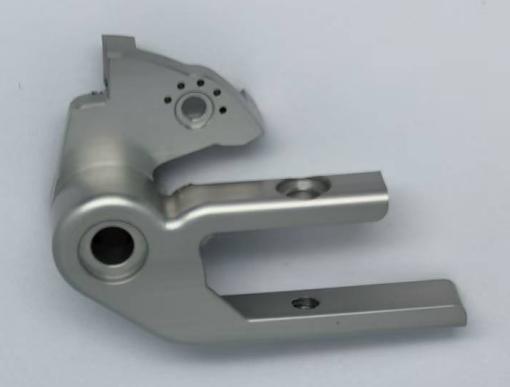
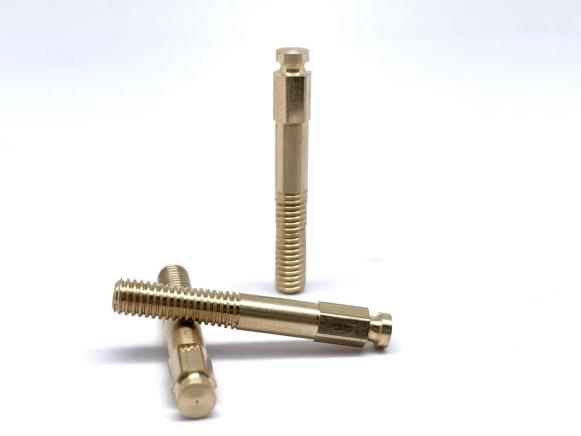
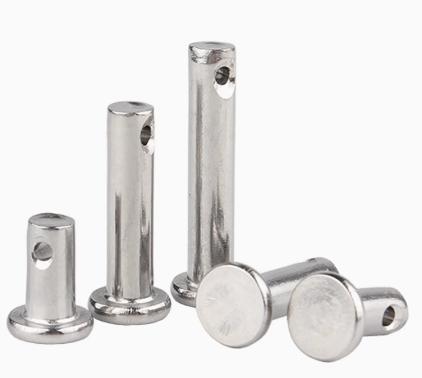
CNC machining carbon steel machine parts take a significant share in the hardware industrial sector, and related engineering projects, like load-carrying bodies, transmissions, and functional components.
Due to the remarkable mechanical properties, stable machinability, and excellent cost-effectiveness, carbon steel is considered to be one of those metals that are most practically applied today due to CNC machining precision components machining.
The strength and toughness required of carbon steel components, and the high level of accuracy and uniformity which they must maintain in terms of their dimensions, are enjoyed in this case by the CNC machining method.
Why Carbon Steel is the Preferred Choice for CNC-Machined Parts?
When it comes to CNC precision machining, material choices are always considered to be critical as they influence not only the strength of the finished parts but also manufacturing costs. Due to its material system, strength, and easy machining, carbon steel has remained among the most preferred materials in making various parts of different industries.
Let’s throw some light on what makes carbon steel so widely used in CNC machining.
High Mechanical Strength & Exceptional Durability
Carbon steel is generally recognized for its superior tensile strength, strong impact properties, and overall stability of structure. Overall, it is useful wherever strong performance is needed to meet tough demands for durability and reliability, specifically in parts for structures subjected to heavy loads, in load-bearing constructions, and in machinery intended for continued use.
It also performs consistently in industrial equipment exposed to vibration, impact, or cyclic stress. Compared with many general-purpose metals, carbon steel CNC machined parts offer superior strength and load-carrying capability, with a lower risk of deformation or failure over long-term use.
Excellent CNC Machinability
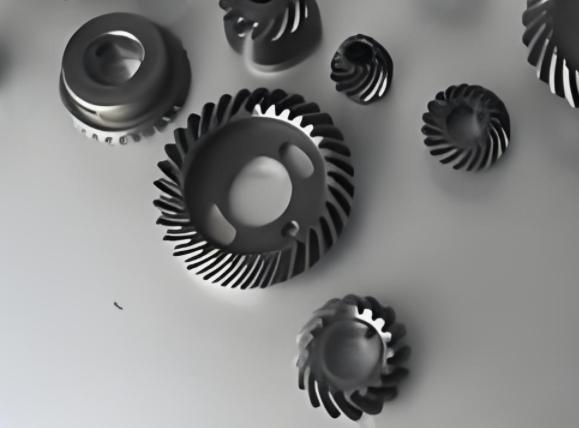
Carbon steel offers the advantage of predictable cutting characteristics, thus making the material highly compatible with the machining process. Carbon steel, like the other materials, offers efficient machining characteristics since the material properties provide the suitability needed. Carbon steel can be delineated within the procedural aspects, such as the milling, turning, drilling, and tapping processes.
Moreover, carbon steel, if properly machined using the right tooling in the correct machining parameters, can produce smooth surface qualities and tolerances in the machined parts, which is important in the production of large quantities of material, thus reducing scrap rates.
Outstanding Cost-Effectiveness
Carbon steel can be considered better than stainless steel or alloy steel. Carbon steel offers better cost benefits despite meeting most requirements. Its availability can be considered, giving better material availability. Since the cutting resistance offered by carbon steel is less, tool wear can also be less.
Hence, greater machining efficiency at lower costs by using carbon steels as CNC machining parts would be advantageous for manufacturers, as they would be able to enjoy an appropriate price-cost mix.
Common Types of Carbon Steel Used in CNC Machining
In CNC precision machining, the selection of carbon steel materials not only affects the strength and lifespan of the parts, but it can also directly influence the machining difficulty and cost. The properties and machining characteristics of carbon steels with different carbon content are very different.
The types of carbon steel suitable for CNC machining are discussed below:
Type 1. AISI 1018 Carbon Steel (Low Carbon Steel, approx. 0.18% carbon)
AISI 1018 is one of the most commonly utilized, low-carbon steels in CNC machining. It has great machinability with good weldability and stable dimensional accuracy during processing. Internal stresses and distortions are relatively low during machining, making it suitable for components that require close tolerances and consistent geometry.
These materials are normally used for general mechanical structure parts, mounting brackets, base plates, and connectors, fixtures, various housing parts.
AISI 1018 has got good general strength with high efficiency in machining, thus it’s been widely used as a rather economical choice in batch CNC production and for cost-sensitive industrial purposes.
Type 2. AISI 1020 Carbon Steel (Low Carbon Steel, approx. 0.20% carbon)
AIS 1020 resembles AIS 1018 composition-wise and machinability-wise but has marginally greater strength than AIS 1018. This material offers a fair combination of mechanical attributes and machinability to produce components of moderate load-bearing capacity.
Examples of applications that are usually encountered include support parts, structural connectors, structural assemblies, and parts worked under light or medite load conditions.
But, the choice of the material, such as AISI 1020, becomes appropriate whenever the design necessitates more strength without necessarily making the machining process overly complicated or costly.
Type 3. AISI 1045 Carbon Steel (Medium Carbon Steel, approx. 0.45% carbon)
AISI 1045 steel, in general, represents a medium-carbon steel commonly used in CNC machining, where the steel demonstrates improved properties of strength, toughness, and resistance compared to low-carbon steels. It can also be heat-treated in order to show even better properties.
These applications include shafts and axles, gears, couplings, transmission parts, and other load-resisting and/or high-stress parts.
AISI 1045 material makes the best choice, especially when parts made out of the mentioned material have to show enhanced structural strength, fatigue resistance, and reliability, such as in the utilization within the transmission system.
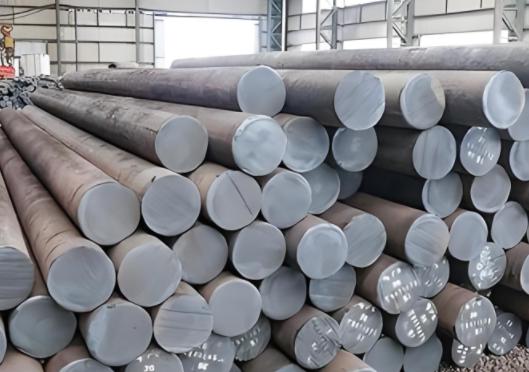
aisi 1045 carbon steel
Type 4. AISI 1060 Carbon Steel (High Carbon Steel, approx. 0.60% carbon)
It is a type of high-carbon steel that is recognized for its superior hardness as well as its exceptional durability in terms of wear resistance. It is the best option in applications that require higher levels of strength due to durability and reliability in terms of its overall mechanical performance. For its desired performance, a combination of quenching and tempering is normally required.
Common applications of the material involve high-strength machine parts, functional parts requiring wear resistance, and machine parts requiring surface or overall hardening.
Because it contains a higher percentage of carbon, it demands much stricter tooling and machining conditions, making it suitable for expert-level computerized machine cutters.
Type 5. C60 Carbon Steel (EN Standard, equivalent to AISI 1060)
C60 is a medium to a high carbon steel as per the EN standard. Similar to AISI 1060, it has identical properties and composition; therefore, it can be effectively applied in a CNC machine and various industrial processes.
Common applications involve shafts of maximum strength, transmission pieces, as well as constructional items involving heat treatment, etc.
In the case of exporting engineering projects, C60 acts as a substitute to the carbon steel variants mentioned above, with constant performance in the face of different mechanical standards.
Type 6. Custom Carbon Steel Grades and Material Alternatives
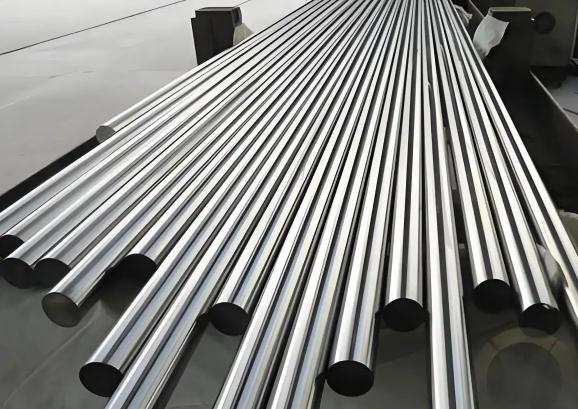
In terms of practical application, standard grades of carbon steel may not always fully meet certain requirements. However, there are specialized professional CNC machining manufacturers that provide flexible material options that suit the requirements of drawings.
This would involve things like proposing alternative materials based on different national specifications, optimizing materials based on strength, wear resistance, or machinability, as well as proposing solutions that incorporate treatments together with appropriate surface finish.
An experienced CNC machining supplier can serve the customer more significantly than simply producing the necessary parts, as they offer technical guidance in the selection of materials that can help the customer achieve the best balance of performance, reliability, and cost efficiency in his or her machine design.
| Carbon Steel Grade | Carbon Content | Key Properties | Typical Applications | Notes |
| AISI 1018 | ~0.18% | Excellent machinability, low distortion, easy weldability | General mechanical structures, mounting brackets, connectors, housings | Cost-effective for batch CNC production |
| AISI 1020 | ~0.20% | Slightly higher strength than 1018, balanced workability | Mechanical supports, structural connectors, light-to-medium load parts | Good choice for moderate-load applications |
| AISI 1045 | ~0.45% | Higher strength and toughness, wear resistance, heat-treatable | Shafts, axles, gears, couplings, high-stress mechanical parts | Suitable for fatigue-resistant components |
| AISI 1060 | ~0.60% | High hardness, excellent wear resistance, heat-treatable | High-strength mechanical parts, wear-resistant components, hardened industrial parts | Requires skilled CNC machining and proper tooling |
| C60 (EN) | ~0.60% | Similar to AISI 1060, high strength, wear resistance | High-strength shafts, transmission parts, heat-treated structural components | Reliable alternative for export/multinational projects |
Primary CNC Machining Processes for Carbon Steel
In CNC machining of carbon steel materials, various processes are of utmost significance to the part development stage and the ability to achieve desirable functioning and accuracy. By integrating the various processes effectively and correctly, it is possible to enhance part effectiveness while retaining strength and machinability at a significant level.
CNC Milling
CNC milling is one of the most widely used processes in carbon steel CNC machining, suitable for complex shapes, flat surfaces, and cavity-type parts. With multi-axis coordination and precise CNC control, milling can achieve high dimensional accuracy, stable repeatability, and efficient processing of complex geometries.
This process is extensively applied to structural components, brackets, connectors, and functional parts, meeting the industrial demands for high precision and design complexity.
CNC Turning
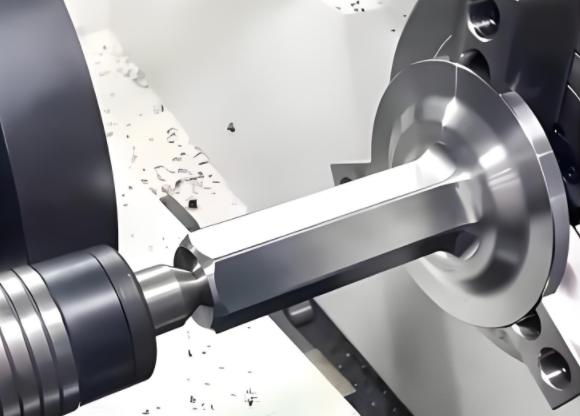
In particular, CNC turning is applied to rotationally symmetric carbon steel workpieces like shafts, cylinders, flanges, or sleeves. Turning excellence is realized where high accuracy in concentricity, roundness, and surface finish is required.
This is particularly applicable in precision transmission shafts. Secondly, it is suitable when a certain quantity is to be produced.
CNC Drilling & Tapping
CNC drilling and tapping can be viewed as very crucial secondary processes that are normally carried out after milling or turning processes have been completed, with the aim of facilitating assembly functionality.
By using CNC control, this process is very effective, offering accurate positioning of drilled holes, with the creation of internal and external threads. In mass production, the process is very applicable, ensuring that parts meet assembly standards.
CNC Grinding
CNC grinding is applied to components requiring high surface quality and tight dimensional tolerances. It is a finishing process or precision machining process for components requiring high surface quality and tight dimensional tolerances.
Grinding is capable of providing very high dimensional accuracy and surface smoothness. It increases the life of parts by providing high surface quality. In particular, the process is vital for shaft components, contacting surfaces, and functional components.
Heat Treatment
Heat treatment is a very common process for improving carbon steel parts’ mechanical properties. The processes involved may include quenching and tempering.
The optimal process will offer improvements in hardness and strength while optimizing the material’s internal structure. The process will allow for maintaining a certain level of precision during machining while optimizing carbon steel’s mechanical properties.
Deburring & Chamfering
Deburring and chamfering are vital auxiliary processes that add towards assembly safety, smooth assembly processes, and aesthetic quality.
Burrs and chamfers removal is vital for preventing scratches or hindrances during assembly processes. It also improves the quality of the assembly parts. This process may be viewed as auxiliary, but it has a great effect on the performance of the parts.
Surface Treatments Available for Carbon Steel Parts Machined by CNC Machinery
After CNC machining, appropriate surface treatment of carbon steel can improve corrosion resistance, enhance life, improve appearance, and optimize assembly performance. According to the operating environment and conditions, some of the most generally employed surface treatments are as follows:
Black Oxide
Black oxide is a popular rust-resisting treatment that creates a thin layer of black oxide on the surface through a chemical process. This process is relatively cheaper, simple to apply, offering fair protection against corrosion and relieves friction between parts.
The black oxide treatment process is well-suited for use on carbon steel CNC parts, which require basic protection against rusting but are not intended for use in highly corrosive environments.
Zinc Plating
Zinc Plating includes the application of a zinc coating to the carbon steel to shield it against oxidation and corrosion. This method greatly enhances the resistance against corrosion and can thus be widely applied to mechanical components exposed to outdoor or wet conditions. Taking into consideration the requirements, the thickness of the zinc covering can also be modified accordingly.
Powder Coating
This process involves applying a layer of powdered paint to the surface of the part, which is then baked at a high temperature to form a hard and protective layer over the surface.
It offers excellent protection against corrosion while also improving its appearance. This process will work well for a carbon steel CNC part that requires both functionality and aesthetic appeal, including housings, panels, and assemblies.
Phosphating
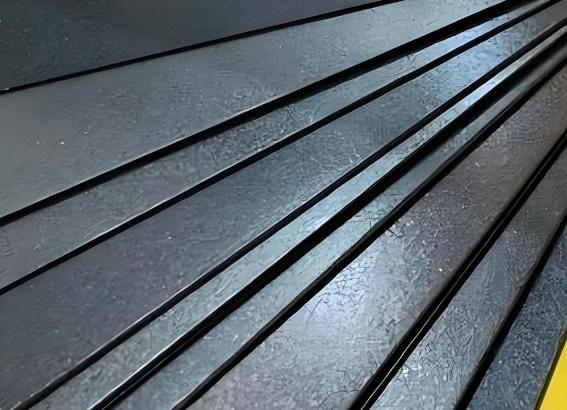
It ensures the production of a thin phosphate layer that helps improve the lubrication and anti-wear capabilities. The phosphating process is ideal for use on high assembly parts, friction-bearing components, or other items that require other protective coatings. Examples of items that benefit from phosphating include gears, couplings, or fasteners.
Polishing & Sandblasting
In general, polishing and sandblasting treatments serve to enhance surface smoothness and texture and improve consistency in surface appearance. By removing machining marks, polishing creates a smooth, good-looking surface adequate for components that involve aesthetic or low-friction uses.
Sandblasting gives a uniform matte or texture finish, which enhances coating adhesion and improves the quality of the surface. These combined processes substantially improve both visual and functional performance in carbon steel CNC-machined parts.
With proper application of these surface treatment processes, the carbon steel CNC-machined parts will result in the best corrosion-resistant and wear-resistant properties, as well as the highest quality in assembly and visual aspects to fulfill the various demands from the industries and applications.
Why Choose a Professional Carbon Steel CNC Machining Manufacturer?
The production of carbon steel machined parts by CNC requires the right selection of an experienced and technically proficient machining supplier. A professional manufacturer will not only provide quality parts but also fully assist in design, material selection, process optimization, and production management to minimize the overall manufacturing risks and maximize the likelihood of project success.
Optimized Material and Process Suggestions
An experienced CNC machining supplier has in-depth knowledge about materials and machining processes, which allows them to make recommendations concerning the choice of materials and machining methods according to the component usage and environment.
For example, for parts with a load-bearing or wear-resistant function, recommendations could be made for medium or high-carbon steel with heat treatment or the machining process could be optimized to avoid stress and deformation. KENENG, the carbon steel CNC machining manufacturer, provides recommendations on materials to achieve strength, wear resistance, and machining efficiency.
Stable Batch Delivery Capability
Experienced manufacturers possess sophisticated systems for managing their production so that small, medium, or large-scale production of goods is carried out with reliability. By effective scheduling, meticulous process management, and effective logistics management, the client is assured of timely delivery of goods without having to be concerned about fluctuations in manufacturing capacity.
High Quality Consistency
Professional CNC machining suppliers implement strict quality control standards at every stage, from raw material inspection to in-process monitoring and final part verification.
This ensures that each batch of parts meets design specifications for dimensional accuracy, surface quality, and mechanical performance. For clients, this means high consistency across parts, reduced assembly issues, less rework, and enhanced overall equipment reliability.
Flexible Customization and OEM Support
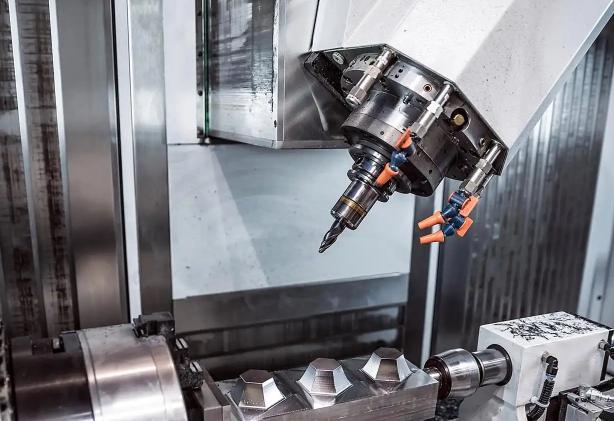
Beyond standard part production, professional manufacturers offer flexible customization and OEM support, including special dimensions, surface treatment, or tailored heat treatment processes based on customer drawings.
KENENG has extensive experience in custom solutions and can respond quickly to client requirements. Whether for small prototype runs or large-scale production, we provide professional solutions that help clients achieve product differentiation and competitive advantages.
Choosing a professional carbon steel CNC machined parts manufacturer like KENENG is not just about machining capability; it’s about reliable technical support, stable delivery, and reduced overall manufacturing risk. A professional partner can deliver higher production efficiency, superior part quality, and long-term reliability for industrial projects.
Summary
In applications such as industry, where high strength, reliability, and cost-effectiveness are required on equal merit, carbon steel CNC-machined components have remained an irreplaceable option. Carbon steel components possess high strength. By virtue of the superior CNC machining technology, expertise, and quality control mechanism, carbon steel components have remained at the core of various industrial projects.
In case you are looking for a trustworthy solution for carbon steel precision-machined components manufactured through the use of the CNC process, KENENG is a company that can be called a partner with comprehensive experience in manufacturing. We not only provide precision machine services but can also offer professional advice on the matter.