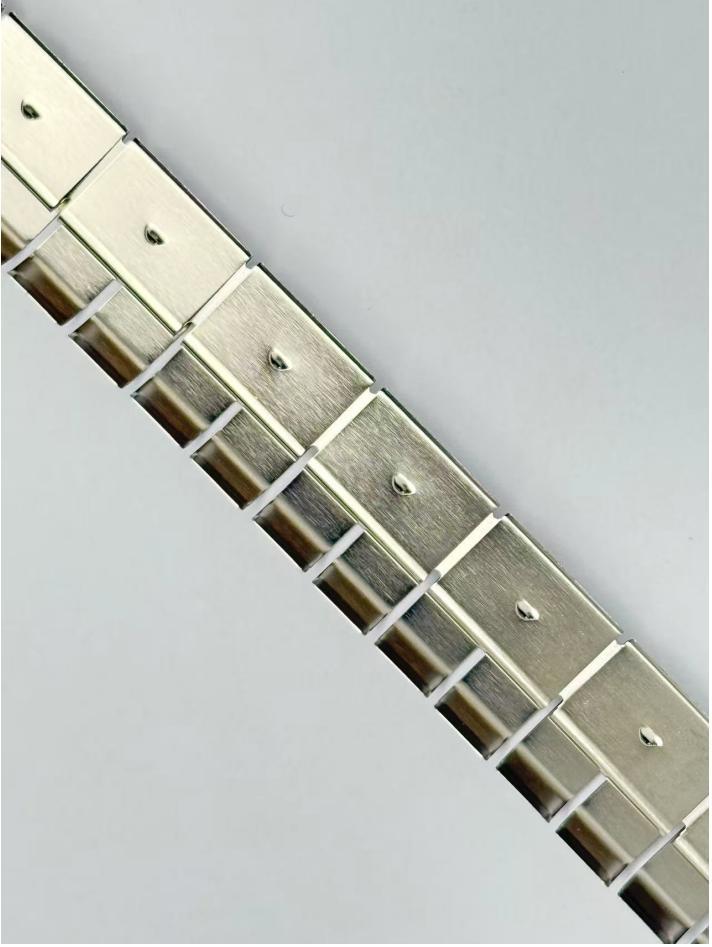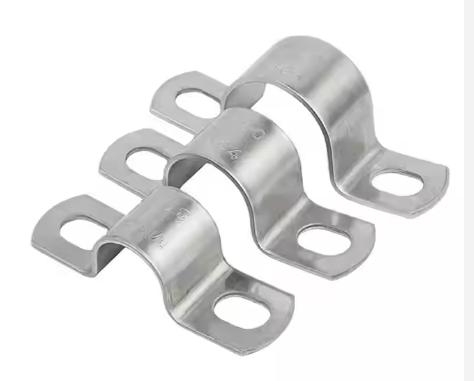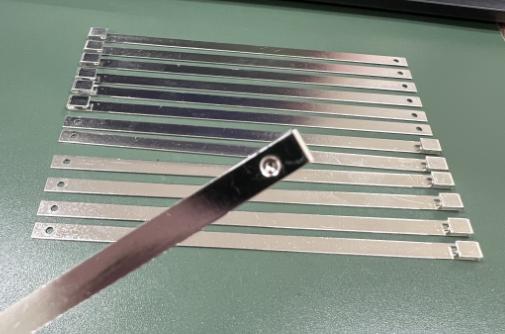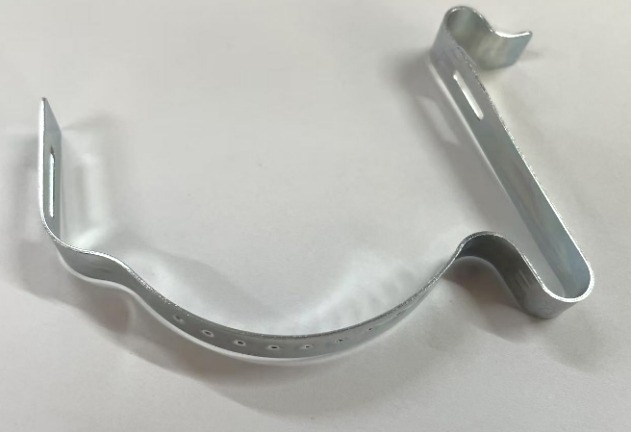
Industrial Metal Stamping: Types, Process and Benefits
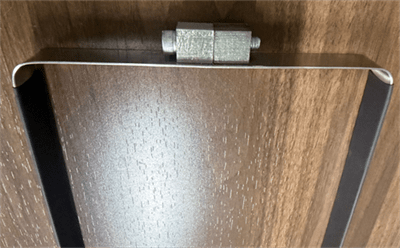
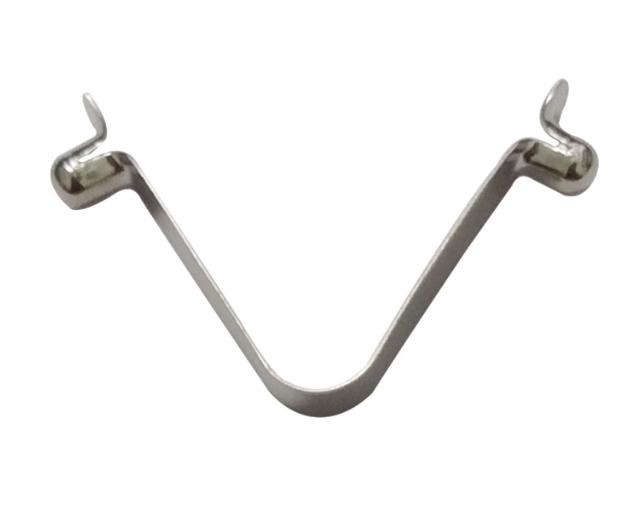
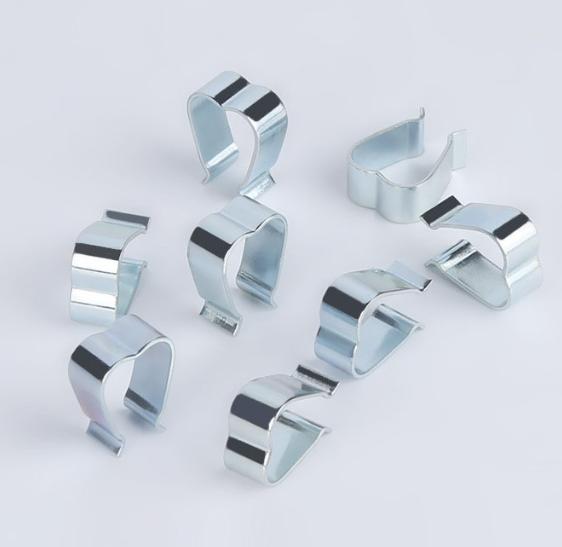
In modern manufacturing, industrial metal stamping is an efficient and cost-effective processing method that is widely used in industries such as automotive, electronics, and medical. By utilizing high-precision dies and automated stamping equipment, companies can rapidly produce large volumes of metal components with excellent consistency.
For businesses seeking reliable suppliers, it is especially important to understand the stamping process, its advantages, and how to choose the right industrial metal stamping manufacturer.
Table of Contents
What is Industrial Metal Stamping?
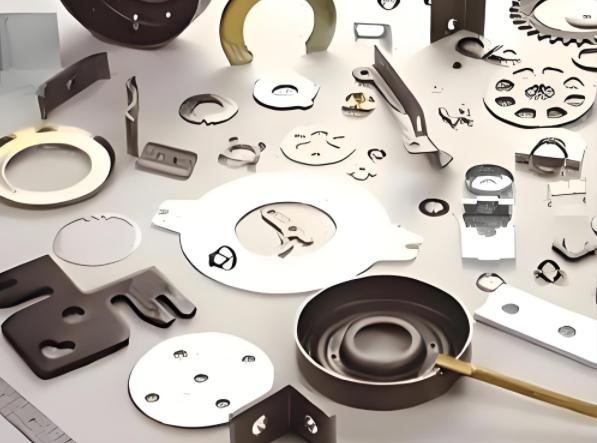
Industrial metal stamping is a metal processing technology used in making metal parts by using metal presses and dies. Metal sheets made of materials such as stainless steel, aluminum, and copper are used in making metal parts. With metal stamping, companies can make complex metal parts in a single operation.
This process is typically suitable for:
- High volume production: It is ideal for the production of a large quantity of parts with similar specifications.
- High precision parts manufacturing: Precision dies are used to ensure precise size and shape.
- Complex metal parts: Intricate contouring, holes, and bent parts can be made.
Compared to traditional machining, metal stamping provides higher production efficiency with lower production costs. Metal stamping finds many applications in industries like automobiles, electronic devices, home appliances, etc.
What are the Main Types of Metal Stamping?
Depending on the production requirements, the industrial metal stamping process can be broadly classified into three categories, namely progressive die stamping, transfer die stamping, and deep draw stamping. Each metal stamping process has its own advantages, and they are applicable to different shapes and structures of metal components. The appropriate metal stamping process not only increases the production rate but also decreases the production cost.
Progressive Die Stamping
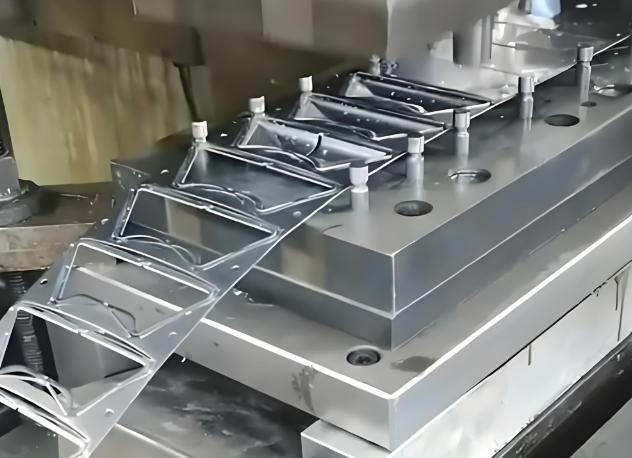
Progressive die stamping is the best option when the production volume is high. The metal stamping process involves the continuous processing of the workpiece through various stations in the die. At each station, a different operation is carried out on the workpiece.
The metal stamping process is highly efficient because a single feed can accomplish multiple tasks, saving a significant amount of time. The metal stamping process is applicable to the production of complex metal components with holes, bends, and flanges.
Transfer Die Stamping
Transfer die stamping is suitable for larger or more complex parts. During processing, the workpiece is transferred between different dies using mechanical arms or automated transfer systems. This process can handle large or thick metal sheets and is commonly used in automotive body parts, machinery enclosures, and similar applications.
Its flexibility allows the combination of multiple dies to complete complex operations, while reducing the risk of damage or deformation caused by manual handling, ensuring high-quality output.
Deep Draw Stamping
The major use of deep draw stamping is to make hollow products with greater depths, for example, metal containers or covers. The metal is drawn into the die to form the desired product. It is used for the production of hollow products in a single step. The final product has smooth surfaces with uniformity. It is structurally strong. It is used for making thin-walled or hollow products with greater depths for special design needs.
Each of the metal stamping processes has its own advantages. A company should choose the most appropriate metal stamping process based on the parts’ structures, production volume, and cost factors.
Choosing the best metal stamping process not only helps companies in making their production processes more efficient but also helps in producing better parts, which in turn helps in gaining a competitive advantage in the market.
Industrial Metal Stamping Process
The whole industrial metal stamping process involves a number of critical steps that are necessary for the quality and accuracy of the manufactured components.
Step 1. Blanking
The blanking step is the process of cutting the metal sheet into the desired initial shapes. The cutting is done in readiness for the next step in the metal stamping process. The cutting is usually done using presses and die tools to ensure the accuracy of the components.
Step 2. Punching
Punching is the step in the metal stamping process that involves cutting shapes or holes on the metal sheet. The metal sheet is then accurately shaped using a punch or a die press. The shapes or holes are made on the metal sheet with the aim of producing the desired shapes for the metal stamping components.
Step 3. Bending
The bending step is the process of cutting the metal sheet into the desired shapes or angles. The accuracy of the components produced is dependent on the accuracy of the bending step. The components are then shaped using die tools.
Step 4. Forming
Forming uses dies to shape the metal into three-dimensional structures. This step allows the production of complex curves, raised or recessed features, or hollow parts, ensuring that the part meets both functional and aesthetic design requirements.
Step 5. Coining
Coining is usually done to enhance precision or details on the surface. This process is usually done after forming to enhance precision or details on the surface.
All these processes can be done individually or in a combined manner in a die known as a progressive die to achieve all these steps in a single operation, thereby increasing efficiency with precision.
Common Applications of Industrial Metal Stamping
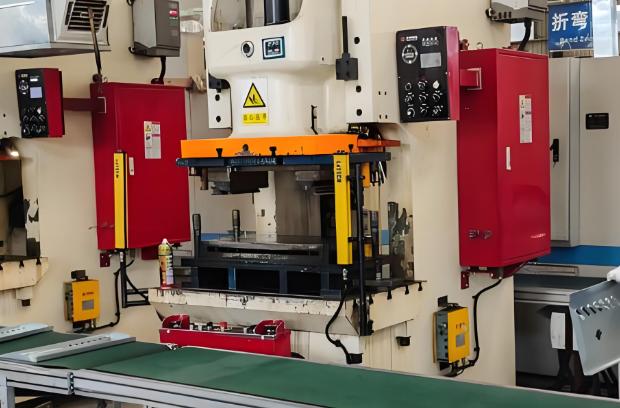
Industrial metal stamping is a vital segment in the manufacturing industry because of its efficiency, accuracy, and cost-effectiveness. It is used in many industries to offer the necessary metal components for a wide variety of products.
Automotive Industry
In the automotive industry, metal stamping is used for the manufacturing of structural components of the automobile body, brackets, chassis components, and engine components. The components need high strength and accuracy. The stamping process is used for consistent production while maintaining the necessary standards that are critical for the industry.
Electronics Industry
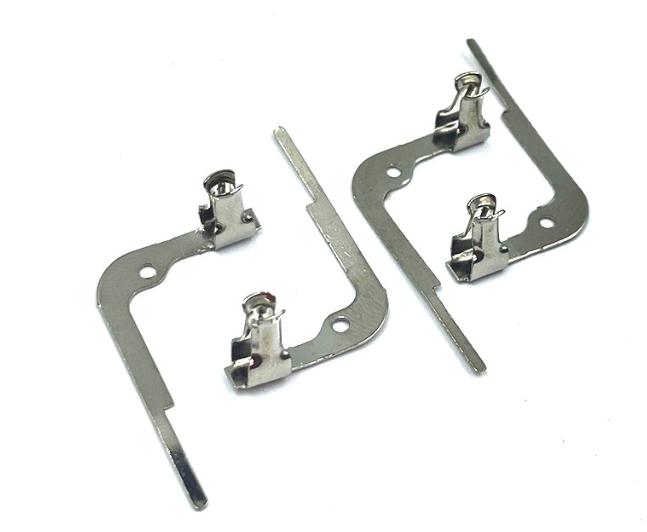
The electronics industry utilizes metal stamping in the production of connectors, terminals, as well as in the production of shielding covers. Metal stamping is utilized in the production of small precision metal components.
Medical Devices
The medical device industry utilizes metal stamping in the production of high-precision components such as medical instruments, internal components of medical equipment, as well as in the production of supporting frames. Metal stamping not only finds use in the production of components of precise dimensions but also in the production of components of high surface finish.
Aerospace
The aerospace industry requires components of high strength, light weight, and high reliability. Metal stamping can be utilized in the production of high-performance components such as aircraft, satellite components, and other aerospace components.
Consumer Products
The consumer products industry requires hardware components, appliance components, and decorative components, for which metal stamping is widely utilized. Metal stamping not only provides components with strength and reliability but also offers aesthetically pleasing components.
Materials Used in Industrial Metal Stamping
In industrial metal stamping, the choice of material directly affects part performance, production efficiency, and cost. Different materials have distinct physical properties and processing requirements, so selecting the right metal stamping material depends on the part’s intended use, strength, and surface finish requirements.
Stainless Steel
Stainless steel is a highly corrosion-resistant material with high tensile strength, which makes it suitable for applications in automobiles, medical instruments, kitchenware, etc. Its high hardness level demands specialized dies for stamping to attain proper dimensions and shapes in parts produced.
Aluminum
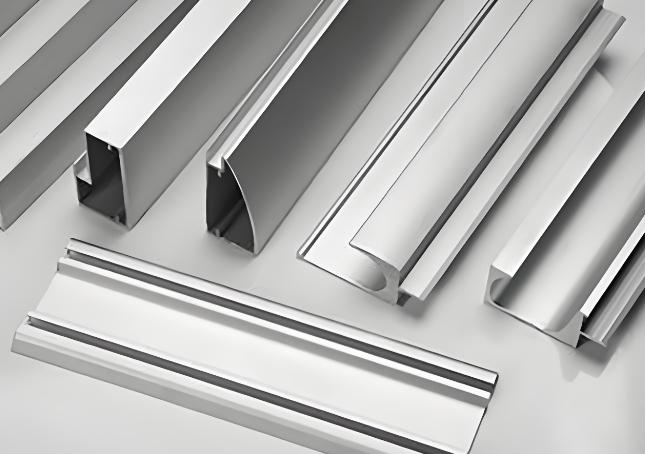
Aluminum is a light metal with a smooth stamping characteristic. Aluminum is used for making aircraft components, electronic devices, etc. Aluminum is highly stampable, which allows for efficient stamping. However, the surface is prone to scratches.
Copper
Copper has excellent electrical and thermal conductivity, being extensively applied in electrical components, heat sinks, and connecting devices. Copper is very ductile; it is relatively soft, and therefore great care must be taken on die wear and stamping pressure, in order to have this thing of the best quality.
Brass
Brass combines decorative appeal with mechanical strength, featuring a visually attractive surface. It is often used for hardware components, decorative parts, and precision mechanical parts. Brass is prone to springback during stamping, which requires careful die design and process optimization to control part dimensions and shape.
How to Choose the Right Metal Stamping Manufacturer?
For the buyer, the selection of the best industrial metal stamping supplier is essential. A seasoned metal stamping supplier not only guarantees the quality of the products but can also offer the best support in the optimization of the products, cost savings, and efficiency. In choosing the best supplier for the project, the following aspects should be considered:
Production Capacity
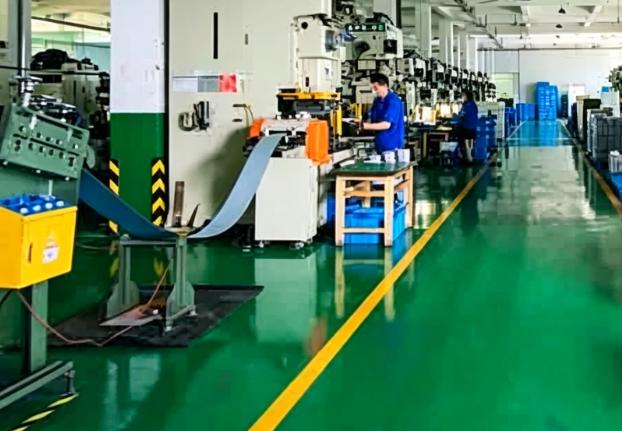
Production capacity is one essential aspect that a good-quality supplier should have. A good-quality supplier for the project should be able to produce a large quantity of products using the latest metal stamping machines.
Quality Control
A good quality management system is vital for quality parts. A good quality control system for suppliers should have strict quality control processes, including raw material inspection, in-process inspection, and finished product inspection. ISO or other quality certifications are highly desirable to ensure that products meet standards.
Customization Capability
Depending on the needs of the product, it is also important to consider a supplier who offers OEM/ODM service with personalized customization. Some manufacturers with strong customization capabilities can adjust the stamping process and die design based on drawings or samples to fit customer needs.
Industry Experience
Extensive industry experience reflects a manufacturer’s understanding of product applications and technical requirements. Choosing a supplier with successful cases in relevant industries can reduce production risks and provide professional technical guidance and process optimization suggestions.
Responsiveness
The ability of a supplier to quickly produce samples and deliver on time is a measure of the service efficiency of the supplier. A fast response time is beneficial because it minimizes the time needed for product development and ensures a smooth development process. It also enables a quick response in case of problems that may arise.
A seasoned metal stamping company with modern equipment and a quality control system not only ensures the quality of the products but also optimizes the design and minimizes costs while providing the most efficient production assistance.
KENENG Industrial Metal Stamping Solutions – Metal Stamping Parts Manufacturer
KENENG is a professional metal stamping parts manufacturer in China, with extensive manufacturing experience and advanced equipment. We provide high-precision, customized metal stamping services for our clients. We can design products and molds based on customer samples or drawings, achieving part tolerances up to ±0.01mm. In addition, we offer a variety of processing services, including wire EDM, spark machining, CNC machining, and injection molding, to meet different product specifications and batch requirements.
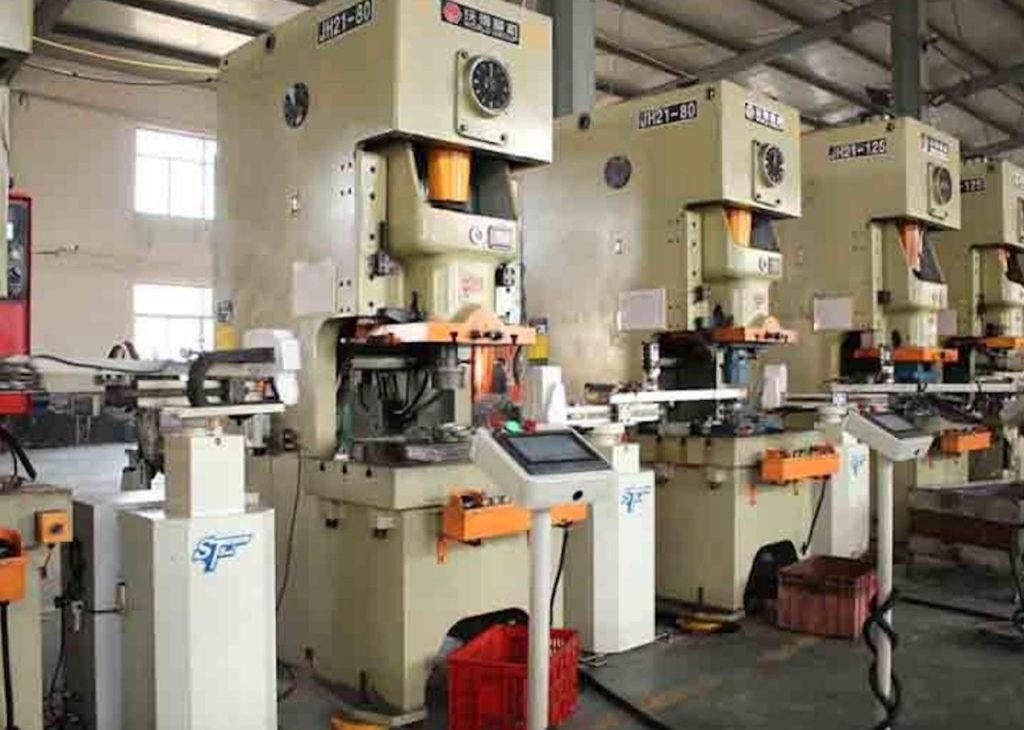
With decades of export experience, we have served customers in over 180 countries and regions. Our products are certified by IATF 16949 and ISO 9001, with a finished product yield rate of up to 99.83%. We work with a wide range of materials, such as stainless steel, aluminum, copper, and titanium alloys, and offer various processing techniques, including washing, grinding, drilling, wire EDM, and spark machining.
KENENG is a highly reliable industrial metal stamping manufacturer that delivers high-quality, dependable, and cost-effective solutions. If you are looking for a trustworthy manufacturer, contact KENENG today.