Key Material Advancements for CNC Machining Parts
As the performance, reliability, and cost efficiency expectations of various industries continue to grow, the importance of developing advanced materials to be used in the CNC machining parts builds exponentially. This article discusses the most recent innovations in materials used in CNC machining and their impacts on the continued growth of various industries.
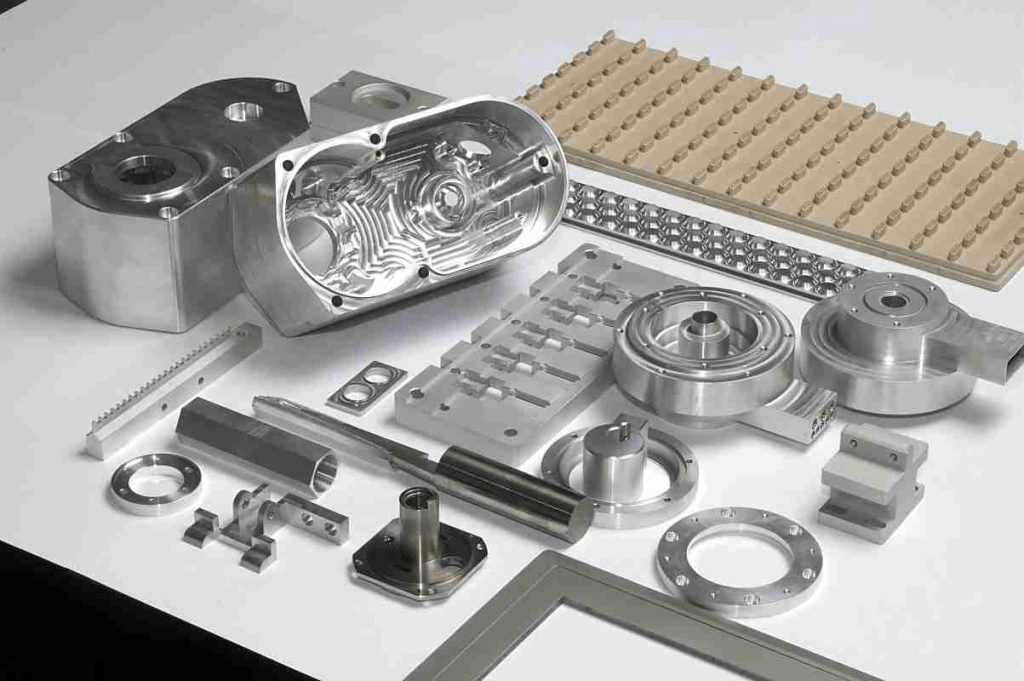
Table of Contents
Traditional Materials Used for CNC Machining Parts
This chart outlines the traditional materials used in producing CNC machining parts, giving a better understanding of the potential drawbacks in terms of machinability, strength, and suitability for specific applications.
| Material Type | Description | Applications | Limitations |
| Mild Steel | Low-carbon steel, easy to machine and weld. | General manufacturing, automotive, tools | Low strength compared to other materials, susceptible to corrosion without coating. |
| Tool Steel | High carbon steel, used for making tools. | Tool making, dies, jigs, and fixtures | Brittle at higher temperatures, prone to wear if not properly heat treated. |
| Stainless Steel | Alloy of steel with chromium, resistant to corrosion. | Food processing, medical devices, automotive | Difficult to machine, requires high cutting speeds, expensive compared to mild steel. |
| Aluminum | Lightweight and corrosion-resistant metal. | Aerospace, automotive, electronics | Lower strength than steel, prone to deformation under high load. |
| Brass | Copper alloy, typically with zinc or other elements. | Electrical components, fittings, plumbing | Soft, can wear quickly under stress, prone to tarnishing over time. |
| Cast Iron | Iron alloy with high carbon content, used for heavy-duty parts. | Engine blocks, industrial machines | Brittle, prone to cracking under impact, difficult to machine. |
| Copper | Ductile and conductive metal, often used for electrical parts. | Electrical wiring, heat exchangers, radiators | Soft, can wear out easily, prone to corrosion without coating. |
| Leaded Steel | Steel with small amounts of lead for improved machinability. | Automotive, precision machining tools | Environmental and health concerns due to lead content, lower strength. |
| Magnesium | Lightweight metal, often used in alloy form. | Aerospace, automotive, electronic components | Prone to corrosion, flammable, low strength compared to other metals. |
| Bronze | Alloy of copper and tin, with various alloying elements. | Bearings, bushings, gears | Expensive, can be brittle if not properly alloyed, lower strength than steel. |
| Carbon Steel | Steel with a higher carbon content, providing increased hardness. | Structural components, automotive parts | Prone to corrosion, difficult to machine, can become brittle if over-hardened. |
| Nickel Alloys | Alloys that contain nickel, offering high strength and corrosion resistance. | Aerospace, chemical processing, automotive | Expensive, challenging to machine due to hardness and toughness. |
The Importance of Material Advancements for CNC Machining Parts
- Meeting the Demands of Modern Industries
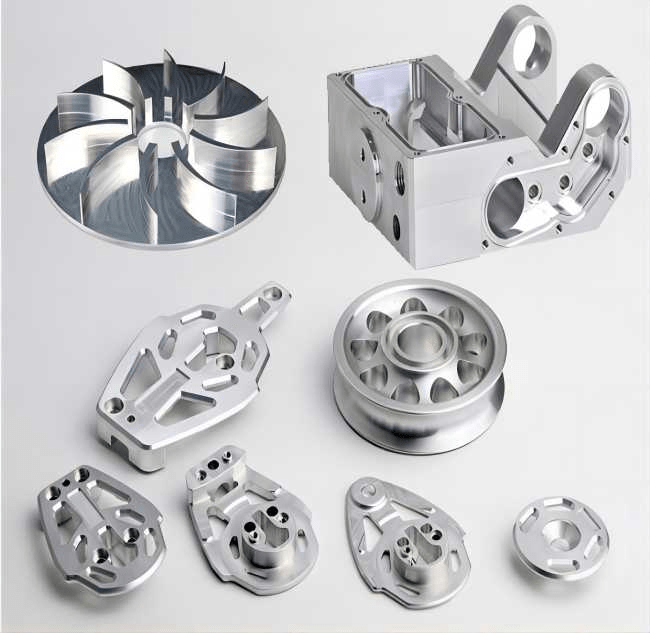
The ability to withstand greater stresses, resist more extreme environments, and have superior performance require more advanced materials in CNC machined parts. Industries such as Aerospace and Automotive, Electronics, Medical. Traditional materials lack the ability to withstand the desired environments. Advancements.
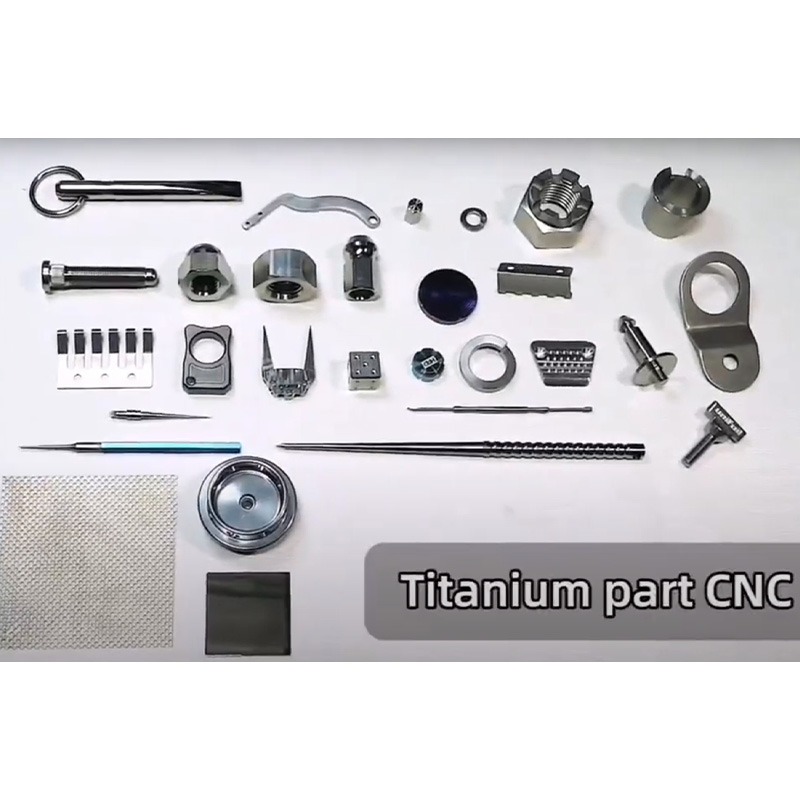
Aerospace components such as engine and turbine blades are designed to withstand extreme pressures and heat. New heat resistant materials advanced Inconel and titanium alloys, and new superalloys have contributed to light weight sustainable efficient and stronger parts, helping meet new demands in aviation.
- Improved Performance and Efficiency
Progress and efficiency in CNC machining processes improve with the development of new materials. Enhanced machinability contributes to greater efficiency due to greater precision and faster machining. For instance, new composite and alloy materials have better resistance to wear and tear, increasing cutting tool longevity while reducing required tool changes. Improvements in tool longevity and wear result in reduced downtime due to lower maintenance cost and downtime, which greatly enhances productive capability.
- Expanding Design Possibilities
Increasing variety in available designs stems from advancements in materials. CNC machining is widely known due to its ability to make elaborate and intricate designs in parts. However, there have been traditional materials that would have greatly reduced the available designs. New materials like advanced polymers, high-performance composites, and hybrid materials have vastly improved the available designs prior to the use of these new materials in manufacturing.
- Sustainability and Environmental Benefits
Material advancements in CNC machining parts also help address concerns with sustainability. Improved materials and processes from new advancements that increase efficiency from low generation of waste improve processes of recycling while reducing environmental impact.
- Enhancing Precision and Reducing Costs
The advancements being made in material science give manufacturers the ability to work with increased levels of accuracy and at a lower defect rate. Better quality advanced materials with greater dimensional stability and increased resistance to deformation enable CNC machines to fabricate parts to all new levels of precise tolerances needed in the medical, aerospace, and electronics industries for critical applications.
Improvements in the thermal stability, wear resistance, and hardness of materials being utilized will also lead to a reduced incidence of rework and an increase in the quality of completed parts. Cost savings are generated by a reduction in residual material, an increase in defect free parts, and an increase in the velocity and effectiveness of the production process.
Key Innovations in Materials for Producing CNC Machining Parts
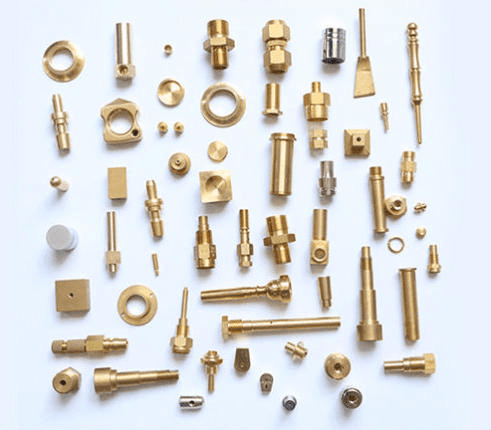
These material innovations are not only improving the capabilities for producing CNC machining parts but also are driving advancements in key industries, such as aerospace, automotive, medical, and electronics.
1. Advanced Metal Alloys
The development of advanced metal alloys has been one of the most significant innovations in CNC machining materials.
This chart provides some of the key advanced metal alloys used in CNC machining parts, their applications, advantages, and machining considerations. Each alloy type is suited to different industries and manufacturing challenges, offering unique benefits while also posing specific machining challenges.
| Metal Alloy Type | Description | Applications | Advantages | Machining Considerations |
| Titanium Alloys (e.g., Ti-6Al-4V) | High-strength, lightweight, and corrosion-resistant alloys. | Aerospace, medical implants, automotive, marine | High strength-to-weight ratio, excellent corrosion resistance. | Requires high cutting speeds and specialized tools due to hardness. |
| Inconel (Nickel Alloys) | Superalloys with exceptional high-temperature and corrosion resistance. | Aerospace engines, gas turbines, chemical processing | High temperature stability, oxidation resistance. | Difficult to machine, requires advanced tooling and cooling. |
| Hastelloy (Nickel Alloys) | High-performance alloy designed for extreme corrosion and heat resistance. | Chemical processing, aerospace, power plants | Excellent resistance to corrosion and high temperatures. | Requires special machining techniques due to its hardness. |
| Stainless Steel (e.g., 17-4 PH, 15-5 PH) | Corrosion-resistant steel with high strength and hardness. | Aerospace, medical, automotive, marine | High corrosion resistance, strength, and durability. | Prone to work hardening, may require slow feeds and cooling. |
| Aluminum Alloys (e.g., 7075, 6061) | Lightweight alloys, commonly used for high-strength, structural applications. | Aerospace, automotive, consumer electronics | Lightweight, good machinability, strong yet flexible. | Easy to machine, but may require precise control to avoid warping. |
| Maraging Steel | A high-strength, low-carbon steel with excellent toughness and hardness. | Aerospace, tooling, high-performance automotive | High strength, superior hardness, and excellent toughness. | Needs precise heat treatment and cooling processes. |
| Copper Alloys (e.g., C11000) | Highly conductive metals, often used in electrical applications. | Electrical components, heat exchangers, marine applications | Excellent thermal and electrical conductivity, corrosion-resistant. | Prone to softening at high temperatures, requires care in tooling. |
| Bronze Alloys (e.g., C93200) | Copper-based alloys with tin, offering good wear resistance and strength. | Bearings, bushings, gears, marine hardware | High wear resistance, good for friction applications. | Easy to machine, but requires care to prevent burr formation. |
| Magnesium Alloys | Lightweight metals often used for weight-sensitive applications. | Aerospace, automotive, consumer electronics | Very lightweight, good strength-to-weight ratio. | Requires careful handling due to flammability and low thermal conductivity. |
| Zirconium Alloys | High-temperature, corrosion-resistant materials often used in extreme conditions. | Nuclear industry, chemical processing, aerospace | Excellent corrosion resistance, particularly in harsh environments. | Hard and brittle, requires advanced machining methods. |

2. Composite Materials
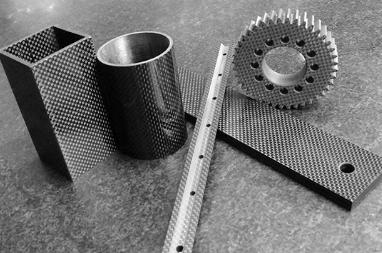
Recently, the application of composite materials in CNC machining has grown due to the lightweight, durable composite materials in the aerospace, automotive, and sporting equipment industries. Due to their superior strength-to-weight ratios, Carbon Fiber Reinforced Polymers (CFRP) and Glass Fiber Reinforced Plastics (GFRP) composites are also used in parts of greater strength, yet require minimized weight.
CFRP is produced from polymer matrices embedded with carbon fibers. The resulting composite is extremely lightweight and is applicable in many aerospace and automotive applications. However, there has traditionally been an issue with machining CFRP composites as they are highly abrasive and require special machining tools. Innovations in the machining of CFRP composites CNC machining, in the form of improved machining methods and abrasive resistant tools, has resulted in the polymer matrix composites being much easier to machine.
There is reason to believe why GFRP has been used so widely, particularly in sectors like automotive, construction, and marine, as with GFRP’s versatility and it’s low cost, coupled with excellent strength to weight ratios, GFRP still has a significant edge in overall performance, compared to traditional plastics and metals, if shunned carbon composites to the side, as GFRP is not as lightweight as such carbon composites, but still has a great lightweight performance, compared to the traditional alternatives. The flexibility of GFRP further adds to why is has increased the ability to manufacture features with higher levels of detail than compared to previous iterations, leading to more sophisticated applications recently
3. High-Performance Plastics
High-performance plastics are another area where material innovations are pushing the limits of CNC machining.
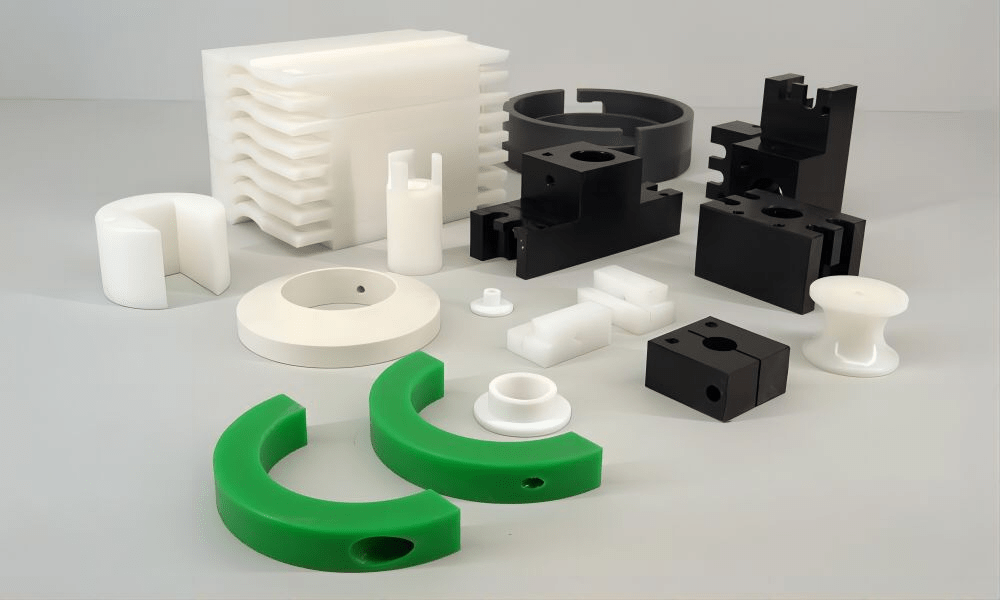
This chart offers the most commonly used high-performance plastics for manufacturing CNC parts, as well as their applications, advantages, and key machining considerations. These materials are ideal for demanding applications where durability, heat resistance, wear resistance, and chemical stability are crucial.
| Plastic Type | Description | Applications | Advantages | Machining Considerations |
| PEEK (Polyether Ether Ketone) | High-performance thermoplastic known for its mechanical strength and chemical resistance. | Aerospace, medical devices, automotive, electronics | Excellent wear resistance, high-temperature stability, chemical resistance. | Difficult to machine; requires sharp tools and slower feed rates. |
| PTFE (Polytetrafluoroethylene) | Non-reactive, low-friction thermoplastic with high resistance to heat. | Seals, gaskets, bearings, aerospace, food processing | Extremely low friction, high chemical resistance, non-stick. | Difficult to machine due to its softness and tendency to deform. |
| Ultem (Polyetherimide) | High-performance thermoplastic with excellent thermal stability and strength. | Aerospace, automotive, electronics, medical devices | High mechanical strength, good electrical insulating properties, heat resistance. | Requires precise temperature control and sharp tools. |
| Polycarbonate (PC) | Transparent, impact-resistant plastic often used in optical applications. | Lenses, protective covers, medical devices, electronics | High impact resistance, optical clarity, good machinability. | Prone to cracking if machined too aggressively; needs controlled speed and feed. |
| Polyamide (PA, Nylon) | Durable, wear-resistant plastic with high tensile strength. | Automotive, industrial gears, bearings, medical devices | Good mechanical strength, wear resistance, and lubrication properties. | Can absorb moisture, which may affect dimensional stability; needs to be dried before machining. |
| PPS (Polyphenylene Sulfide) | High-performance plastic with exceptional chemical resistance and high-temperature stability. | Automotive, aerospace, chemical processing equipment | High heat resistance, chemical resistance, low wear rate. | Can be brittle; requires slow cutting speeds and sharp tools. |
| Acetal (Polyoxymethylene, POM) | High-strength thermoplastic known for low friction and dimensional stability. | Gears, bearings, automotive parts, medical devices | Excellent wear resistance, low friction, high dimensional stability. | Tends to warp under high heat; controlled machining speeds required. |
| Polyimide (PI) | A high-temperature thermoplastic with exceptional thermal and mechanical properties. | Aerospace, electronics, automotive, electrical insulation | Exceptional heat resistance, high mechanical strength, and chemical resistance. | Requires careful control of machining parameters due to its brittleness. |
| UHMWPE (Ultra-High Molecular Weight Polyethylene) | Extremely high molecular weight polymer with excellent wear resistance and low friction. | Bearings, medical devices, food processing, marine applications | Superior wear resistance, self-lubricating, and low friction. | Difficult to machine due to its softness; requires special tools to prevent deformation. |
| PBT (Polybutylene Terephthalate) | Semi-crystalline thermoplastic with good dimensional stability and low moisture absorption. | Electrical connectors, automotive parts, consumer goods | High dimensional stability, electrical insulating properties, good mechanical strength. | Can be brittle at low temperatures; requires moderate feed rates. |
4. Metal Matrix Composites (MMCs)
These are materials which consist of metals and ceramics which renders an improvement in characteristics such as strength, wear resistance, and thermal conductivity as compared when they are used in isolation. Hence, these materials are of high merit as they can be used in high demand applications; engine components and tooling.
- Aluminum Matrix Composites: Composites which consist of aluminum and are reinforced by materials such as silicon carbide or graphite can be utilized where there is an excellent strength-to-weight ratio as is the case in automotive, aerospace and military applications. In recent years, advancements in the machining of these materials has enabled the production of intricately designed and high-precision components which were hard to manufacture before.
- Copper Matrix Composites: With regards to copper (as it is based composite) and the copper (which is used in heat exchangers and electronics) based composites, an improvement in their machinability has been noted. This is of utmost importance in industries that need meshing to be done with materials that serve thermal and electrical conductivity purposes. Enhanced CNC machining techniques allow for more precise fabrication of these parts.
5. Sustainable Materials
Sustainability is quickly becoming a major consideration when it comes to the choice of materials for CNC machining. The development of innovative, eco-friendly materials enables manufacturers to reduce their environmental impact, all the while still achieving the performance capabilities demanded in today’s many industries.
In particular, recyclable metals (certain alloys of aluminum and titanium) have been engineered for high levels of machinability while also improving the ability to recycle them with no degradation in their performance. As these materials allow decreased waste and carbon emissions, their use in more industries is to be expected as their use enhances the value of the product by including recycled material.
CNC machining has also started gaining attention for the use of bio-based composites. These composites also have the potential to match the performance characteristics of conventional composites and have attributes of sustainability. These composites perform attributes of sustainability as the bio-based composites utilize renewable resources, such as plant fibers. Further refinements in the machining of these materials will promote their use in industries that are environmentally conscious.
Improved use of mechanized techniques such as dry machining that eliminate the need for the use of coolants, oils, and other chemicals for machining contribute to the sustainability of the overall manufacturing process. The use of dry machining technologies combined with the production of water-based coolants also contribute to the efficiency and precision of manufacturing processes while promoting sustainability.
Additionally, eco-friendly machining techniques that reduce the use of coolants, oils, and other chemicals are helping to make the manufacturing process itself more sustainable. Technologies such as dry machining and the development of water-based coolants are contributing to greener manufacturing practices while still maintaining high levels of efficiency and precision.
Summary
Industries are achieving new levels of performance, precision, and sustainability as engineering continues to make great strides in the development of new materials and composites for CNC machining parts. A new generation of high-performance engineering metals, advanced plastics, and hybrid materials is allowing the production of high-precision customized CNC components to meet and exceed the demands of modern manufacturing. CNC machining will continue to advance as engineering materials are refined and improved.