How Material Thickness Affects Stamping Part Performance?

How Material Thickness Affects Stamping Part Performance?

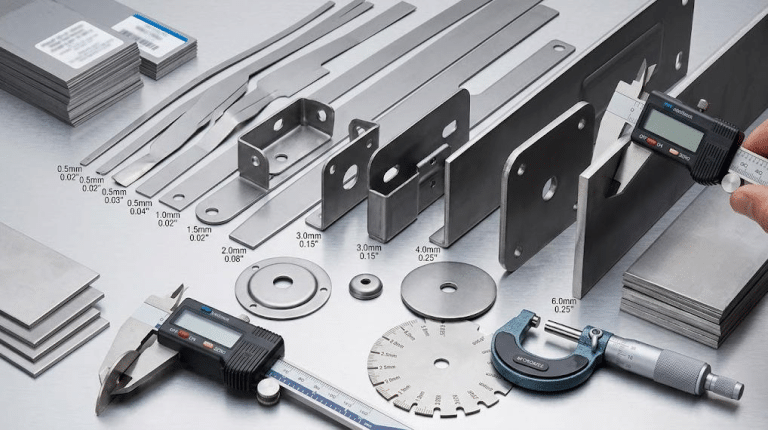
Material thickness is a major driver of how well metal stamping parts perform. It also affects durability, dimensional accuracy and manufacturing cost. In automotive manufacturing, electronics, aerospace, industrial equipment, and home appliances, choosing the appropriate material thickness matters. It helps produce components that meet specific strength, weight, and functional requirements. For precision stamping parts, support brackets,…
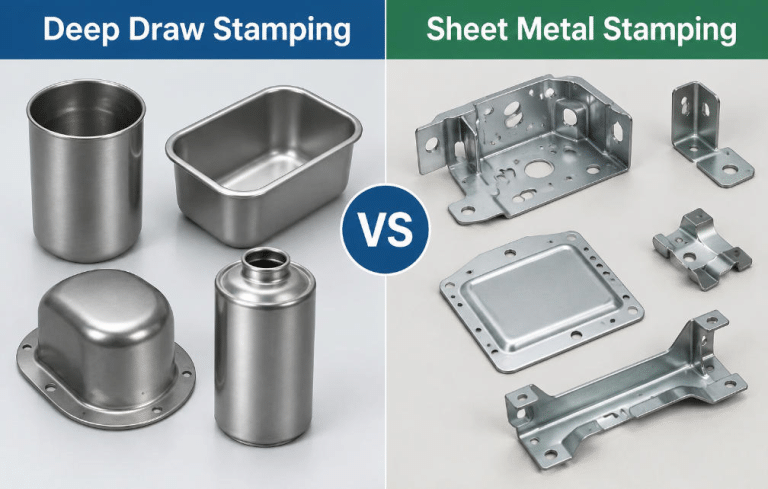
Deep Draw Stamping vs. Sheet Metal Stamping: What are the Key Differences

Deep Draw Stamping vs. Sheet Metal Stamping: What are the Key Differences

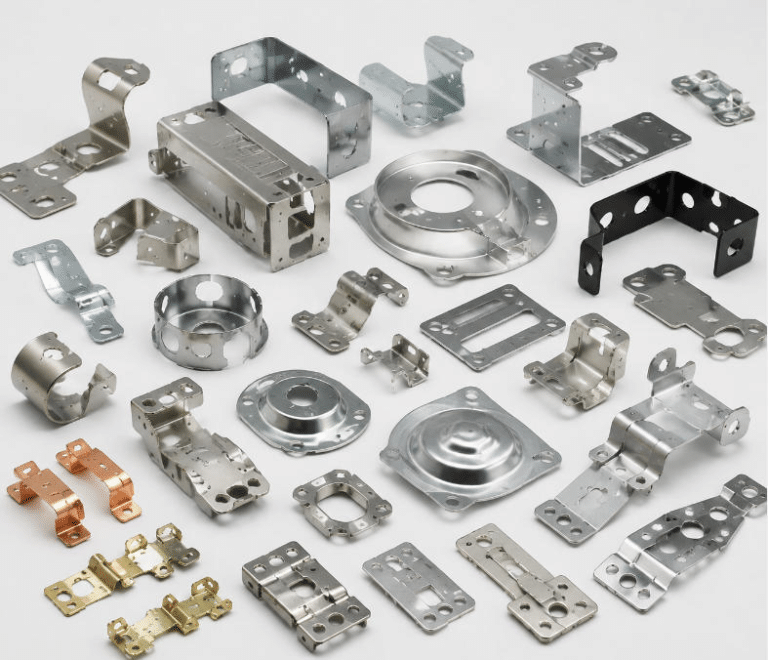
Metal stamping is a common way to make accurate metal parts at high output. It uses dies and stamping presses. Flat metal sheets are pressed into the shapes needed for many industries. Two widely used types are deep draw stamping and sheet metal stamping. They show up in auto work, electronics, aerospace, medical devices, and…

Carbon Steel vs. Stainless Steel Stamping Parts: 9 Key Differences

Carbon Steel vs. Stainless Steel Stamping Parts: 9 Key Differences

Metal stamping is a widely used manufacturing process for producing precise, high-volume components across many industries like automotive, electronics, appliances, aerospace, etc. A lot of the time, carbon steel and stainless steel get used for stamping parts. Both materials do bring distinct benefits, though the differences in strength, corrosion resistance, costs, and processing needs mean…

What Tolerances Can Metal Stamping Achieve?

What Tolerances Can Metal Stamping Achieve?

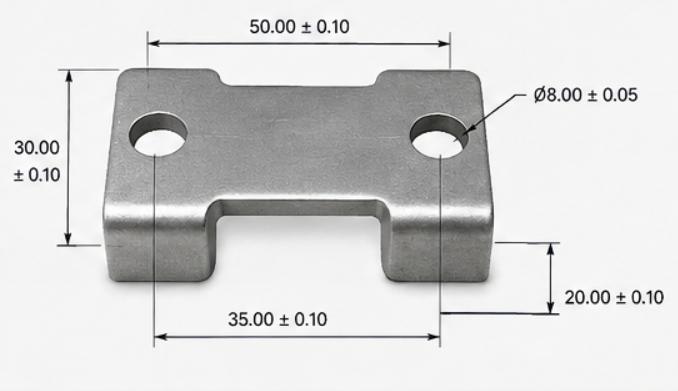
In modern manufacturing, metal stamping is one of the key processes for producing high-volume, high-precision metal components. From automotive and aerospace to medical devices and consumer electronics, countless complex metal parts rely on stamping processes for efficient and consistent production. However, when converting an engineering drawing into a finished metal part, one critical concept directly affects…

How Material Selection Affects Stamping Parts Quality?

How Material Selection Affects Stamping Parts Quality?

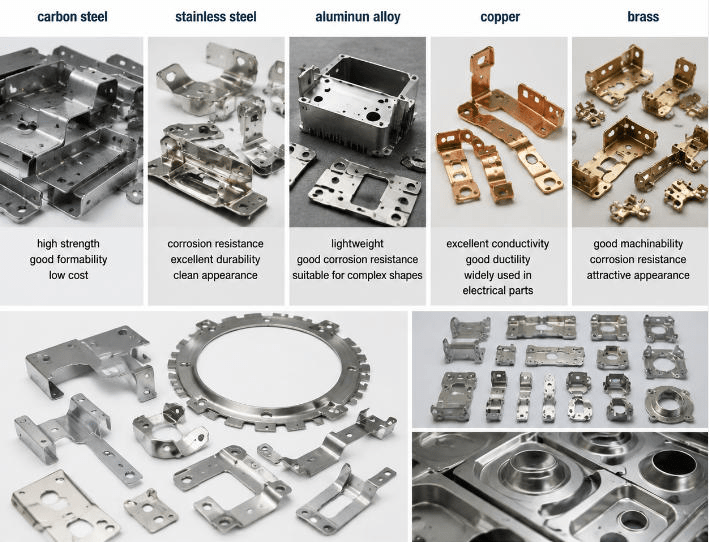
Material selection remains one of the key drivers in how good stamping parts turn out. The characteristics of the chosen material has direct influence on formability, dimensional accuracy, surface finish, wear resistance, and overall performance of the stamped components. Selecting suitable materials for metal stamping parts means you really need to look at mechanical properties, application…

What are the Key Trends in Custom Metal Stamping?

What are the Key Trends in Custom Metal Stamping?

Custom metal stamping has become an essential manufacturing process for producing precision parts across industries such as automotive, aerospace, electronics, medical devices, etc. As product designs become a bit more sophisticated and market demands shift toward shorter production cycles, lighter-weight materials, and higher precision, custom metal stamping is seeing some major changes lately. Today, modern…

Who Offers Custom Metal Stamping Services for Small Parts

Who Offers Custom Metal Stamping Services for Small Parts

In industries such as electronics, automotive, medical, telecommunications, and industrial equipment, small metal stamping parts are virtually ubiquitous. From tiny connecting plates and springs to precision terminals and shielding cans, these components all rely on high-precision metal stamping processes. So, who offers custom metal stamping services for small parts? While the market is flooded with suppliers,…

Common Defects in Stamping Parts: How to Prevent

Common Defects in Stamping Parts: How to Prevent

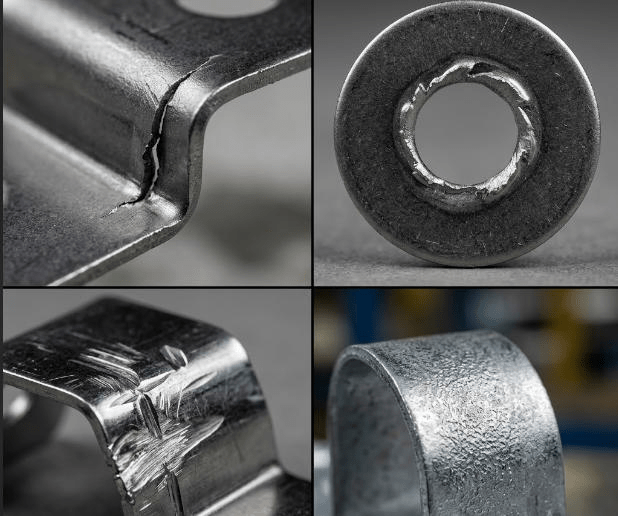
Metal stamping is mainly used to produce precise components for automotive, electronics, aerospace, medical equipment, etc. However, stamping defects can show up during production because of troubles with raw materials, tooling design, machine settings, lubrication, and process control. These defects can weaken product performance, raise production costs, and even cause material waste. If you understand the common defects…

End of content

End of content