Why CNC Machining is Best Choice for Aerospace Parts?
In the aerospace industry, even the smallest deviation in a single component can affect overall system performance and may even compromise flight safety. Therefore, the precision, stability, and repeatability of manufacturing processes are critically important. Aerospace CNC Machining is the core manufacturing method that meets these stringent requirements and is widely used in the production of critical components for aircraft, spacecraft, and related systems.
What is Aerospace CNC Machining?
Aerospace CNC Machining refers to a manufacturing process which utilizes computer numerical control (CNC) equipment for high precision machining of aerospace-grade materials. As opposed to regular CNC machining, aerospace CNC requires stricter standards regarding accuracy, quality control, material selection and process validation than its counterpart, this specialized form often used when producing components with complex geometries requiring high safety levels or meeting stringent performance criteria.
CNC machining has become an indispensable production method in the aerospace industry, providing consistency and reliability of product delivery.
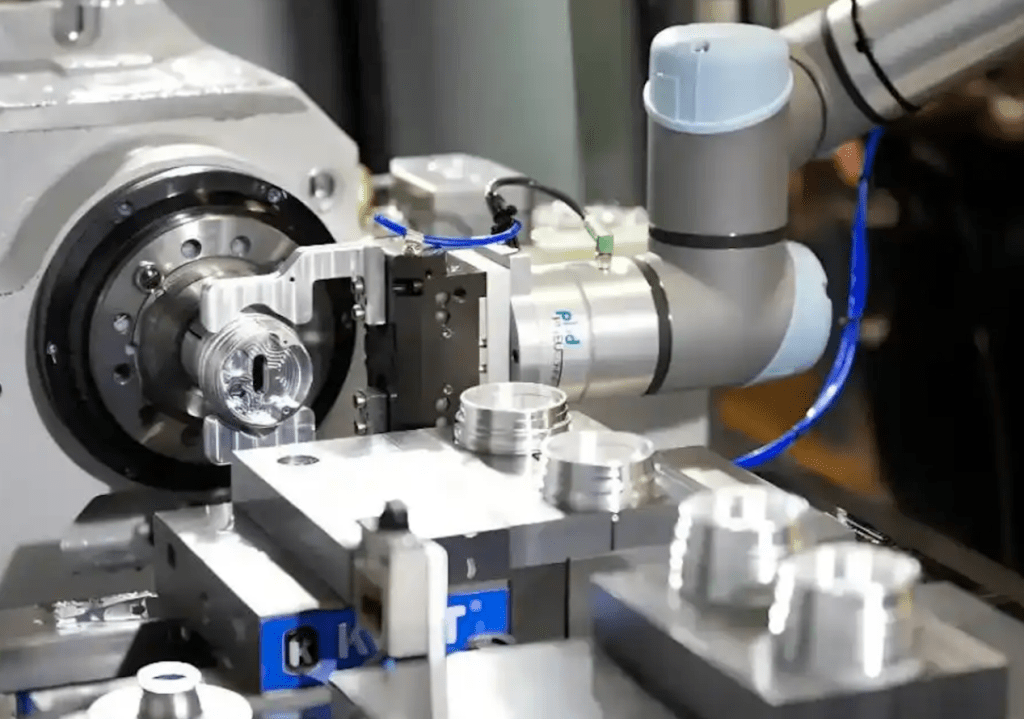
Why Does the Aerospace Industry Rely So Heavily on CNC Machining?
Aerospace manufacturing has to meet high standards. The parts have to meet specific requirements in terms of strength, weight, and reliability while also meeting stringent regulations and traceability requirements. The following are the reasons CNC machining forms an integral part of the aerospace manufacturing process.
- High Accuracy Machining Accuracy and Tolerance Control
Aerospace parts have to meet precise tolerances of microns and beyond to perform optimally. Any minor variation may have catastrophic effects on the accuracy of the final products.
2. Complex Geometries and Lightweight Designs
Aerospace components must strike an effective balance between strength, weight and functionality in order to achieve maximum efficiency during design and manufacture. This can often be accomplished using complex geometries with thin walls, internal passages and integrated reinforcement features; with multi-axis CNC machining providing more efficient production by using less setups thereby reducing cumulative errors and realizing cost savings.
3. Reliability in Safety-Critical Applications
Aerospace components are considered safety-critical, with failure often being catastrophic. CNC machining provides a highly reliable and repeatable process with traceable conditions for reduced systemic risk while meeting stringent quality management and regulatory requirements in the aerospace industry.
4. Ideal for Low Volume and Prototype Production
Aerospace projects often involve low-volume production, multiple part variants and iterative design iterations especially during research and development and validation activities. CNC machining offers superior flexibility over other manufacturing methods that rely on tools, with shorter lead times and lower setup costs making it the perfect process for prototype development, engineering models or small batch production.
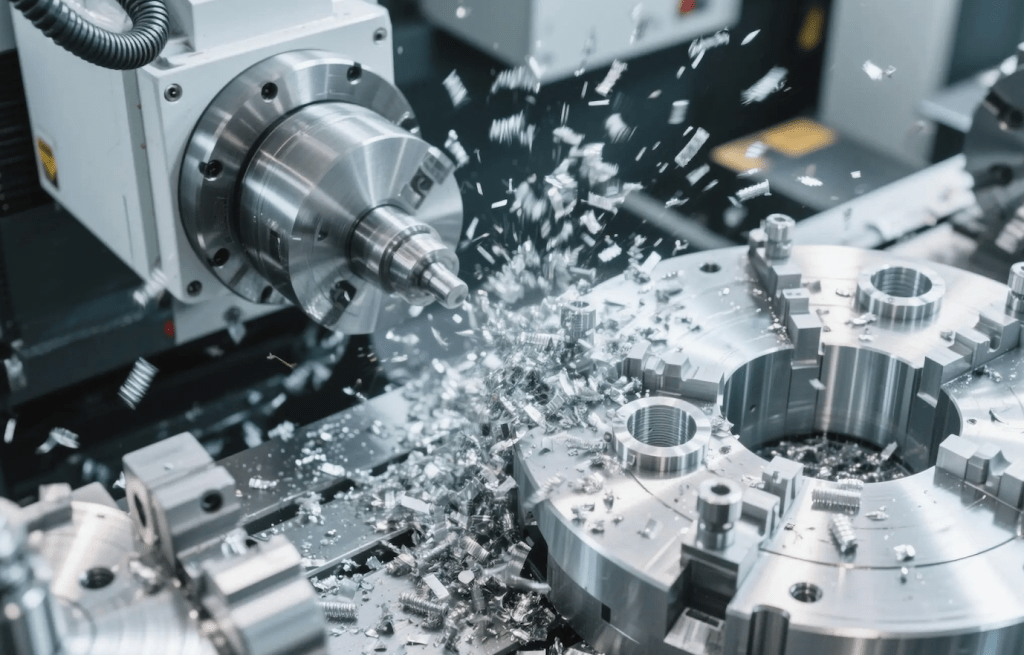
Common Aerospace CNC Machining Components
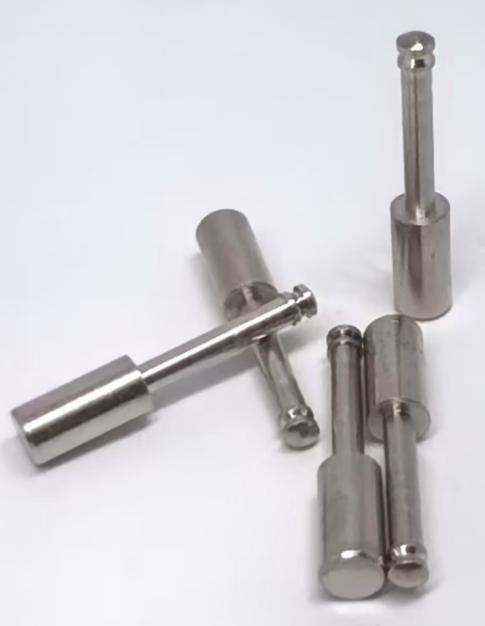
Aerospace CNC machining is an increasingly popular means of producing critical components across a range of aircraft and spacecraft systems. Parts produced using CNC technology must meet stringent quality standards regarding dimensions, material performance and surface quality requirements for aerospace systems.
Common aerospace CNC machining components include:
Engine structural and support components
CNC machining provides precise tolerances and consistent geometry, helping ensure engine alignment, structural integrity, and long-term reliability.
Aircraft structural brackets and connectors
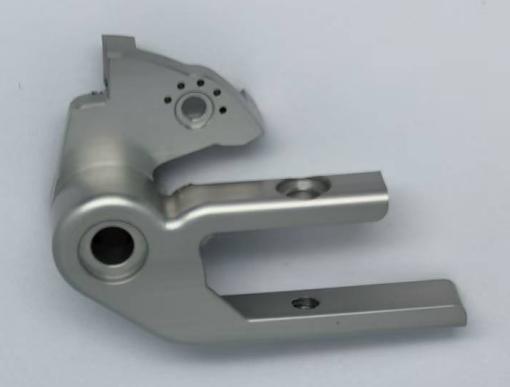
Brackets, mounts, and connecting parts play an essential role in load transfer and structural stability. CNC machining technology enables accurate production of complex shapes while still optimizing strength and weight performance.
Avionics enclosures and housings
CNC-machined housings designed with CNC machinery provide electronic systems with protection from vibration, electromagnetic interference, and harsh operating environments. Tight dimensional control and high-quality surface finishes are necessary to achieve proper sealing and heat dissipation.
Discovering gear-related components
Landing gear parts must withstand extreme impact loads and repeated stress cycles, and CNC machining provides the precision and material consistency required to meet stringent safety and durability standards.
Cabin systems and functional components
Interior structural parts, seat mechanisms and functional assemblies require both mechanical reliability and an unwavering surface quality. CNC machining enables consistent production while meeting both aesthetic and functional criteria.
Aerospace components require stringent dimensional accuracy as well as carefully managed material properties and surface finishes, in order to guarantee performance, safety, and conformance to industry standards.
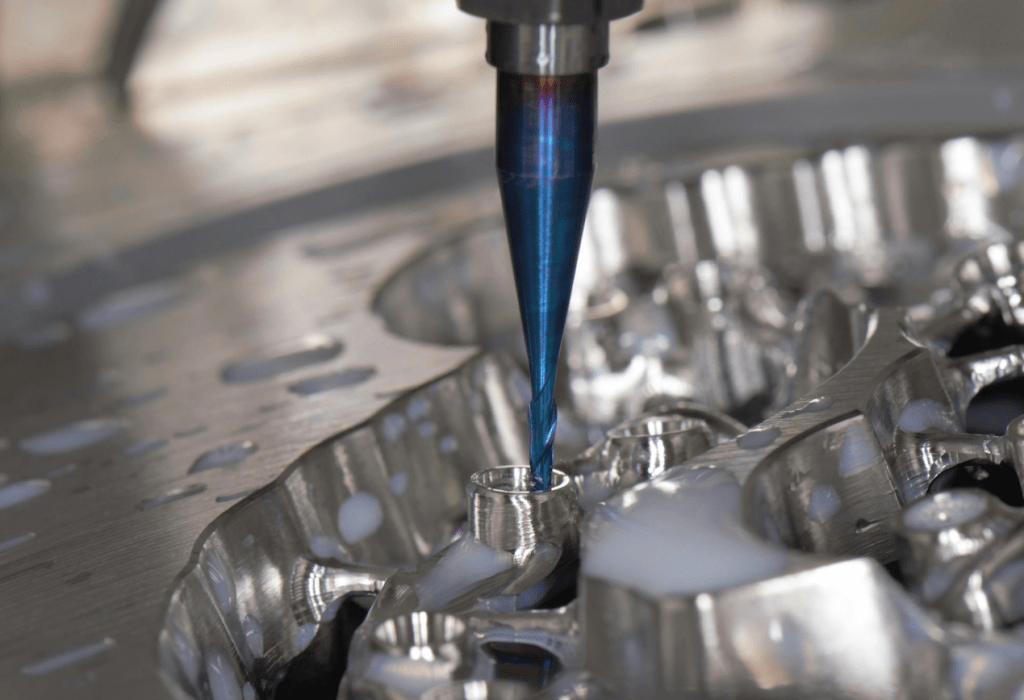
Common Materials Used in Aerospace CNC Machining
Different applications in the aerospace industry require different properties in their material, which could be strength, weight, temperature, corrosion, and durability, among others. In this respect, aerospace CNC machining involves the use of special materials that are designed to perform certain functions.
Aluminum Alloys
Aluminum alloys are commonly used in CNC machining due to their machinability, low weight, and desirable properties that offer a high level of strength and corrosion resistance. Aluminum alloys are commonly used in applications that require a reduction in weight, such as in brackets and in bracket forming.
Titanium Alloys
Titanium alloys occupy an exceptional strength-to-weight ratio while remaining corrosion and fatigue resistant, making it the perfect material choice for engine components, structural load bearing parts and applications in harsh operating conditions.
Stainless Steel
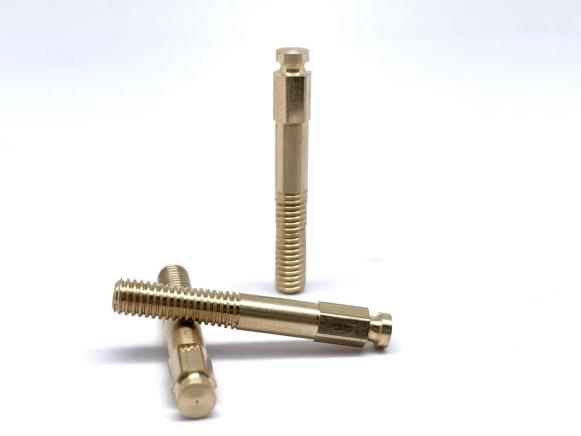
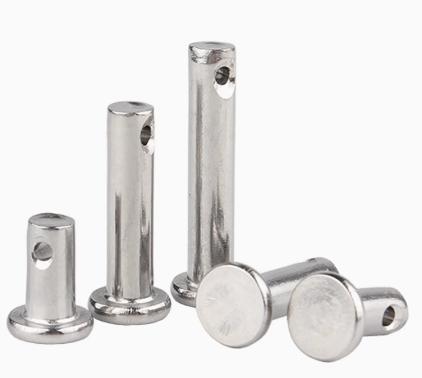
Stainless steel is often chosen for applications that demand high strength, wear resistance or resistance to corrosion in extreme environments. Fasteners, fittings and components that come under mechanical stress often rely on stainless steel components.
High-temperature Alloys
Nickel-based superalloys like Inconel provide strength and stability under extreme temperatures and stresses. They are often utilized in aerospace engine systems or other high-heat, high-pressure environments.
Engineering Plastics
Engineering resins such as PP, PEK, and PVDF are widely used engineering plastics that are employed in various lightweight constructions, electrical insulation, and chemical resistance applications. Resins like PEEK are commonly used in various nonmetal structural applications in the aerospace industry.
Each material is an integral part in the manufacturing of aerospace CNC machining products that help in meeting the industry-wide standards without introducing complexity.
What Are the Quality Standards in Aerospace CNC Machining
The quality standards in aerospace CNC machining are quite high and must be met in order to ensure performance, safety, and regulatory requirements. These requirements can be found throughout the manufacturing process in strategic locations.
Components for space applications require strict tolerance control in order to perform at their best, and CNC machining offers precise control over these dimensions to ensure that they meet the required specifications.
Consistent surface finish and machining stability
Aerospace CNC processes take great care in controlling consistent surface roughness and quality across multiple production runs in order to reduce wear, extend fatigue life and ensure reliable assembly.
Quality inspection during production
Comprehensive quality verification is carried out at different stages of production, which usually includes Coordinate Measuring Machine (CMM) inspection and First Article Inspection (FAI). The quality verification procedures are carried out to ensure that both the initial production samples and the production parts conform to technical specifications.
The aerospace industry requires strict documentation and traceability systems to monitor the production of materials, processes, and quality inspection from raw material production to final delivery for auditing and long-term quality assurance. Production documentation enables the tracing of parts from raw material production right through to delivery for auditing or long-term quality control.
Customers in the aerospace industry demand that CNC machining suppliers adhere to a quality management system such as AS9100 or ISO 9001.
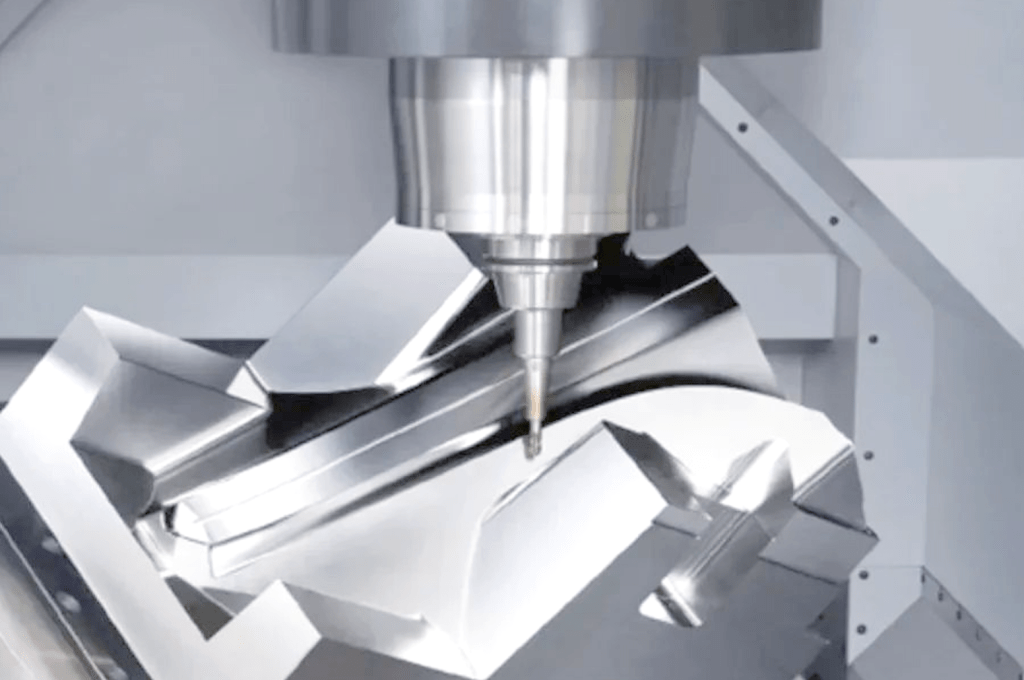
How Can I Select an Aerospace CNC Machining Manufacturer?
Selecting an appropriate aerospace CNC machining manufacturer is critical to ensuring part quality, compliance and long-term project success. Key considerations when choosing your CNC manufacturer should include:
Aerospace-specific experience and technical expertise
Any qualified manufacturer should possess extensive expertise in aerospace CNC machining, with proven knowledge of tight tolerances, complex geometries, safety-critical applications and knowledge of relevant standards and customer requirements.
Advanced CNC equipment and process capabilities
Look for manufacturers equipped with modern multi-axis CNC machines, precision tooling and stable machining processes – this will facilitate efficient production of complex high-precision aerospace components.
Certified quality management systems
Compliance with widely recognized quality standards such as AS9100 or ISO 9001 signifies that the manufacturer abides by stringent quality controls, documentation procedures, and traceability requirements necessary for aerospace projects.
Material expertise and process control
A professional aerospace CNC machining service supplier should have the necessary expertise for handling various materials used for aerospace applications, including aluminum, titanium, and high-temperature alloys.
Inspection, documentation, and traceability capabilities
The ability to provide thorough inspection and documentation of the production process is a critical requirement for a professional aerospace CNC machining service supplier.
Communication and long-term support
Long-term aerospace partnerships rely on reliable communication, responsive project management and secure supply capacity – essential elements that support ongoing or multiphase programs.
Selecting a manufacturer that combines precision machining experience, solid quality systems and aerospace experience into their business can reduce risk, ensure compliance and support reliable production for product lifecycle management.
Final Thoughts
As aerospace technology progresses, so too has its need for precision and reliability of components. Aerospace CNC Machining plays an integral role in supporting performance-based products through aerospace manufacturing systems.
Selecting an experienced CNC machining manufacturer like KENENG with an exceptional quality management system is essential to the smooth completion of aerospace projects.