Why Petroleum Industry Needs Custom Metal Stamped Parts
In the oil and gas industry, equipment is often required to operate for long periods under extreme conditions such as high temperatures, high pressure, and strong corrosion. As a result, the performance requirements for components are extremely demanding. In this context, custom metal stamped parts for the petroleum industry have become a crucial solution for improving equipment reliability and extending service life.
Compared to standard parts, custom metal stamped components can be designed and manufactured according to specific application scenarios. This not only enhances equipment performance but also effectively reduces maintenance costs.
Today, we will provide a comprehensive analysis of metal stamping solutions in the petroleum industry, covering definitions, applications, material selection, and supplier selection.
Table of Contents
What Are Custom Metal Stamped Parts?
Metal stamping is a manufacturing process that uses dies and presses to shape metal sheets into specific forms. It is widely used in the production of industrial components.
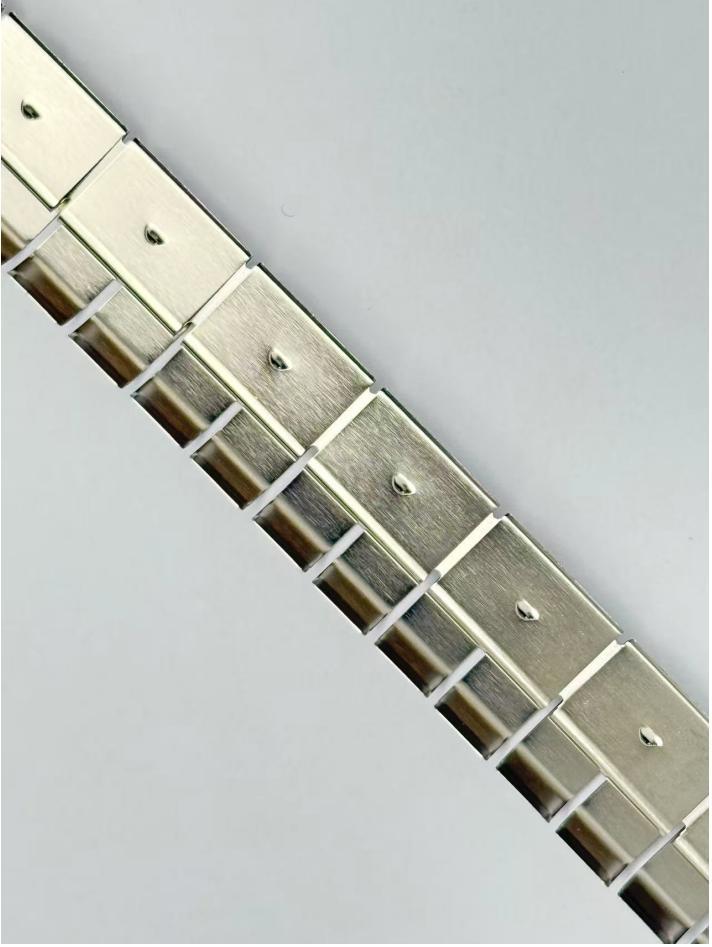
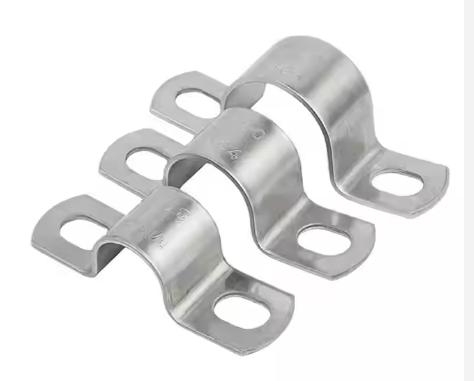
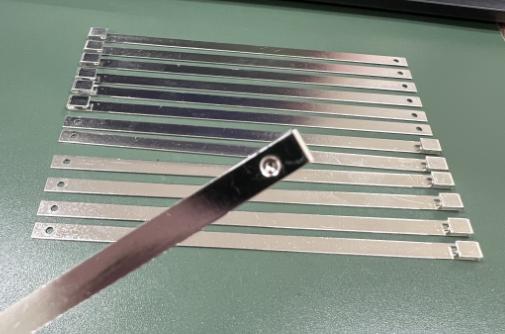
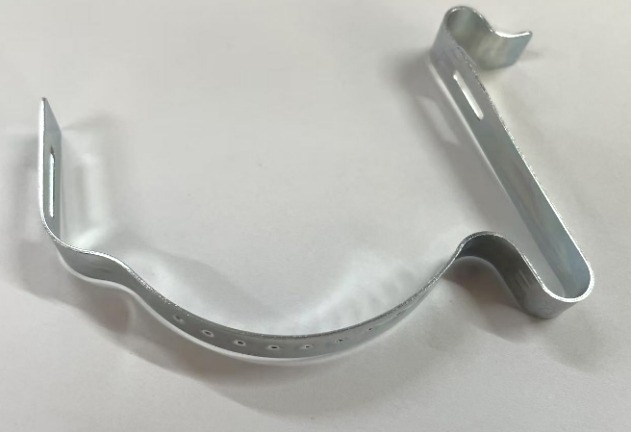
Custom metal stamped parts refer to metal components that are specially designed and manufactured based on customer drawings or specific requirements. Common processes include blanking, bending, forming, deep drawing and more
The complete process typically includes:
Design → Tooling Development → Stamping Production → Surface Treatment → Quality Inspection
This manufacturing method is particularly suitable for components in the petroleum industry that require high precision and consistency.
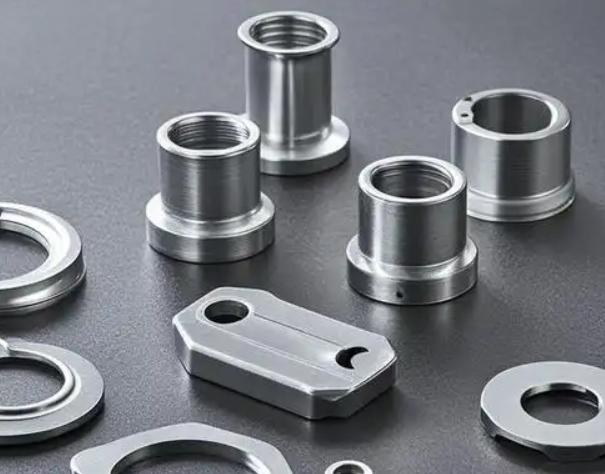
Why the Petroleum Industry Needs Custom Metal Stamped Parts?
Equipment in the petroleum industry often operates for long periods under extreme conditions, such as high temperatures, high pressure, and highly corrosive environments. This places very strict demands on components. Therefore, custom metal stamped parts play an irreplaceable role in the petroleum industry, mainly in the following aspects:
High Strength Requirements
Petroleum equipment such as drilling platforms, offshore oil field equipment, and deep sea production equipment is exposed to extreme mechanical stress and pressure while in operation.
Components with insufficient strength may bend or break, hence affecting the safety and efficiency of the equipment. Stamped parts can be made of materials with the right strength and structure for the equipment’s durability.
Corrosion Resistance
Petroleum production processes involve the use of equipment that comes into contact with saltwater, chemical media, and corrosive gases. This is a very harsh environment. In such an environment, normal metal parts corrode very quickly, and leaks occur. Stamped metal parts can be made of stainless steel and alloy steel and can be given special coatings for resistance against corrosion.
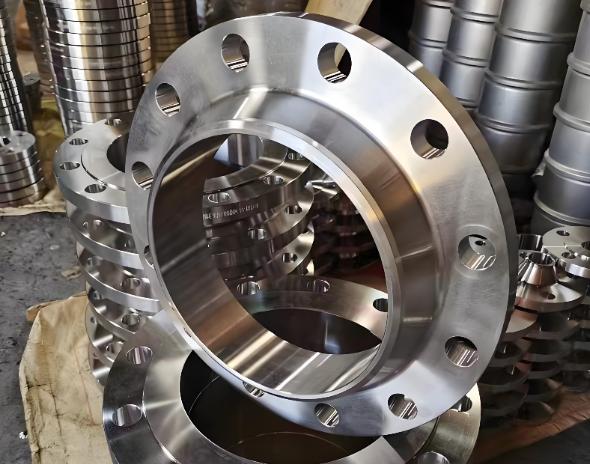
High Precision Requirements
The core parts like valves, pump bodies, and piping require extremely precise dimensions and sealing performance. Stamped parts can be made to meet a particular design requirement and can be made consistent and accurate, thus preventing any leaks or failures caused by excessive tolerances and poor sealing.
Diverse Application Scenarios
Petroleum equipment varies in a wide range of types, structures, and complexity, and standard parts may be hard to satisfy all the design requirements. As for the stamped parts, they can be designed and made in accordance with the characteristics of different equipment, offering special solutions for different demands.
Common Applications of Custom Metal Stamped Parts in the Petroleum Industry
In the petroleum industry, custom metal stamped parts are widely used across various equipment to meet requirements for high strength, corrosion resistance, and precision. Key applications include:
Drilling Equipment: It is utilized in the support of structural parts, brackets, and connectors for the stability of drilling equipment and deep sea production equipment under extreme pressure and weight conditions.
Pipeline Systems: It is utilized in the production of pipe connectors, support plates, and sealing parts for the safe and long-lasting operation of the equipment in the presence of corrosive substances.
Pump & Valve Components: It is utilized in the production of sealing metal sheets, elastic parts, and structural parts of the equipment for the precise sealing and stable operation of the equipment.
Offshore Equipment: It incorporates stamped parts and structural parts with resistance to corrosive substances for the long-lasting and stable operation of the equipment in extreme marine conditions.
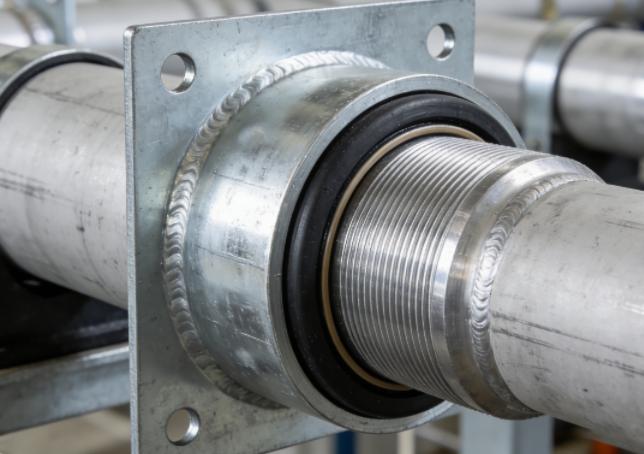
Common Materials for Metal Stamped Parts in the Petroleum Industry
In the petroleum industry, equipment parts work under instances of elevated pressure and temperature, as well as in the face of corrosive environment request. Consequently, choice of materials draws a direct line to performance and durability of those parts made of stamped material. Metal stamped part materials usually include stainless steel, carbon steel, aluminum alloy, and alloy steel.
Stainless Steel
Stainless steel is advantageous for its corrosion resistance and high-temperature operation, where it can function for long durations in seawater; in media of chemical nature; and in marine environments without developing corrosion decay. To ensure long-term stable and reliable operation, stainless steel is widely used in offshore platform equipment, pumps, piping, and sealing components in chemical environments.
Carbon Steel
Carbon steel is known for more durable and possibly better usability against machine compared to mild steel. The general application includes making possible the use of its low cost in Volume production. Some of its applications are seen in making general structural members and various support parts and frame assemblies in addition to equipment areas that do not come into direct exposure to highly corrosive media, rendering them resistant to heavy load.

Aluminum Alloy
The main advantages of this material are its light weight and the fact that it is relatively easy to process. Aluminum has weight-saving characteristics that make it useful for manufacturing any equipment. It is mainly used for light equipment components, mobile equipment, and some structural parts, thus, the balancing of strength and ease of handling leads to overall efficacy in the equipment.
Alloy Steel
Alloy steel is operated for drilling components in case of heavy duty or critical instance conditions because they have high levels of strength and pressure. It can be packaged with heavy-duty parts of the pump and valve, and the core combined with the deep-sea production facility structure to provide sustained operation under hostile conditions.
In petroleum industry, it is never too difficult to stress the prime importance of the use of the right material to achieve high-functional, long-lasting stamped-metal assemblies; this is because the selection played a major part in operational safety and operational efficiency.
Advantages of Custom Metal Stamping
Under the light of any manufacturing method, metal stamping can be availed to provide several merits to support petroleum industry components and development for the better quality and lower costs.
High-Precision Manufacturing
Custom stamping allows you to achieve intricate machining and contraction in components within tight surface limits. The highest level of precision is achieved by designing the dies properly during this method of fabrication by means of precise engineering, which means that dimensions are assessed accurately. It is crucial to perform all of these tasks effectively as this directly affects the ability of the valve and the body of a pump to apply their respective seals.
High Production Efficiency
Stamping is more feasible for large-scale production with faster processing and lower costs per unit compared to traditional machining. In contrast, for widely used supports, connectors, and structural parts in the petroleum industry, custom stamping greatly improves production efficiency.
Strong Consistency
Die-based production maintains consistency in dimension and performance across all parts, thus avoiding finicky quality variations that may arise from hand work or small-batch machining. This is essential to high-performance petroleum equipment.
Cost Control
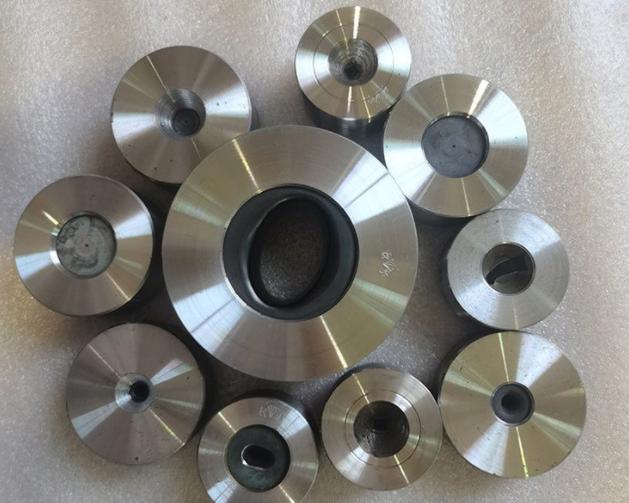
Custom stamping is the most resourceful and efficient option for reducing material waste and enhancing economies overall. Owing to mass production under custom stamping, the per-unit cost is cheaper, superior quality maintained, and budget easier to handle.
Flexible Customization
Custom stamped parts can be designed specifically for the requirements of petroleum equipment. Whether it involves unique structures, specialized dimensions, or specific functional needs, custom stamping provides flexible solutions to meet the diverse applications of different equipment and operating conditions.
Across the organization, custom metal stamping not only improves precision and robustness but also minimizes costs and boost efficiency. It brings in an impressive solution for the oil industry by keeping them flexible and high performance.
How to Choose a Reliable Stamped Parts Supplier?
Selection of the right supplier of stamped parts is critical in ensuring that equipment performs effectively and that the project becomes successful in the petroleum business. Sturdy stamped products will not only hold to the minimal, distinct safety and performance specifications but will also facilitate high-production manufacturing. Key areas that ought to be looked into include:
Industry Experience
It is essential to choose a supplier who has experience in the petroleum industry, provided the supplier understands the high demands of the petroleum equipment, in terms of operating conditions and performance conditions, and provides stamping solutions that take incredible precautions for high temperature, high pressure, and corrosive environments.
Die Development Capability
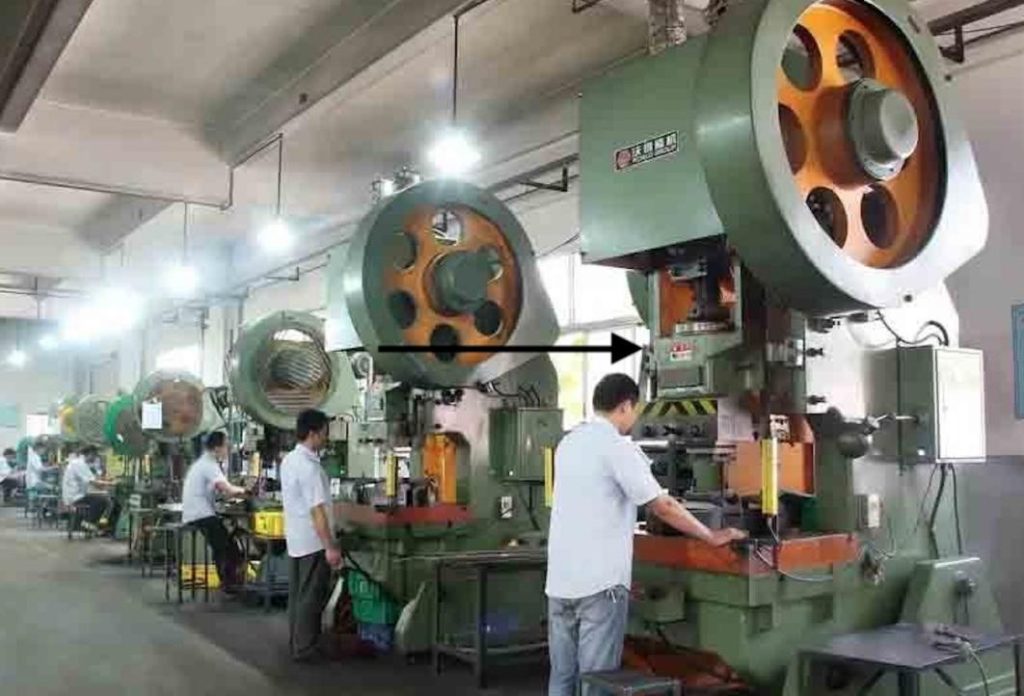
A supplier’s self ability to design and construct dies is crucial for the desired precision and consistency of the stamped parts. Such in-house development makes a part possible for customization according to customer drawings and specific requirements, practically eliminating machining errors and enhancing production efficiency.
Material Certification
Reliable suppliers should provide complete material certifications and test reports, such as Material Certificates, to ensure that the metals used meet the petroleum industry’s requirements for strength, corrosion resistance, and high-temperature performance.
Quality Control System
A strict quality control system is a key indicator of supplier reliability. Suppliers should have comprehensive inspection processes and management systems, such as ISO certification, to ensure that every batch of products maintains consistent dimensions, strength, and performance.
Production Capacity
The supplier’s production capacity should be able to meet batch delivery requirements. Whether for large-volume standard parts or small-batch custom components, timely delivery with consistent high quality is essential.
Customization Capability
The OEM/ODM services provided by most genuine manufacturers help them become privileged to design and manufacture parts that best fit the specific needs of petroleum equipment. This allows the company to adapt and customize solutions for varying situations.
Why Choose KENENG as Your Metal Stamping Partner?
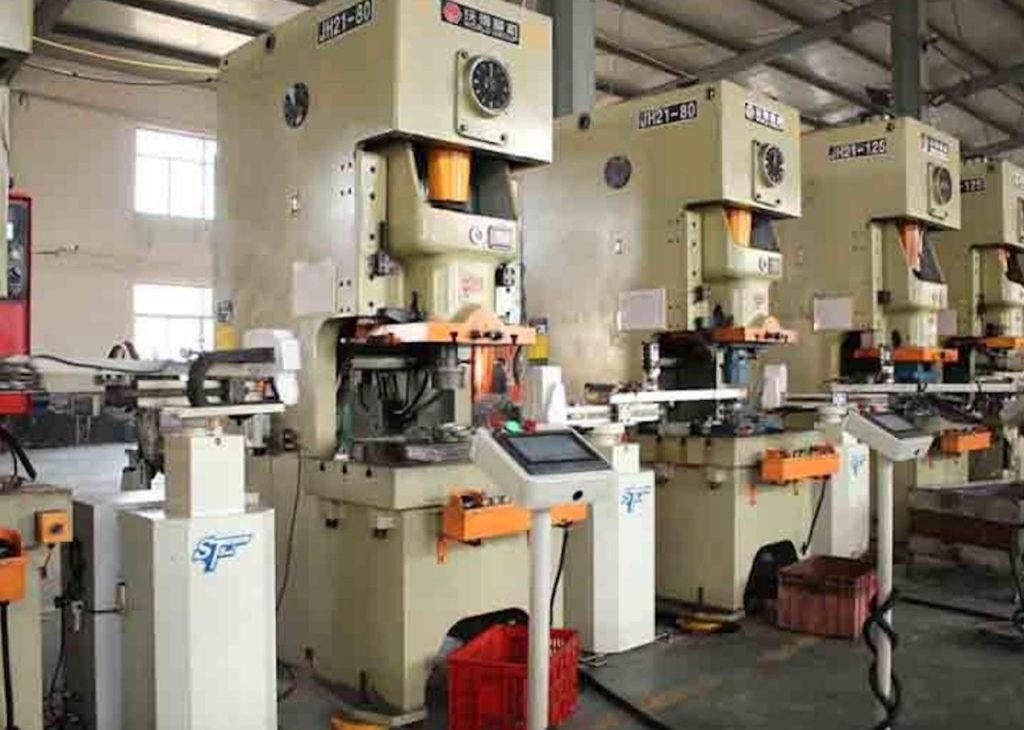
If you are looking for a high-quality supplier of custom metal stamped parts for the petroleum industry, KENENG custom metal stamped parts manufacturer offers a one-stop solution. From die design and production to post-processing, we provide high-performance, reliable metal stamping products with extensive experience and advanced equipment.
With over decades of experience in exporting to over 180 countries and regions, we are well aware of the special needs of the petroleum industry. Through independent die development and automatic stamping equipment, we can ensure that mold accuracy is within ±0.01mm, and stamping speed can reach 800 times/minute.
Materials used in KENENG’s stamping parts include stainless steel, alloy steel, aluminum, titanium, copper, and copper alloys, which can satisfy different demands for strength, corrosion resistance, and high-temperature resistance. All materials used in KENENG’s stamping parts are guaranteed, and all products are inspected in accordance with ISO 9001, IATF16949, and AQL065. The yield rate of KENENG’s stamping parts can be as high as 99.83%.
In addition, KENENG provides customers with customization and rapid prototyping, including OEM/ODM, and can even adopt WEDM for sample and small batch production, saving mold costs and production time. KENENG’s stamping parts are of high quality, reliable, and cost-effective, and can satisfy the special demands of the petroleum industry.
Final Thoughts
As the petroleum and natural gas industry continues to raise the bar in the efficiency of equipment, custom metal stamped parts for the petroleum industry are gaining more and more importance. Stamped parts not only enhance the efficiency of equipment operation but also minimize the cost of maintenance.
By choosing the right materials, the most suitable design solution, and a reliable partner, a business can achieve a competitive advantage in the market.
If you are looking for reliable custom metal stamping services, KENENG could be your reliable partner.