How to Handle Hard-to-machine Materials in Stamping Part Production?
Manufacturers use different materials for stamping parts because each material has unique properties that determine how easily it can be machined. Some materials, however, present significant challenges during the metal stamping process due to their hardness, brittleness, or toughness. The hard-to-machine materials require manufacturers to develop special approaches for handling their tooling, die design, lubrication, and process parameters. Manufacturing high-quality stamping parts at affordable prices requires manufacturers to comprehend all existing challenges which they face during their production process.
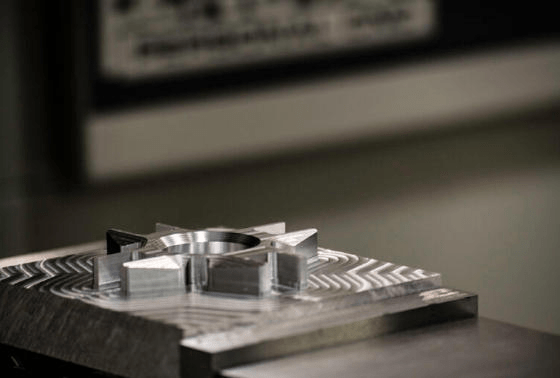
Table of Contents
Why Use Hard-to-Machine Materials in the Production of Stamping Parts
The production of metal stamping parts needs hard-to-machine materials because these materials deliver exceptional performance needed for various high-performance applications. Although these materials present difficulties for fabrication, their distinct characteristics make them vital components for aerospace and automotive and medical and defense industries.
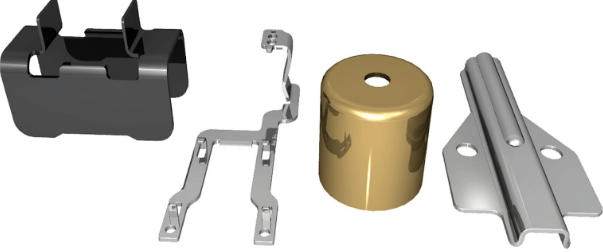
This chart explains why hard-to-machine materials are chosen for stamping part production, focusing on their benefits such as superior performance, resistance to extreme conditions, and compliance with industry standards.
| Reason | Description | Benefits in Stamping Part Production |
| Superior Mechanical Properties | Hard-to-machine materials, such as high-strength steels, titanium alloys, and nickel-based alloys, offer exceptional strength, toughness, and wear resistance. | – Increased part durability – Enhanced performance in high-stress applications – Ability to withstand extreme conditions |
| Corrosion and Wear Resistance | Materials like stainless steel and nickel alloys resist corrosion and wear in harsh environments. | – Longer part life – Reduced maintenance costs – Ideal for parts exposed to harsh chemicals, moisture, or extreme temperatures |
| High-Temperature Resistance | Materials like Inconel and titanium alloys are capable of withstanding high temperatures without losing mechanical properties. | – Suitable for high-performance parts in aerospace, automotive, and power generation – Prevents part failure in high-temperature environments |
| Lightweight and High Strength | Materials like titanium alloys offer excellent strength-to-weight ratios, making them ideal for weight-sensitive applications. | – Weight reduction in automotive and aerospace components – Improved fuel efficiency and performance in transportation systems |
| Customization for Niche Applications | Hard-to-machine materials can be tailored to meet specific needs in specialized applications, such as medical implants or aerospace components. | – High precision for critical components – Custom material properties for unique application demands |
| Compliance with Industry Standards | Certain industries, such as aerospace and medical, require the use of hard-to-machine materials to meet strict performance and safety standards. | – Ensures compliance with regulatory requirements – Guarantees the reliability and safety of critical components |
| Innovative Applications | Hard-to-machine materials are increasingly being used in new, innovative applications, where standard materials would not provide adequate performance. | – Enables development of cutting-edge technologies – Drives advancements in industries like medical devices, automotive, and aerospace |
| Increased Part Longevity | Hard-to-machine materials often have superior fatigue resistance, contributing to the longevity of stamped parts. | – Reduced failure rates – Longer intervals between replacements – Better return on investment for end-users |
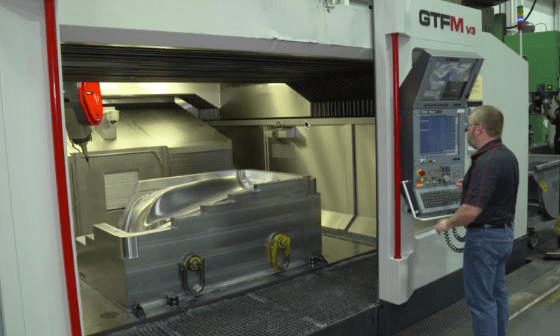
Common Hard-to-Machine Materials Used in Manufacturing Stamping Parts
This chart provides a quick overview of the most common hard-to-machine materials used in stamping, highlighting their important properties and the specific challenges encountered during the metal stamping process.
| Material | Key Properties | Challenges in Stamping |
| High-Strength Steels (AHSS, DP, CP) | High tensile strength, toughness, wear resistance | Rapid tool wear, work hardening, increased stamping force |
| Titanium Alloys (e.g., Ti-6Al-4V) | Lightweight, high strength-to-weight ratio, corrosion-resistant | Low thermal conductivity, work hardening, high stamping force |
| Stainless Steel (316, 17-4 PH) | Corrosion-resistant, high strength, weldability | Work hardening, tool wear, surface cracking and defects |
| Nickel-Based Alloys (e.g., Inconel, Hastelloy) | High-temperature resistance, corrosion-resistant, durable | Heat buildup, tough to deform, rapid tool wear |
| Cermets | Extreme wear resistance, high temperature stability | Brittleness, cracking, requires specialized tooling |
| Ceramics | Excellent wear and heat resistance, hardness | Brittle, prone to cracking, difficult to form traditionally |
| Tool Steels (e.g., D2, H13) | High hardness, toughness, wear resistance | Difficult to machine, causes rapid tool wear, requires high-speed techniques |
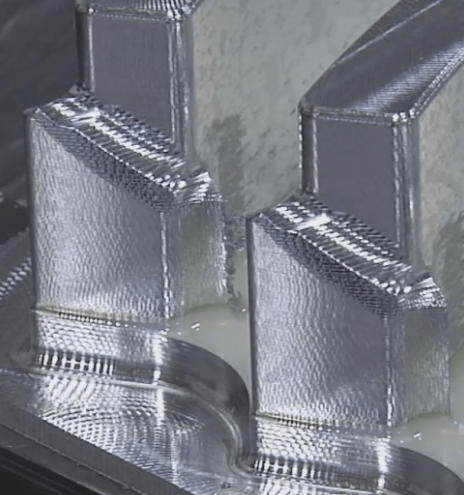
Effective Strategies for Handling Hard-to-Machine Materials Used in the Production of Stamping Parts
1. Selecting the Right Tooling Materials
One of the most effective strategies for overcoming the challenges of hard-to-machine materials is selecting the right tooling.
This chart outlines key tooling materials and their suitability for various hard-to-machine materials, helping manufacturers select the best tool material for each specific material type and application.
| Tooling Material | Key Features | Best Suited For |
| Carbide (Tungsten Carbide) | – Extremely hard and wear-resistant – High-temperature resistance | – High-strength steels (AHSS, DP, CP) – Titanium alloys (e.g., Ti-6Al-4V) – Stainless steels – Nickel-based alloys |
| High-Speed Steel (HSS) | – Tougher and more flexible than carbide – Can withstand high temperatures | – Stainless steels (e.g., 316, 17-4 PH) – Some high-strength steels – Soft alloys (e.g., mild steel) |
| Coated Tooling (TiN, TiAlN) | – Tooling with coatings like titanium nitride for improved hardness and lubricity | – High-strength steels (e.g., AHSS) – Titanium alloys – Stainless steel (e.g., 304, 316) |
| Ceramic Tools | – Very high hardness – Excellent wear resistance at high temperatures | – Titanium alloys – Nickel-based alloys (e.g., Inconel) – Hard-to-machine metals requiring precision |
| Cubic Boron Nitride (CBN) | – Harder than carbide, suitable for very hard materials – Excellent wear resistance | – Hardened tool steels – High-strength materials (e.g., titanium, Inconel) |
| Diamond-Coated Tools | – Extremely hard, with excellent wear resistance and low friction – Ideal for abrasive materials | – High-strength steels – Titanium alloys – Cermets and other abrasive materials |
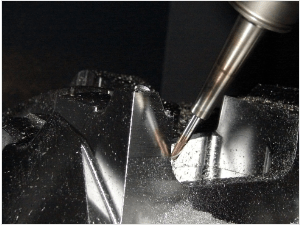
2. Optimizing Process Parameters
Optimization of current stamping parameters such as stamping speed, press tonnage, and die design bears heavily on the workability of hard-to-machine materials. These settings may also help with tool wear. For example, when high-strength steels and titanium alloys are the work-hardening type, lowering the stamping speed beyond the already fixed rate of dewaxing can only result in less heat generated during stamping operations, thereby reducing the chances of tool wear and material distortion as well.
One example of effective hard-to-machine materials is titanium alloy. With its hard structure, more force is needed to force any deformation within the work. Therefore, press tonnage should increase within this group. Nevertheless, we are required to balance carefully: high tonnage can cause die damage or even material fracture.
Adjusting the stamping die design to decrease friction and better material flow is also crucial. For example, using draw beads, binder rings, or proper radii in the dies may be beneficial when trying to control material flow, especially while working with materials that are difficult to form.
3. Advanced Lubrication and Cooling Systems
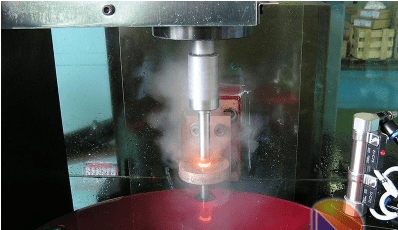
Efficient lubrication and cooling are a must when dealing with hard-to-machine materials, as they help cut down on friction, regulate temperature, and thus prevent premature tool wear. High-strength materials, such as high-strength steels and titanium alloys, induce significant heat during the stamping process, which can damage both the tooling and the material itself.
High-performance lubricants can reduce friction, improve material flow and hence generally endow the stamped piece with improved quality. For example, solid lubricants or oil-based lubricants can be employed. There is always a layer between the tool and the material building up that protects from further heat build-up and reduces friction.
In addition, implementing advanced cooling systems can help to manage heat and ensure that materials and tooling do not overheat. Coolants such as water-soluble fluids or synthetic coolants are used to lower thermal stress and maintain tool integrity, especially in high-temperature applications where nickel-based alloys and ceramics are being stamped.
4. Implementing Heat Treatment and Pre-processing Techniques
For some of the difficult-to-machine materials such as titanium alloys and high-strength steels, heat treatment or pre-processing techniques are advantageous before they are stamped. Thus, by subjecting particular thermal treatments, the manufacturer ensures that the material’s formability is imroved and hence reduce the cracking or the deformation of the stamping process.
For example, annealing high-strength steels prior to stamping reduces their hardness by lowering it and makes them more ductile, which makes them easier to form. Another example is the solutionizing of beta-titanium alloys, followed by aging to evolve their optimum microstructure, thereby rendering them viable for stamping without any sacrifice of their mechanical properties.
In certain cases, preheating the material before the stamping process could offer better formability. Such preheat helps to relieve the internal stresses in materials such as stainless steel and titanium, resulting in uniform material flow throughout the stamping process.
1. Post-stamping Finishing and Quality Control
Even after adopting all the right tools and processes, hard-to-machine materials often require additional finishing and quality control measures to ensure the final part meets specifications. Since materials like high-strength steels and ceramics can cause defects like surface cracking, tool marks, and dimensional inaccuracies, careful attention to post-stamping processes is essential.
This chart outlines the key post-stamping finishing and quality control processes used to address the challenges posed by hard-to-machine materials. These methods help improve part quality, extend tool life, and ensure that customized metal stamped parts meet required specifications and performance standards.
| Post-Stamping Process | Description | Benefits for Hard-to-Machine Materials |
| Grinding and Polishing | Using abrasives to smooth out rough surfaces, remove tool marks, or achieve precise dimensions | – Removes surface defects – Improves surface finish – Essential for materials like stainless steel, nickel alloys, and high-strength steels |
| Shot Peening | A process that bombards the surface of the material with small spheres to induce compressive stress | – Improves fatigue resistance – Reduces surface cracking and wear – Beneficial for tough materials such as titanium and high-strength alloys |
| Laser Surface Treatment | Uses lasers to treat or modify the surface of the material to enhance hardness or resistance | – Improves wear resistance – Increases surface hardness – Can be used for hard-to-machine materials like tool steels and cermets |
| Surface Coating (e.g., PVD, CVD) | Deposits thin layers of material (such as titanium nitride) on the surface to improve wear and corrosion resistance | – Enhances tool and material wear resistance – Improves corrosion resistance – Ideal for high-strength alloys and stainless steel |
| Electropolishing | Electrochemical process that removes a thin layer from the surface to improve smoothness and corrosion resistance | – Polishes hard-to-machine materials like stainless steel – Improves surface finish – Enhances corrosion resistance |
| Dimensional Inspection (CMM, Laser Scanning) | Uses advanced measuring tools like Coordinate Measuring Machines (CMM) or laser scanning to ensure accurate dimensions | – Ensures precise tolerances – Detects dimensional deviations – Essential for hard-to-machine materials where tight tolerances are critical |
| Visual Inspection and Surface Testing | Involves manually inspecting the surface for defects, such as cracks, tool marks, or deformations | – Detects surface defects such as cracks, scratches, or tool marks – Essential for high-performance materials like nickel alloys or titanium |
| X-ray or Ultrasonic Testing | Non-destructive testing (NDT) methods to check for internal defects or inconsistencies within the material | – Identifies internal flaws like voids, cracks, or inclusions – Crucial for critical applications in aerospace and medical sectors where material integrity is vital |
| Laser Measuring Systems | High-precision laser systems for measuring part geometry and ensuring that the part meets design specifications | – Provides accurate, non-contact measurement – Ideal for complex geometries and materials that are difficult to measure by traditional methods |
2. Investing in Advanced Stamping Technologies
The development of stamping technologies, like servo-driven presses and hybrid stamping machines, provides companies with better control over the stamping process. Through these advanced technologies, enterprises are capable of gaining more accurate and precise control of stamping parameters like speed, force, and stroke length, which are particularly important while using such hard-to-machine materials.
The use of simulation software to anticipate material behavior through stamping is gaining popularity. These digital tools assist the manufacturer in die design optimization, stamping parameters, material flow, and stamping parts of tough materials produced most efficiently and precisely.
Summary
The use of hard-to-machine materials present a variety of challenges in the production of stamping parts. The surmounting of these difficulties lies in a comprehensive understanding of the properties of each material and the judicious choice of appropriate tooling, lubrication, and process parameters. Therefore, advanced technology and continuous research into new tooling materials and processes will be an essential for stamping these demanding materials in the near future.