Best Plastic Injection Molding Service: How to Choose a Reliable One?
Plastic injection molding is one of the widely used processes during the manufacturing of products, as it is one of the most crucial processes while developing a product. It can range from electronic devices, auto parts, medical equipment, to industrial products, as the quality of injection molding can directly affect the end product.
However, the competition in the market is high, with numerous injection molding service suppliers. Similarly, the prices, capacities, and levels of services offered also greatly vary. Therefore, which type of business should qualify as the ‘Best Plastic Injection Molding Services‘?
Today, we will adopt a professional outlook to systematically examine the essential attributes that exemplary injection molding service companies must have, and this will aid you in determining a reliable partner company for manufacturing.
What are the Best Plastic Injection Molding Services?
Best plastic injection molding services do not mean offering the lowest price, but rather achieving a long-term balance among quality, efficiency, cost, and communication. The following aspects are key criteria for determining whether an injection molding service provider is truly professional.
- Advanced Injection Molding Capabilities
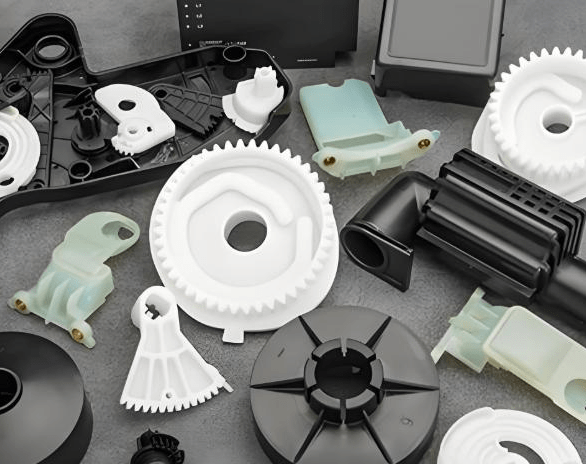
Companies that provide the plastic injection molding service are usually equipped with injection molding machines with different specifications to cater to the molding requirements from precision parts to heavy structural parts.
They also possess knowledge in single cavity molds, multi-cavity molds, family molds, as well as more advanced molding technologies such as precision molding, thin-wall molding, and insert molding.
- Comprehensive Mold Design and Manufacturing Capabilities
Truly professional injection molding services go beyond simple contract manufacturing and become involved as early as the mold development stage. By offering DFM (Design for Manufacturability) analysis, they help optimize product structures and reduce risks such as shrinkage, warpage, and deformation.
At the same time, they design molds with appropriate service life and maintenance plans to control long-term costs. Companies with integrated mold design and manufacturing capabilities are better positioned to manage project timelines and quality.
- Extensive Material Application Experience
Material selection directly affects product performance, durability, and cost. High-quality injection molding manufacturers are familiar with a wide range of commodity and engineering plastics, including ABS, PP, PC, PA, POM, and PEEK.
They can also recommend food-grade, medical-grade, or flame-retardant materials that comply with standards such as RoHS, REACH, and FDA. In addition, experienced teams can suggest alternative materials and cost-reduction solutions while meeting functional requirements.
- Strict and Traceable Quality Control System
Consistent quality is a defining characteristic of the “Best Plastic Injection Molding Services.” Reliable suppliers typically implement comprehensive quality control procedures, including incoming quality control (IQC), in-process quality control (IPQC), and outgoing quality control (OQC).
These are supported by first-article inspections, critical dimension checks, and batch traceability systems, which are especially important for high-volume production and long-term partnerships.
- Scalable Production Capacity
Many injection molding projects begin with prototyping or small-batch production, but the ultimate goal is often mass production. Excellent injection molding service providers can support rapid prototyping and low-volume trial runs, then smoothly scale up to medium- and high-volume manufacturing.
As order volumes grow, they are able to maintain consistent quality and on-time delivery, a capability highly valued by both startups and established brands.
- Cross Industry Project Experience
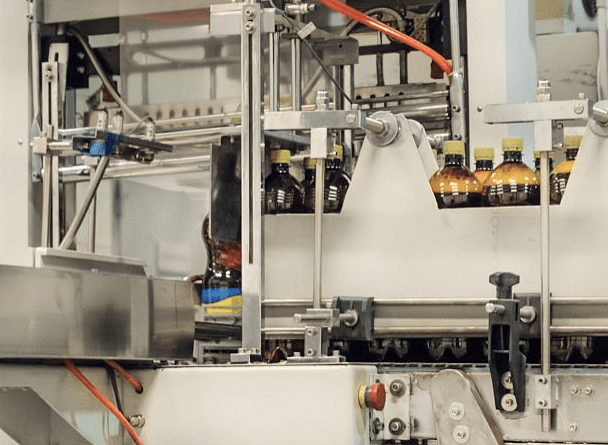
The different sectors of application pose varying demands on injection-molded components. For instance, cleanliness and complying with standards are core in the health field. In the automobile market, endurance and structural integrity are primarily sought.
Compared to injection moldings produced by companies without cross-industry experience, cross-industry experienced injection moldings manufacturers tend to have a better comprehension of customer needs and tend to make fewer revisions.
- Efficient Communication and Project Management
In the global sourcing scenario, communication skills may sometimes become as important as production skills. Skilled injection molding services include effective and timely communication and promotion of good engineering-level communication. This high level of efficiency in project management results in low risk coverage during projects.
Typical Examples of Plastic Injection Molding Services In order to satisfy all sorts of different customers, plastic injection molding services are classified into a variety of categories. They can be best utilized based upon specific product requirements and business goals.
Common Types of Plastic Injection Molding Services
To meet the diverse needs of different customers, plastic injection molding services are typically divided into several categories. Each type is suited to specific product stages and business objectives.
Type 1. Custom Plastic Injection Molding
The intended usage for custom plastic injection molding involves unique product structures, functions, or designs. The firm collaborates with their clients using drawings or samples to design product molds related to manufacturing processes. The service intended for brands with unique designs, high tolerance levels, or special functional performance features can be most beneficial for the intended customized plastic injection molding brand.
Type 2. OEM/ODM Injection Molding Services
OEM (Original Equipment Manufacturer) and ODM (Original Design Manufacturer) functions are appropriate for those businesses that intend to outsource manufacturing and product design.
OEM injection molding revolves around manufacturing parts based on customer specifications, whereas ODM provides optimization services and product development. ODM is beneficial for reducing development time and risks involved during manufacturing.
Type 3. Rapid Prototyping and Low-Volume Injection Molding
Rapid prototyping technology and low-volume injection molding are widely adopted in the initial phase of product development. This establishes a means through which the manufacturer can produce a prototype or small series for testing purposes. However, in the view of mass production, it is significantly quicker with lower upfront costs, making it suitable for start-up companies or new product launches.
Type 4. High-Volume Injection Molding Production
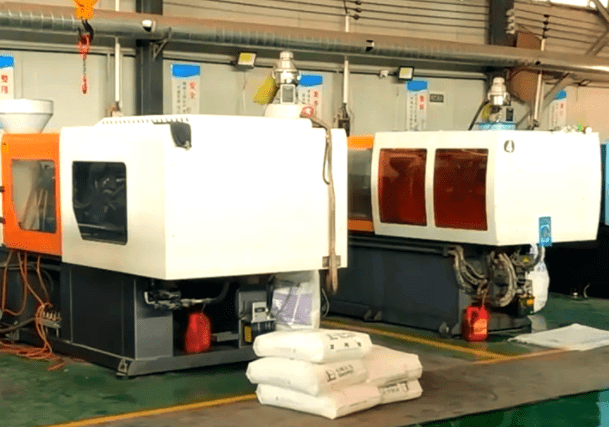
High-volume injection molding is meant for products that are more mature, with a stable demand for the products in the marketplace. This service stresses more on the aspect of efficiency in production, the stability of the process, and cost management. Additionally, multiple cavities can be made use of in producing these products.
Type 5. Insert Molding and Overmolding
Insert molding and overmolding are both value-added injection molding processes in which metals or multiple plastic materials are integrated into a single process. Insert molding provides an integration of metals or other components into the plastic part, while overmolding imparts a second layer for added grip, sealing, or aesthetics. These services find great application in electronics, automotive, medical devices, and consumer products to provide greater functionality and a better user experience.
Each of these injection molding service types has to be carefully selected with regard for the stage of product development, expected volume of production, and general market strategy to achieve an ideal balance among cost, performance, and scalability.
How to Choose the Best Injection Molding Service for Your Project?
When choosing an injection molding partner, relying solely on price or superficial qualifications often cannot guarantee a smooth project. You need to take a comprehensive approach, considering the supplier’s technical capabilities, communication efficiency, collaboration experience, and long-term delivery reliability. Below are some key points to guide your evaluation.
Factor 1. Evaluate Manufacturer Experience and Capabilities
When choosing the best plastic injection molding service, you are selecting both experience and capacity.
Relevant project experience
Are they familiar with projects similar to yours in terms of structure, size, complexity and application? Experience with similar parts can lead to less design iterations and lower technical risk.
Capabilities for design for manufacturability (DFM)
A successful injection molding partner is one which offers constructive feedback regarding DF&M, which enables geometrical, material, and tooling-for-tooling optimizations before the process of making the molds starts.
In-house mold making vs. fully outsourced tooling
Companies that keep mold-making in-house can potentially have better control over the mold quality, lead times, or change handling, whereas fully-outsourced molds may result in the generation of communication gaps or longer change times to implement the requested modifications.
Ability to provide full product lifecycle support
Are they capable of supporting everything from prototyping and pilot runs through to long-term mass production? Consistency across stages is vital to ensure stable quality and predictable scaling.
An experienced injection molding service provider does more than simply build to specifications.
Prior to mold manufacturing, these specialists identify potential issues such as insufficient draft angles, uneven wall thicknesses, sink marks, and warpage risks; saving both time and costs while improving final product outcomes.
Factor 2. Mold Design and Tooling Capability Are Core Deliberative Factors
Mold quality is the cornerstone of best injection molding projects, no matter the material or machine being used; poor mold design will lead to long-term production issues and needs.
Considering the following points:
Mold steel selection and expected tool life
High-grade mold steels offer greater durability, dimensional stability and consistency over long production runs – particularly those featuring medium to high volumes of work.
Cold vs. hot runner system design
Your choice can impact material usage, cycle time, part quality and maintenance cost. An experienced supplier should recommend the most suitable option based on part geometry, material composition and production volume – not simply initial costs.
Maintenance and repair are simplified when dealing with mold infestation
Remarkably designed mold structures allow for faster maintenance, reduced downtime, and easier replacement of wear components – three essential features necessary to long-term production efficiency.
Clear mold ownership and tooling rights
Mold ownership, storage conditions, modification rights and transfer conditions must all be clearly articulated to reduce potential project risks later. To do otherwise may lead to disputes or project risks.
At an experienced plastic injection molding service, tooling considerations take long-term production stability into account, rather than only considering passing initial samples or articles as initial criteria for approval. This proactive and forward-thinking approach to manufacturing ensures reliable, scalable production.
Factor 3. Materials Selection Expertise and Quality Control Systems
Different plastic materials vary dramatically in terms of mechanical strength, heat resistance, chemical resistance and cost. A professional injection molding supplier should not only have access to process materials but should also possess an in-depth knowledge of material performance and application suitability.
Key factors to evaluate include:
Material Sourcing and Supply Stability (MSTSS)
Are the resins purchased from reliable, traceable suppliers? A reliable material supply ensures consistent properties and reduces batch-to-batch variations.
Assist with material substitution and cost optimization
An experienced supplier can suggest materials or grades that satisfy performance criteria while improving cost efficiency or lead time.
Comprehensive quality assurance processes
Look for a structured quality system involving IQC (Incoming Quality Control), IPQC (In-Process Quality Control), and OQC (Outgoing Quality Control). This will ensure any defects can be identified at each step in production.
Attentiveness to inspection records and quality reports
Offering reports such as dimensions, material certifications, or inspection data shows transparency and process discipline.
Quality control systems that are efficient and well-documented are indispensable in long-term, high-volume production environments, particularly if batch consistency must be guaranteed. Without one, even well-designed molds and materials may result in unexpected quality outcomes.
Factor 4. Capacity Planning and Delivery Reliability
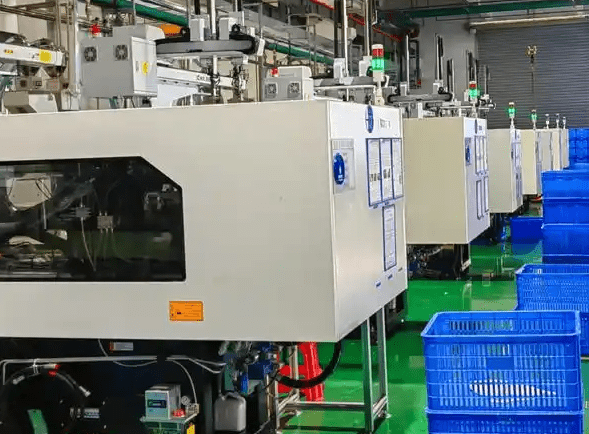
Equipment configuration and capacity planning of an injection molding supplier have a direct bearing on delivery performance and supply stability.
Key evaluation points include:
Tonnage range for injection molding machines
Your machine sizes must meet your part dimensions, mold size and clamping force requirements to avoid quality or efficiency issues. Mismatched equipment often leads to costly quality or efficiency problems.
Monthly Production Capacity and Scalability (MPCS)
Are they capable of meeting both current and anticipated future volume increases as your product gains in scale? Capacity flexibility is vital for long-term partnerships.
Reasonability of prototype and sampling lead times
Sampling cycles should be realistic and aligned with tooling complexity, not rushed at the cost of mold quality.
Stability and predictability in mass production lead times
Reliable suppliers can ensure regular delivery schedules and communicate effectively when any adjustments need to be made.
One key caution: Overly aggressive or too-good-to-be-true delivery promises can reveal hidden dangers such as outsourced tooling, overcommitted production schedules or weak capacity planning that could manifest themselves later as delays or quality compromises.
Factor 5. Transparency and Communication Efficiency Are Equally Valuable
Price should always be an important factor when choosing an injection molding service, but it shouldn’t be the sole deciding factor. Professional plastic injection molding companies demonstrate professionalism through both transparent pricing and effective communication channels.
Key elements to assess include:
Structure of quotation document
Quotes should include details regarding mold cost, piece price and any secondary processing or finishing fees – this helps you understand where costs originate and makes budgeting or scaling simpler in the future.
Define mold modification and maintenance policies
Trustworthy suppliers should provide clear explanations on how mold adjustments, repairs, or preventive maintenance is conducted – including associated costs and responsibilities.
Effective, professional, and consistent communication
Suppliers that respond quickly, offer comprehensive updates, and identify potential issues early on can save both time and reduce misunderstandings throughout a project’s lifespan.
An established project contact can ensure continuity, accountability and faster problem resolution when projects evolve from prototyping to mass production.
Communication often proves more cost-cutting in the long run than selecting the lowest bid. Open, consistent interactions help prevent errors, minimize rework costs and ensure production stability.
Factor 6. Industry Compliance Requirements
Dependent upon the nature and use of your product, certain certifications may be mandatory entry requirements for suppliers:
- ISO 9001 – Quality management system ISO 9001 (General Quality management system).
- ISO 13485 Medical device manufacturing certification requirements
- IATF 16949 – Automotive industry quality standard
- RoHS/REACH Compliance Standards – Environmental and Chemical Accord
Certified suppliers demonstrate an advanced process management, standard quality control procedures and compliance with industry regulations – attributes which reduce risks while increasing reliability in regulated markets.
Factor 7. After-Sales Support and Long-Term Partnership Potential
Injection molding is often an ongoing collaboration. When selecting a supplier, focus on:
Mold maintenance and management should be an ongoing strategy: Molds must remain in excellent condition throughout multiple production cycles for smooth operations.
Support for product optimization and upgrades: Ability to suggest design improvements or material adjustments as your product develops.
Flexible capacity scaling: Innovative capacity scalability technology enables companies to easily adjust production volumes as per business growth.
Willingness to forge long-term partnerships: Reliable suppliers view your project as an ongoing commitment rather than one-off order.
An ideal injection molding partner views your project as an engineering journey, providing reliable quality, proactive support, and scalable solutions.
Factor 8. Common Pitfalls When Selecting an Injection Molding Service
Real-world projects often experience various errors: Focusing solely on finding the lowest priced options available: Reducing mold quality, material suitability or process reliability could result in higher long-term costs due to rework, defects or project delays.
Uncertain mold ownership: Failing to clearly outline who owns your mold or tooling rights could result in legal disputes or reduce control over future production.
Unacknowledging communication efficiency and responsiveness: Poor or inconsistent communication often results in miscommunication, delayed problem-solving processes and extended lead times.
Avoid sample verification or pilot runs: Relying solely on drawings without prototyping can increase the risk of hidden design or manufacturing issues being missed.
Avoiding potential pitfalls is more crucial than selecting the cheapest supplier; an informed selection ensures stable production, predictable costs and efficient project execution.
KENENG: Your Professional Custom Injection Molding Partner
Since its establishment, KENENG has been dedicated to providing high-quality plastic injection molding services across multiple industries, including consumer electronics, automotive components, and industrial parts. We not only deliver precision-molded parts, but also boast advanced mold-making capabilities and a comprehensive quality control system that ensures every step, from material selection to final inspection, is rigorously managed.
We continuously innovate and optimize efficiency to help our clients reduce manufacturing costs and enhance product competitiveness. KENENG holds IATF 16949 and ISO 14001 certifications, and our high-quality products and professional services make us stand out in the industry.
If your project requires injection-molded components, contact us today. We provide reliable, efficient, and full-service injection molding solutions tailored to your needs.