Extrusion vs Injection Molding: How to Choose
Among modern manufacturing processes, extrusion and injection molding are two of the most common methods used to produce metal and plastic products. Choosing the right method not only affects the quality of the product but also affects the production cost, efficiency, and market competitiveness straight away. Today, we will provide you with a comprehensive comparison of extrusion vs injection molding to help you make an informed decision based on your specific needs.
Table of Contents
Part 1. What is Injection and Extrusion Molding?
Extrusion Molding:
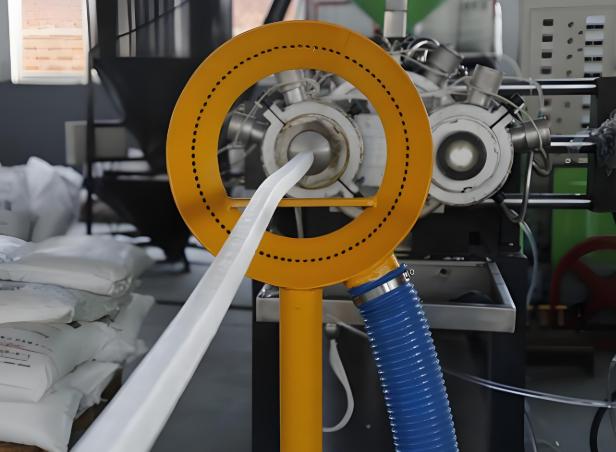
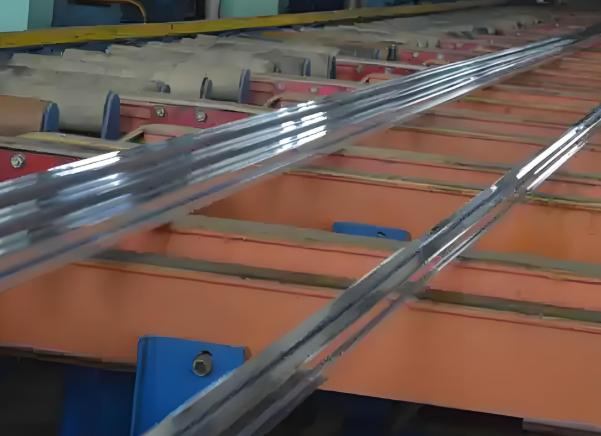
Extrusion molding is a process by which plastic, metal, or some other material is melted and softened by heating and then continuously passed through a die to form products with a uniform cross-sectional shape. It can be best utilized to form long or pipe-like articles such as pipes, profiles, rods, and sheets.
In extrusion, plasticizing takes place and the material is forced through the die in a uniform manner to achieve the desired cross-section. The final product is formed after solidification and cooling. High production efficiency, proper utilization of material, and precise control over the cross-sectional shape of the product are offered by the process.
Injection Molding:
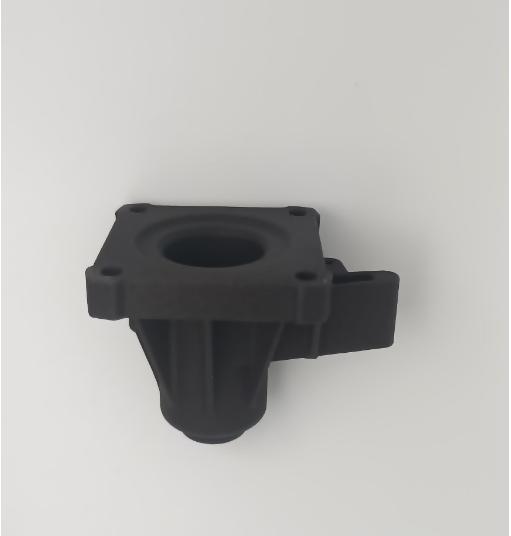
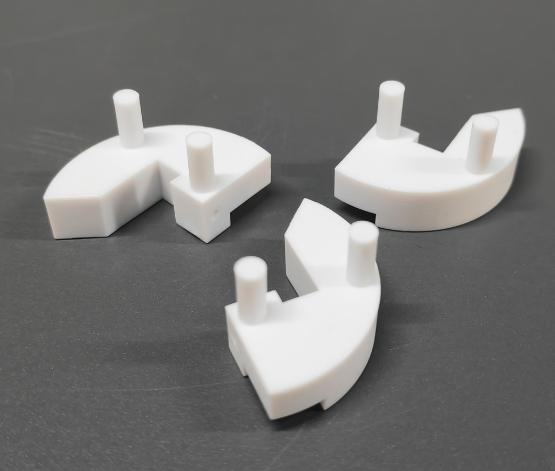
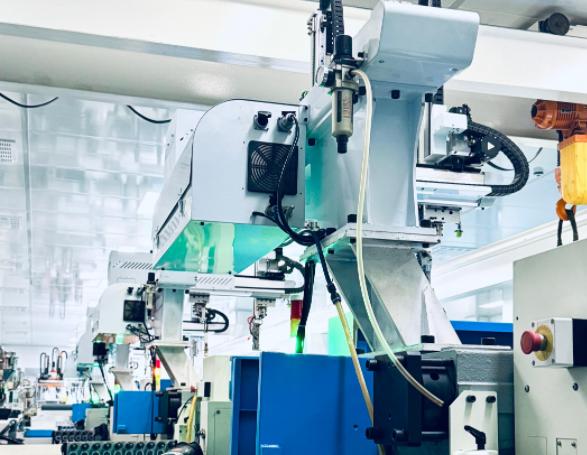
Injection molding is the melting of the plastic in molten form and forcing it into a closed mold cavity under pressure. It’s solidified and cooled, and the molded item is forced out. It’s most useful to make complicated high-precision pieces with smooth surface finish such as gears, housings, and precision connectors.
Injection molding enables mass production capacity, and through mold shape modification, different shapes and applications can be created. Injection molding benefits comprise fast cycle time for production, high reproducibility, and mirror-skin surface finish.
Part 2. Extrusion Molding vs Injection Molding: Comparative Analysis
Extrusion and injection molding are two most common manufacturing processes, each with its own distinctive characteristics, merits, and demerits. The following comparative overview outlines their key differences:
Product Shape:
Extrusion molding is optimum for producing long, continuous parts of uniform cross-section such as tubes, rods, profiles, and cable sheaths. Extrusion molding is suitable for those parts whose shape of the cross-section is uniform in length.
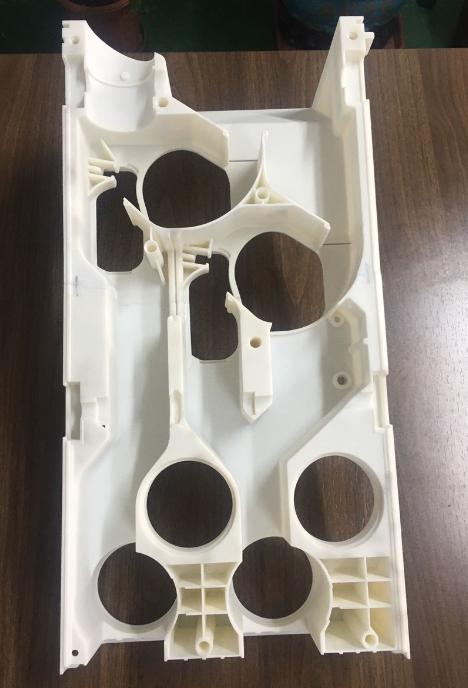
Opportunities in complex three-dimensional shapes, extremely fine details, and undercuts or hollows can be exploited by injection molding. Injection molding is best for those parts with precise dimensions and some functional details in multiple directions.
Process of Production
Extrusion is a continuous process, material being continuously fed, melted, and pushed through the die to produce the product. It is thus highly efficient in the production of long runs and low downtime.
Injection molding is batch production. One mold cavity produces one part per cycle, and multiple cycles are utilized to achieve high volumes. This production is optimally suited for repeated, uniform production of complex parts.
Material Compatibility
Extrusion has typically been employed to process a wide range of thermoplastics such as PVC, PE, and PP and metals such as aluminum and elastomers such as rubber. These should have the ability to flow continuously through the die without significant flawing.
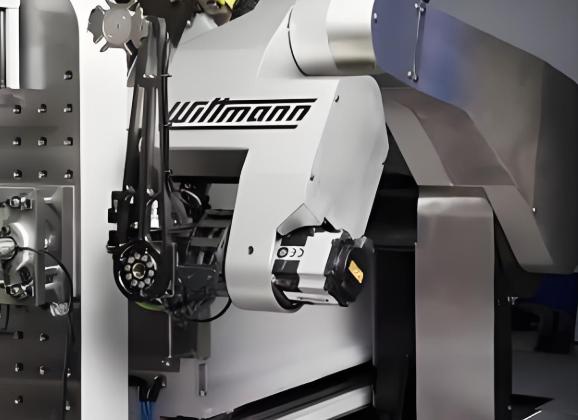
Injection molding is applied for more technically demanding plastics such as ABS, Nylon, PC, PP, and composites, typically requiring precise thermal control and high-pressure injection to create complex details and high dimensional tolerances.
Common Applications:
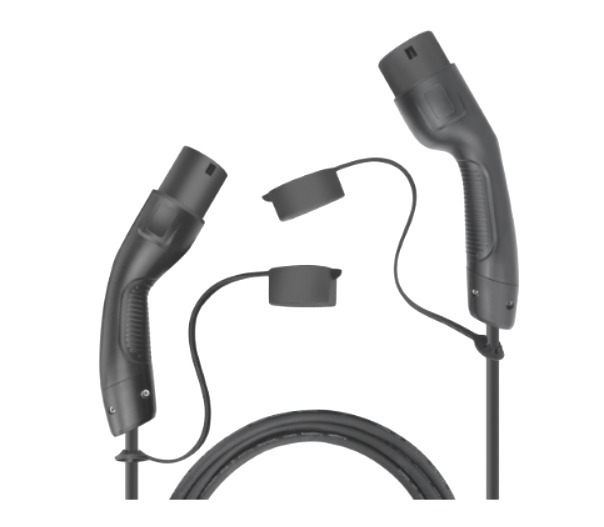
Extrusion is generally used for functional, long products such as pipes, profiles for building construction, window frames, and cable sheaths.
Injection molding is used to the components of high precision and intricate geometry, e.g., housing, gears, connectors, caps, and medical equipment. Injection molding is also utilized on consumer items where surface quality of finish and appearance are of prime importance.
Advantage:
Extrusion offers mass production, lesser material wastage, simpler mold design, and lower initial mold cost, which is cost-effective for long, uniform products.
Injection molding provides the ability to create very complex, detailed shapes with high accuracy and an excellent surface finish. Injection molding can be used for mass production with repeated quality and allows multifunctional designs with incorporating features like threads, snap-fits, or hollow cavities into a single part.
Limitations:
Extrusion is not readily able to create intricate 3D geometries or varying cross-sections, and tight dimensional tolerance along the entire product length could prove difficult.
Injection molding would tend to raise mold cost, setup time is longer, and there is a cooling time for every part, and this can be time and cost-consuming.
Scale of Production
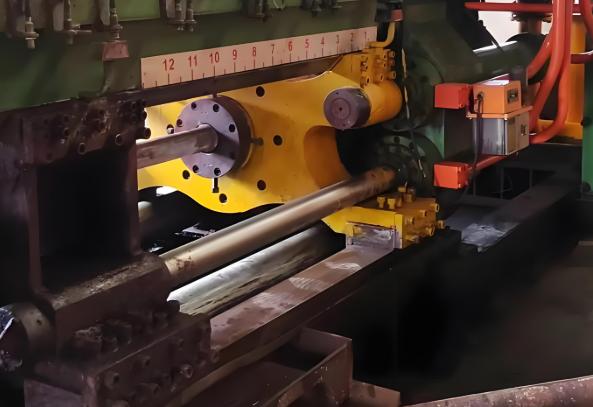
Extrusion is appropriate for small, medium, and large volume production but best accommodates long-run continuous production. Injection molding is best suited to large volume production where the up-front mold investment of high cost is made up for by the volume of parts being manufactured.
Surface Finish and Appearance
Extruded parts are intermediate surface finish, usually requiring secondary finish where cosmetics are a major factor. Injection-molded parts can produce high-quality smooth fine detail surfaces without post-process treatment and reduce post-process activity.
| Feature | Extrusion Molding | Injection Molding |
| Product Shape | Long, continuous, fixed cross-section | Complex 3D shapes, intricate details, hollow/undercut features |
| Production Method | Continuous process, high efficiency | Batch process, mold cavity produces one part per cycle |
| Materials | Plastics (PVC, PE, PP), Aluminum, Rubber | Plastics (ABS, Nylon, PC, PP), Composites |
| Typical Applications | Pipes, profiles, window frames, cable sheaths | Housings, gears, connectors, caps, medical devices |
| Advantages | Continuous production, low material waste, easy molds, low initial cost | Complex shapes, high accuracy, fine surface finish, multifunctional features, consistent quality for mass production |
| Limitations | Constrained to simple geometries, precision in cross-section limited | High mold cost, long initial setup, higher cycle time per part |
| Production Scale | Ideal for small to large runs, exceptional continuous manufacturing | Ideal for high-volume manufacturing, cost-effective at scale |
| Surface Finish & Appearance | Moderate, possible secondary finishing | High-quality, smooth surfaces, fine details attainable directly from mold |
Part 3. How to Select the Correct Manufacturing Process
Selection of the appropriate manufacturing process rests on a number of factors such as product shape, complexity, production scale, material properties, and surface requirements. Here is a step-by-step guide:
1. Product Shape and Complexity
Simple, long, same-size pieces: If the piece is of a permanent, consistent cross-section, such as pipes, rods, or profiles, the extrusion molding will be most likely best. Its continuous process actually ends up with long pieces of the same size.
Finer details and complex shapes: For more complex shapes, hollow pieces, undercuts, or finer functional elements, injection molding is ideal. It can accommodate three-dimensional complexity and finer details not within reach in extrusion.
2. Scale of Production and Cost
Small-scale manufacturing or pilot lots: Extrusion will be cheaper in initial setup fees and less complex molds and thus is cheaper for small-scale manufacturing or pilot lots.
Mass production: Mass production is cost-effective for large-scale production. The original mold is more expensive to buy, but the cost per-part is lower in the case of bulk production and provides high-speed cycle time and consistent quality.
3. Material and Performance Requirements
Extrusion: Suitable for a range of thermoplastics like PVC, PE, PP, and a few metals like aluminum. Suitable for functional parts where mechanical strength, flexibility, or continuous length is sought.
Injection molding: Suitable for high-performance plastic materials, composites, and thermally stable materials. It can produce parts with better strength, dimensional integrity, and complex functionality that cannot be achieved through extrusion.
4. Surface Precision and Appearance
Injection molding: Best for parts that require high dimensional accuracy, good surface finish, and aesthetics. Injection molding is used extensively in consumer items, precision components, and items where appearance counts.
Extrusion: Primarily focused on function, and the surface finish will typically be average. Extrusion may have secondary finishing applied to it, but extruded parts are often used in applications where appearance is not a major factor.
Part 4. The Significance of Choosing a Professional Manufacturer
Working with an experienced manufacturer has the potential to increase production efficiency, product quality, and general reliability substantially. An experienced manufacturer should offer:
State-of-the-Art Extrusion and Injection Equipment: Newly machined equipment ensures consistent performance and tight dimensional tolerances.
Full Mold Design and Production Facilities: Mold design specifically for the given application is the key to the achievement of precise shapes, fine details, and reproducible results.
Strict Quality Control Systems: Thorough inspection and testing at each stage ensure product quality and minimize defects.
Professional Engineering Support: There is a professional team that can provide guidance on material usage, process optimization, and design optimization.
By partnering with a professional manufacturer, business organizations can eliminate production risk, make high-precision, accurate products, and save money and time in the long run.

Summary: KENENG Injection Molding Service, Your Precision Partner
Both injection and extrusion molding have their own strengths and the proper application.
- Extrusion Molding: Ideal for long, drawn-out parts having simple cross-sections. It offers inexpensive production, minimum wastage of material, and efficient extended-run production.
- Injection Molding: Ideal for complex, high-precision, and high-volume parts. Although it comprises higher initial investment in machines and molds, it offers high productivity, high surface finish, and consistent quality.
The key to selecting the best process is to consider product design, production volume, material properties, and surface or aesthetic features. In modern manufacturing, process integration or working with experts can allow businesses to find the ideal balance between quality, cost, and efficiency.
For example, injection molding solutions provided by KENENG , offer high-precision, reliable production of complex components with the help of advanced equipment, skilled engineers, and strict quality control measures to allow businesses to achieve efficiency as well as product excellence.