How to Choose a Custom Plastic Injection Molding Service?
Plastic injection molding plays a pivotal role in modern manufacturing, producing precision components at scale with superior stability and high precision. From consumer electronics housings and automotive functional parts, industrial components, medical device enclosures, and consumer device housings, finding a reputable custom plastic injection molding service provider is critical to successful mass production.
But with such a diverse market of suppliers offering different technical capabilities, quality standards and pricing structures, many companies find it difficult to select their preferred supplier, leading them down paths of mold rework, inconsistent product quality, budget overruns and delayed delivery schedules.
This guide will help you clearly understand how to choose a custom plastic injection molding service, what key factors you must evaluate, and how to avoid common sourcing mistakes. Here we go!
Part 1. Why is Choosing the Right Injection Molding Manufacturer So Important?
Injection molding is not just about producing parts, it is a complete, highly integrated manufacturing process that involves:
Product design
- DFM (Design for Manufacturability) analysis
- Mold design and fabrication
- Resin material selection
- Injection molding production
- Secondary processing (painting, texturing, silk printing, assembly, etc.)
- Inspection and mass-production stability control
A problem in any of these stages can lead to:
- Dimensional deviations that prevent proper assembly
- Surface defects such as poor texture, short shots, or flow marks
- Short mold lifespan, resulting in higher long-term production costs
- Multiple mold trials or rework that delay the project timeline
- Poor batch consistency and significantly increased rework costs
Therefore, choosing a professional, reliable injection molding manufacturer with full-process capabilities can greatly reduce project risks and ensure successful mass production.
Part 2. Key Factors to Consider When Choosing a Custom Plastic Injection Molding Service
So, how to choose a custom plastic injection molding service?
To ensure that the project is executed smoothly to minimize the chance of rework, and to ensure optimal performance of the product, we’ve listed nine key factors that can assist you in determining if the manufacturer of injection molding is trustworthy and is worth developing long-term relationships with.
1. Capacity for Production (Machine and Capacity)
The first thing to consider is that when selecting injection molding suppliers, production capacity should be the most important factor to consider.
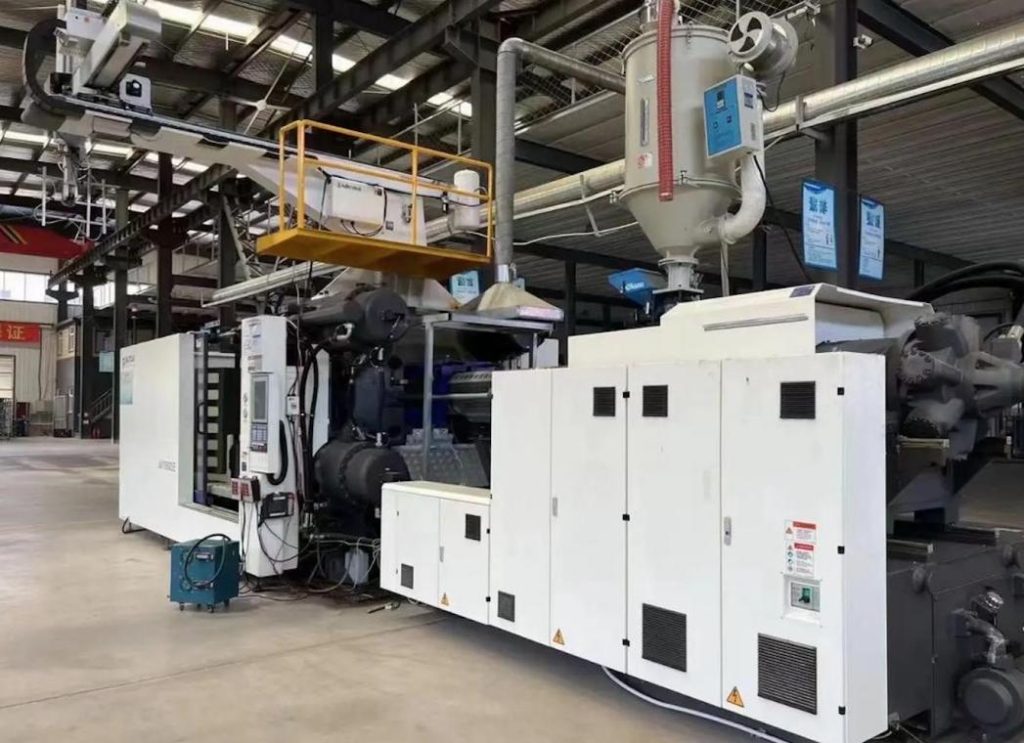
Trusted suppliers offer a vast selection of machines that can clamp forces ranging from 800T to 500T or more. They can manufacture anything from tiny precision parts to more substantial structural parts. An in-house mold workshop equipped with CNC, EDM, and milling machines, in conjunction equipped with production lines that are automated ensures consistent quality and maximum efficiency.
2. Material Knowledge
Different applications require unique material properties, making material knowledge an indispensable asset.
Professional suppliers understand the characteristics of ABS, PC, PP, POM, PA, TPU, TPE engineering resins as well as other engineering resins like ABS, PC, POM, PA, TPU, TPE used in automotive, medical, consumer electronics industrial industries as well as providing certifications such as ROHS, REACH, FDA, UL94, etc.
Material selection affects wall thickness, mold design, part strength and defect risk; finding a supplier with expertise in material engineering may prevent issues like warping, shrinkage and cracks from cropping up.
3. Engineering & Design Support
Evaluation of engineering support when considering injection molding suppliers is of utmost importance. Competent suppliers provide DFM (Design for Manufacturability) reports, optimize wall thickness, suggest appropriate draft angles, recommend gate and parting line positions, as well as offer solutions to address common defects like sink marks, warpage, air traps and weld lines.
An experienced engineering team can significantly cut mold trial iterations times, speed up project timelines and save costs.
4. Mold Making Capability
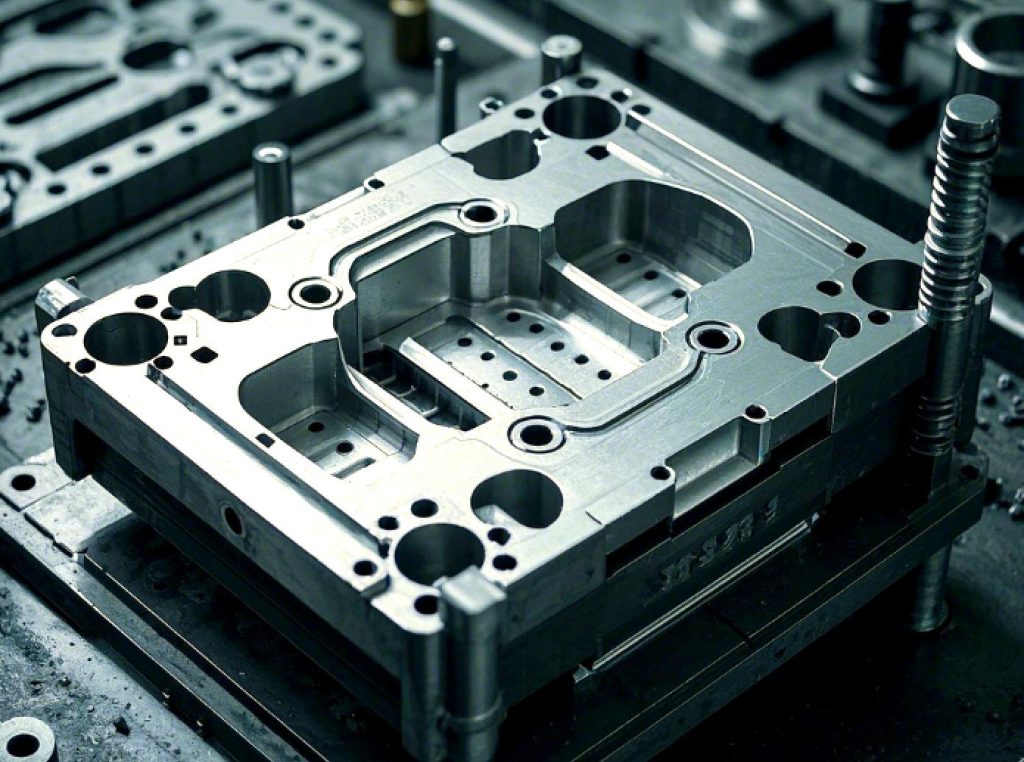
Quality mold manufacturing capabilities can determine up to 80% of any project’s success, evaluating supplier mold manufacturing capabilities essential. High-quality molds should use appropriate steel grades such as P20, 718, NAK80 or H13 and be designed according to your required mold life, from 100k shots for prototyping up to millions+ shots needed for mass production.
Professional mold makers specialize in optimizing cooling channels, exhaust design and weld line control to provide T0, T1, and T2 sample runs. A well-designed mold ensures fewer modifications, faster trials, longer mold lifecycle and consistent part quality.
5. Quality Control System
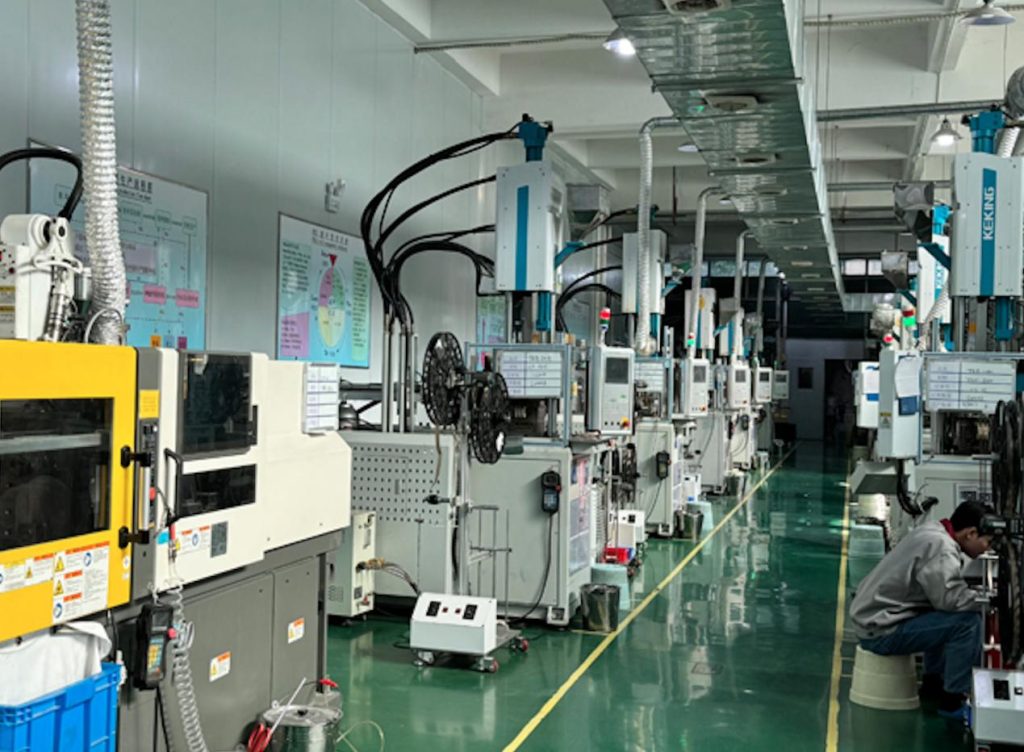
The consistency of the injection molding. The most reliable suppliers usually adhere to ISO 9001 and maintain complete inspection equipment, including calipers, height gauges vision measuring systems, as well as CMMs.
They also adhere to strict QA procedures, which include IQC, IPQC, FQC as well as OQC. A provider that is able to provide steady quality for the long haul can reduce risks in rework, customer complaints. This makes them a reliable long-term supplier.
6. Lead Time & Production Efficiency
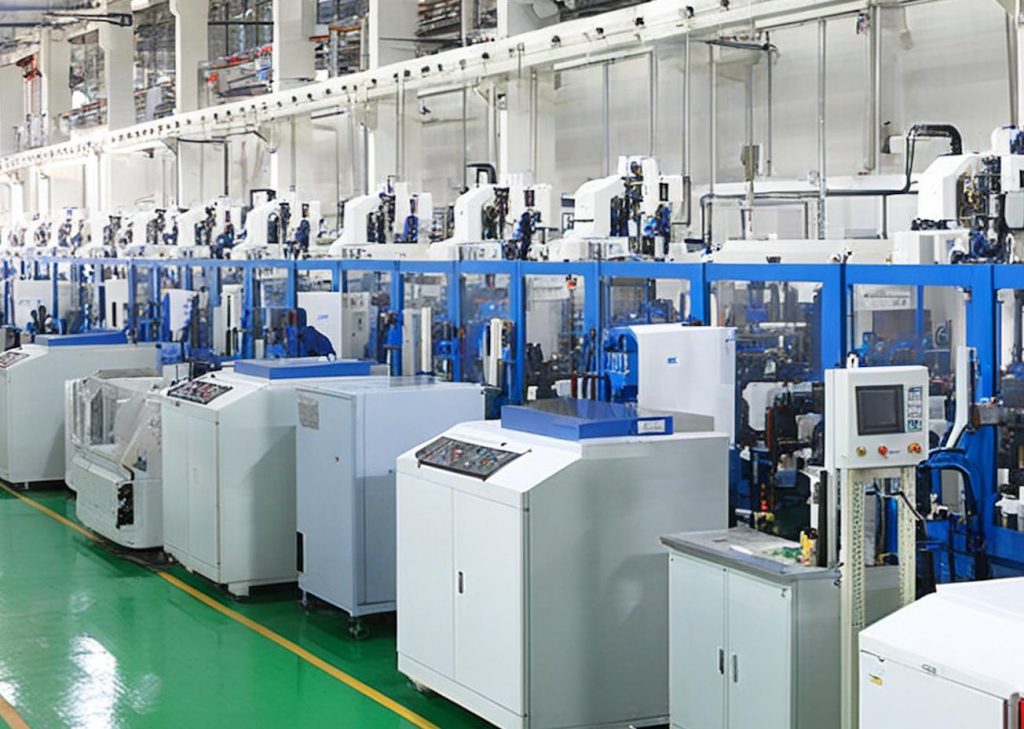
Lead time includes both mold manufacturing time (usually 15–45 days) and mass production cycles. Automated production lines that support 24-hour operations can greatly improve efficiency and shorten delivery time without compromising quality.
Professional suppliers provide clear production schedules and can prioritize urgent projects, ensuring timely and predictable delivery.
7. Cost Transparency
A transparent cost structure is a mark of professionalism and integrity in any organization. Injection molding costs usually consist of mold fees, per-unit production cost, raw material cost, secondary processing (such as spraying, printing or laser engraving), packaging and shipping fees as well as final assembly charges.
Reliable suppliers clearly explain each cost item rather than offering low initial prices but adding unexpected charges later. Transparency helps clients manage budgets effectively and prevents project disputes.
8. Communication Efficiency & Service Capability
Communication plays an integral part in project progress, particularly for international customers. A reliable supplier must respond within 12-24 hours with strong English technical communication and dedicate project managers who offer proactive engineering recommendations as opposed to simply carrying out instructions.
Communication plays an integral part of project success, as any miscommunication or delays could lower project success rates significantly.
9. Industry Experience
Suppliers who possess industry experience understand sector standards, certification requirements and structural design features in their specific industries. From medical devices and components, smart home devices, industrial parts or consumer electronics, experienced manufacturers know which challenges lie in wait when producing these devices or parts, and how best to overcome them.
Selecting a supplier familiar with your industry ensures fewer trial-and-error cycles, faster project delivery times, and higher first-time success rates, saving both time and cost.
Part 3. Key Questions You Must Ask Before Choosing an Injection Molding Supplier
When evaluating potential suppliers, you can directly use the following checklist to screen their capabilities and professionalism:
1. What injection molding machines do you have, and what is the tonnage range?
This reveals whether the supplier’s equipment matches your part size, complexity, and production volume.
2. Are molds designed and manufactured in-house? What is your mold design capability?
An in-house mold shop ensures better quality control, faster communication, and quicker modifications during mold trials.
3. What plastic materials can you process? Can you provide material certificates?
This is crucial for parts requiring specific mechanical strength, heat resistance, or compliance (FDA, RoHS, UL, etc.).
4. What quality control processes do you follow? Can you provide inspection reports?
Professional suppliers should offer dimensional reports, first article inspection (FAI), and ongoing quality tracking records.
5. What are your lead times for mold production and mass manufacturing?
Clear timelines help you plan the launch schedule and prevent unexpected delays.
6. Can you share case studies or examples of similar projects?
Past experience with similar materials, structures, or industries greatly reduces risk.
7. Do you support secondary operations and assembly?
Processes like painting, texturing, silk printing, ultrasonic welding, and assembly allow you to consolidate outsourcing and improve efficiency.
8. Is your quotation all-inclusive and transparent?
Confirm whether the price covers mold cost, material cost, processing cost, secondary operations, packaging, and logistics.
This expanded checklist helps you quickly distinguish truly professional manufacturers from inexperienced suppliers, ensuring a smoother and more reliable sourcing process.
choose custom injection molding service
Part 4. Which Factors Determine Injection Molding Cost?
Injection molding costs depend upon a range of technical, material, and production factors that include:
Complex Part Geometries and Processing Needs: Parts that feature complex geometries, deep undercuts, thin walls or tight dimensional tolerances require more sophisticated mold design and processing services – increasing costs significantly.
Material of Mold and Expected Life-Steel: molds of high quality with long lasting multi cavity designs may cost more upfront but will reduce rework and production issues over time.
Material Selection: Plastic costs can range greatly, with commodity plastics typically being relatively affordable while specialty resins like engineering plastics and specialty resins that provide heat resistance, flame retardance or FDA/UL approval can become much more costly.
Part Size and Injection Cycle Time: Larger parts or longer molding cycles require additional machine usage time and energy use, increasing per-unit costs.
Estimated Production Volume: As production volumes increase, costs per unit decrease due to spreading out fixed mold investment costs across more units.
Secondary operations: Procedures like silk-screen printing, texturing assembly or welding with ultrasonics could add significant costs for labor, material and equipment costs.
Specific tolerances and quality requirements: More precise tolerances, critical dimensions or requirements for cosmetic surfaces could require additional quality checks or mold modifications that add the cost.
Since prices can differ based on the particulars of the project, it is essential to be sure to provide specific technical specifications and get a written quote from any vendor involved.
Part 5. Common Mistakes When Selecting Injection Molding Services
Many companies experience delays, cost overruns and quality issues as a result of making any of these common errors:
Focusing exclusively on finding the lowest prices
Extremely low quotes often signal compromises in material quality, design quality or manufacturing capability that will lead to higher defect rates, frequent rework requirements and higher overall costs.
Absenteeism in mold design capabilities
Poor mold design can wreak havoc with production by leading to unsteady production, dimensional deviations and surface defects that compromise assembly and product quality.
Avoiding DFM analysis
Without conducting an adequate DFM review, potential production issues like warping, sink marks or ejection issues could only become evident during trial runs, necessitating additional mold adjustments and delays.
Failing to verify the manufacturer’s actual production capabilities
Some suppliers subcontract mold production or design to third parties, without performing due diligence on them first. Failure to do so exposes you to risks of inconsistent quality, longer lead times and communication difficulties with these third-party providers.
Submitting large-batch validation samples without conducting small-batch validation
Launching full-scale production without first testing a small batch can result in widespread defects, costly rework expenses and delivery delays. Implementing small-batch validation helps identify potential issues early, saving both time and money over time.
Partner with KENENG for Reliable Custom Injection Molding Solutions
Selecting an injection molding factory requires extensive evaluation of their production capacity, engineering expertise, quality system and communication efficiency.
At KENENG, we excel in every key area you need to consider:
- Advanced production and mold-making capabilities
- Professional design and engineering support
- Rigorous quality control systems
- Transparent cost structure
- Extensive industry experience
- Fast and reliable communication
By partnering with KENENG, you can reduce total costs, improve product quality, and shorten your time-to-market. Let us be your trusted injection molding partner for reliable, high-performance solutions.