Large Part Injection Molding Guide: Advanced Techniques for Reliable Manufacturing
In the automotive, industrial equipment, logistics, and infrastructure sectors, large plastic parts are being used more extensively than ever. As product dimensions continue to increase and structures become more complex, traditional injection molding experience alone is no longer sufficient to meet manufacturing requirements. Injection molding large parts has therefore evolved into a highly specialized manufacturing field, demanding exceptional capabilities in equipment, mold design, and process control.
Here, we will provide a systematic overview of the definition, application scenarios, technical challenges, and proven manufacturing solutions for large injection-molded parts, helping engineers and procurement professionals gain a comprehensive understanding of this advanced molding process.
What is Injection Molding Large Parts?
Injection molding of large parts means that a high-tonnage machine, along with a specialized mold, is used to produce an integral part, keeping in view its large dimensions, heavy weights, and structural complexities by means of a single shot of an injection molding machine. The use of the process is mostly seen in parts that demand high structural requirements, accuracy, and stability of parts.
Normally, a plastic part can be classified as a large injection molded part if it fits one or more of the criteria below:
- Single parts’ weights are usually at least 5 kg in value, with individual parts in industrial equipment having weights in the range of tens of kilograms.
- Entire length or width ≥ 1000 mm – Both extended travel and capacity are necessary.
- High demands for structural strength, dimensional stability, and assembly precision
- High clamping forces and injection pressures, which facilitate complete cavity fill, are needed in production processes.
If compared to conventional injection molding parts, it can be determined that there are greater challenges in terms of material flow balance, part size molding, molding tooling, and part warpage in large part injection molding.
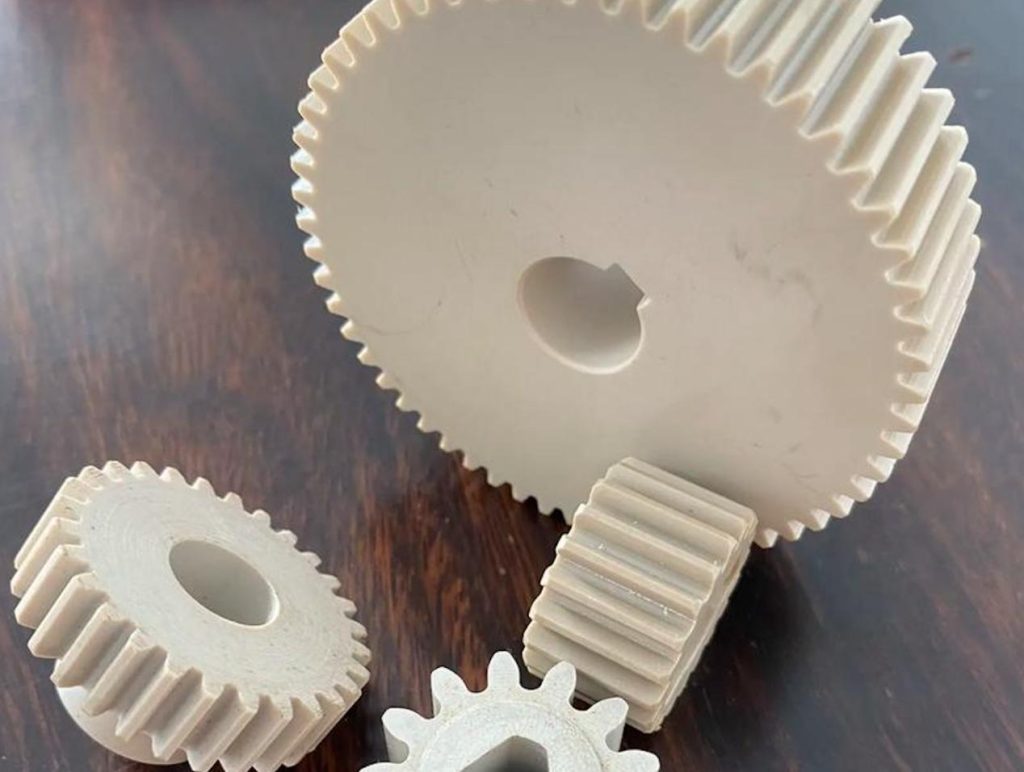
Typical Application Areas of Large Injection-Molded Parts
Large structural parts produced by injection molding are common across various industries where structural strength, unusually large size, and uniformity are significant requirements.
Automotive and Transportation
For the category of automotive and transportation products, the sector uses parts that are injected in large pieces. These pieces often range from exterior and functional pieces, in addition to providing support for bumpers. There are also the battery compartments and panels in such products as commercial and special vehicles.
Industrial Equipment and Machinery Housings
Large injection molding parts play an extremely vital role in machinery used for making industrial equipment parts such as enclosures for industrial control cabinets, protective covers for equipment, and frames for automation systems. These parts require structural integrity together with surface quality requirements.
Logistics and Warehousing Systems
Large plastic parts processed through injection molds are used in various industries. Large plastic parts are used for plastic pallets, turnover boxes, and storage containers. Such plastic parts should possess good load-carrying capacity, wear resistance, and quality to ensure good manufacturing.
Construction and Infrastructure
The field of construction and infrastructure is embracing ever-larger injection-molded components for use in housing civic facilities, weather-resistant panels, covers, and modular components used in building structures.
Core Technical Challenges in Large Injection Molding
In addition to this, there is a field related to plastic injection molding known as “large injection molding.” In this type of molding, plastic is molded to have a larger size, a larger weight, and a complex structure; therefore, there is a requirement to address special technical problems. In obtaining a better material, there is a need to control equipment, mold, material flow, and cooling process.
High Clamping Force and Equipment Requirements
Parts with large sizes processed by injection molding processes need to withstand higher injection pressure during the filling and subsequent packing phases. For this purpose, high-tonnage injection molding machines with a capacity between 1,000 to over 4,000 tons are utilised for the injection molding process.
The rigidity of the injection molding machines, parallelism of the platens, and equipment stability affect the molding precision, surface finish, and product batch reproducibility.
High Complexity in Mold Design
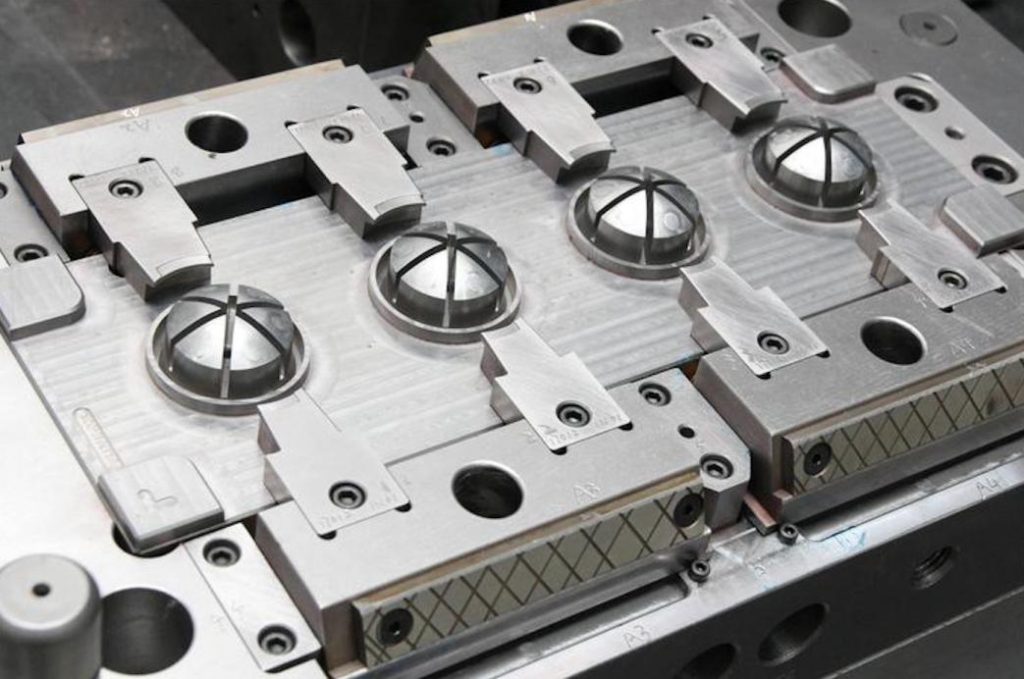
Mold design for large parts will also have a different complexity compared to regular parts. The molds for large parts may have several gates with complex designs. However, the molds have to have extreme properties regarding their strength and rigidity.
The size and weight of large molds are also important issues for their manufacturing. The molds may have any kind of defective design. The defective molds can affect the filling and forming of the large parts. The defective filling may cause unequal filling, and unwanted marks may appear.
Warpage and Shrinkage Control
Due to large overall dimensions and significant variations in wall thickness, cooling uniformity is difficult to achieve in large injection-molded parts. Uneven cooling can easily lead to:
- Warpage and deformation
- Internal stress concentration
- Dimensional deviations beyond tolerance
Controlling warpage and shrinkage is one of the most common, and technically demanding, challenges in large part injection molding.
Material Flow and Filling Challenges
Large parts require the molten material to travel the flow paths for a long distance; therefore, they will have much higher demands on material flowability, injection speed, and pressure control.
If the operating parameters are not set properly, or if the material is not suitably selected, this could lead to several molding defects, such as short shots, weld lines, or incomplete cavity filling, all of which would directly influence the structural performance and appearance quality.
Key Design Considerations for Large Injection-Molded Parts
The well-planned design of a product forms a backbone for successful production of large injection-molded parts. Optimization of design can improve product quality while at the same time minimize the complexity of design molds to decrease production risks. The considerations include:
Uniform wall thickness: Part components usually require a constant area thickness. This prevents warpage, sink marks, and internal stresses, in addition to increasing cooling efficiency and decreasing cycle time. Excessive part thickness is especially important if the part is excessively large.
Use of ribs in place of thick solid walls: The structure of reinforcing ribs can give ample structural strength to structures while avoiding thick solid structure, which can cause shrinkage, longer periods of cooling, and deformation.
Appropriate fillets: In addition, fillets should be smooth, whereby adding smooth transitions helps in minimizing stress concentrates, hence making or enhancing integrity but minimizing chances or cracking and warping after or even during molding.
Adequate draft angles: The draft angles must be provided to ensure proper ejection of parts made from molds, such as parts with complex shapes, and to avoid defects on their surfaces.
Design for Manufacturability (DFM) analysis: By conducting early-stage DFM analysis, it becomes easier for the designer to prevent any kind of filling, cooling, or deformation problems.
With appropriate consideration of these issues in the course of the product design, manufacturers can tremendously enhance the dimensional stability and reduce defects and imperfections while producing superior large injection molded parts.
Common Materials Used for Large Injection-Molded Parts
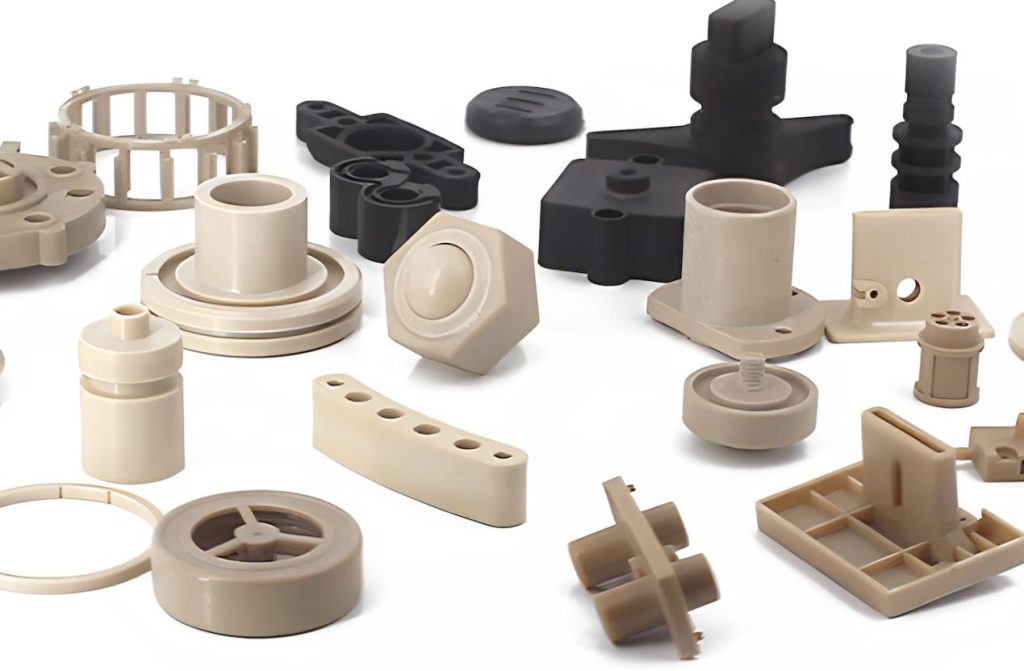
The materials selected in a large injection molding process are very important, as they can influence such aspects as flowability, mechanical characteristics, weight, costs, and manufacturing ease. Commonly, the following materials can be selected in a process:
PP (Polypropylene): PP is lightweight yet economical, which makes it an appropriate option for areas wherein weight reduction and chemical properties need to be considered. PP makes for an appropriate option due to its good flowability for large geometries with moderate complexity.
HDPE (High Density Polyethylene): HDPE, being one of the most impact and chemically stable materials available, is widely used for containers and parts intended for frequent handling.
ABS (Acrylonitrile Butadiene Styrene): Its properties are balanced in structural performance and smooth surface finishing, making it an appropriate material for use in components that need structural performance as well as smooth surface finishing, such as automotive parts in the interior of the
PC/PC-ABS Blends: Rugged, impact resistant, with good strength, dimensional stability, and good resistance to extreme temperatures, used to make product enclosures or for parts that withstand stress, such as automotive parts.
Glass-filled Plastics: GF reinforced materials are used during applications that require structural rigidity in addition to stability. The use of glass fiber reinforced materials improves strength, thus aiding in the reduction of warpage; however, it can also result in increased mold complexity during the molding process.
In choosing the material to be used in the production of parts in an injection molding process to manufacture big products, the ease of flow, the physical characteristics of the material, the weight as well as the associated costs have to be considered.
Key Quality Control Considerations for Large Injection Molding Parts
Quality control is significant at every stage of the overall manufacturing process for large injection-molded items. Some of the key issues include:
Mold trial & small batch validation: The mold should undergo trial runs & small batch testings before taking on full-scale production to see to it that parts are filled adequately & to examine other aspects that could see defects & necessary modifications.
Critical dimensions stability checks: In machine parts, especially larger dimensions, there is a high possibility of warpages and shrinkages; therefore, it is necessary to compare the dimensions periodically to ensure they are stable and as per the specifications.
Surface appearance and internal stress monitoring: Visual inspection, in addition to any potential non-destructive testing, may reveal sink marks, weld lines, blemishes on the surface, and/or any stress in the material.
Consistency management between batches of production: Consistency of process parameter values, raw materials, or mold state is important in order to achieve constancy of quality between batches of production by keeping detailed records or applying Statistical Process Control.
Continuous process optimization: After stability is attained, continuous process optimization of injection rates, pressure, cooling, and other factors is important in continuous processes to ensure high quality is sustained, thereby reducing scrap materials.
Stability and repeated accuracy in larger injection molded parts are more paramount than speed, as any changes in accuracy can greatly affect the final product’s performance.
Why Choose a Professional Large Injection Molding Manufacturer?
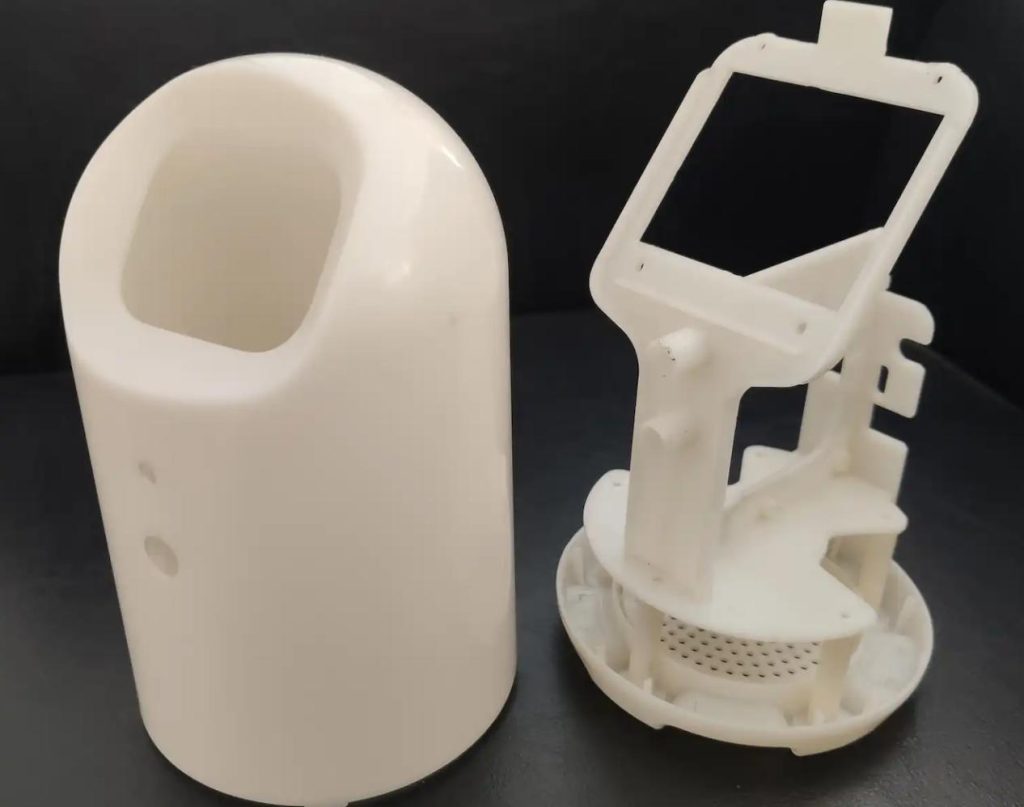
Large injection molding is not simply a scaled-up version of conventional injection molding. It requires manufacturers to possess specialized expertise, advanced equipment, and integrated capabilities. Choosing a professional manufacturer ensures both product quality and project efficiency. Key advantages include:
Extensive experience with large-scale projects: Experienced manufacturers understand the unique challenges of large parts, including warpage control, mold filling, and cooling balance, and can anticipate potential issues before production begins.
Comprehensive mold development capabilities: A professional partner can design, manufacture, and optimize large molds that meet both structural and aesthetic requirements, minimizing defects and reducing trial-and-error iterations.
Engineering and technical support team: Having access to professional engineers provides guidance throughout the entire process, from the selection of materials to the design of a part, to the optimization of the entire process, and more.
Design to mass production with one-stop integrated services: Professional manufacturers now can conduct design-for manufacturability analysis, prototype development, mold proofing, and mass production, which minimizes the complexity for customers to manage the whole manufacturing process.
Systematic control of cost, delivery, and quality: An experienced manufacturer can ensure quality, delivery, and cost control by controlling parameters, maintaining mold conditions, and using effective quality control.
A professional large injection molding manufacturer can recognize future potential risks in time, provide trustworthy solutions, and improve every step in the production process, so that customers can have confidence in the performance of their large injection molding pieces.
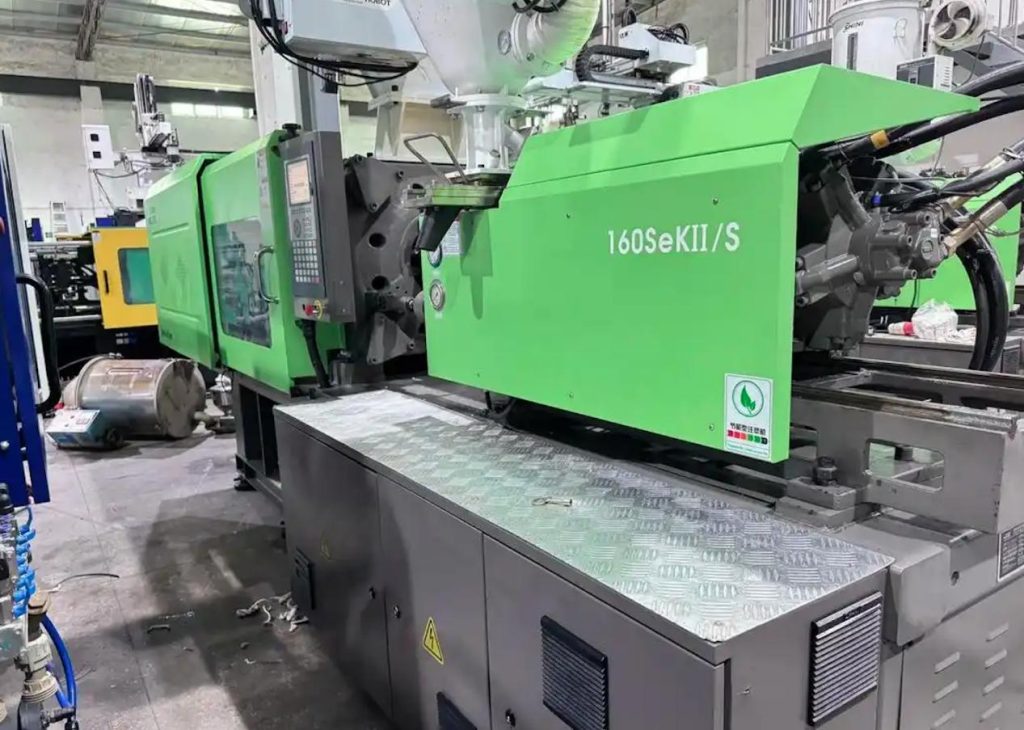
KENENG Large Injection Molding Services
Large injection molding is a very highly developed form of manufacture, and a seamless integration process itself involves very highly developed forms of design, mold work, equipment capacity, as well as process expertization. It does not only need very highly developed equipment but also a very careful consideration of materials, science, and manufacturing solutions.
KENENG with rich experience in large part injection molding, provides quality, stable, and reproducible plastic products, covering total services, including designing, developing, and producing our products to our esteemed valued customers.
To businesses looking forward to delivering successful outcomes, connecting a professional manufacturing company such as KENENG is a significant move towards attaining desired success in the search of large plastic parts.