Plastic Injection Molding Services for Agriculture Industry
With the advent of modern agriculture, along with the increasing trends of automation, agricultural equipment and systems are demanding more from the robustness, reliability, and economy of components. It is in such a context that plastic injection molding services for the agriculture industry have assumed the importance of a major manufacturing process in the agricultural equipment sector.
Plastic injection molding is widely used in agricultural equipment, irrigation systems, greenhouse equipment, and livestock production facilities due to its efficiency and ease of customization. Plastic injection molding offers a stable, reliable, and economical plastic component solution that is beneficial for the agricultural industry.

Why is Plastic Injection Molding Considered an Ideal Method in Agriculture?
Agricultural equipment is generally expected to work for long periods in harsh and intricate outdoor conditions. It is also very often exposed to direct sunlight, rain, humidity, soil, fertilizers, pesticides, and extreme temperatures, all putting a lot of demands on material properties and service life. In contrast to conventional metal parts, plastic injection molding has numerous overall benefits in agricultural applications.
Lightweight Design
With plastic injection molding technology, the component weight is reduced, along with enhanced strength and durability. This reduces the overall weight of the equipment, increases the efficiency of the unit, and increases flexibility when transported or used repeatedly, even when used with agricultural equipment.
Unmatched Weather Resistance
With suitable material selection and the optimization of formulations, plastics can last for a long time even when exposed to the environment with strong UV radiation. It can withstand high and low temperatures as well as resist aging.
High-Level Corrosion and Chemical Resistant Materials
Compared to metal components, plastic components have greater resistance to fertilizer and pesticide corrosion, water, and humid conditions. Corrosion problems such as rust cannot occur in plastic injection molded parts, which make them suitable for use in irrigation systems, spraying systems, greenhouse systems, and livestock production.
High Consistency Mass Production
Plastic injection molding is a quite mature technology with strong controllability. It is capable of volume parts production with high precision. This meets the requirements of modern agricultural equipment perfectly, large volume, standard parts.
Lower Overall Cost
When it comes to material and production efficiency, as well as maintenance and replacement, plastic injection molding has apparent cost-effectiveness. It is helpful for agricultural equipment suppliers to maintain good quality and effectively control costs.
Therefore, plastic injection molding of agricultural equipment has substantially emerged as one of the main processing technologies in the development of modern agricultural machinery. This is due to its ability to produce agricultural plastic components in a durable, reliable, and affordable manner.
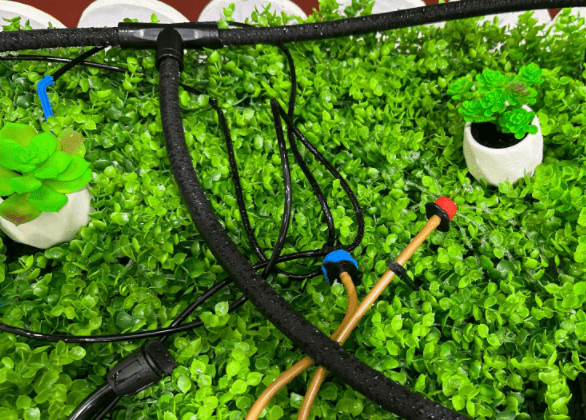
Common Plastic Injection Molding Applications in the Agriculture Industry
Specialized plastic injection molding services for the agricultural sector can help cater to a number of applications in agricultural equipment and systems with customized high-quality plastic parts. The applications in agricultural equipment, due to the tough environment in which they function, impose a number of set requirements in terms of strength, robustness, dimensions, etc.
These are some of the most common and important uses of plastic injection molding in the agricultural industry:
Agricultural Machinery and Equipment Components
Plastic injection molded parts are also extensively used in tractors, harvesters, seeders, and other agricultural farm equipment. These plastic parts find primary applications in making bodies, control panels, protective covers, handles, as well as other connection components.
These plastic parts need to have high mechanical strength, impact resistance, lightness, as well as high weather resistance.
Irrigation System Plastic Components
Present-day irrigation components involve plastic components produced through plastic injection molding. Examples of such plastic components include irrigation pipe fittings, irrigation valves, irrigation sprinklers, and irrigation filter housings. All these components demand high water resistance, chemical resistance, and leakages.
Greenhouse and Agricultural Environmental Control Systems
Injection molding with plastic materials can be well applied to greenhouse and environmental control system devices such as ventilation parts, sensor packaging, control unit cases, and structure support. The high accuracy requirement, water-resistance, and resistance to temperature and environmental aging are critical for environmental control.
Seeding, Fertilizing, and Harvesting Equipment Parts
Seeding machines, fertilizing equipment, and harvesters use a multitude of functional plastic parts, such as structural parts, protective parts, and friction-resistant parts, which are repeatedly subjected to vibration, friction, and impacts. Therefore, the toughness and structural design of the material used become essential.
Livestock Farming Equipment Plastic Components
In farm animal rearing, plastic injection molded parts are common in feeding systems, farm fencing accessories, protective guards, and various functional attachments. They have to be corrosion-resistant, easy to clean, safe for use by farm animals, and durable to withstand repeated washing and use.
The agricultural applications mentioned above require plastic components of a certain performance capability. It requires only those plastic injection molding service providers with certain experience in the agricultural sector to fulfill such needs. They are able to produce long-lasting as well as efficient solutions for agricultural equipment suppliers.
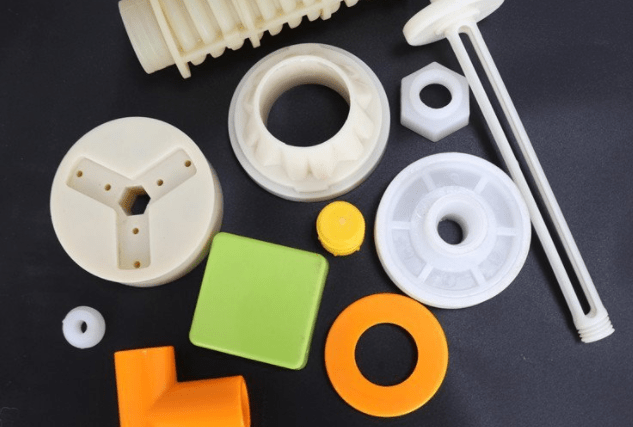
Most Common Materials Used in Agricultural Plastic Injection Molding and Their Advantages
In custom plastic parts used in agriculture, plastic injection molding materials have played an essential part in determining performance, strength, and lifespan. Agricultural applications entail the use of plastic materials that are capable of withstanding severe climatic conditions, chemicals, as well as considerable stress.
The list of materials used in custom plastic parts is as follows:
PP (Polypropylene)
Polypropylene has a superior ability to resist chemicals and water, making it very useful for irrigation system components, enclosures, and protection housings. Its lightweight character and good resistance to fatigue make it very useful in efforts to lower equipment weight and perform well in wet and chemical-rich places.
PE (Polyethylene)
It is well known for its strong flexibility, impact strength, and low-temperature resilience. This material is deemed to be most effective as an irrigation and fluid distribution piping and fitting, as well as a connecting and tubing material, especially in cold climates.
PA (Nylon)
Nylon for injection molding demonstrates good strength properties, superior anti-friction properties, and high resistance to abrasion. The uses of nylon are in making agricultural equipment parts that are load-bearing or functional in nature, such as gears, bushings, and braces. They are subjected to cyclic stress.
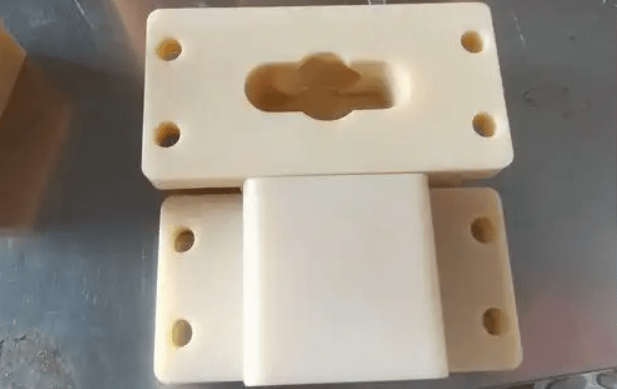
ABS (Acrylonitrile Butadiene Styrene)
ABS offers a favorable combination of strength properties along with a good surface finish. It has a wide range of applications where strength, as well as appearance, is required. The applications include control housings, control panels, control covers, agricultural equipment control systems, etc.
Glass Fiber-Reinforced Plastics and UV-Resistant Materials
Glass fiber–reinforced plastics and UV-stabilized materials are usually used in applications needing higher strength and rigidity as well as long-time outdoor service performance.
Due to the presence of glass fibers, the mechanical loadability improves enormously, including heat resistance, and UV aging resistance. These materials are perfectly suitable for carrying structural parts that may be exposed to sunlight and an aggressive environment.
Key Requirements for Plastic Injection Molding in the Agriculture Industry
As discussed in previous chapters, there have compared to general industrial uses, the requirements for plastic injection molded parts in the agriculture industry are much stricter because of the tough environment and long service cycles. The most essential requirements are as follows:
UV Resistance and Aging Performance
Farming plastic parts are consistently subjected to direct sunlight. High UV resistance is a crucial property to avoid any deterioration in material properties, colors, and brittleness.
High and Low Temperature Resistance
Agricultural equipment must operate in varying climates and seasonal conditions. Plastic injection molded parts need to maintain mechanical strength and dimensional stability under both high and low temperatures, avoiding deformation or cracking.
Resistance to Fertilizers and Pesticides
Frequent exposure to fertilizers, pesticides, and other chemicals requires plastics with excellent chemical resistance. This helps protect equipment integrity and ensures safe, stable operation in agricultural environments.
Impact and Wear Resistance
Many agricultural applications involve repeated use, vibration, and mechanical impact. Injection molded parts must offer sufficient toughness and wear resistance to withstand high-frequency operation without premature failure.
Long-Term Stability and Consistency
Consistent quality and dimensional stability are critical for equipment maintenance and part replacement. The injection molding technique must demonstrate repeatedly reliable results in large series of products, ensuring easy repairs.
Agri-based plastic injection molding technical services need to have the following needs in mind to ensure the delivery of tough and reliable molded products.
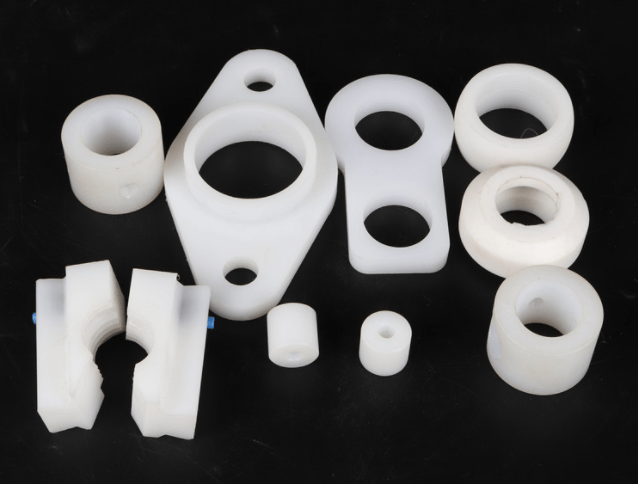
What are the Best Custom Plastic Injection Molding Services for Agriculture?
For catering to the specialized demands that agricultural equipment manufacturers (OEMs and ODMs) have, specialized plastic injection molding services for agricultural equipment and related agriculture plastic item manufacturers deliver end-to-end services for each phase of development and production. This includes ensuring that plastic parts are not only long-lasting and function as planned but are also helping in making production cost-effective.
Product Structure and Material Selection Support
Expert guidance on part design, material selection, and performance optimization ensures that components can withstand harsh agricultural environments, including exposure to UV, chemicals, moisture, and mechanical stress. This step is critical to balancing strength, flexibility, and cost-effectiveness.
Mold Design and Manufacturing
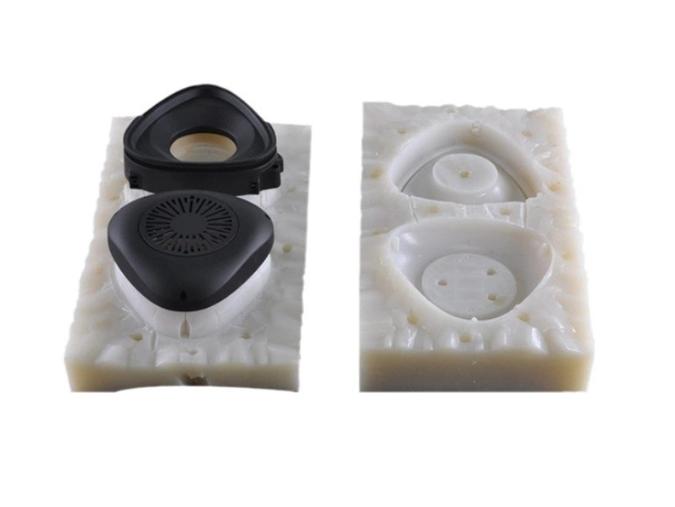
Custom molds are made to ensure correct dimensions, high repeatability, and long-lasting performance. In addition to this, advanced molding design technology enables the creation of molds with complicated shapes, undercuts, and functional features for agricultural equipment.
Prototype Development and Small-Batch Trial Production
Before entering mass production, prototypes and small-batch runs allow OEMs to validate designs, test material performance, and optimize assembly fit. This iterative process reduces design risks and ensures functional reliability in the final product.
High-Volume Stable Production
Once the design is finalized, the injection molding service provides consistent, large-scale production capabilities. Tight process controls and advanced machinery ensure uniform quality, dimensional accuracy, and efficiency, meeting the demands of large agricultural equipment programs.
Continuous Supply and Consistency Control
What agricultural OEMs need is long-term stability in supply and consistency from batch to batch. Professional services implement traceability, quality monitoring, and standardization of processes to ensure that components remain reliable throughout the lifecycle of the equipment.
This integrated, one-stop service model helps agricultural equipment brands develop products more quickly, reduce the risks in production, and enhance their market competitiveness by designing durable and high-performance plastic components for the most demanding agricultural operations of today.
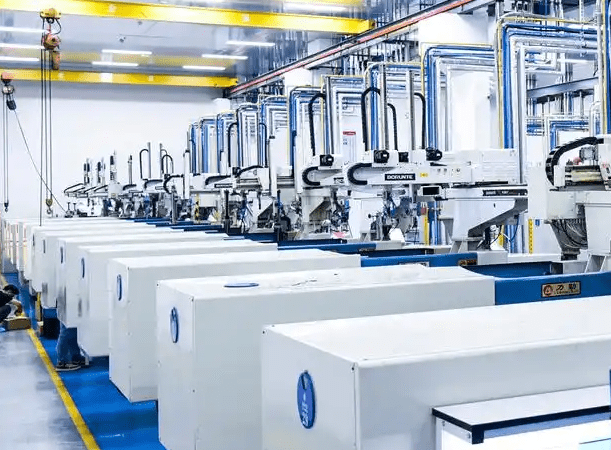
Quality Control and Standards for Agricultural Plastic Injection Molded Parts
The agricultural machine’s long-term dependability and proper functioning depend on the high-quality plastic injection molding process. The agricultural machine parts have to withstand harsh environmental conditions, mechanical forces, and chemical substances. These make quality control essential.
Quality control entails the following:
Raw Material Performance Testing
Before production, all plastic materials are thoroughly tested for mechanical strength, chemical resistance, moisture tolerance, UV stability, and thermal performance. Selecting the right material ensures that the parts can withstand the harsh conditions of agricultural applications.
Dimensional Tolerance and Assembly Accuracy Control
It is ensured that accurate dimensions and tolerances for each part enable a correct fit and operation upon assembly with other equipment components. This avoids failure in operation and facilitates smooth interfacing with complex agricultural equipment.
Aging and Weather Resistance Testing
Parts are subjected to accelerated aging, UV exposure, temperature cycling, and humidity tests to simulate long-term outdoor use. These tests verify that components retain their mechanical properties, appearance, and performance over time.
Batch Consistency and Traceability Management
To ensure quality in large-scale production, close monitoring of each production batch is mandatory. Also, traceability solutions enable quick identification of any problems so that they can be resolved.
It is imperative to have a quality management system that covers all such aspects if quality and successful, long-lasting performance are to be achieved in agricultural plastic components. This will enable manufacturers to have faith that their products perform optimally and are safe over their expected lifespan.
Summary
With the evolving technology in agricultural equipment, Plastic Injection Molding Services for the Agriculture Industry will become more integral in the production of agricultural equipment. Selecting a suitable injection molding company is a step in the process for the agricultural industry to obtain high-quality, reliable, and sustainable product development.
If the required plastic injection molding with a high level of reliability is intended for agricultural use, turn to professional custom injection molding. KENENG, being a qualified precision injection molding manufacturer, is ready to offer support to equipment manufacturers in the agricultural sector with plastic components of a high level of performance.