The Role of Custom Stamping Parts in Consumer Electronics
From the pleasing precision sound of laptop’s hinge, to an effortless, smooth construction of a phone and tablet, the users experience rests upon the foundation of tiny tolerances and impeccable materials. A crucial, behind-the-scenes manufacturing prowess which makes this kind of excellence possible is custom metal stamping. Custom stamping parts are the unnoticed structural and functional backbone of products we use day-to-day. This process of high-precision manufacturing isn’t just about making metal pieces, it’s about designing the micro-scale parts that allow for creativity, durability and style elegance.

Table of Contents
What is Custom Metal Stamping
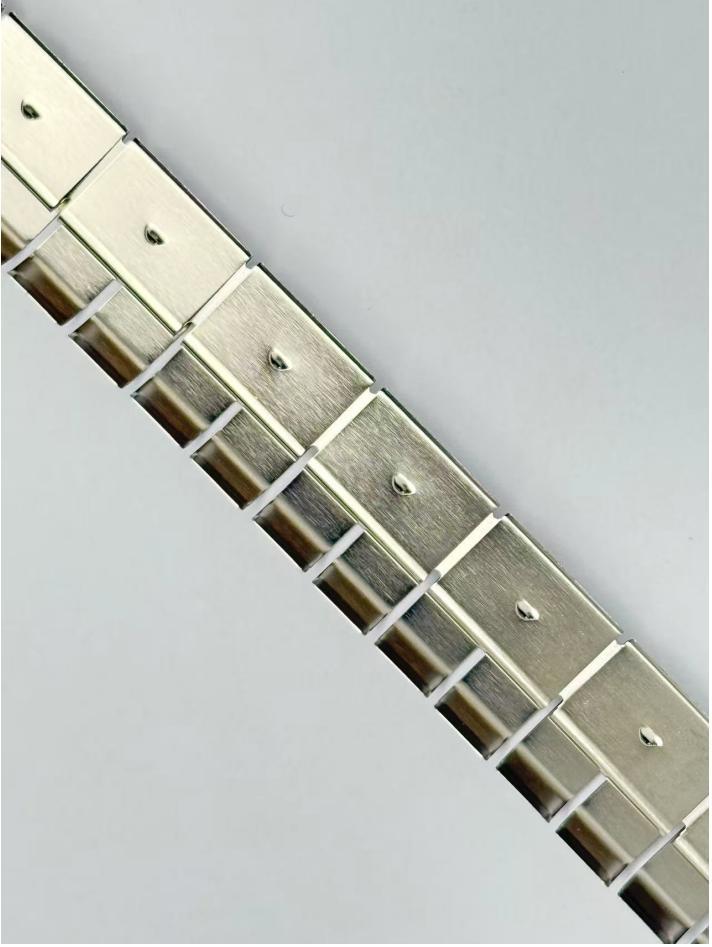
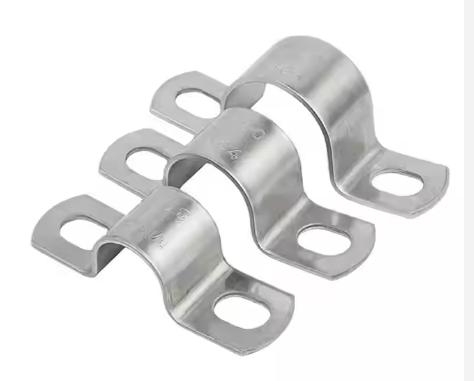
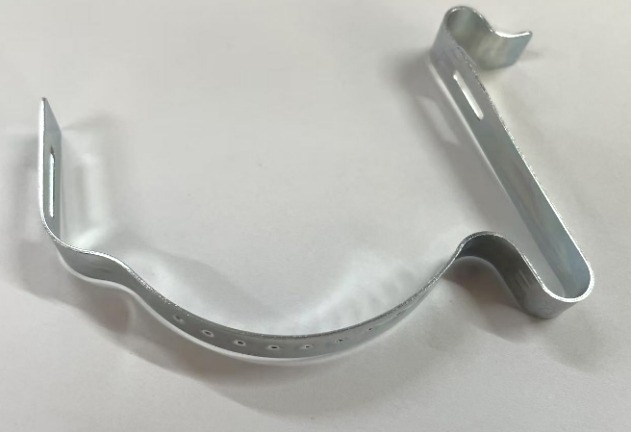
At its heart the process of custom metal stamping can be described as a production process that makes use of specially-designed presses and dies that transform sheets of metal flat into precise shapes, which are often intricate. Its customization means these components are created from scratch to meet the precise specifications of one electronic product. By using techniques like bending blanking, punching, and coining, manufacturers are able to create parts with incredible precision, repeatability and speed. For consumer electronics, custom metal stamping typically uses modern, corrosion-resistant material like:
- Stainless Steel: For durability and strength in chassis and brackets.
- Aluminium and Alloys: For a great combination of strength and light properties, it is often employed in heat sinks.
- Beryllium Copper: It is known for its superior conductivity and spring properties, it is ideal for electrical connections and connectors.
- Titanium: It is utilized in premium or high-stress situations where the highest strength-to-weight ratio is crucial.
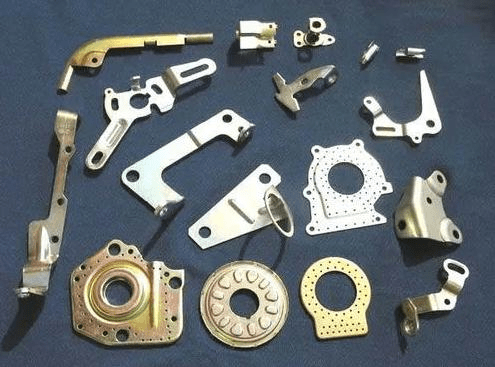
Why Custom Stamping Parts are Essential for Consumer Electronics
- Precision Manufacturing for Complex Components
Consumer electronics are constructed with high-performance components that have to perform flawlessly in a variety of situations. If it’s a phone, wearable device or gaming console accuracy is essential to ensure that the components are compatible and function exactly as they were intended to. Custom stamping plays an essential part in this process of precision manufacturing because it allows you to make parts that have extremely precise tolerances.
Connectors housings, switches, connectors and many other electronic components need precision, usually with micron precision. Any slight deviation from the plan could result in a malfunction or even failure of the whole device. Custom stamping offers the precision required to meet these stringent specifications, making sure that every component is perfectly integrated into its overall layout of device.
- Cost-Effective Production for High Volumes
In the field of consumer electronics production in mass quantities is a standard demand. Laptops and smartphones are manufactured in the millions each year and the cost of manufacturing plays an essential part in ensuring profitability. Custom stamping is among the most cost-effective options for production in high volumes.
After the dies have been designed and fabricated for a particular component, the process will quickly create thousands or even billions of similar components with little variations. This efficiency reduces the cost per unit which makes it a perfect option for companies looking to fulfill the demands for large quantities, while maintaining the highest quality standards. The capability to cut production costs without sacrificing quality of components is among the major reasons that custom stamping is so important in the electronics industry for consumers.
- Material Flexibility for Diverse Applications
Consumer electronics are varied in their uses and, consequently, the materials required to create those components which power them. From smartphones to wearables, the components that are used to make electronic parts need to be light, strong and strong enough to stand up to the heat and strain.
Custom metal stamping allows manufacturers the possibility of working with a variety of metals, such as copper, steel, aluminum and brass. These materials are perfect for a variety of applications in electronic consumer. For instance aluminum is often utilized for enclosures that are lightweight for tablets and smartphones as well as copper being the preferred material for heat sinks and connectors due to its outstanding electrical and thermal conductivity. Custom stamping permits the efficient transformation from these components into precisely-designed components required, which ensures that every component functions optimally in the device.
- Speed and Scalability for Rapid Production
The market for consumer electronics is booming and products are constantly evolving to keep up with the latest technology and trends. In this competitive market manufacturers must be able to increase production quickly and adhere to tight deadlines. Custom stamping is a great solution to this purpose, as it offers speedy production and flexibility.
After tooling and dies have been developed, custom stamping will be able to create parts at a quicker rate than others manufacturing methods. This speed allows manufacturers to adhere to tight production times and to quickly adjust to changing demands. It doesn’t matter if it’s a tiny print for a device prototype, or a massive production run of a mass-market product custom stamping can provide versatility and the speed necessary to stay ahead of the ever-changing electronic industry.
- Ability to Produce Complex Geometries
As electronic devices for the consumer become smaller and more rich in features, the components of these devices are also becoming more complicated. A lot of the components in today’s electronics require complex designs, cutouts or embossments that are hard to make by traditional machining techniques.
Stamping parts can be extremely useful when it comes to creating these intricate geometries. The process of stamping lets manufacturers create components that have fine detail like the tiny connections and housings for circuits used in smartphones or wearables. Tablets, too. The ability to create intricate designs that are not damaging strength or durability is one of the main reasons why custom stamping is a crucial procedure for electronic consumer devices.
- Consistency and High-Quality Standards
In the field of consumer electronics the quality of products is a must. Failure in a single component could impact the entire device and lead to malfunction or recalls and damage to brand image. This is why manufacturers need an efficient process that is able to consistently create high-quality components at a large the scale. Custom stamping is the best option in this respect, providing reliability and consistency across huge production runs.
After the tooling has been put installed, every part created using custom stamping is almost identical, making sure that the products produced meet the same standards of quality. This consistency is essential when making thousands or millions of components, since it ensures that each piece that is produced, whether it’s a structural frame, button, and even a connector is able to meet the same requirements for performance.
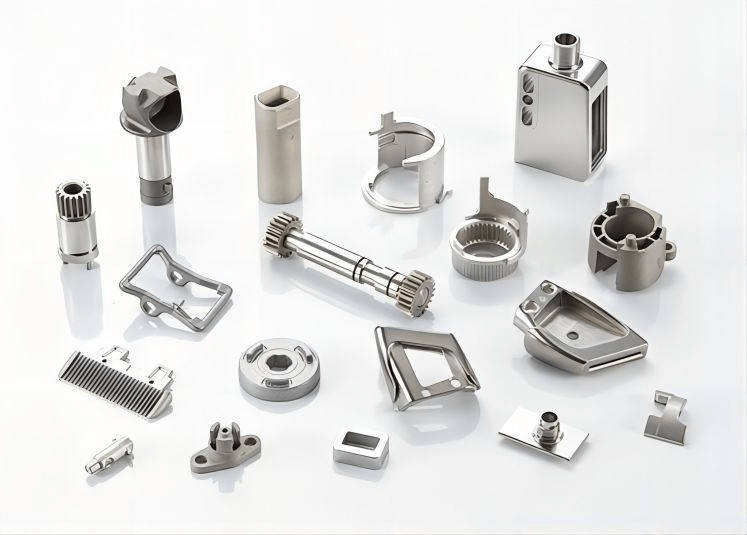
Common Applications of Custom Stamping Parts in Consumer Electronics
1. Connectors and Terminals
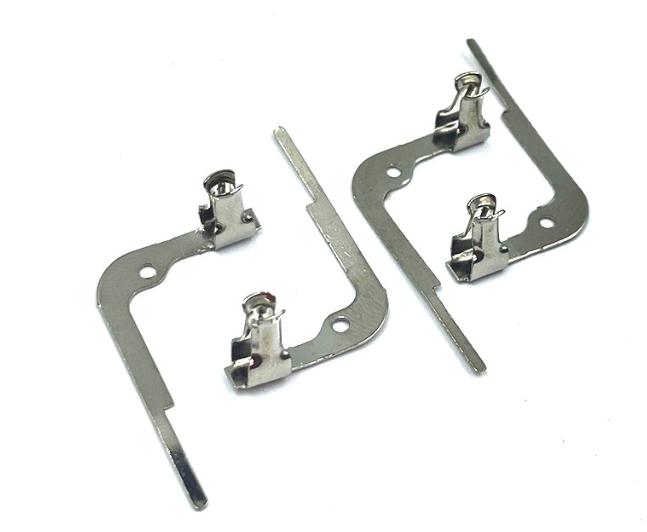
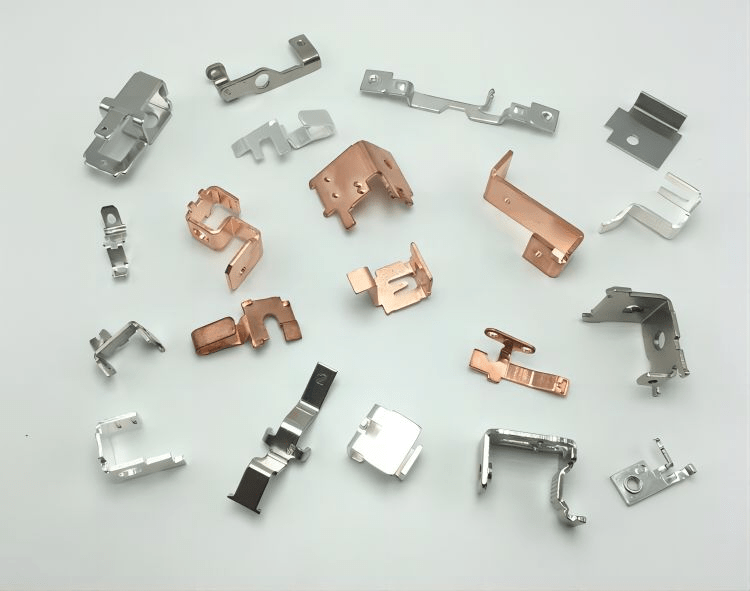
Connectors are a fundamental part of the majority of consumer electronics that allow the transmission of electrical signals between various components within the gadget. It doesn’t matter if it’s an USB port, a headphone connector, or power plug customized-stamped connectors are created to offer solid and secure electrical connections. Stamping lets manufacturers create connectors that are precisely sized that ensure an appropriate performance and fit. They often require precise specifics like pin connectors or spring clips. Custom stamping can accomplish efficiently.
The terminals that are stamped are also vital to make electrical connections on gadgets like laptops, smartphones as well as other electronic gadgets that can be carried around. They need to be lightweight and robust that can withstand numerous disconnections and connections without causing any damage. Custom stamping can provide the precision and consistency required to make these components in large quantities while ensuring high-performance.

2. Enclosures and Housings
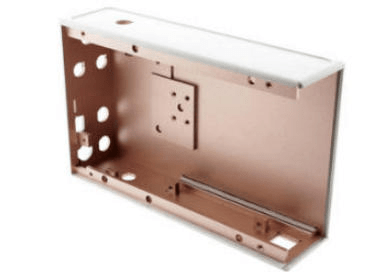
Custom metal stamping is used to fabricate metallic enclosures, housings and even enclosures to safeguard the internal electronic components. The components must be robust enough to stand up to physical strain and shield against electromagnetic interference (EMI) as well as electrical discharge (ESD). Stamping allows makers to create intricate designs, which include cutting-outs to accommodate ports, buttons and screens, assuring that the enclosure will fit perfectly into the overall design of the device.
For devices such as tablets, smartphones, laptops gaming consoles, enclosures made of metal are crucial to ensure structural integrity, and ensuring that the device is light and mobile. Custom stamping lets manufacturers create a durable and elegant, attractive appearance.
3. Heat Sinks
As electronics for consumers become more advanced and feature-rich, managing heat dissipation is now an essential design element. They are typically used to disperse heat from delicate components such as processing units and memory chips. They help to stop overheating and ensure maximum performance.
Custom stamped heat sources are usually made of materials such as aluminum, which has great thermal conductivity and is light. The process of stamping allows manufacturers to create intricate geometries, like finned designs, which maximize the surface area to ensure more efficient heat dissipation. These heat sinks can be found in numerous electronic gadgets, including gaming consoles, computers and mobile phones.
4. Battery Contacts
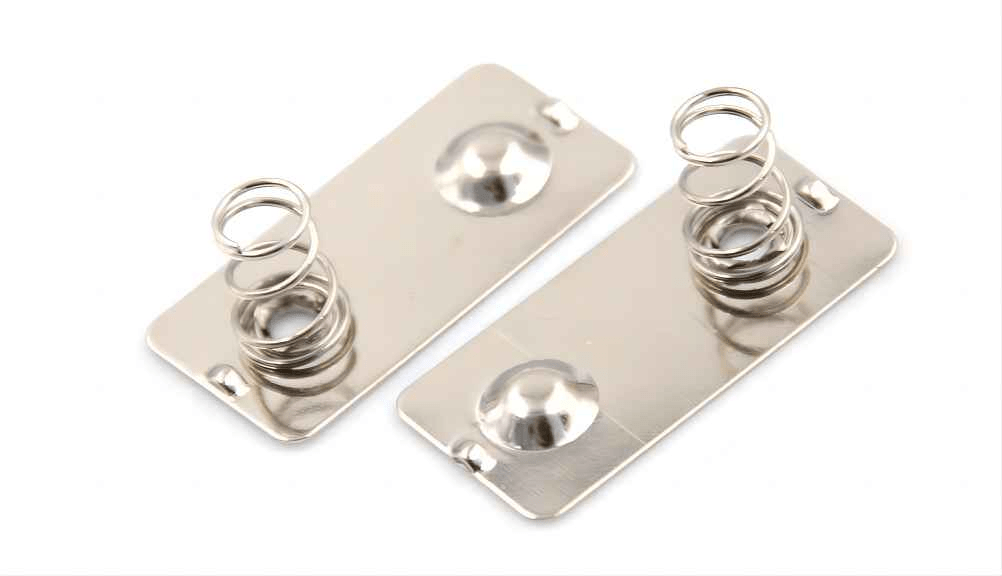
Contacts for batteries are essential of electronic devices for portable use, creating an unsecure and secure connection with the devices and the power source. They must maintain the strength of their electrical connections regardless of the numerous charging and charging cycles that are typical on devices such as laptops, smartphones and wearables.
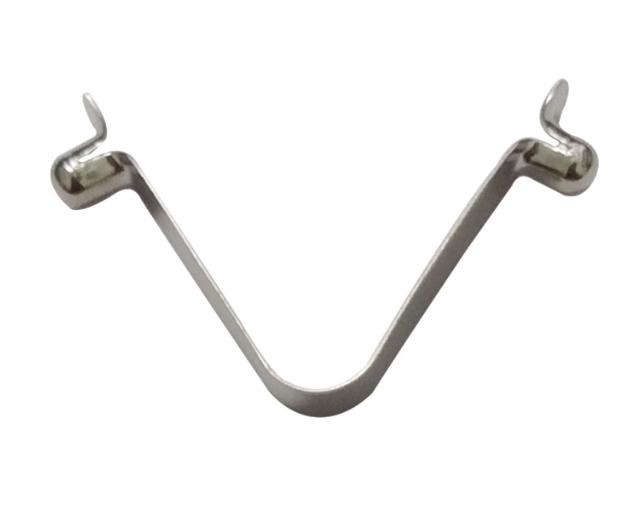
Custom stamping is a great option for the production of terminals and battery contacts that allows for precision manufacturing of components which must stand up to the demands of regular use. They typically have spring-loaded mechanisms that guarantee consistent pressure on the battery terminals and custom stamping allows to create these features with precision and uniformity.
5. Buttons and Switches
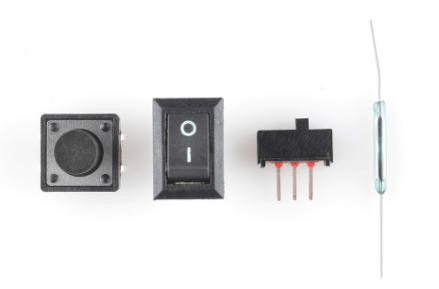
Switches and buttons are omnipresent in electronic consumer devices, serving as the user interface to interact on the gadget. Custom-stamped buttons and switches can be employed in a range of devices, such as smartphones, remote controllers, and wearables. They must be robust flexible, responsive, and able to withstand millions of actuations without breaking.
Custom stamping can be utilized to create buttons with the proper form, texture, and functions. It doesn’t matter if it’s a basic power button, volume control or a multi-function button Stamping is able to create parts that have a consistent quality and precise measurements. It also permits the inclusion of additional options like backlighting or tactile feedback.
6. Shielding Components
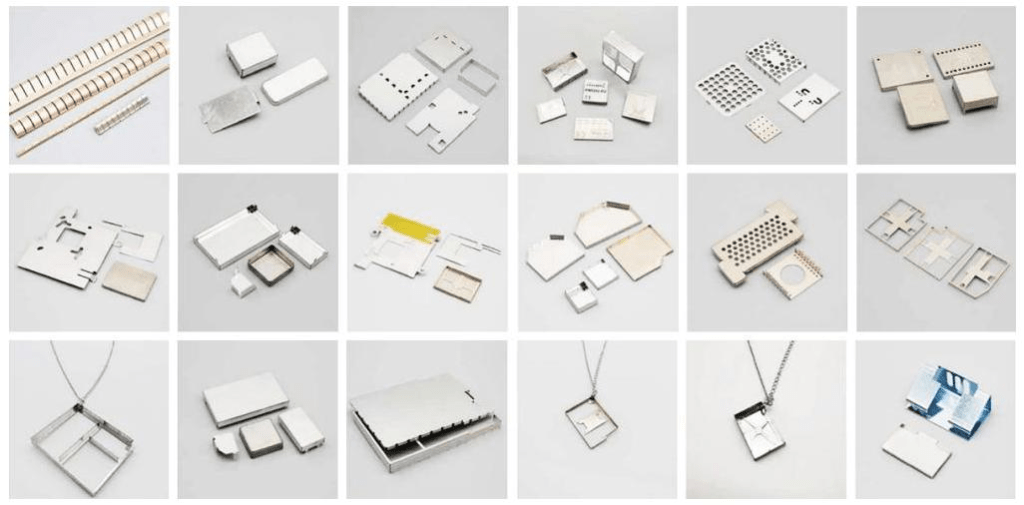
Electronic interference (EMI) could disrupt electronic circuits’ performance and cause malfunctions or signal loss. To stop this from happening, many electronic devices require shielding components that block electromagnetic radiation. These components are made out of copper-based materials which is very efficient in reflecting and absorbing electromagnetic waves.
Custom stamping can be used to design shielding components that shield the delicate internal components from interference by external EMI. These shields are commonly utilized in smartphones as well as laptops and televisions to ensure signal integrity and avoid interference from outside sources. Stamping allows for the exact shaping of these components, making sure they are tightly encased around the parts they are designed to protect.
7. Structural Frames and Brackets
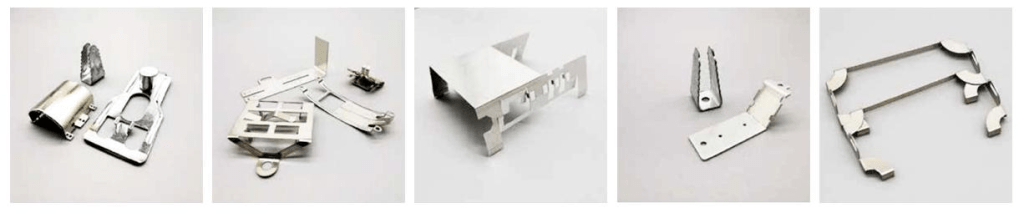
Apart from enclosures that are external In addition, custom stamping can be utilized to make frame structures and brackets that serve as internal supports for consumer electronic equipment. They are generally constructed from aluminum or steel, providing robustness and durability to keep different components in place.
Structural frames that are stamped can be used in a range of gadgets, ranging from the chassis inside smartphones as well as the framework of laptops or TV. They typically have intricate forms and mounting holes that can be made by stamping. Stamping lets manufacturers create these parts quickly and at a high level of precision making sure that the product is robust while also reducing weight.
8. Frames for Displays
Display technology is at the center of the majority of electronic devices, ranging including tablets, smartphones, monitors and televisions. Custom-stamped frames hold and support the displays, ensuring structural stability, while keeping the slim appearance.
Frames must be light but durable and capable of securely holding the display without putting on unnecessary weight. Custom stamping permits the design of frames that have precise dimensions, as well as intricate cutouts to accommodate components like touch sensors or cameras. This technique is often employed in the manufacture of devices like smartphones, in which the frame of display must be positioned perfectly with the overall style.
Challenges in Custom Stamping Parts for Consumer Electronics
This chart highlights the main issues that arise with custom stamping during the manufacture of components that are used in consumer electronic devices. Each issue must be properly controlled to ensure a successful production and top quality end products.
| Challenge | Description |
| Material Selection | The right material to choose is able to balance strength, weight electrical properties, cost. Materials must meet the specific requirements for performance for each component. |
| Complexity of Design | The ever-growing complexity of consumer electronics demands parts that have complicated shapes, intricate features and finely detailed parts that are difficult to accurately stamp. |
| Tooling and Die Costs | The cost of initial investment for making custom-designed dies and tools needed for accurate stamping could be a hindrance, particularly for small-scale productions. |
| Tight Tolerances | Acquiring micron-level precision is essential in the field of electronics. Even the slightest error can result in parts or devices to fail. |
| High-Speed Production Demand | Consumer electronics need quick turnaround times, however keeping high precision in high-speed production can be a strain on equipment and resources. |
| Material Waste | The reduction of material waste when stamping complicated parts that have various thicknesses poses an issue that could impact the efficiency of your business and also impact on the environment. |
| Quality Control | Ensure that the quality of metal stamping parts is consistent over large quantities of production, and with minimal defect, is crucial to the efficiency of consumer electronics. |
| Scalability for Mass Production | Custom stamping needs to adapt to rapidly increasing demands, without sacrificing quality when the quantity of production grows. |
| Integration of Additional Features | Parts typically require other features, such as spring clips or connectors or embossments. These features can make stamping difficult and require specialized tools. |
| Environmental Considerations | Reducing environmental concerns by reducing production waste and energy efficient processes, while maintaining high standards of production. |
Future Trends in Custom Stamping Parts for Consumer Electronics
With a growing demands for smaller, more powerful gadgets, as well as the increasing importance placed on cost-efficiency and sustainability custom metal stamping will play a larger role in the design of the future consumer electronic.
- Miniaturization of Components
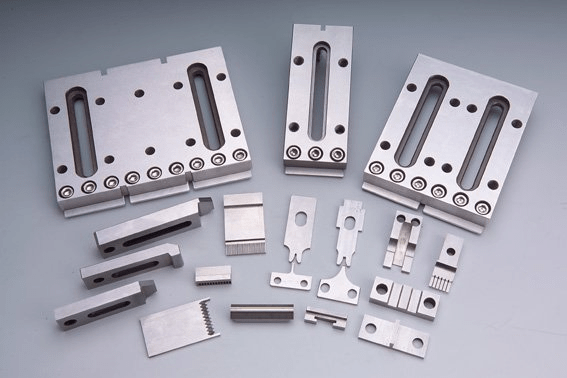
The trend towards smaller, less compact consumer electronics is driving the need for smaller and more compact components. Smartphones or wearables, as well as portable electronics are getting slimmer and more feature-rich, and require precise metal components that are light and precise.
Custom-designed stamping components will continue to develop to meet these requirements and will continue to advance in technology for stamping that allow the creation of smaller and more intricate parts. These will include more precise geometries, smaller sheets of metal and connectors that are micro-sized, each of which needs to be manufactured with precise tolerances and precise. The future of stamping technology will focus on enabling mass production of ultra-small components without any compromise in the quality or performance.
- Advanced Materials and Alloys
The materials used in components for consumer electronics are also on the rise. As companies push the limits of performance and endurance for their devices there is an increasing demand for new materials to be able to meet the demands of contemporary electronics, such as high electrical conductivity, thermal conductivity, and light weight properties.
In response to these requirements Custom metal stamping will likely include a greater variety of modern alloys and materials. Manufacturers will employ materials such as high-strength aluminium alloys including titanium, composites, and which provide superior performance in regards to conductivity, heat resistance, as well as strength-to-weight ratio. The capability to efficiently process these awe-inspiring materials by stamping will be vital to the ongoing advancement of cutting-edge consumer electronics.
- Customization and On-Demand Production
With the growth of personalized electronic consumer products, there is an increasing trend of production on demand and the customization of components to meet the particular needs of customers or products. Custom-designed stamping will assist in this trend by providing greater flexibility with regards to the design of the part, its size, and the volume of production.
Future stamping techniques can be more flexible which will allow manufacturers to swiftly make small batches of components to meet specific requirements or client preferences. This is especially beneficial when it comes to high-end devices that need customized components or limited edition models. Innovative tooling systems and flexible designs will allow manufacturers to rapidly change between various designs without the need for extensive retooling. This makes the process of making on-demand products more efficient and economical.
- Enhanced Precision and Tight Tolerances
As electronics for consumer use continue to adopt more advanced technology and components, the need for components that are more precise and have higher precision will increase. For instance for devices such as wearables and smartphones, parts such as connectors, circuit boards and display frames need to fit together with a high degree of accuracy to ensure the best performance and seamless user experience.
The future of custom-designed metal stamping will bring more advancements in precision thanks to advances in the design of dies as well as stamping presses and quality control techniques. This will permit the manufacture of components with even lower margins of error, while ensuring that the components are in compliance with strict standards of performance required by future-generation electronic devices.
- Hybrid Manufacturing Techniques
Customized stamping has long been acknowledged for its capability to make high-quality components in large quantities, companies are increasingly seeking to combine different manufacturing techniques in order to meet the requirements of the modern age of electronics. Hybrid manufacturing, which blends stamping and processes such as 3D printing injection molding or laser cutting. It is set to become more widespread.
For instance, metal stamping parts can be paired with 3D printed parts to make complex assemblies that are difficult to make with traditional stamping by itself. This combination approach allows designers to design more complex designs and multi-material parts giving manufacturers more flexibility in meeting the varied requirements of the market for consumer electronics.
- Focus on High-Performance Components
With the ever-growing demand for more rapid, efficient, and energy efficient gadgets There will be a constant focus on the production of high-performance components via custom stamping. Components like heat sinks connectors for batteries, and battery contacts are required to be designed to stand up to greater power, more temperatures, and higher speeds of data transfer.
As the requirements for performance for consumer electronics rise and so does the requirement for components that can withstand these strains without falling apart. Custom metal stamping is evolving to meet the demands of these devices as technology advances in the design, materials and manufacturing processes that allow manufacturers to develop components that are capable of enduring more severe conditions, which will ensure long-term reliability and durability in high-performance electronics.
Summary
Custom metal stamping is essential in the manufacture of high-end exact components for the consumer electronics market. Its capability to provide low-cost, scalable and intricate stamping parts is a great solution to meet the increasing demands of a fast-paced market. As technology advances, custom stamped components will become more and more crucial in the development of the next generation of consumer electronics, assisting manufacturers remain competitive while providing high-quality performance and reliability for their products.