Urethane Casting vs Injection Molding: Which is Better to Choice
In product development and plastic part manufacturing, urethane casting vs injection molding is one of the most frequently discussed topics among engineers and procurement professionals. Both processes are widely used in the production of plastic components, but they differ significantly in cost structure, production volume, lead time, precision, and applicable development stages.
So, which one is more suitable for your project? Today, we will provide a comprehensive analysis from the perspectives of process principles, cost comparison, application scenarios, and overall strategy to help you make a more informed manufacturing decision.
Table of Contents
What is Urethane Casting?
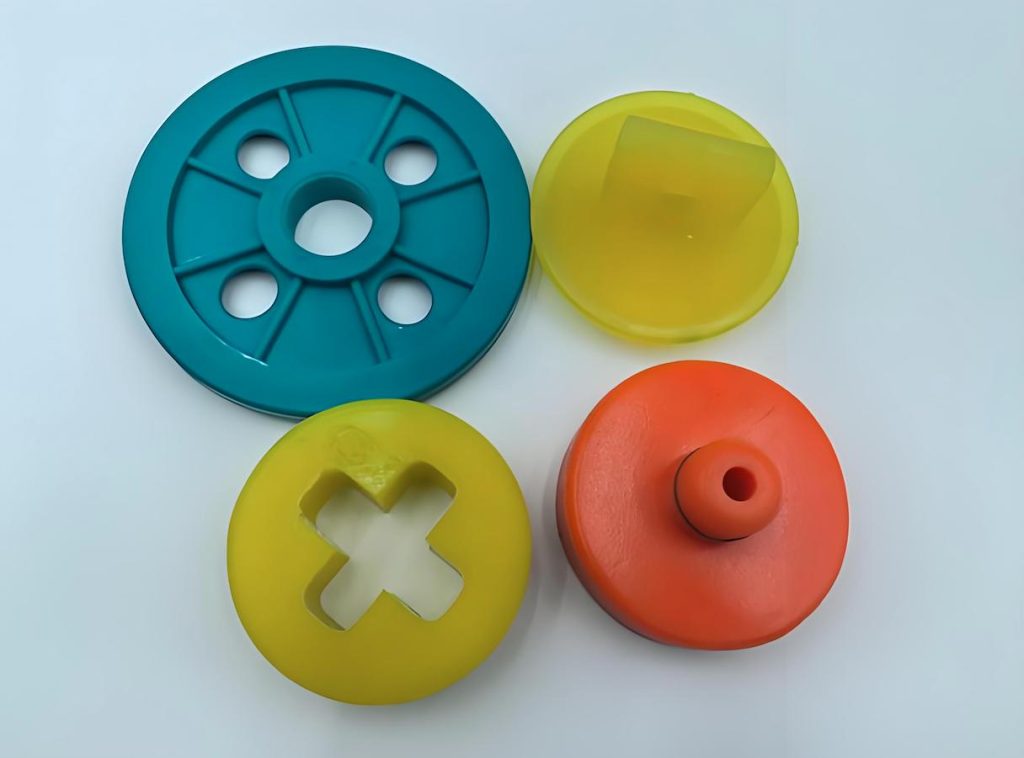
Urethane casting, which people call polyurethane casting, uses silicone rubber molds to create products for small-scale manufacturing. The method provides testing capabilities through its use during initial product development and test production and product performance assessment. The process establishes a vital connection between product prototyping and industrial mass production.
Basic Process Flow of Urethane Casting
The typical workflow includes:
Creating the Master Model
The creation of a master model with high precision requires the use of 3D printing technologies which include SLA or CNC machining methods. The final cast parts achieve their highest quality through the master model’s accuracy and surface finish.
Making the Silicone Mold
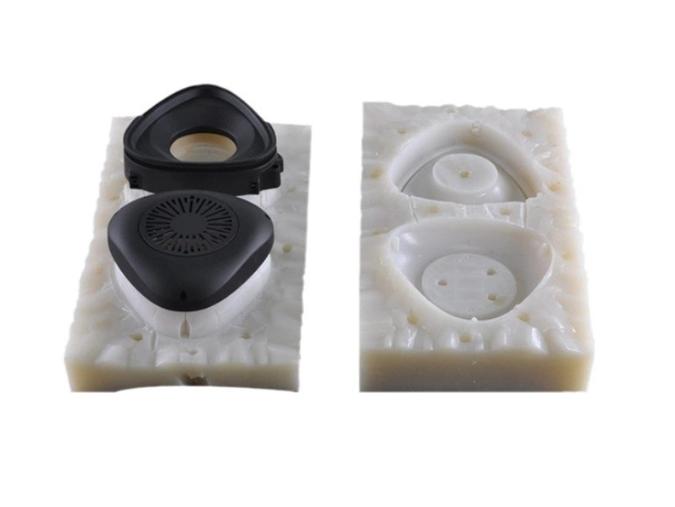
The master model is placed inside a mold frame, and liquid silicone is poured around it to form a flexible mold. After the master has cured, the master is taken out which creates a hollow space that enables multiple casting operations.
Vacuum Casting
Liquid polyurethane resin is poured into the silicone mold under vacuum conditions. The vacuum environment effectively removes air bubbles and improves part quality.
Curing and Demolding
The material cures at a controlled temperature, and the finished part is removed from the mold. A single silicone mold typically produces about 10–25 parts, depending on design complexity and material selection.
Key Characteristics of Urethane Casting
Low Tooling Cost: Silicone molds cost much less than metal injection molds which makes them suitable for manufacturing small product quantities.
Short Lead Time: From master model fabrication to mold completion usually takes only a few days, enabling fast turnaround.
Suitable for 10–100 Units: Within this quantity range, the per-unit cost is often more competitive.
Excellent Surface Finish: High-quality surface results can be achieved, sometimes approaching injection-molded part quality.
Material Versatility: The system can replicate various engineering plastics and rubber-like materials which include ABS and PP and PC and transparent and heat-resistant and flexible materials.
Flexible Design Changes: The process requires complete reconstruction of the master model and silicone mold when design changes need to be implemented which results in reduced expenses and shorter project delays.
Typical Applications of Urethane Casting
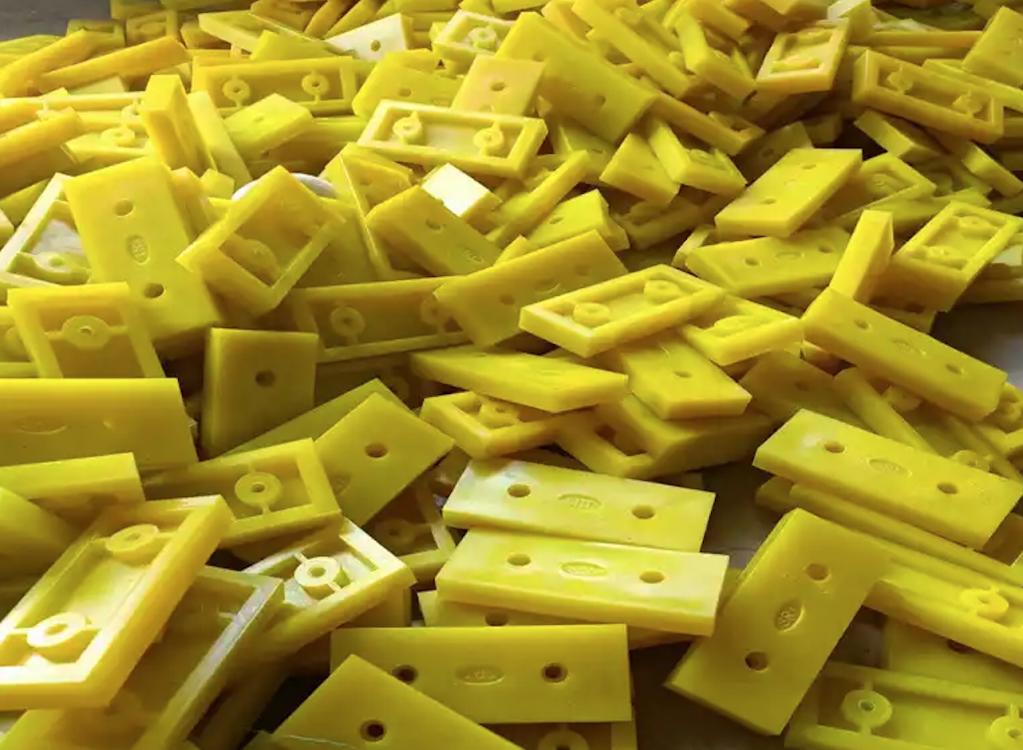
Urethane casting is particularly suitable for:
Product prototype validation: Verifying structural design, fit, and appearance.
Appearance display samples: Used for client presentations, trade shows, or marketing purposes.
Functional testing parts: Mechanical, thermal, and assembly testing.
Medical device housings: Small-batch production of medical equipment enclosures.
Consumer electronics structural components: Validation of internal or external plastic parts.
What is Injection Molding?
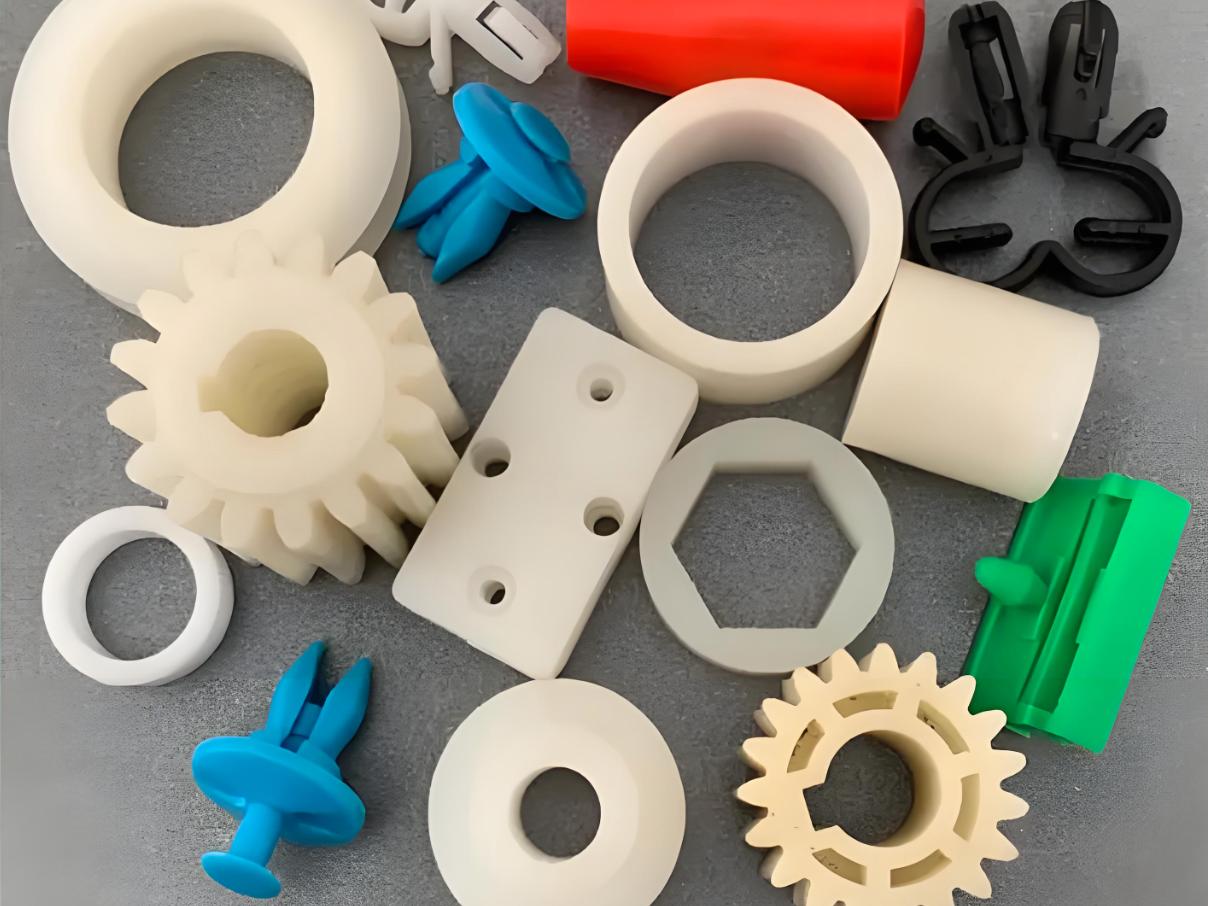
The industrial manufacturing process of injection molding uses metal molds which are usually made from steel or aluminum to create plastic parts through high-pressure plastic forming. The process serves as the primary method for producing plastic parts at large volumes because it remains common practice in the field.
The basic principle requires plastic pellets to be heated until they reach a molten state which then enables their injection through high pressure into a precise metal mold cavity. The finished part gets ejected from the mold after it has cooled down and solidified. The process allows multiple repetitions through its automated system which maintains stable production and efficient output during mass manufacturing.
Key Characteristics of Injection Molding
High Tooling Cost
Steel or aluminum materials get used to create injection molds through precise machining processes. The process of developing tooling needs both time and financial resources to create complex geometries and multi-cavity molds.
Extremely Low Unit Cost at High Volumes
The production process achieves its lowest cost per part when the mold reaches completion and the manufacturing starts at quantities between 1000 and 1000000 units. Businesses that use injection molding systems achieve substantial cost savings through increased production efficiency.
High Dimensional Accuracy
The process produces exceptional repeatability together with precise measurement capabilities which make it suitable for making components that need exact size specifications.
High Production Efficiency
A single molding cycle typically takes only seconds to a few minutes, enabling rapid and continuous manufacturing.
Ideal for Automated Mass Production
Injection molding systems can integrate robotic arms, automated assembly lines, and quality inspection systems to reduce labor costs and improve productivity.
Wide Material Selection
Nearly all mainstream thermoplastics can be processed using injection molding, offering reliable mechanical strength and long-term durability.
Typical Applications of Injection Molding
Injection molding is commonly used for:
Production volumes ranging from thousands to millions of units: The cost advantages become increasingly evident at high volumes.
Long-term commercial products: For products with stable demand and long life cycles, tooling costs can be amortized over large production runs.
Structural components requiring dimensional stability: Such as internal parts for electronics, automotive components, and precision industrial parts.
High-strength and durable parts: Components that must withstand mechanical stress, impact, or elevated temperatures.
Urethane Casting vs Injection Molding: Key Differences
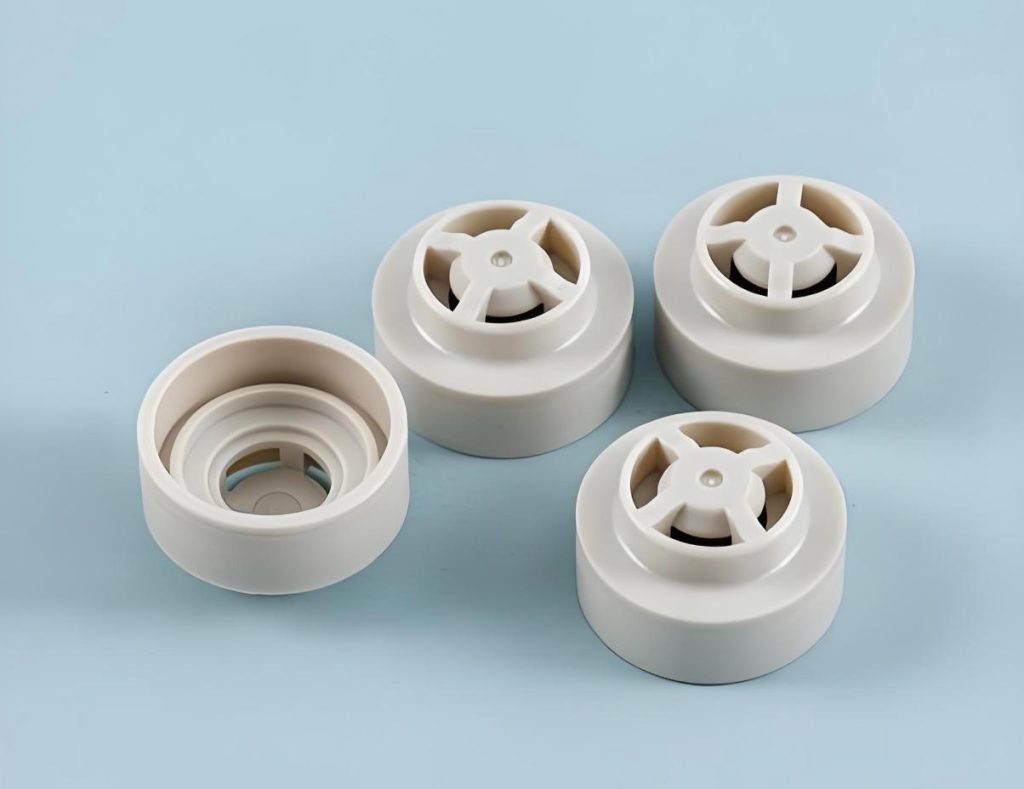
When discussing urethane casting vs injection molding, many people instinctively try to determine which process is “better.” The two manufacturing methods exist to support different product development stages instead of establishing one method as superior to the other. Below is a detailed comparison across several critical factors.
1. Tooling Cost Comparison
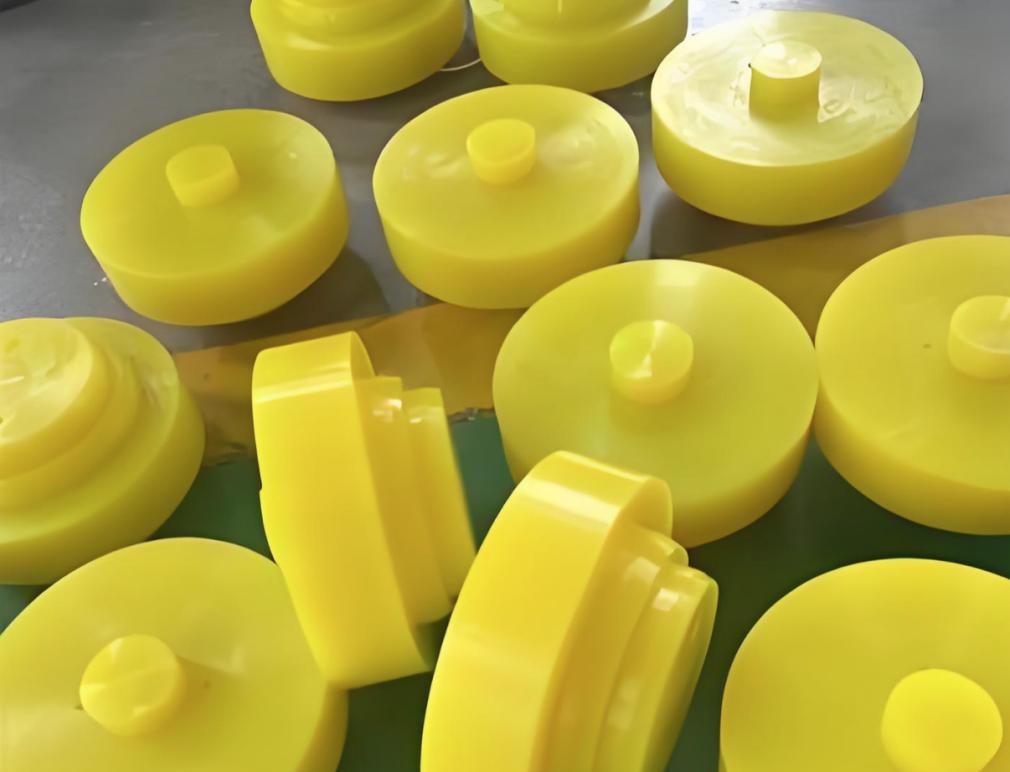
Urethane Casting: Low Tooling Cost
The process of urethane casting employs silicone rubber molds which makers find to be quick and easy to create. The manufacturing costs of metal injection molds mainly consist of their tooling expenses which amount to only a fraction of total costs. The financial risk decrease occurs because this method enables projects to continue without complete design specifications while operating under budget constraints.
Injection Molding: High Tooling Cost
The process of injection molding needs exact metal molds which manufacturers create through precision machining using either steel or aluminum materials. Development cycles take more time to complete while companies need to spend more money at the start when they work with complex geometries or multi-cavity molds. The system enables users to recover their initial investment through production output that reaches extensive capacity.
2. Production Volume Comparison
Urethane Casting: Ideal for Low Volumes
Typically suitable for runs of 10–100 units. Silicone molds have a limited lifespan and generally produce only dozens of parts before replacement is required.
Injection Molding: Ideal for High Volumes
Injection molds are highly durable and can produce thousands to millions of parts, making them suitable for large-scale manufacturing.
3. Lead Time Comparison
Urethane Casting: Fast Turnaround
From master model fabrication to finished parts, the process usually takes only a few days to one or two weeks. This makes it ideal for rapid prototyping and market validation.
Injection Molding: Longer Lead Time
Because metal tooling must be designed and manufactured, the initial preparation phase can take several weeks or longer.
4. Material Selection Comparison
Urethane Casting: Relatively Diverse
It can simulate the properties of materials like ABS, PC, or rubber-like plastics. However, the materials are fundamentally polyurethane-based, and their performance may differ from true engineering-grade thermoplastics.
Injection Molding: Highly Diverse
Almost all mainstream thermoplastics can be processed through injection molding, including reinforced, flame-retardant, and high-temperature materials. Performance is stable and reliable.
5. Surface Finish Comparison
Urethane Casting: Good Surface Quality
It delivers smooth finishes and accurate detail reproduction, making it suitable for display samples.
Injection Molding: Excellent Surface Quality
Metal molds can be polished to mirror finishes or textured with specific surface patterns. Consistency across large batches is superior.
6. Dimensional Accuracy Comparison
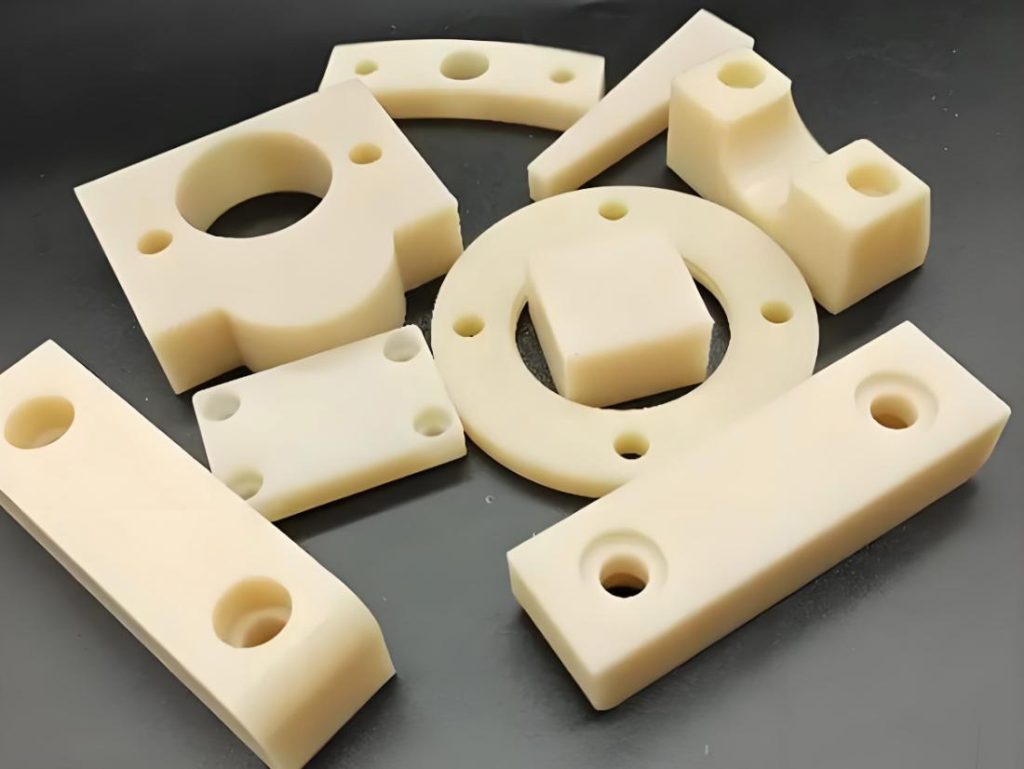
Urethane Casting: Moderate Precision
Silicone molds are flexible and may experience slight deformation, limiting tight tolerance control.
Injection Molding: High Precision
Rigid steel molds ensure excellent repeatability and tight tolerance control, ideal for precision assemblies.
7. Unit Cost Comparison
Urethane Casting: Higher Unit Cost at Low Volumes
Labor and material costs remain relatively high per part, and cost reduction is limited as volume increases.
Injection Molding: Extremely Low Unit Cost at High Volumes
Although tooling costs are high upfront, per-unit cost drops dramatically as production volume increases.
Summary Comparison Table of Urethane Casting vs Injection Molding
| Comparison Factor | Urethane Casting | Injection Molding |
| Tooling Cost | Low | High |
| Production Volume | Low volume | High volume |
| Lead Time | Fast | Longer (steel tooling required) |
| Material Selection | Relatively diverse | Highly diverse |
| Surface Finish | Good | Excellent |
| Dimensional Accuracy | Moderate | High |
| Unit Cost | Higher at low volumes | Extremely low at high volumes |
Cost Comparison of Urethane Casting vs Injection Molding: Which is More Economical?
When discussing urethane casting vs injection molding, cost is often one of the most critical decision factors. However, it is important to understand that cost is not a fixed number—it is closely related to production stage, volume, and product lifecycle. Therefore, cost analysis should be done in stages, rather than simply deciding which process is “cheaper.”
Prototype Development Stage
In the early stage of product development, companies usually only need a few dozen parts for purposes such as structural validation, appearance evaluation, functional testing and market display or client feedback
At this stage, urethane casting has a clear cost advantage.
Reasons include no need for expensive steel molds, short mold fabrication time, low cost for design modifications and lower financial risk
Choosing injection molding at this stage would require a high upfront investment in steel tooling. Any design changes would incur additional cost and time, making urethane casting a more flexible and lower-risk option during prototyping.
Low-Volume Production Stage (Up to 100 Units)
When products move into small-batch production, such as orders under 100 units, urethane casting still offers higher cost-effectiveness.
Although the per-unit cost is slightly higher than injection molding, factors such as high injection mold cost, inability to amortize tooling over small quantities, longer lead times for mold preparation and mean that the overall project cost is still lower with urethane casting.
At this stage, companies are often testing the market or validating sales channels. Using a low-investment, flexible process helps minimize inventory and financial risk.
Large-Scale Production Stage (Over 1,000 Units)
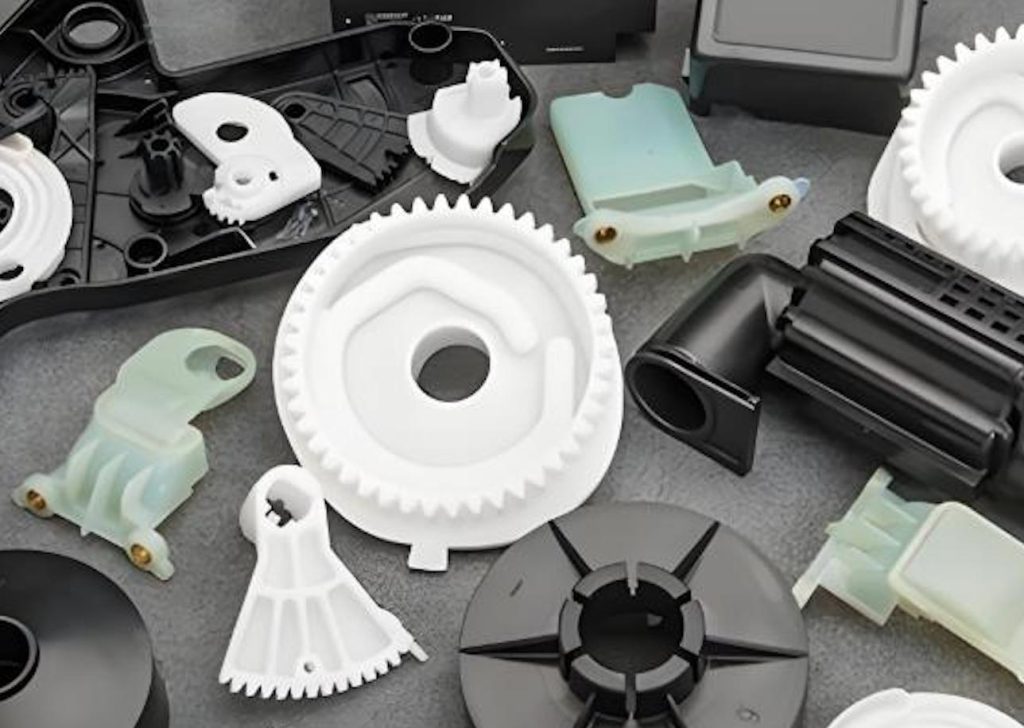
Once order volumes reach 1,000 units or more, injection molding begins to show clear advantages.
Although the initial mold investment is high, as production volume increases:
- Per-unit cost decreases significantly
- Automated production improves efficiency
- Material utilization is higher
- Dimensional consistency is more reliable
For large-scale production, the economies of scale of injection molding are very apparent. After amortizing the mold cost, the unit cost is typically much lower than urethane casting.
Therefore, in the cost comparison between urethane casting vs injection molding, the key is not “which is cheaper,” but “how many units are being produced.”
When to Choose Urethane Casting?
The process for manufacturing which best meets product requirements must be selected during both product development and low-volume production. Urethane casting provides low-cost production with quick delivery times which enables flexible operation in these following situations.
Product Still in Development
Urethane casting becomes the best option when product design remains incomplete because developers will apply frequent modifications to both product structure and product appearance. Silicone molds enable designers to create fast and cheap production molds which support multiple design tests before they need to invest in expensive steel molds during early development.
Need for Rapid Design Validation
During the prototype phase, engineers often need parts quickly to verify:
- Structural feasibility
- Appearance and aesthetics
- Functional performance
With urethane casting, parts can be produced within a few days to a couple of weeks, accelerating the validation process.
The company uses cast parts as display models and pilot sales samples and exhibition pieces to test market acceptance and present samples to clients. Their appearance and detail are realistic enough to effectively gather user feedback.
Require Multiple Iterations
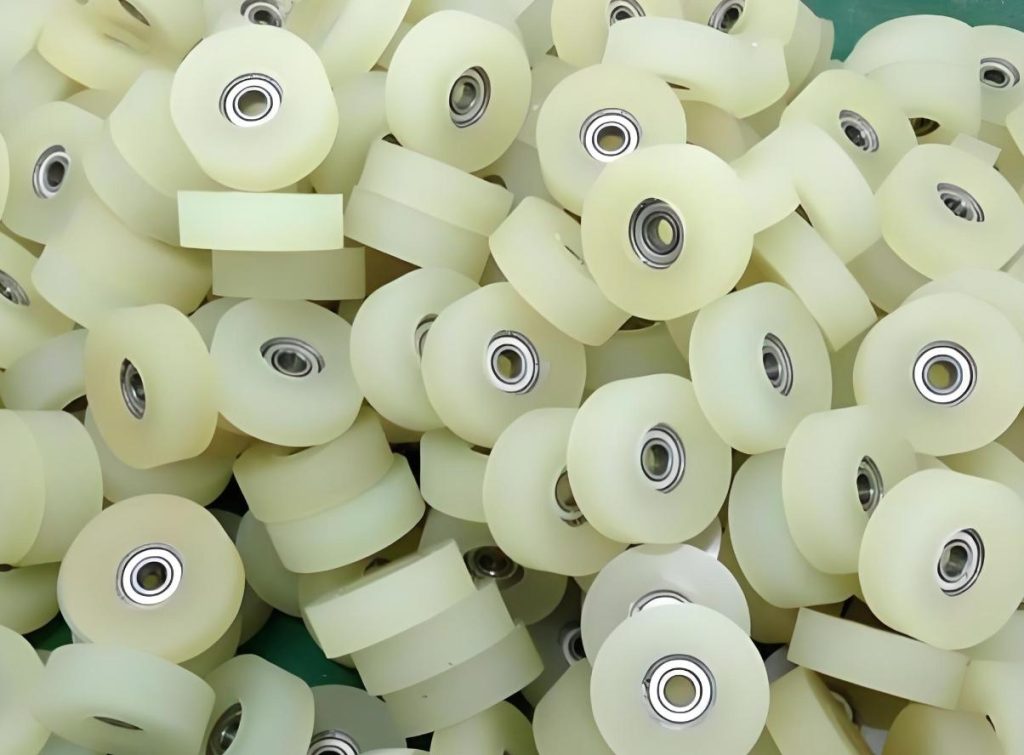
The design process needs multiple prototypes when it requires different versions that include multiple sizes and colors and various functional options because urethane casting enables designers to create new prototypes quickly without needing to create new injection molds for each prototype.
Uncertain Future Demand
Using a low-cost flexible casting process becomes more beneficial when market demand remains uncertain and order quantities stay unknown because it reduces the possibility of financial and time losses compared to high-cost injection molding tooling.
When to Choose Injection Molding?
The mature stage of product development requires manufacturers to choose their production method because it will determine their expenses and operational effectiveness and product standards. Injection molding serves as the most efficient production method because it provides businesses with the ability to produce their products with high accuracy while scaling their operations.
Product Design Is Fully Finalized
When the product’s structure, appearance, and functionality have been thoroughly validated and the design is stable, injection molding becomes the first choice. Once the steel mold is completed, it ensures consistent dimensions and appearance across every batch, avoiding high costs from repeated design modifications.
Market Demand Is Clear and Stable
If the product has passed market validation and the expected demand is stable and growing, injection molding can fully leverage the advantages of large-scale production to reduce per-unit cost.
Planning for Long-Term Sales
For products with a long lifecycle or those requiring sustained supply, the upfront mold investment can be amortized over multiple production batches. Although steel molds require significant initial cost, injection molding significantly lowers overall production costs in the long run.
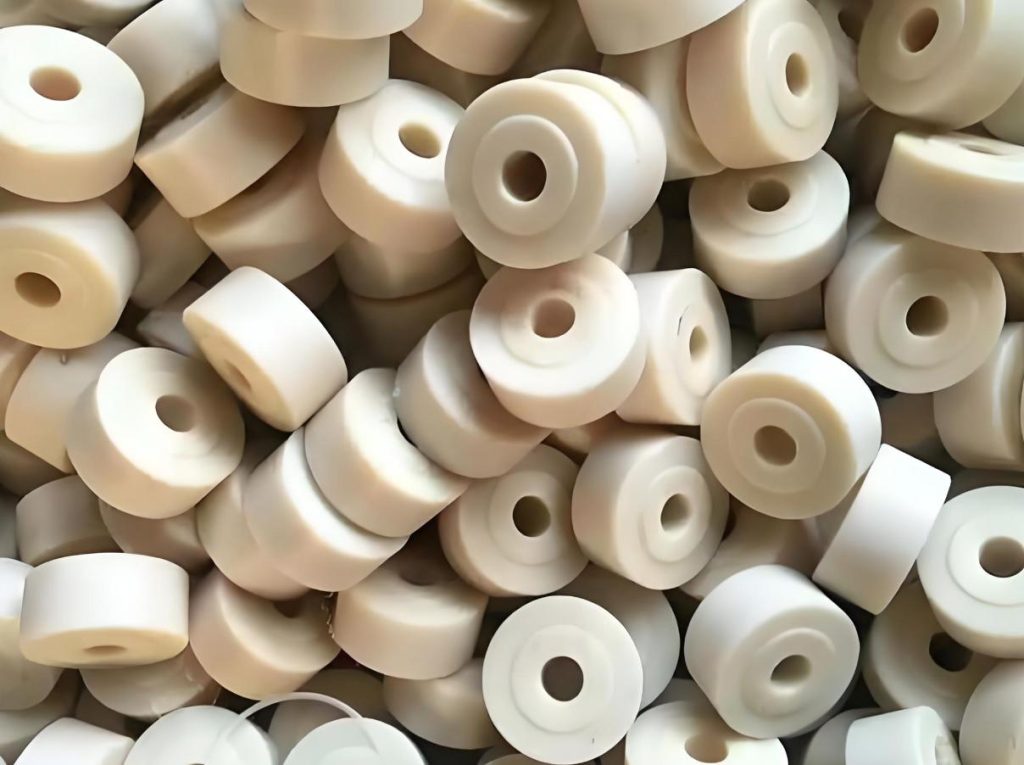
High Consistency in Production Is Required
Injection molding offers excellent dimensional accuracy, surface quality, and performance consistency. It is ideal for parts requiring tight tolerances or high-precision assembly, such as electronic product structural components, automotive parts and industrial machinery components
Production Volume Exceeds 1,000 Units
When production reaches 1,000 units or more, or even tens of thousands, injection molding’s cost advantages become apparent. Per-unit cost decreases rapidly with volume, and combined with automated production and quality control, high-efficiency, stable mass production is achievable.
Conclusion: No Absolute Winner—Only the Right Fit
When discussing urethane casting vs injection molding, there is no absolute “better” process.
If your product is still in the development stage, urethane casting can help quickly validate designs, support multiple iterations, and reduce trial-and-error costs.
When the product design is finalized, market demand is clear, and large-scale production is planned, injection molding offers lower per-unit costs, higher dimensional accuracy, and greater production efficiency. If you are looking for a reliable injection molding partner, KENENG is a strong choice, they have extensive experience in injection-molded parts and large-scale manufacturing, helping you efficiently achieve mass production goals.