Vacuum Casting vs Injection Molding: How to Choose?
In modern manufacturing, choosing the right production process is crucial for product quality, cost, and lead time. Vacuum casting and injection molding are two common methods for producing plastic parts, yet they differ significantly in terms of cost, precision, production efficiency, and suitable applications. This article will provide a comprehensive comparison of vacuum casting vs injection molding to help you make an informed decision. Let’s take a closer look.
Part 1. What is Vacuum Casting?
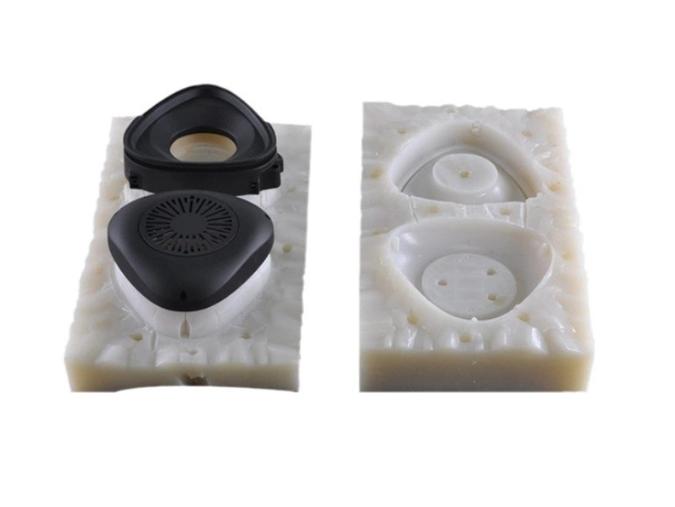
This is a manufacturing process that uses silicone molds to replicate prototype parts inside a vacuum environment. Its core idea is that a vacuum sucks liquid resin into a silicone mold, producing parts that are quite similar to a final product in both aspect and functionality. This technique is widely used in rapid prototyping and small batch production.
Steps in the Vacuum Casting Process
Prototype Creation
First, a precise prototype is created, usually by using 3D printing and/or CNC machining. This precise prototype will be used for making the silicone mold.
Silicone Mold Fabrication
The prototype is covered in a covering of silicone, giving it a flexible mold. The prototype has small details that are well replicated in the flexible mold.
Vacuum Resin Injection
The liquid resin is poured into a mold, and vacuum conditions eliminate air pockets in it to achieve full fillage, even in intricate shapes.
Curing and Demolding
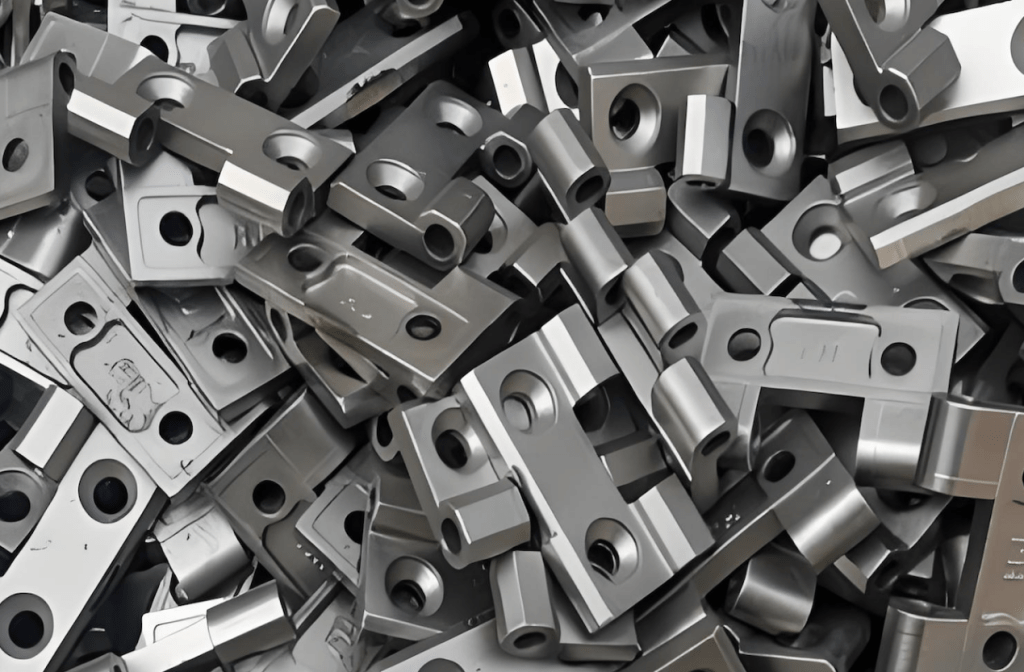
Once the resin cures, the part is carefully removed from the silicone mold. The resulting piece often closely resembles the intended production part in appearance, texture, and mechanical properties.
Features and Benefits
Low Cost for Small Batches: Unlike injection molded plastics, with vacuum casting it’s not necessary to have expensive metal tools made; it’s great for batches from 1 to 100.
Rapid Design Validation: It allows testing of a design at an early stage by functional samples.
Flexible Materials: Various materials are used, including a wide range of resins, which are similar to the final production materials, for example, rigid, flexible, or heat-resistance materials are available.
The precision of detailed features in the mold with silicone is the capturing of detailed features.
This is usually made possible with fast turnaround times, sometimes in a matter of days, which greatly increases the speed at which prototyping can be done.
Part 2. What is Injection Molding?
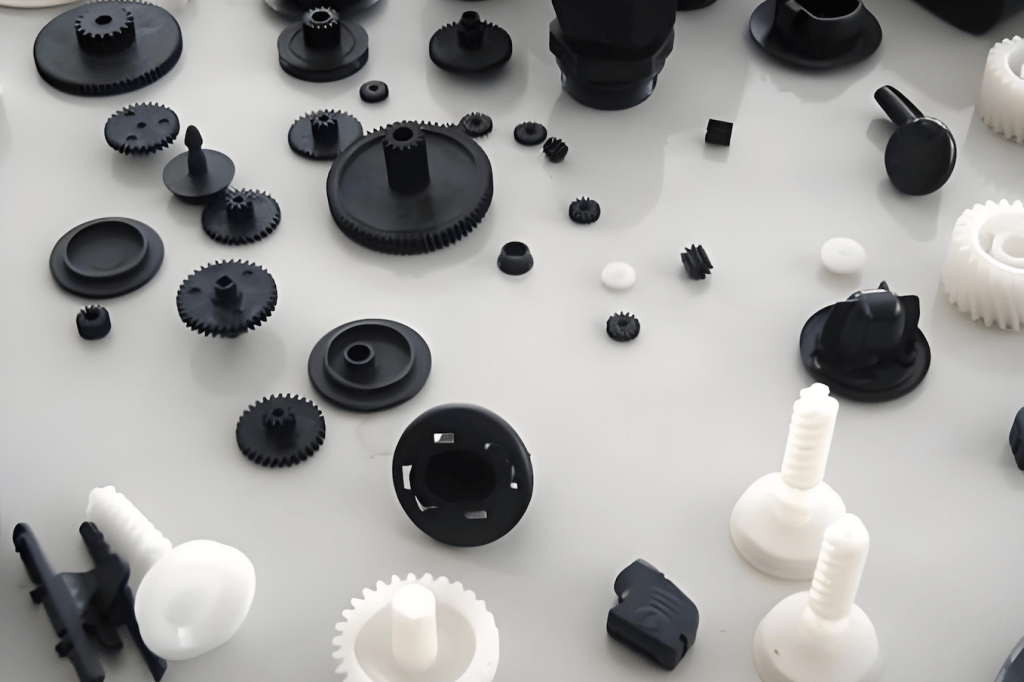
Injection molding is a manufacturing technology used to produce plastic materials by injecting hot plastic into a mold made of metal and then cooling the mold to assign a desirable shape to the plastic after it has cooled and congealed to the final shape contained in the mold used for this manufacturing process, which is highly suitable for this form of manufacturing because of the level of precision, reproduceability, and consistency achieved for the object being produced in large quantities.
Process Steps
Metal Mold Fabrication
A strong mold made of metal such as steel or aluminum is carefully crafted with dimensions similar to those of the manufactured part specifications. The production of molds is costly, yet essential in large-scale manufacturing processes.
Plastic Melting and Injection
Plastic pellets are heated until molten, then injected into the mold cavity using an injection molding machine under high pressure. This ensures the resin fills even complex geometries of the mold.
Cooling and Solidification
The molten plastic cools rapidly inside the mold, solidifying into the desired shape. Cooling time depends on part size, thickness, and material type.
Demolding and Post-Processing
Once the part has solidified, it is ejected from the mold. Post-processing may include trimming excess material (flash), surface finishing, painting, or assembly depending on the final requirements.
Features and Advantages
Ideal For Mass Production: Although mold design is costly, the cost per product is very low, particularly after making thousands of units.
High Precision and Consistency: In injection molding, precision parts are produced with specific tolerances, thereby ideal for standardized interchangeable parts.
Complex Structures Possible: Has the capability of handling complex details, thin structures, undercuts, and possibly multiple materials.
Wide Material Compatibility: Various types of thermoplastics and thermosetting plastics are compatible with it, including engineering plastics that have good mechanical or thermal properties.
Fast Production Cycle: Once a mold is ready, it has a fast production time per product, enabling a large quantity to be produced in a single go.
Vacuum Casting vs Injection Molding: Detailed Comparison
In the following sections, we will take a detailed look at how these two processes compare in different terms, helping you make an informed decision for your manufacturing needs
1. Production Volume and Cost
Vacuum Casting:
For vacuum casting, it may be best utilized in volumes from 1 to 100 pieces only. One of its advantages lies in the absence of expensive “metal tools” or molds that may be a heavy financial burden for manufacturers.
The cost may be considered heavy when calculated per item or piece produced in vacuum casting; nonetheless, considering it a risk-free venture in business or trade makes it best suited for tests or trials, or for editions with fewer volumes in circulation only.
Injection Molding:
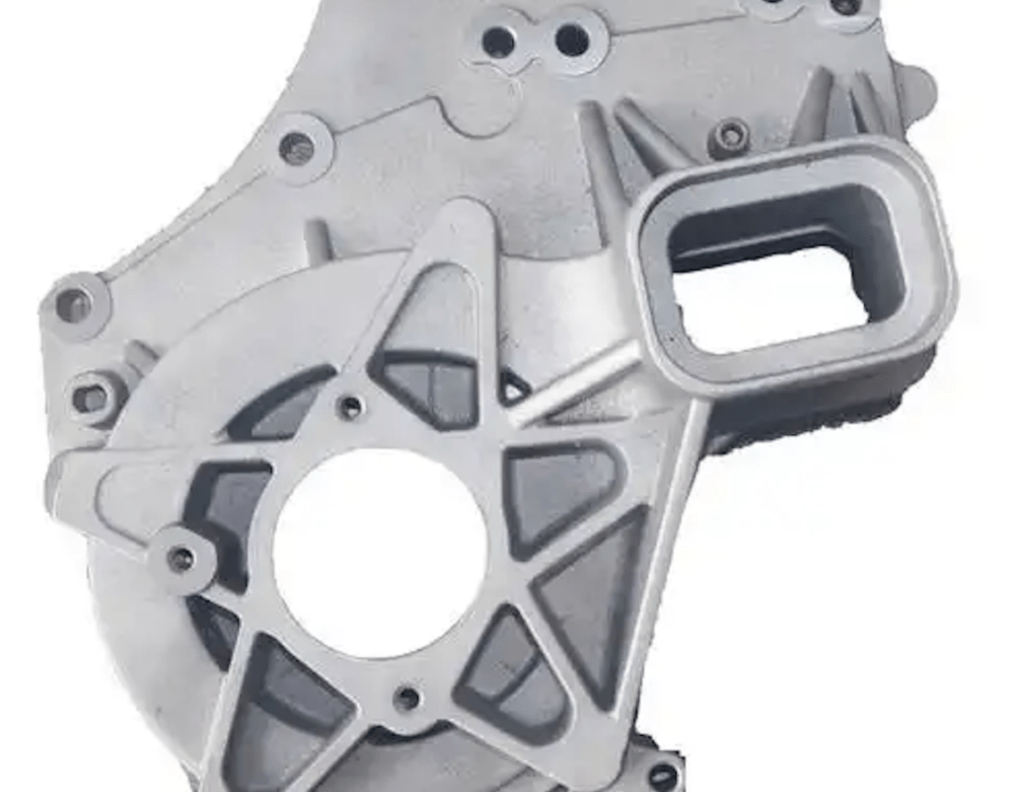
This process initially requires a lot of investment in terms of equipment purchase, as the equipment for injection molding requires precision-made metallic molds made of materials like steel or aluminum.
However, it is a very cost-efficient method for mass production, as the cost per piece diminishes with an increase in the order quantity, i.e., the more the quantity to be produced, the lower the piece price, which makes it the best method for the mass production of thousands to millions of pieces of fully commercialized products.
2. Lead Time (Production Speed)
Vacuum Casting:
The lead time of the vacuum casting is short, taking a few days to one week from the creation of the mold to produce the parts, i.e., it is a fast process. Vacuum casting is mostly employed during the early phase of product development, depending on the number of prototypes that need to be instantiated, bearing the functionality of rapid prototypes in mind, where modifications can be done quickly by changing the prototype or by creating a mold again.
Injection Molding:
Contrastingly, in injection molding, it is important to note that it has longer lead times in preparation since mold-making is required, where preparations can take weeks or months depending on requirements or product intricacy, after which high-speed manufacturing can be realized in line with its ability to yield large amounts of product in one go since it has very short cycle times in producing individual pieces, ranging from seconds or minutes in each case.
3. Precision and Tolerances
Vacuum Casting:
Accuracy- High detail accuracy is attainable by vacuum casting, with the ability to duplicate small features and textures found on the prototype. Dimensional stability is slightly lower in vacuum casting by comparison to injection molding. An overall tolerance of ±0.3 to 0.5 mm is available.
Injection Molding:
High accuracy and precision can also be expected with injection molding as this method can consistently achieve accuracies as small as ±0.05 – 0.2 mm. Such accuracy and precision are most appropriate for components that require critical accuracy, for example, machine parts and electronic devices. The precision can also reproduce pieces that are necessary for standardized processing.

4. Material Options
Vacuum Casting:
Vacuum casting accommodates different kinds of resin that include polyurethane, epoxy, flexible, and heat-resistant resin. The resin can closely resemble production part properties, making it more preferable since it can perform functions as in real situations. The mechanical strength and long-term durability of these castings are, however, low compared to injection molds.
Injection Molding:
Various types of plastic, such as ABS, polyppropylene, polyamide, polyester, and polyacetal resins, are used in injection molding. They have high durability as well as good physical and chemical stability to withstand mechanical as well as high-temperature conditions. Multi-material constructions are also possible by injection molding.
5. Complexity and Detail
Vacuum Casting:
A moderately complex shape and detail profile may also be reproduced by vacuum casting. Very thin features may even be prone to damage when the casting is unmolded. Molds designed out of soft silicon may allow for minor undercuts, textures, or minor protrusions due to their flexible nature. However, complex molds may not work very well in silicon.
Injection Molding:
Injection molding can accommodate complex geometries such as thin walls, threads, inserts, multi-cavity designs, and multi-material designs. With mold design, injection molding can achieve high volumes with consistent quality even for complex geometries with detailed features. It is suitable for mechanically functional parts and precision assemblies.
6. Surface Finish
Vacuum Casting:
The surface of vacuum cast parts can closely resemble the final product, capturing fine textures and details from the prototype. Post-processing, such as sanding, polishing, or painting, can enhance the appearance. Small batches may show minor air bubbles or surface imperfections, which require careful finishing.
Injection Molding:
Injection molding produces smooth, consistent surfaces directly from the mold. It offers a variety of textures and finishes, including high gloss, matte, or patterned textures, without additional post-processing. Batch-to-batch consistency is excellent, making it ideal for products where uniform appearance is critical.
| Feature / Factor | Vacuum Casting | Injection Molding |
| Production Volume | 1–100 pcs, small batches, ideal for prototypes & limited editions | 1000+ pcs, mass production, suitable for commercial products |
| Initial Cost | Low (silicone mold), minimal upfront investment | High (metal mold), expensive initial setup |
| Unit Cost | Higher per piece, cost-effective for low volume | Low per piece, cost-effective for large volume |
| Lead Time | Short (days to 1 week), rapid iteration possible | Long mold setup (weeks–months), fast production once ready |
| Precision | ±0.3–0.5 mm, good for functional and visual prototypes | ±0.05–0.2 mm, excellent for high-precision and assembly parts |
| Material Options | Flexible resins, mimics final product properties | Wide range of plastics, durable and long-lasting |
| Complexity | Moderate, fine details possible, limited for very thin or intricate parts | High, supports thin walls, threads, inserts, multi-material |
| Surface Finish | Good, can be enhanced with post-processing | Excellent, consistent, variety of textures without extra work |
| Best Use | Prototypes, design verification, small batches | Large-scale production, precision and functional parts |
Vacuum Casting vs Injection Molding: How to Choose?
The selection process of an appropriate manufacturing process is a critical factor to ensure better quality, cost-effectiveness, and faster delivery of products. While designing and manufacturing products, engineers and manufacturers must focus on various key areas while choosing either Vacuum Casting or Injection Molding process.
1. Production Volume
Expected quantity of products in a process has a crucial importance.
Vacuum Casting is an ideal method for low-volume manufacturing, which usually means a run of between 1 to 100 units.
For manufacturers, this method means they don’t need to use costly metal tools to create the limited run they require.
In fact, it is more cost-efficient in High-Volume production (ranging from hundreds to millions of parts). Although the initial tooling is prohibitive, the lower costs per part are proportional to the volume.
2. Cost Considerations
Cost evaluation should consider both initial investment cost and unit cost per part produced.
Vacuum Casting has a limited investment cost because it uses cheaper material – silicone molds, although its cost per product increases when making more products.
Injection Molding has a high initial investment because it involves metal molds, but it has low part cost, making it economical in terms of manufacturing.
3. Precision and Appearance
The level of detail required or the surface finish on which it is to operate will all influence selection.
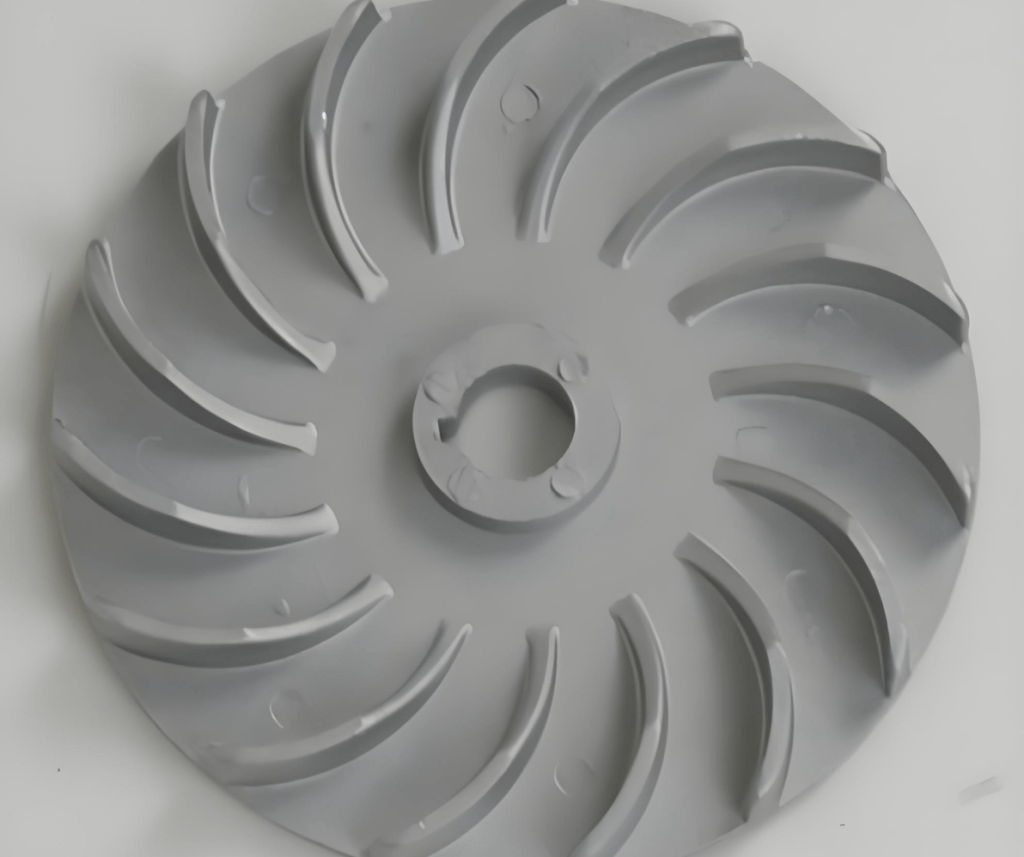
Features of Injection Molding include high dimensional accuracy while providing consistency in quality as well as excellent surface finishes, mostly required for functional parts as well as assembly.
Vacuum casting helps in producing detailed and texturized surfaces, but when done properly, it can meet various requirements, including validation, prototyping, and aesthetic testing.
4. Material Requirements
Material properties are important in determining the ability of a given process to meet performance needs.
Vacuum Casting resins can be used that simulate the final product’s characteristics, typically suitable for short-term testing or prototype use.
Injection Molding can support durable engineering plastics that can perform under mechanical stresses, high temperatures, and extended periods, making it suited for mass market or structural parts.
5. Lead Time and Delivery
Delivery expectations may be one aspect that affects process choices.
Vacuum casting has a fast lead time that’s typically within a few days to a week, ideal for fast prototyping, testing, or marketing purposes.
Injection molding process requires longer mould preparation time, however, once this is achieved, it allows quick and consistent mass productions of fully commercial products.
On the other hand, by evaluating the production volume, production costs, precision, materials used, and production lead times, the choice of production method can be made. For instance, the vacuum casting method is usually used in the production of small volume parts and also in product iteration. On the other hand, the injection molding method is used in the mass production of precision parts.
Summary: Choosing Between Vacuum Casting and Injection Molding
Both the vacuum casting and the injection molding have the following distinct advantage:
Vacuum casting is best for low-volume production, rapid prototyping, and flexible materials. It gives companies the opportunity to speedily assure themselves of their designs and ideas before they invest into expensive metal tools.
Injection molding, on the other hand, is best at mass production with lower production costs and higher precision. Injection molding is best for use when one needs long-term support for products that need to last for an extended period. For businesses aiming to use injection molding for mass production needs, KENENG is capable of offering support for high-quality injection molding services.